Porting A Mortgage
Explore what porting a mortgage means in Canadian real estate, how it works, and how it can help homeowners save on penalties and retain low interest rates.

May 22, 2025
What is Porting a Mortgage?
Porting a mortgage is the process of transferring an existing mortgage, including its interest rate and terms, from one property to another when a homeowner moves.
Why Porting a Mortgage Matters in Real Estate
In Canada, many mortgages are portable, meaning they can be moved from one property to another without incurring early prepayment penalties. This is particularly beneficial when interest rates are lower on the original mortgage than current market rates.To port a mortgage, the homeowner must:
- Sell their existing property
- Purchase a new property within a specified timeframe
- Meet lender approval for the new home and mortgage amount
Not all mortgages are portable, and rules vary by lender. Buyers should confirm porting eligibility before making relocation decisions. Timing is crucial, as porting typically must be completed within 30 to 120 days of the original home’s sale.
Understanding mortgage portability allows homeowners to retain favourable rates, reduce penalties, and maintain continuity when upgrading or relocating.
Example of Porting a Mortgage in Action
A homeowner sells their condo in Calgary and buys a detached home. They port their 2.9% mortgage rate to the new property, avoiding higher market rates and penalty fees.
Key Takeaways
- Allows mortgage transfer between properties.
- Helps avoid prepayment penalties.
- May require requalification and timing alignment.
- Beneficial when current rates are higher than original.
- Must confirm with lender before planning to port.
Related Terms
- Prepayment Penalty
- Mortgage Term
- Blend and Extend
- Refinance
- Closing Date
 (Avison Young)
 The Mason Suite Interior (Infinity Properties)
 The Mason Suite Interior (Infinity Properties)
 Rail District aerial (Infinity Properties)
 Versant (Infinity Properties)







 Narrow Fourplex (City of Toronto)
 Wide Sixplex - Side View (City of Toronto)
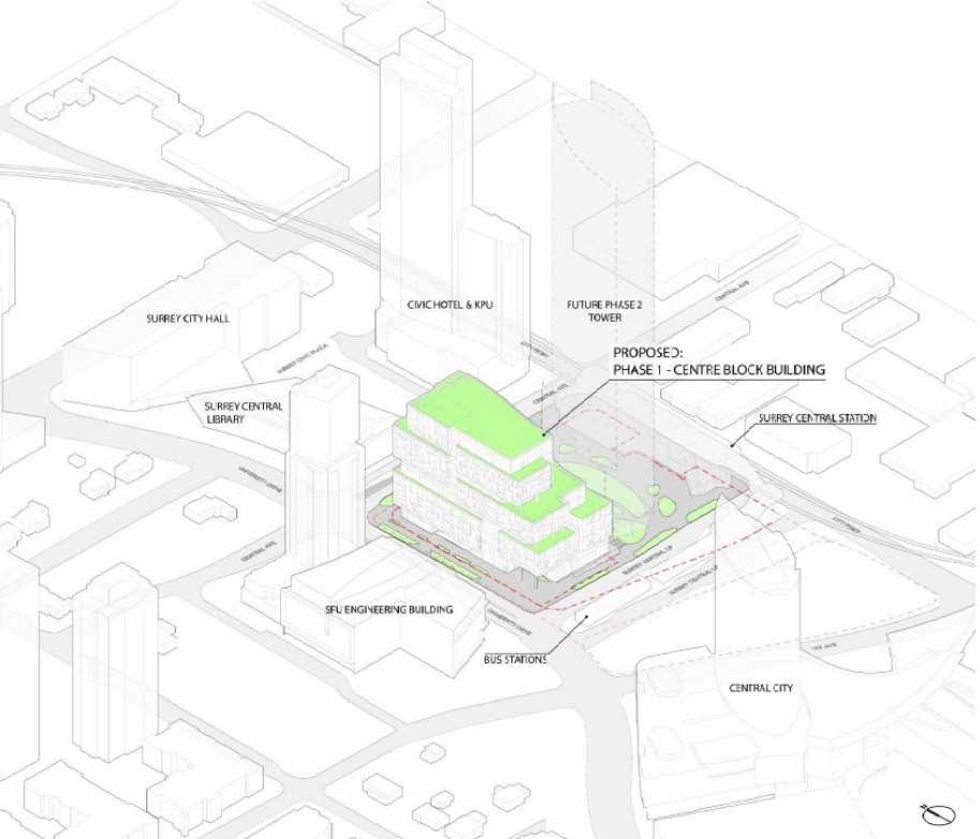 Centre Block and its surrounding context. (Stantec-Revery, SCDC)
 The 12-storey Phase One of Centre Block. (Stantec-Revery, SCDC)
 The 12-storey Phase One of Centre Block. (Stantec-Revery, SCDC)
 Mondria One, set for 1607 King Street East in Clarington, Ontario. (ICON Architects Inc., Monde Development Group)