Lender Guidelines
Explore lender guidelines in Canadian real estate, how they shape mortgage approvals, what rules apply, and how buyers can meet them.

May 22, 2025
What are Lender Guidelines?
Lender guidelines are the rules and criteria that financial institutions follow when assessing mortgage applications and approving borrowers.
Why Lender Guidelines Matter in Real Estate
In Canadian real estate, every lender—whether a bank, credit union, or private firm—follows internal and regulatory standards when issuing mortgages.
Typical lender guidelines include:- Credit score minimums
- Debt service ratio limits (GDS/TDS)
- Minimum down payment
- Income verification and employment stability
- Stress test compliance
Example of Lender Guidelines in Action
A buyer with a 42% TDS is denied a mortgage by one lender but approved by another with more flexible guidelines for self-employed applicants.
Key Takeaways
- Defines criteria for mortgage approval.
- Includes income, credit, and debt requirements.
- Varies by lender and mortgage type.
- Helps ensure responsible borrowing.
- Key for preparation and application success.
Related Terms
- Debt Service Ratios
- Pre-Approval
- Mortgage Qualification
- Stress Test
- Down Payment

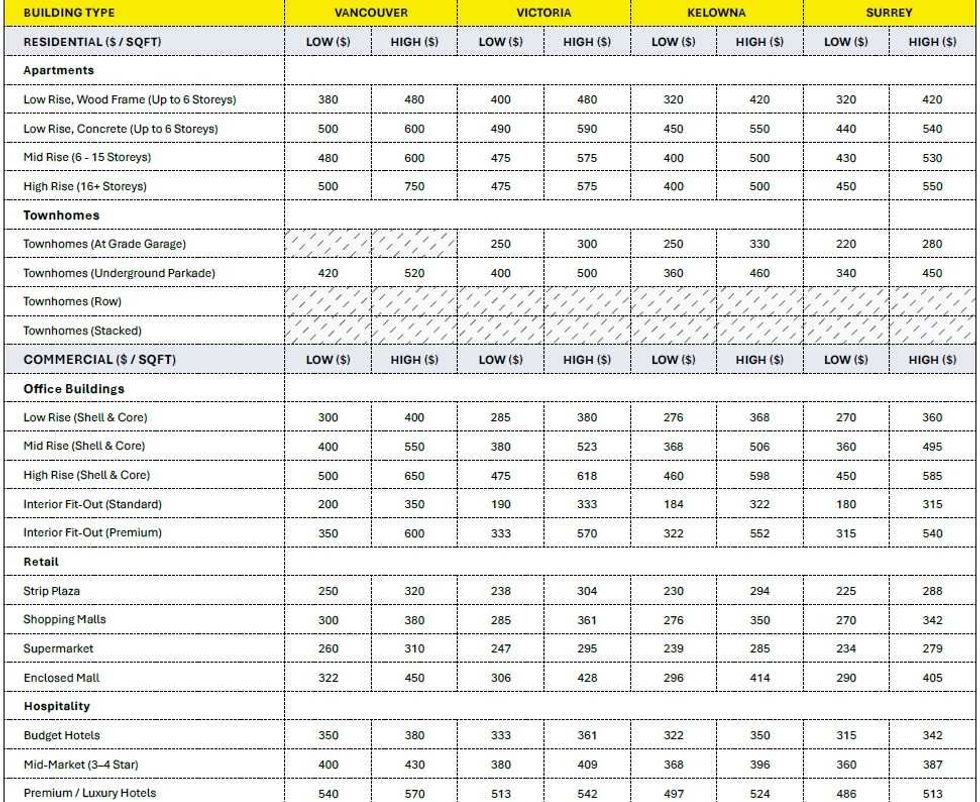 Construction cost ranges for British Columbia. (BTY Group)
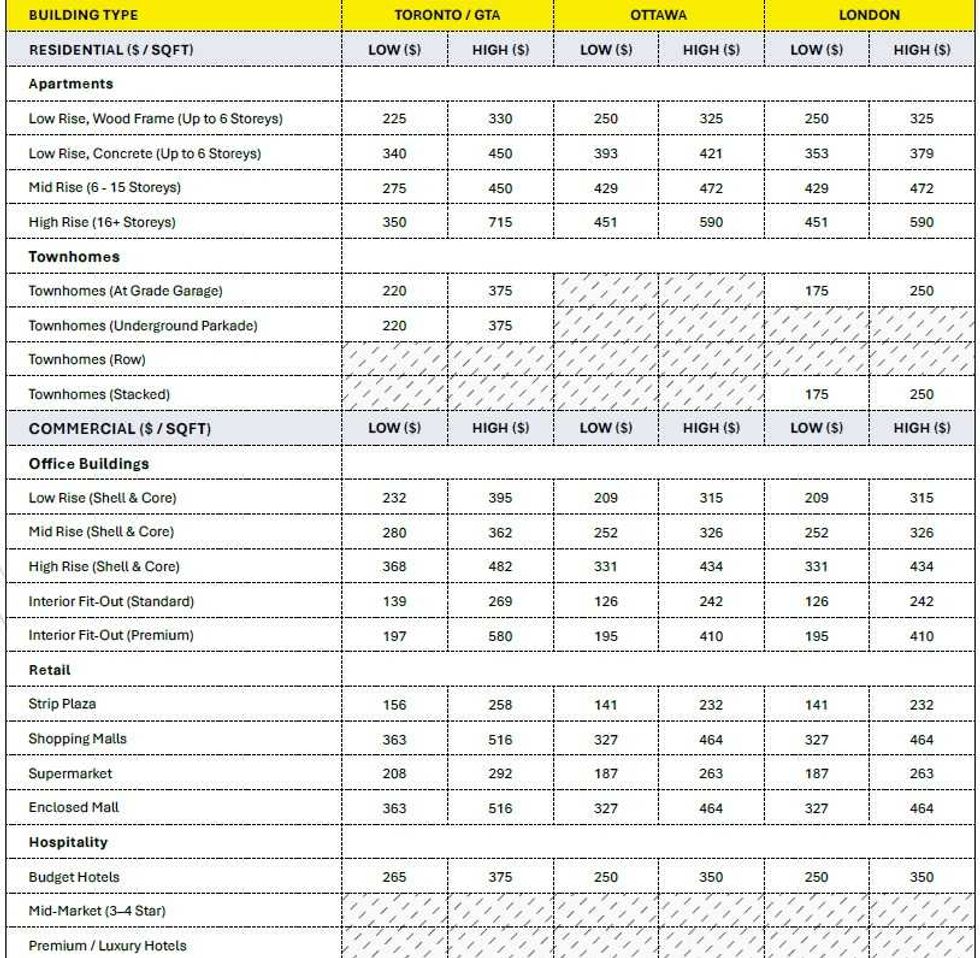 Construction cost ranges for Ontario. (BTY Group)
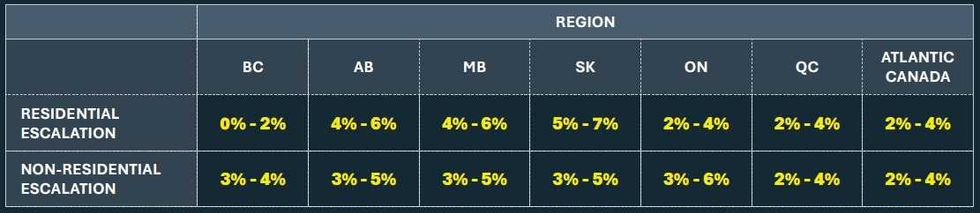 Construction cost escalation projections by region. (BTY Group)








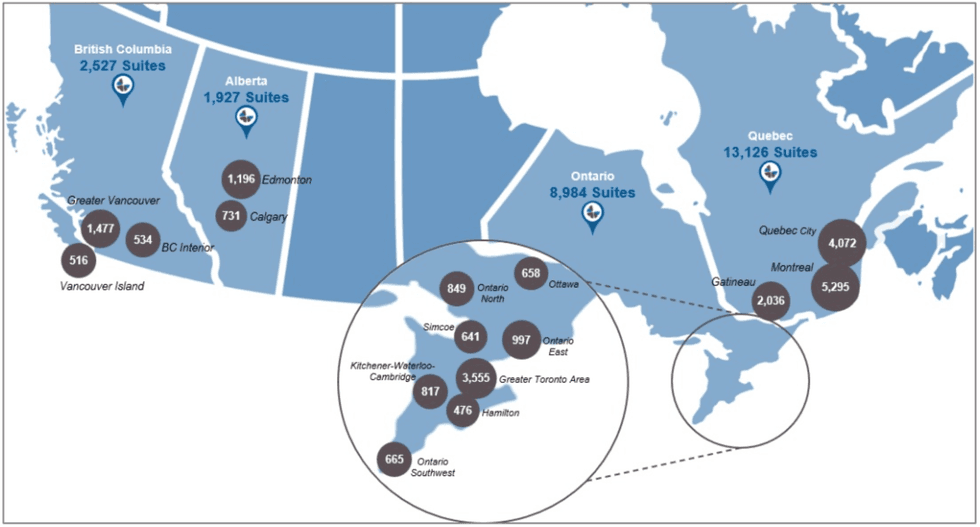 Chartwell’s portfolio as of December 31, 2025. (Chartwell Retirement Residences)

 The Marine Terrace apartments at 605 SE Marine Drive. (MCMP Architects, Peterson)
 An overview of the 605 SE Marine Drive proposal and uses. (MCMP Architects, Peterson)
 A rendering of the 605 SE Marine Drive proposal from the corner of SE Marine Drive and Fraser Street. (MCMP Architects, Peterson)
 Renderings of the proposal for 605 SE Marine Drive in Vancouver. (MCMP Architects, Peterson)





 Manuela Preis/Instagram