Lease Option
Learn how lease options work in Canadian rent-to-own agreements, how they benefit tenants and sellers, and what terms are critical to review.

May 22, 2025
What is a Lease Option?
A lease option is a contractual agreement that allows a tenant to lease a property with the option—but not the obligation—to purchase it at a later date under specified terms.
Why Lease Options Matter in Real Estate
In Canadian real estate, lease options are often used in rent-to-own arrangements. They give tenants time to improve finances or credit before committing to a purchase. Lease options typically include:- Fixed monthly rent and option-to-purchase terms
- A set purchase price (or formula) for future sale
- Option fee paid upfront (credited if the purchase is completed)
- Defined deadline to exercise the option
- Tenants secure future purchase terms while building stability
- Sellers earn rental income and may sell at pre-agreed terms
However, if the tenant does not exercise the option, the fee may be non-refundable. It’s critical that lease options be reviewed by legal professionals to protect against unfair or vague terms.
Understanding lease options helps aspiring homeowners access the market while allowing sellers to maintain flexibility and potential profit.
Example of a Lease Option
A tenant enters into a lease option agreement for two years, paying $2,200/month and a $10,000 option fee. They have the right to purchase the home for $475,000 anytime within the lease period.
Key Takeaways
- Grants tenant right—but not obligation—to buy.
- Common in rent-to-own real estate.
- Includes option fee and purchase terms.
- Offers flexibility and financial preparation time.
- Requires legal clarity and review.
Related Terms
- Rent-to-Own Agreement
- Option to Purchase
- Lease Agreement
- Down Payment
- Conditional Offer
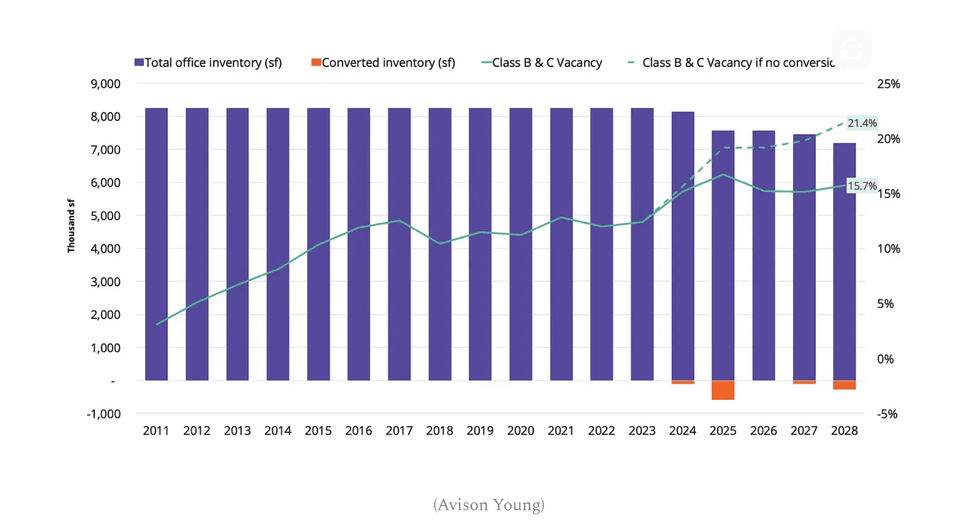 (Avison Young)
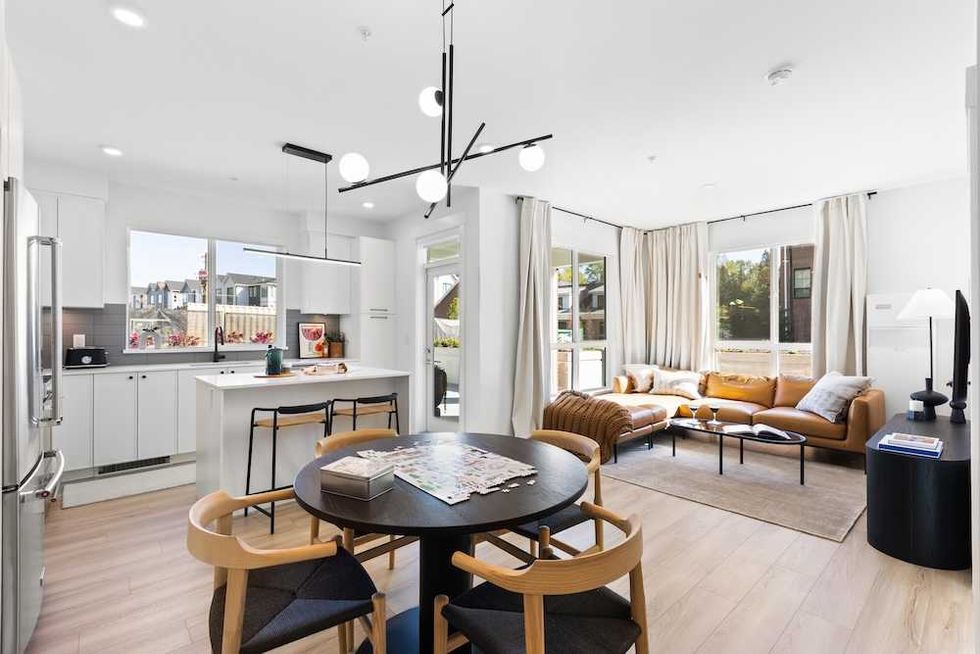 The Mason Suite Interior (Infinity Properties)
 The Mason Suite Interior (Infinity Properties)
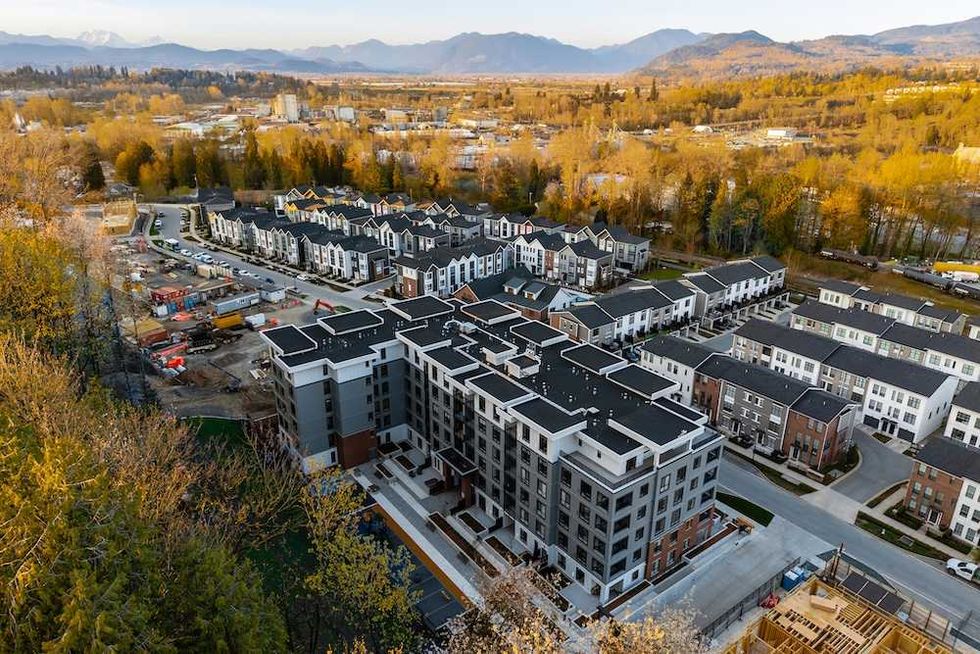 Rail District aerial (Infinity Properties)
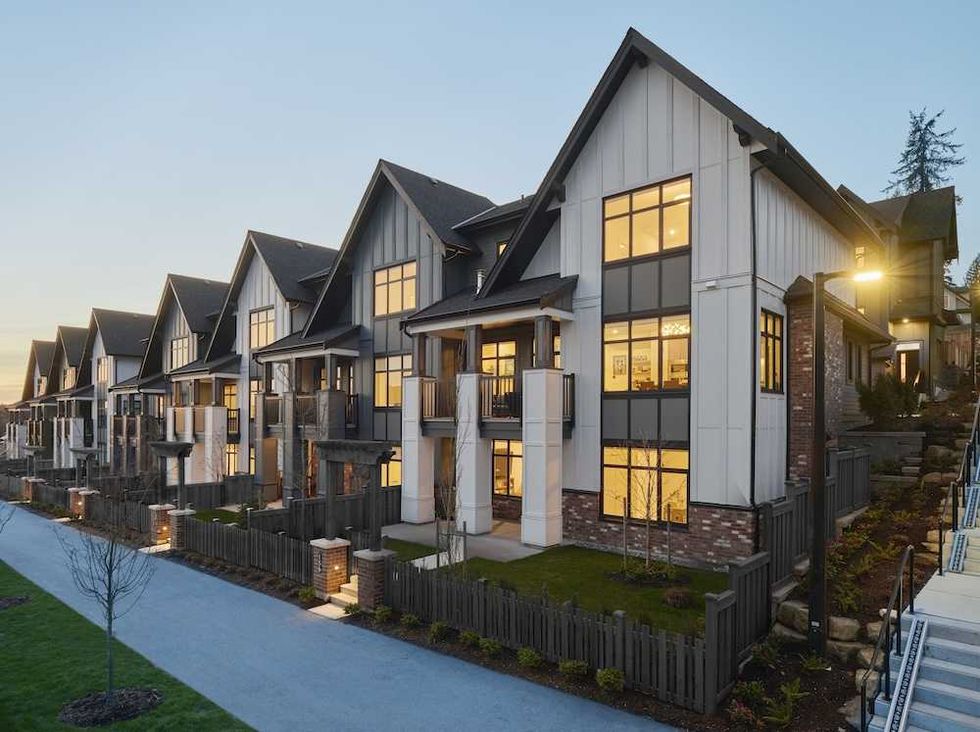 Versant (Infinity Properties)

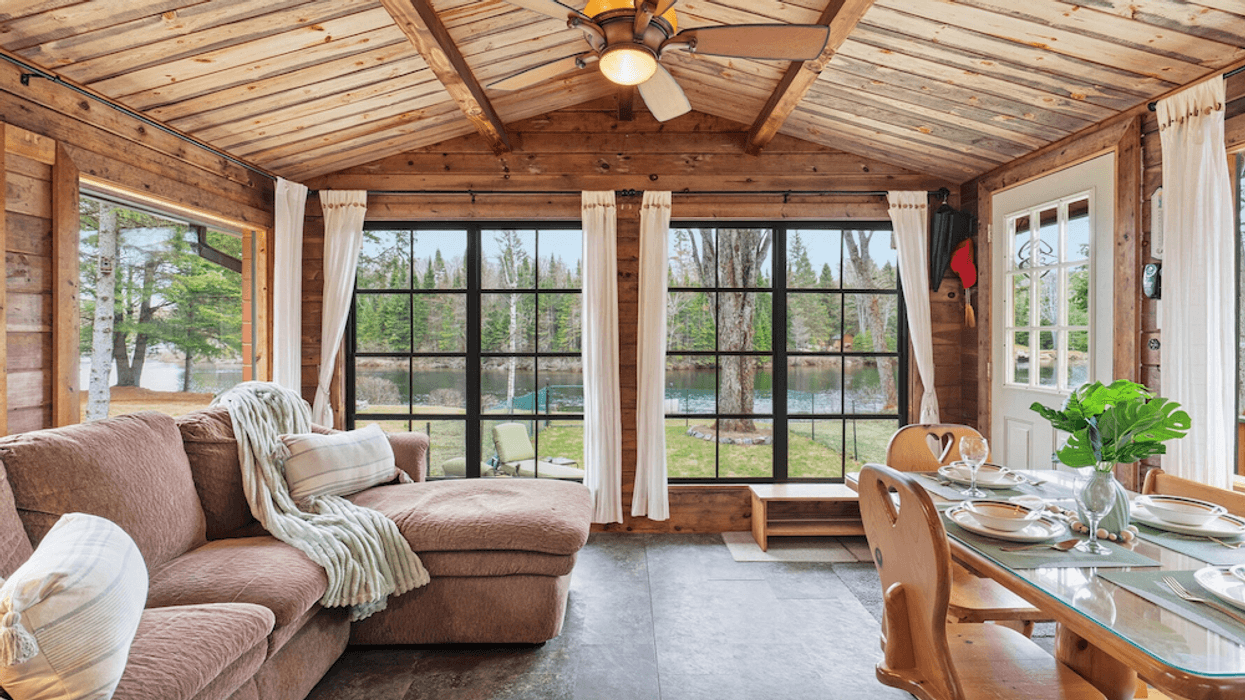





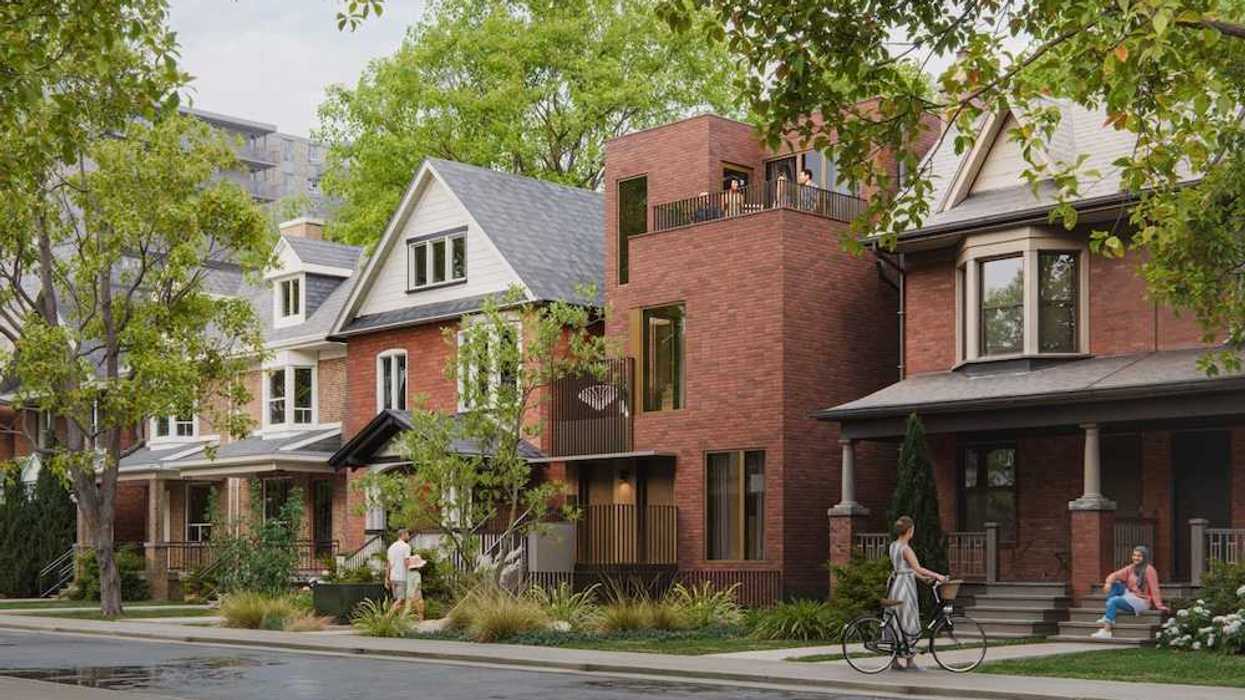
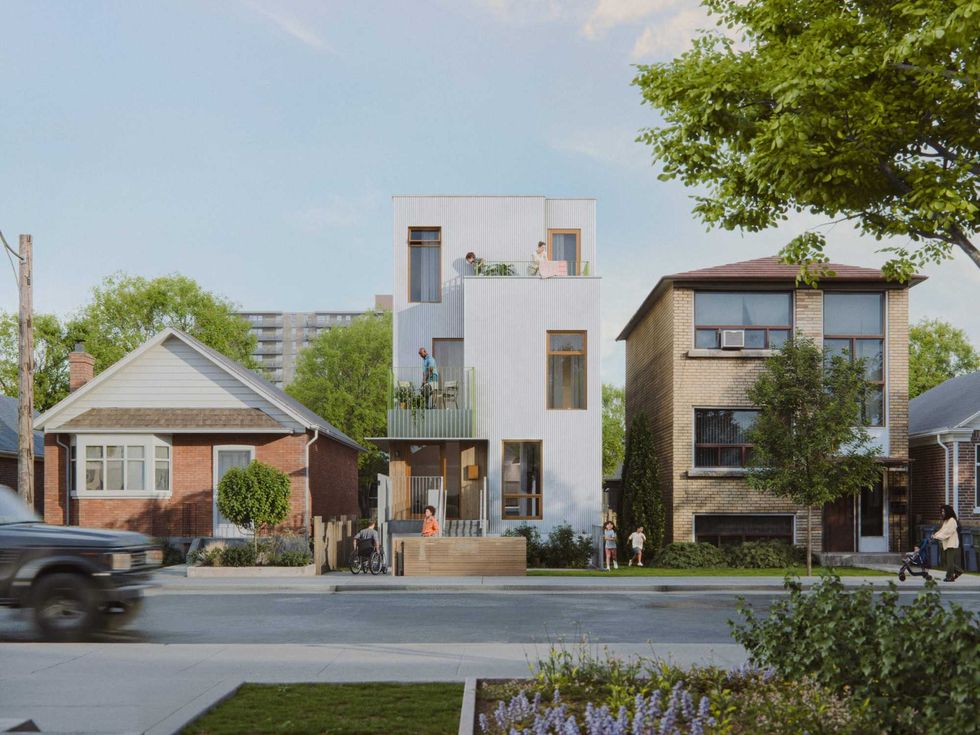 Narrow Fourplex (City of Toronto)
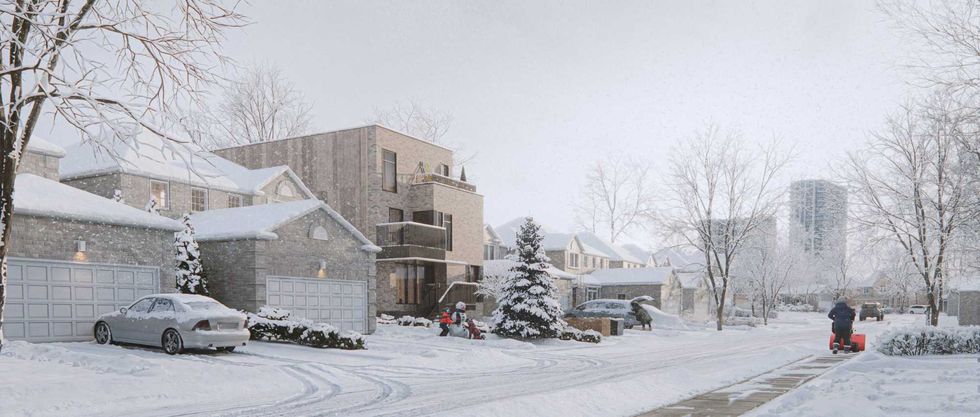 Wide Sixplex - Side View (City of Toronto)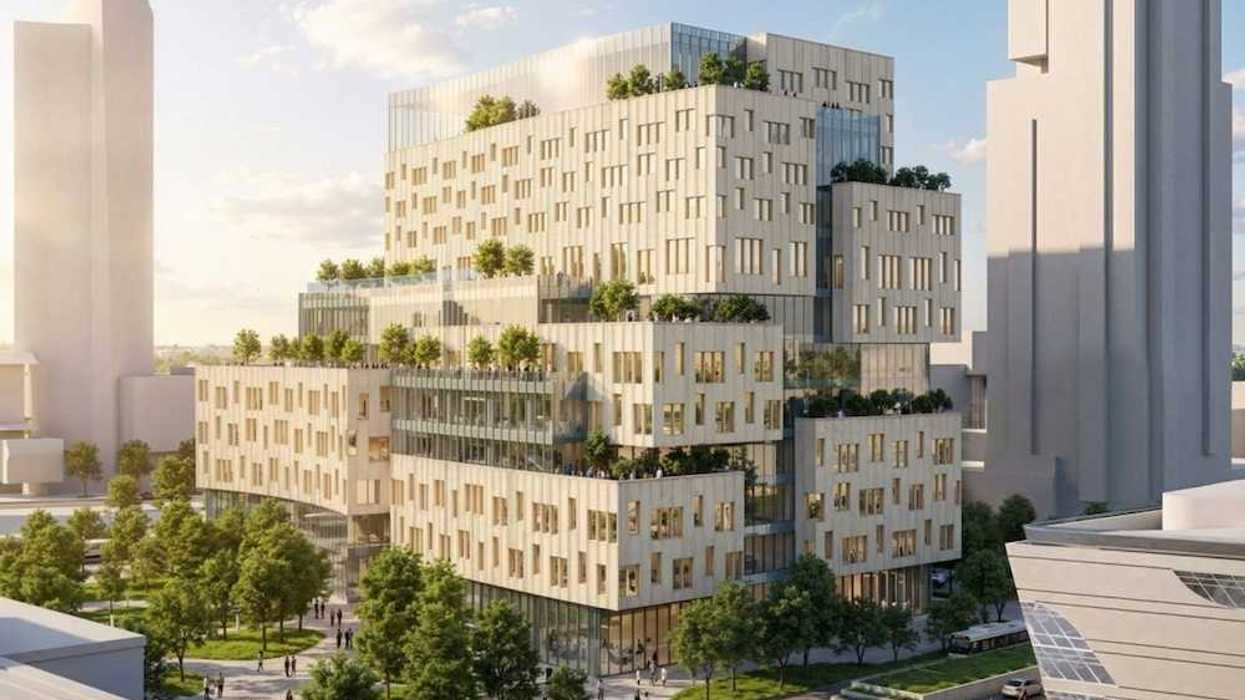
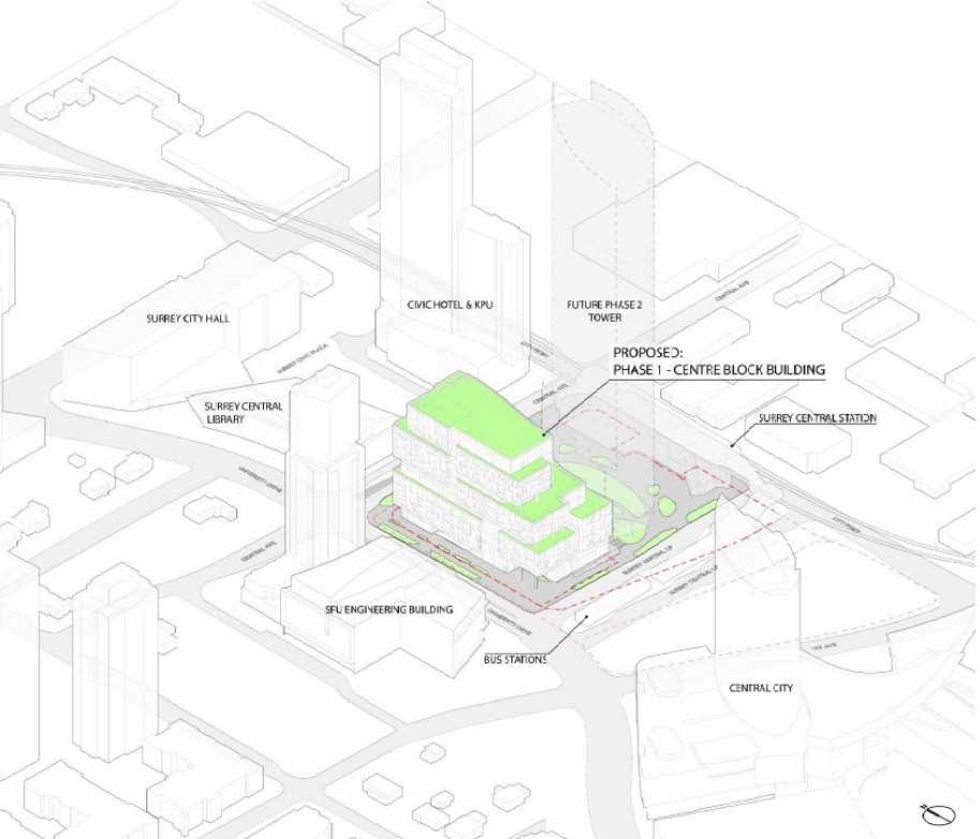 Centre Block and its surrounding context. (Stantec-Revery, SCDC)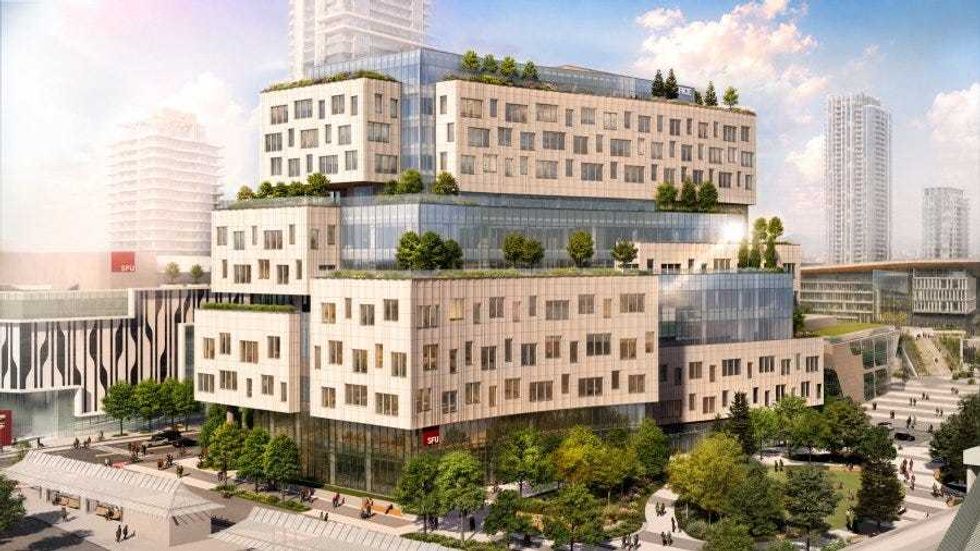
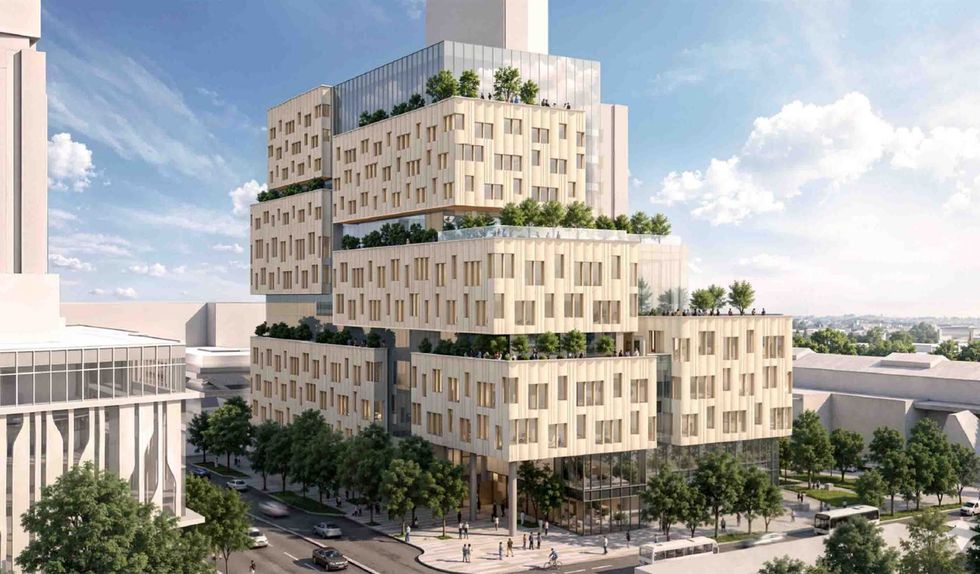 The 12-storey Phase One of Centre Block. (Stantec-Revery, SCDC)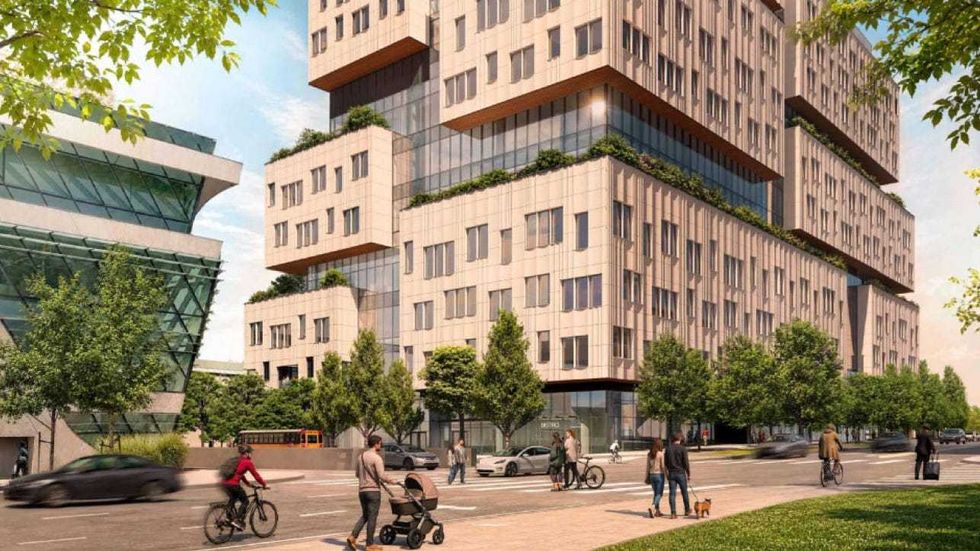
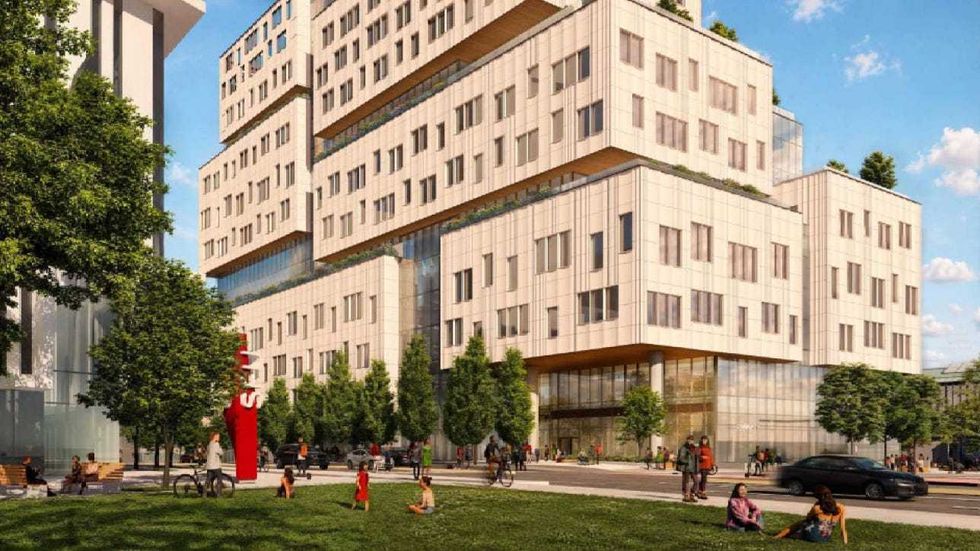 The 12-storey Phase One of Centre Block. (Stantec-Revery, SCDC)
 Mondria One, set for 1607 King Street East in Clarington, Ontario. (ICON Architects Inc., Monde Development Group)