Lease Expiration Management
Lease expiration management is the planning of lease end dates to reduce vacancy risk, support tenant retention, and protect property cash flow.

September 30, 2025
What is Lease Expiration Management?
Lease expiration management is the strategic handling of upcoming lease end dates to minimize vacancy risk and optimize tenant mix. It includes early negotiations, renewal planning, and coordination of capital improvements or marketing efforts.
Why Lease Expiration Management Matters in Real Estate
Lease expiration management matters because poorly managed expirations can cause sudden income loss and disrupt property cash flows. By staggering lease terms and proactively engaging tenants, landlords maintain stability and reduce turnover costs. Investors also evaluate lease expiration schedules when assessing risk in property acquisitions.
Example of Lease Expiration Management in Action
A landlord reviews all leases expiring in the next 24 months and offers early renewal incentives to anchor tenants, reducing the risk of simultaneous vacancies.
Key Takeaways
- Lease expiration management reduces vacancy risk.
- Staggering expirations protects income stability.
- Supports proactive tenant retention strategies.
- Key to investment risk analysis.
- Enhances property valuation and financing terms.
Related Terms
- Tenant Retention
- Staggered Maturities
- Backfill Strategy
- Renewal Option
- Market Survey
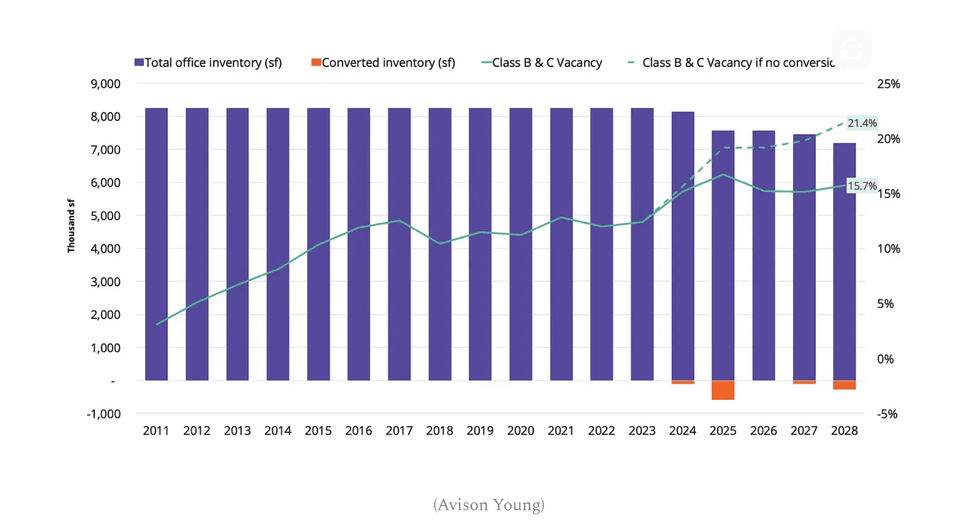 (Avison Young)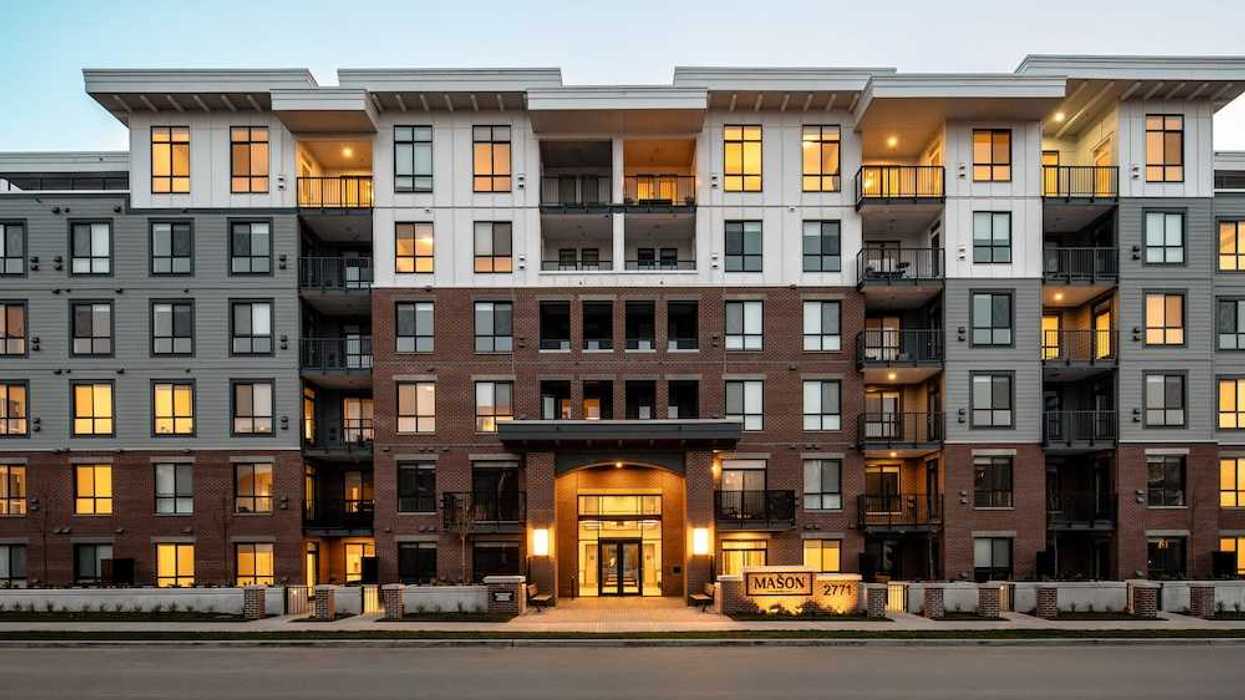
 The Mason Suite Interior (Infinity Properties)
 The Mason Suite Interior (Infinity Properties)
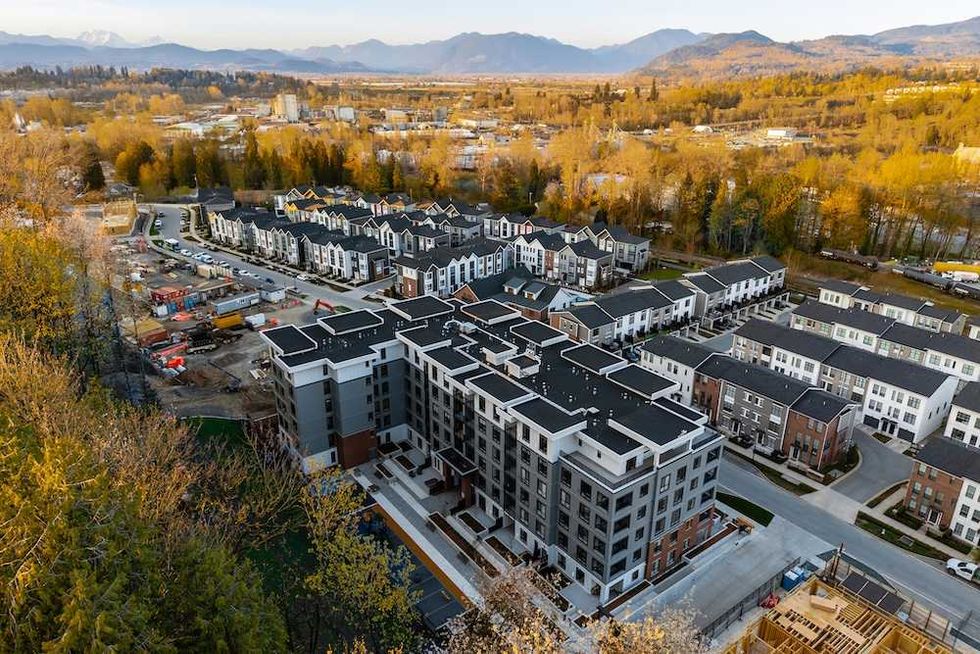 Rail District aerial (Infinity Properties)
 Versant (Infinity Properties)








 Narrow Fourplex (City of Toronto)
 Wide Sixplex - Side View (City of Toronto)
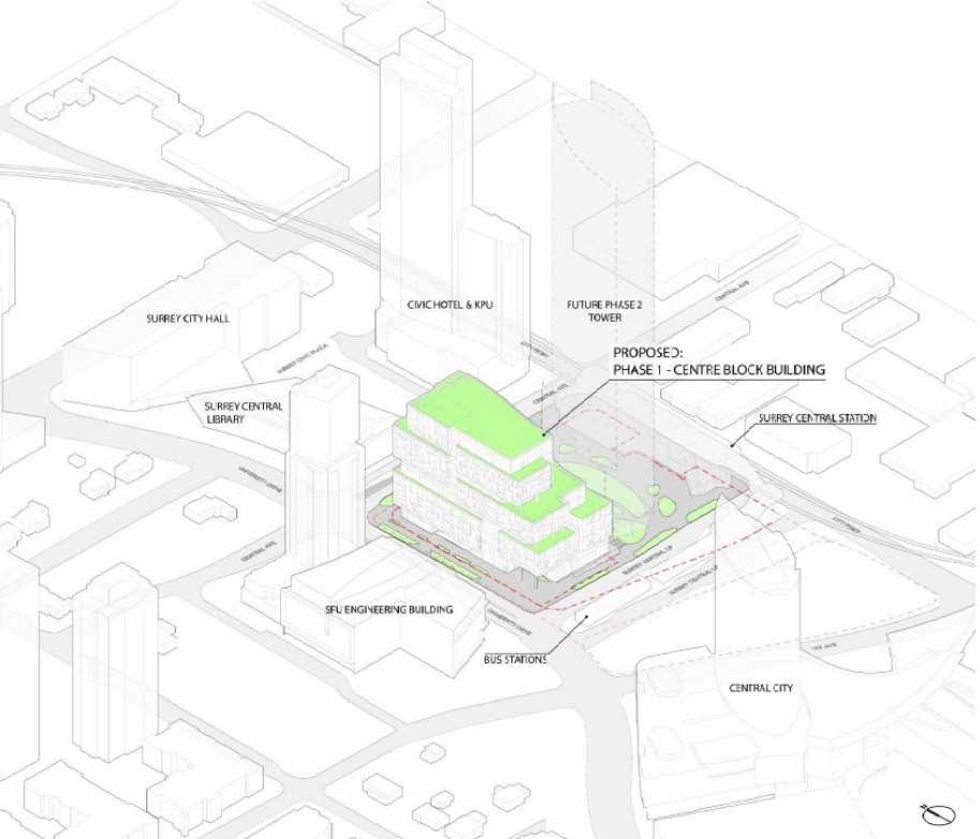 Centre Block and its surrounding context. (Stantec-Revery, SCDC)
 The 12-storey Phase One of Centre Block. (Stantec-Revery, SCDC)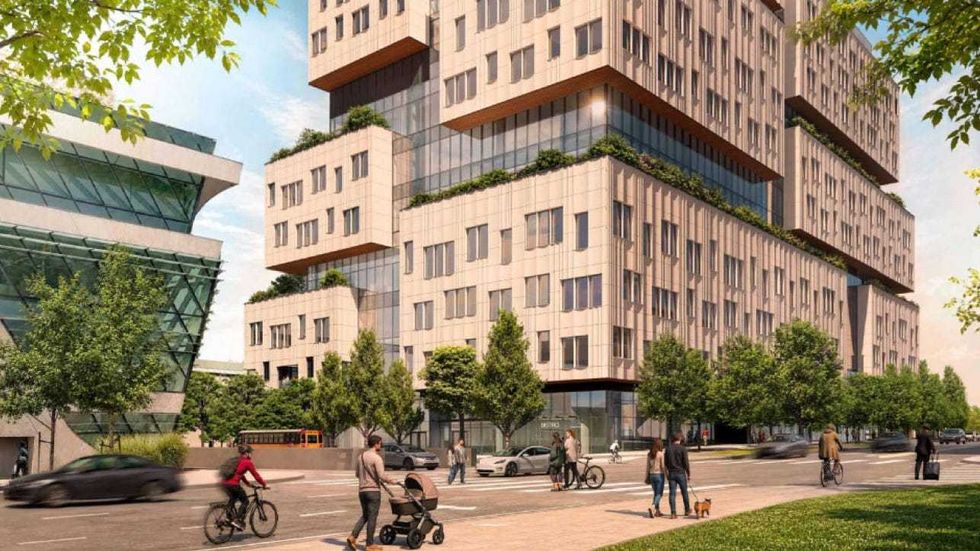
 The 12-storey Phase One of Centre Block. (Stantec-Revery, SCDC)
 Mondria One, set for 1607 King Street East in Clarington, Ontario. (ICON Architects Inc., Monde Development Group)