Joint Venture
Understand joint ventures in Canadian real estate — what they are, how they work, and why they’re used in development.

July 29, 2025
What is a Joint Venture?
A joint venture in real estate is a partnership between two or more parties to develop, own, or operate a property or project, sharing risks, costs, and returns.
Why Joint Ventures Matter in Real Estate
In Canadian real estate, joint ventures allow entities to pool resources, access larger projects, and leverage complementary expertise.
Key features:
- Defined by contract
- Shared decision-making and profits
- Flexible structure (corporate, partnership, trust)
Joint ventures are common in large-scale development, commercial investment, and redevelopment projects.
Example of a Joint Venture in Action
The developer and pension fund formed a joint venture to build a mixed-use community on 50 acres of urban land.
Key Takeaways
- Partnership for real estate projects
- Shares risks, costs, and profits
- Used for large or complex deals
- Defined by detailed agreement
- Leverages strengths of partners

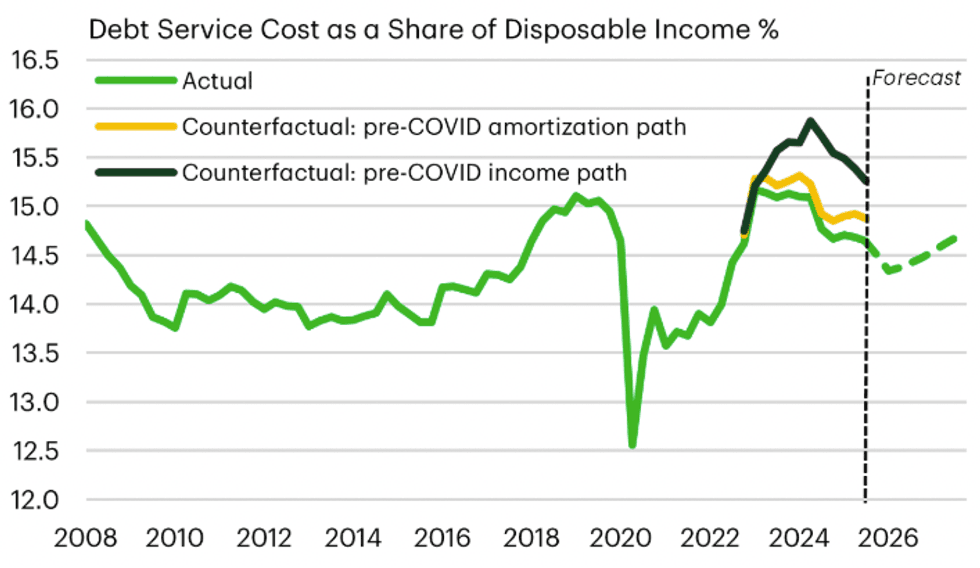 Income growth and longer amortizations are blunting mortgage shock/Statistics Canada, TD Economics
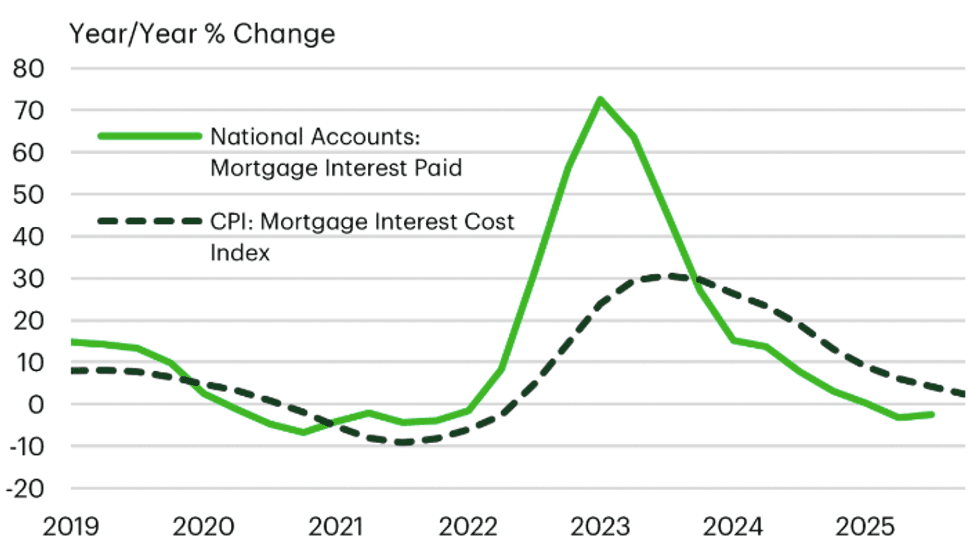 Canada's mortgage interest cost index is nearing deflation/Statistics Canada, TD Economics
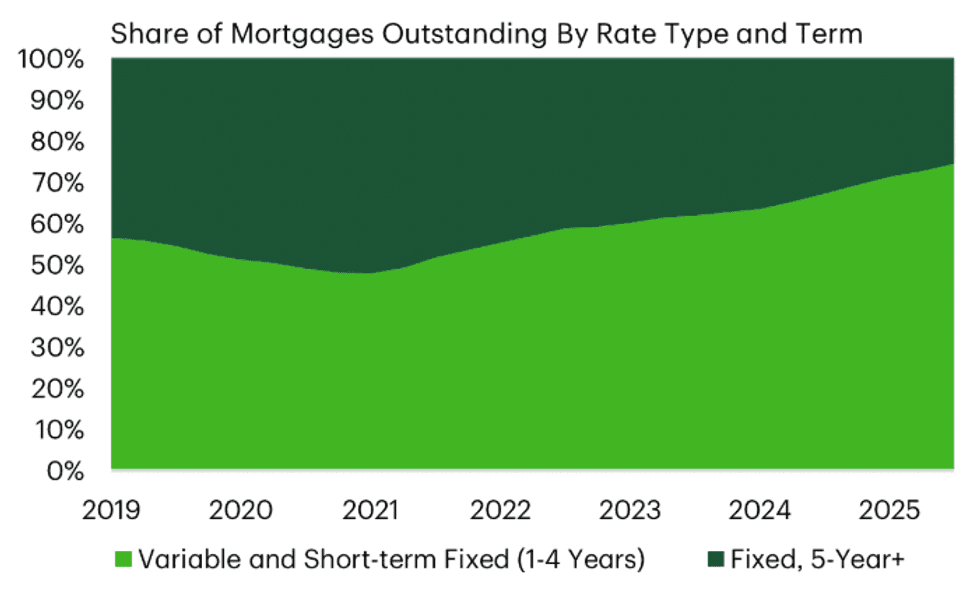 Canada's mortgage stock is more rate-sensitive today/Bank of Canada, TD Economics
 Manuela Preis/Instagram










 Elevation renderings from February 2025/Giannone Petricone Associates
 Ground floor rendering from February 2025/Giannone Petricone Associates