Interim Closing
Learn what interim closing means in Canadian real estate, why it applies to new builds, and how buyers should prepare for this transitional phase.

May 22, 2025
What is Interim Closing?
Interim closing is a temporary stage in new construction purchases where the buyer takes possession of the property before full ownership is legally transferred.
Why Interim Closing Matters in Real Estate
In Canadian pre-construction real estate, especially condos, interim closing occurs when the unit is ready for occupancy but final registration of title hasn't happened yet.
During this period:- The buyer can move in.
- The builder retains legal ownership.
- The buyer pays an occupancy fee (not mortgage payments).
- Interest on the unpaid balance
- Estimated property taxes
- Maintenance fees (if applicable)
This stage can last several months depending on the building’s registration timeline. It doesn’t reduce the purchase price or count toward the mortgage principal.
Buyers should budget for interim occupancy costs and understand their rights and responsibilities. Legal review of the purchase agreement is strongly advised to avoid confusion during this phase.
Interim closing allows developers to manage occupancy in large projects while completing administrative requirements like land registration and condo board formation.
Example of Interim Closing
A condo buyer in Toronto moves into their unit in April but doesn’t receive title ownership until October due to interim closing. They pay monthly occupancy fees during that period.
Key Takeaways
Related Terms
- Interim Occupancy
- New Construction
- Occupancy Fee
- Condo Registration
- Closing Date
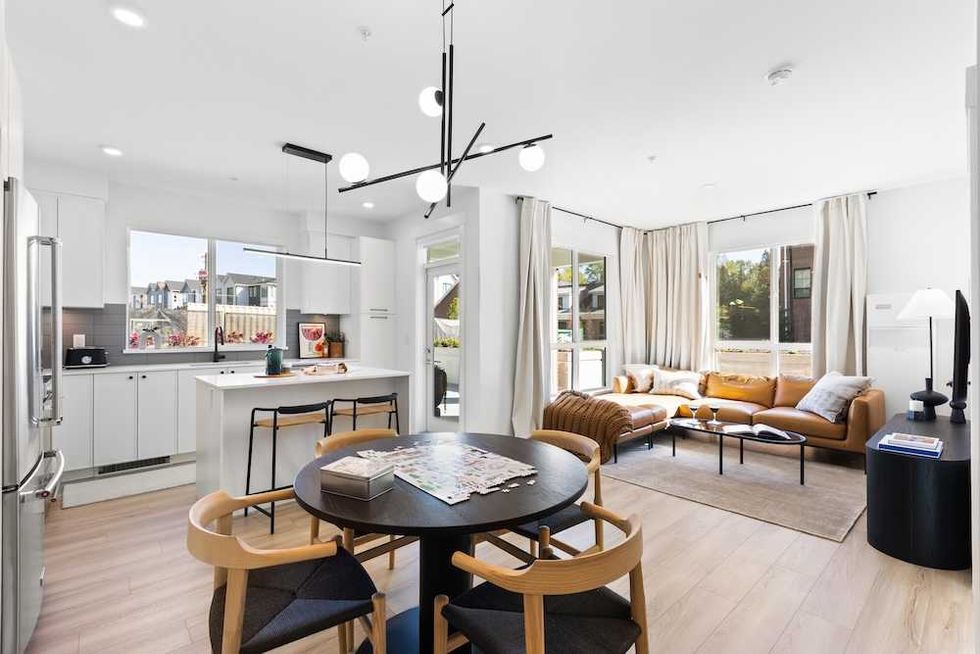 The Mason Suite Interior (Infinity Properties)
 The Mason Suite Interior (Infinity Properties)
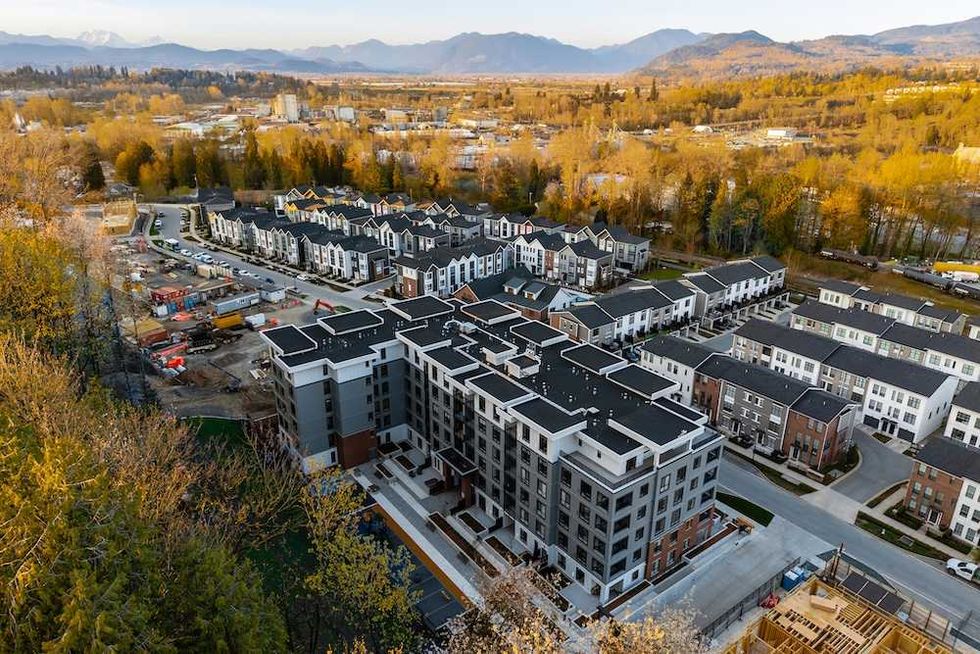 Rail District aerial (Infinity Properties)
 Versant (Infinity Properties)




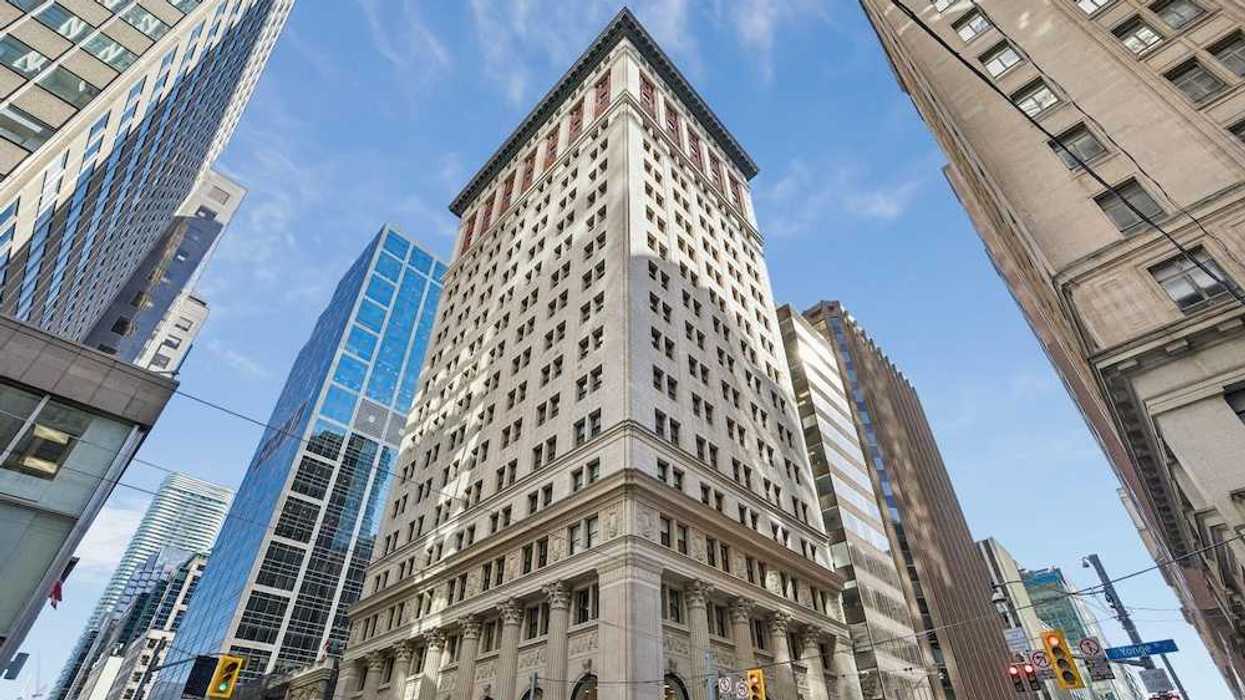
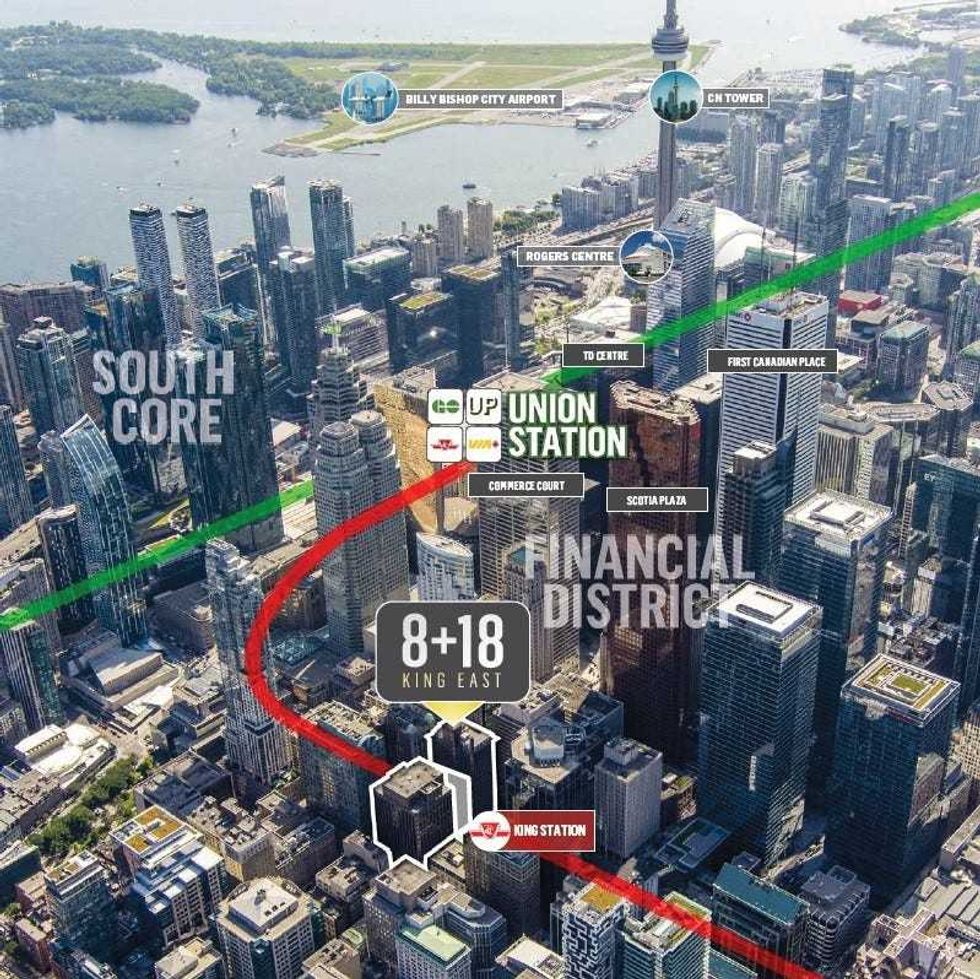 8 and 18 King Street East in Toronto. (RBC Capital Markets Realty)
 Interior photos of 8 and 18 King Street East. (RBC Capital Markets Realty)
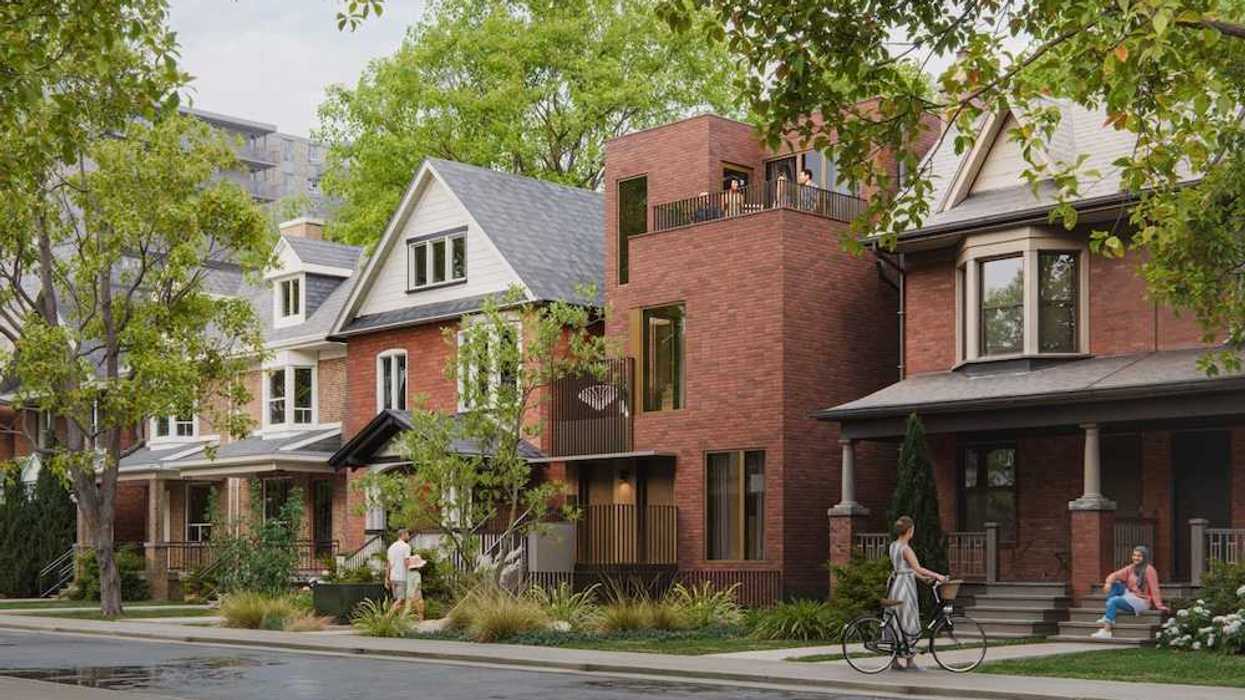
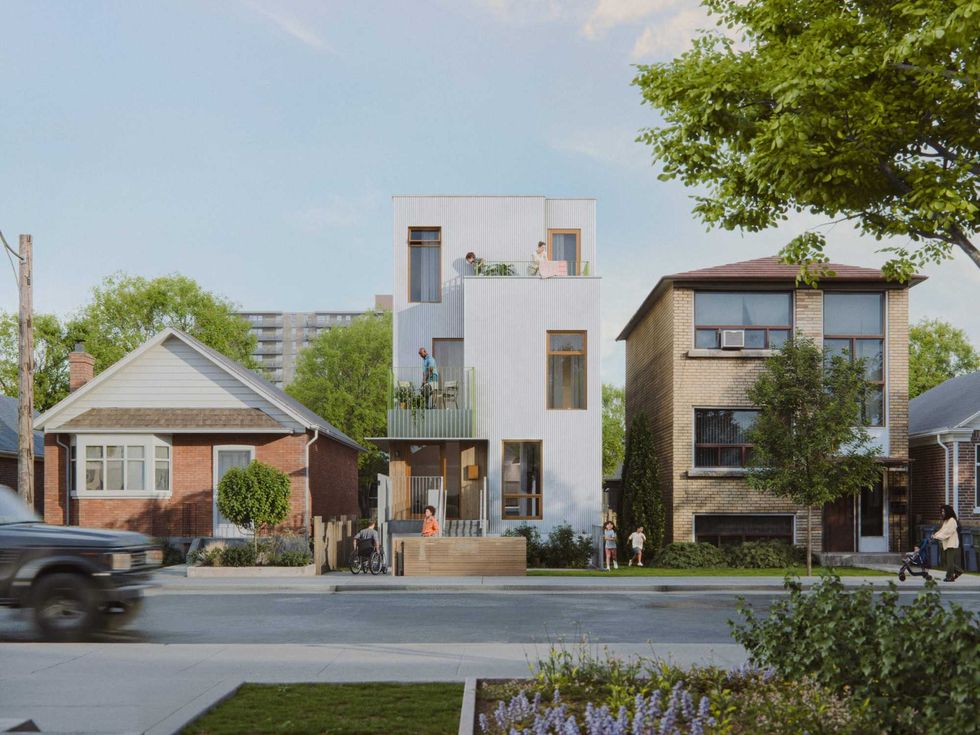 Narrow Fourplex (City of Toronto)
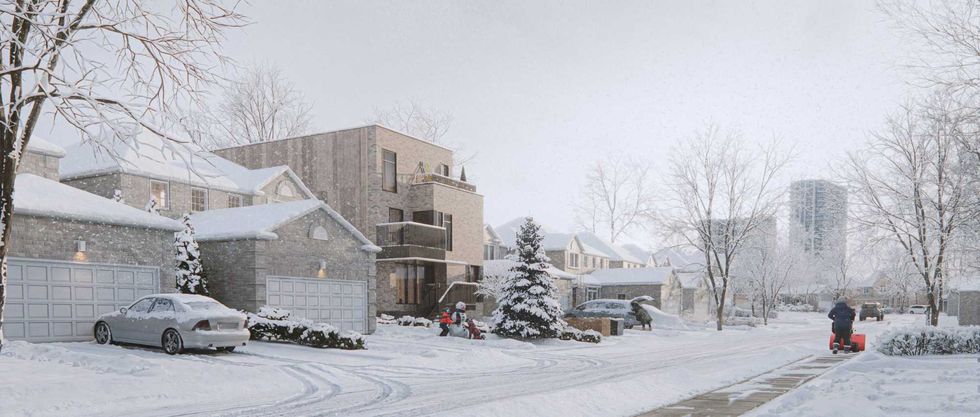 Wide Sixplex - Side View (City of Toronto)