Home Buyer's Plan (HBP)

Learn how Canada’s Home Buyer’s Plan (HBP) lets first-time buyers use RRSP funds for a down payment, and what rules apply to repayment and eligibility.
Home Buyer's Plan (HBP)

National Bank


What is the Home Buyer's Plan (HBP)?

The Home Buyer’s Plan (HBP) is a Canadian government program that allows first-time homebuyers to withdraw up to $35,000 from their RRSP tax-free to buy or build a qualifying home.

Why the Home Buyer's Plan (HBP) Matters in Real Estate

The HBP gives buyers early access to retirement savings for a down payment or other home-related expenses. The key advantage is that the withdrawal is not taxed as long as the amount is repaid to the RRSP over 15 years.


Eligibility criteria include:
  • Must be a first-time homebuyer (or not have owned a home in past 4 years)
  • Must have a written agreement to buy or build a home
  • Home must be intended as a principal residence

Buyers can withdraw up to $35,000 per person, or $70,000 for couples. The repayment schedule begins the second year after the withdrawal, with minimum annual repayments required.

Failing to repay the required annual portion results in the amount being taxed as income. The HBP helps reduce reliance on larger mortgages but requires disciplined financial planning.

It is often used alongside other programs like the First-Time Home Buyer Incentive for a more affordable entry into the housing market.

Example of a Home Buyer's Plan (HBP)?

A couple withdraws $70,000 total from their RRSPs through the HBP to cover their down payment. They begin repaying $4,667 annually two years later.

Key Takeaways

  • Withdraw up to $35,000 tax-free from RRSP.
  • Must repay over 15 years.
  • Designed for first-time buyers.
  • Helps reduce down payment burden.
  • Must meet eligibility and repayment conditions.

Related Terms

Additional Terms

Public Realm Improvements

Public realm improvements are enhancements to public spaces such as sidewalks, parks, plazas, and streetscapes, often funded or contributed by. more

Mortgagee in Possession

A mortgagee in possession is a lender who takes control of a property after borrower default, but before foreclosure or power of sale. The lender. more

Lease Surrender Agreement

A lease surrender agreement is a negotiated contract between a landlord and tenant that ends a lease before its scheduled expiration. Terms may. more

Green Infrastructure

Green infrastructure refers to natural or engineered systems that manage stormwater, reduce heat, and improve sustainability in developments.. more

Escrow Holdback

An escrow holdback is a portion of funds withheld at closing and held in escrow until specific conditions are met, such as completion of repairs,. more

Underused Housing Tax

The Underused Housing Tax (UHT) is a federal annual 1% tax on the value of vacant or underused residential property owned by non-resident,. more

More For You

Quaint Detached In Wychwood Is Like A Cottage In The City

319 Wychwood Avenue has a loft above a vaulted living room, organic berry beds in the backyard, perennial gardens out front, and a private driveway that fits three cars.

It's three minutes on foot from Cedarvale Ravine, and it's asking $989,000. At this point in the Toronto market, that combination shouldn't exist.

Keep ReadingShow less

This week, Rennie announced a new partnership with global boutique real estate brokerage The Agency, the latest effort by the Vancouver-based real estate services firm to expand its offerings and reach.

The partnership extends from pre-development consultation through final close. It’s similar to what Rennie offers, but on a much larger geographical scale thanks to The Agency’s 3,500 agents and 150 offices across 14 countries. Where The Agency has new projects, Rennie will get involved in those projects as well.

Keep ReadingShow less
Chartwell Pays $382.M For 30% Stake In Fengate's Seasons Senior Housing Portfolio

Seasons St. Catharines in Ontario. (Seasons Retirement Communities)

On May 7, Chartwell Retirement Residences (TSX: CSH.UN) entered into a definitive agreement to acquire a minority ownership stake in Seasons Retirement Communities through a new joint venture with Fengate Asset Management.

Chartwell will own a 30% stake in the joint venture, while Fengate — the existing owner acting on behalf of the LiUNA Pension Fund of Central and Eastern Canada — will own the remaining 70%.

Keep ReadingShow less
Wesgroup Revises Civic District Master Plan Project In Surrey To 1,900 Units

An updated rendering of Civic District. (Arcadis, Wesgroup Properties)

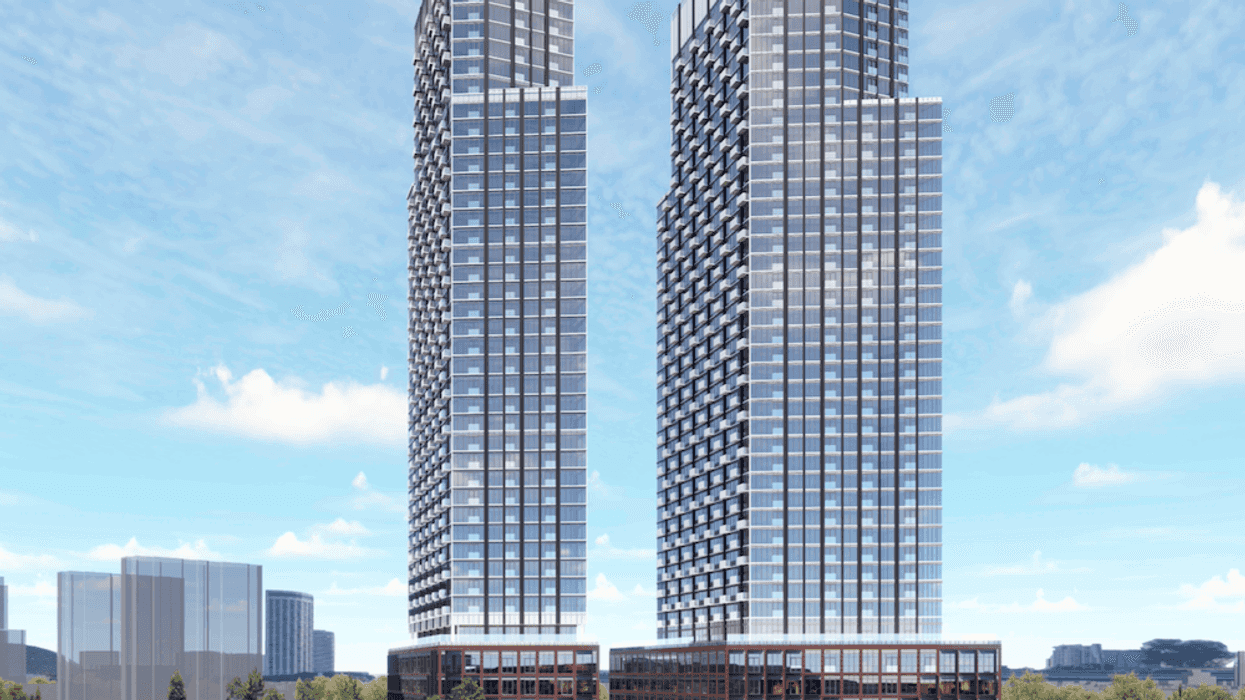
Prominent Vancouver-based developer Wesgroup Properties has submitted a new rezoning application for Civic District, their multi-phased master-planned communication in Surrey.

Civic District is set for 10355 King George Boulevard, a 5.1-acre site bounded by King George Boulevard on the east, Central Avenue on the south, City Parkway on the west, and 104 Avenue on the north.

Keep ReadingShow less

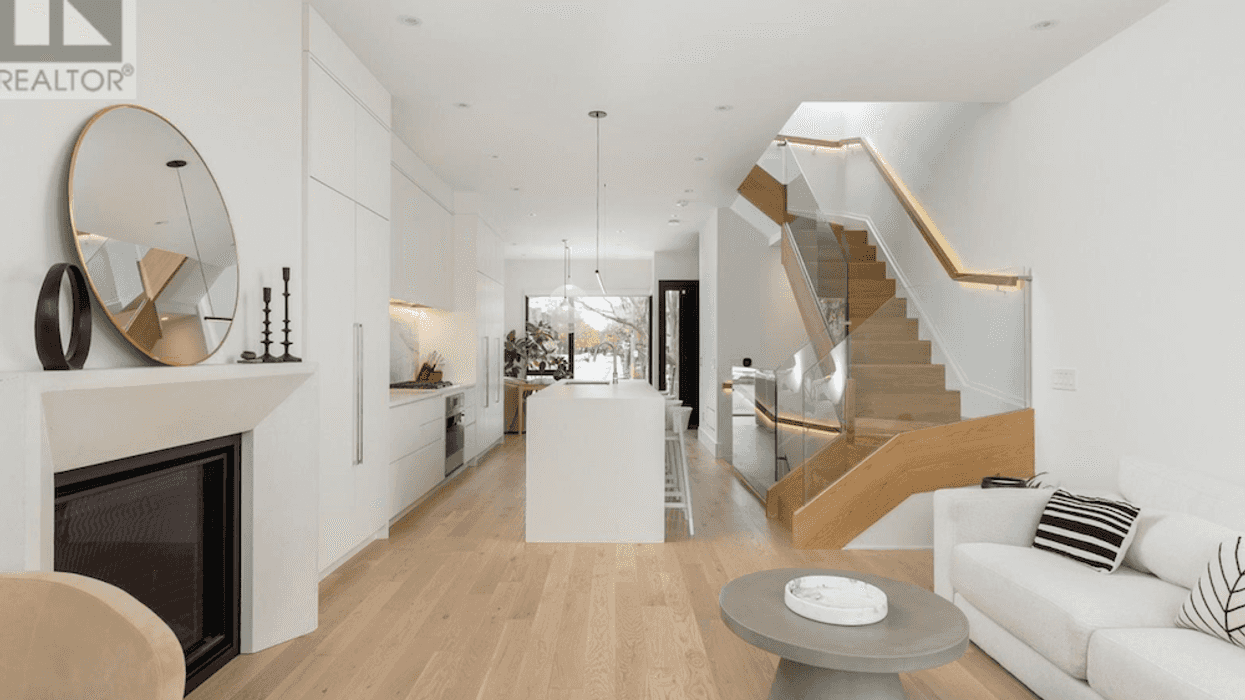
There's a version of the contemporary Toronto home that gets the aesthetic right but fumbles the livability.

305 Manning Avenue doesn't have that problem.

Keep ReadingShow less

There are Muskoka cottages, and then there are Muskoka cottages.

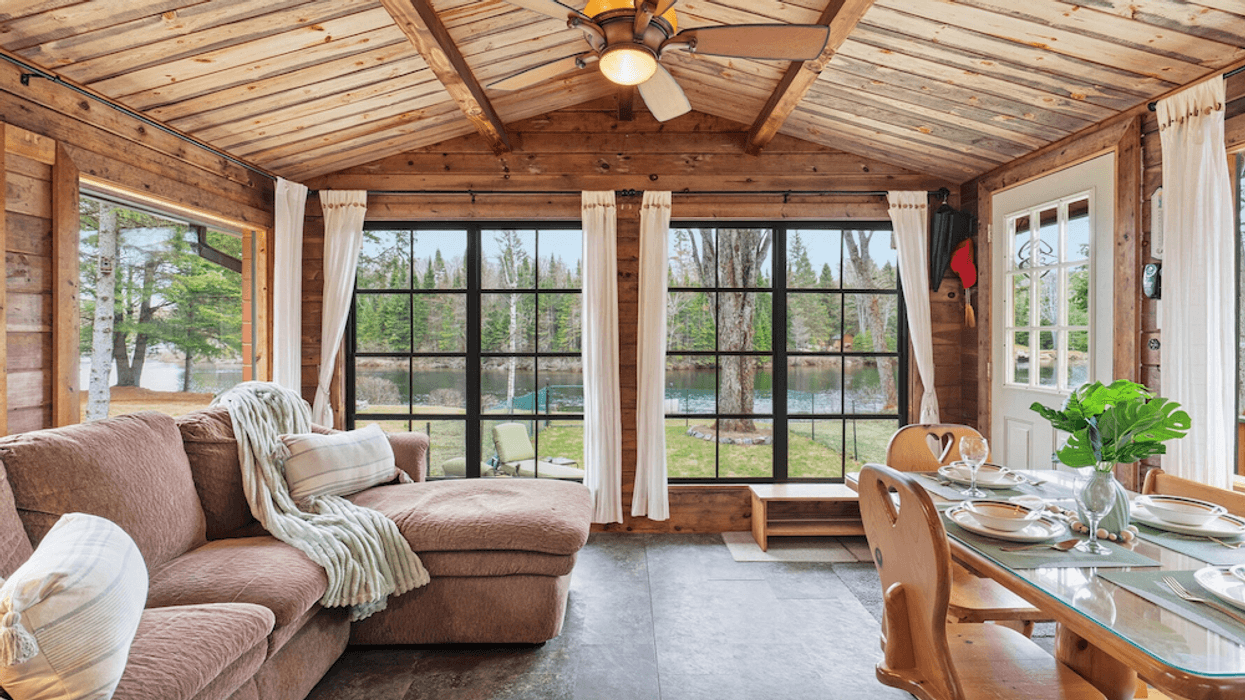
The cedar Panabode at 1041 Crockford Lane S. in Bracebridge is firmly the latter — a classic of the region, sitting at the end of a quiet road on over an acre of private waterfront, with 130+ feet of Muskoka River shoreline.

Keep ReadingShow less
GTA Home Sales Rose, New Listings Shrunk In April: TRREB

The GTA housing market logged a mixed April, with home sales rising 7% year-over-year as new listings pulled back — a combination that suggests tighter conditions are beginning to take hold this spring.

Average prices dipped again, but early signs of month-over-month stabilization may give fence-sitters something to think about.

Keep ReadingShow less
Ontario Doesn't Have A Land Problem, It Has A Policy Problem

Unsplash

For years, the conventional wisdom around housing affordability in Ontario has been built on a flawed premise: that land is scarce, and high prices are simply the inevitable result of too little space and too much demand.

But the evidence tells a different story.

Keep ReadingShow less