Highest and Best Use
Understand highest and best use in Canadian real estate — what it means, how it's determined, and why it’s key to property value and development.

June 27, 2025
What is Highest and Best Use?
Highest and best use refers to the reasonably probable use of a property that results in the highest value, provided it is legally permissible, physically possible, financially feasible, and maximally productive.
Why Highest and Best Use Matters in Real Estate
In Canadian real estate appraisal and development, highest and best use analysis guides property valuation, investment decisions, and development planning.
It involves assessing:
- Zoning and land use permissions
- Market demand and trends
- Physical characteristics of the site
- Financial feasibility of alternatives
Understanding highest and best use ensures properties are utilized or developed in ways that optimize their value.
Example of Highest and Best Use in Action
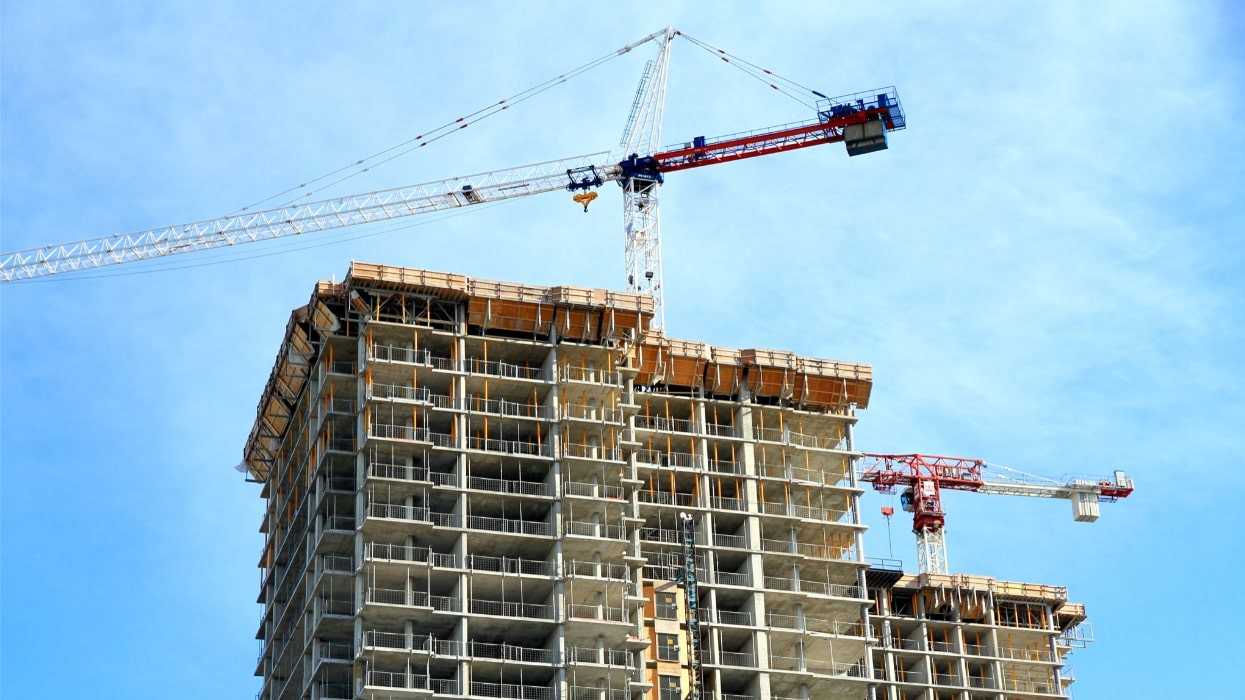
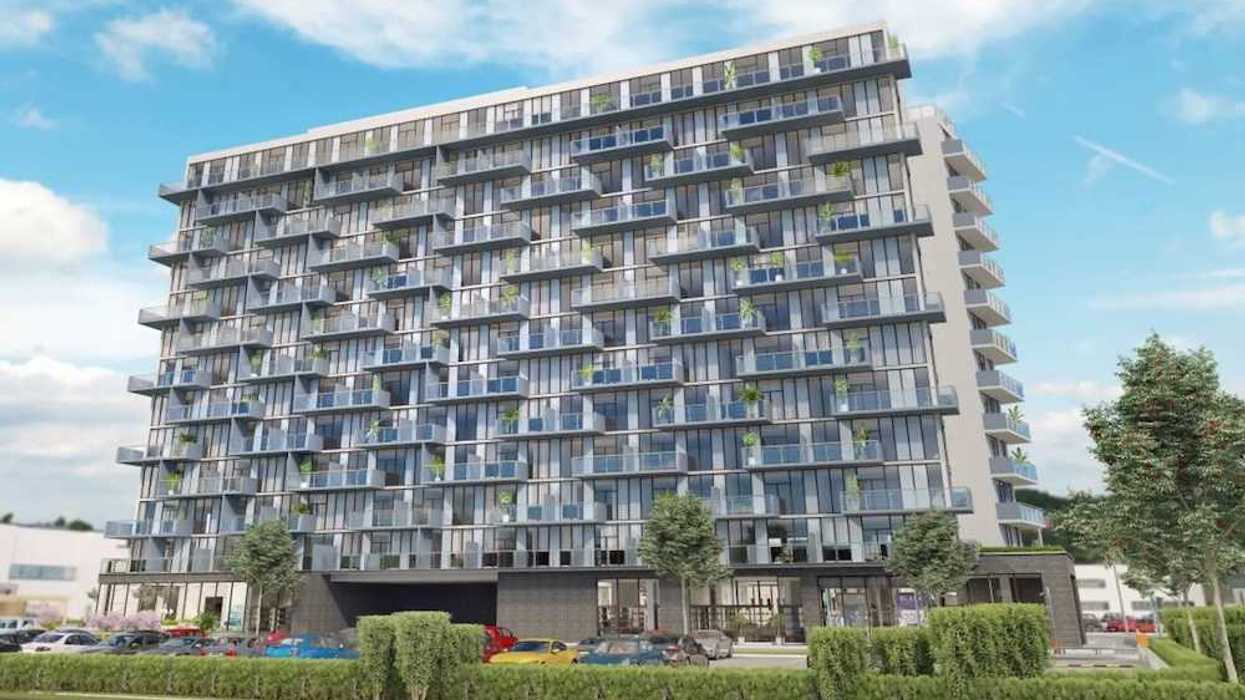
An appraiser determined that redevelopment for a mid-rise residential building represented the property's highest and best use given market demand and zoning.
Key Takeaways
- Identifies use that maximizes property value
- Must be legally, physically, and financially viable
- Guides appraisals and development plans
- Affects investment and planning approvals
- Essential in land and property valuation
Related Terms
- Market Value
- Zoning
- Urban Planning
- Land Value
- Development Potential
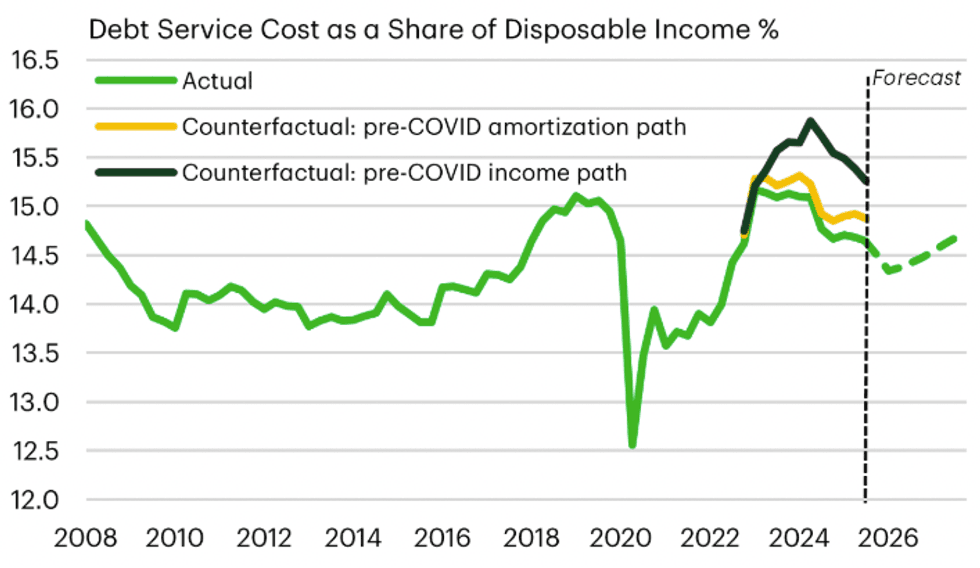 Income growth and longer amortizations are blunting mortgage shock/Statistics Canada, TD Economics
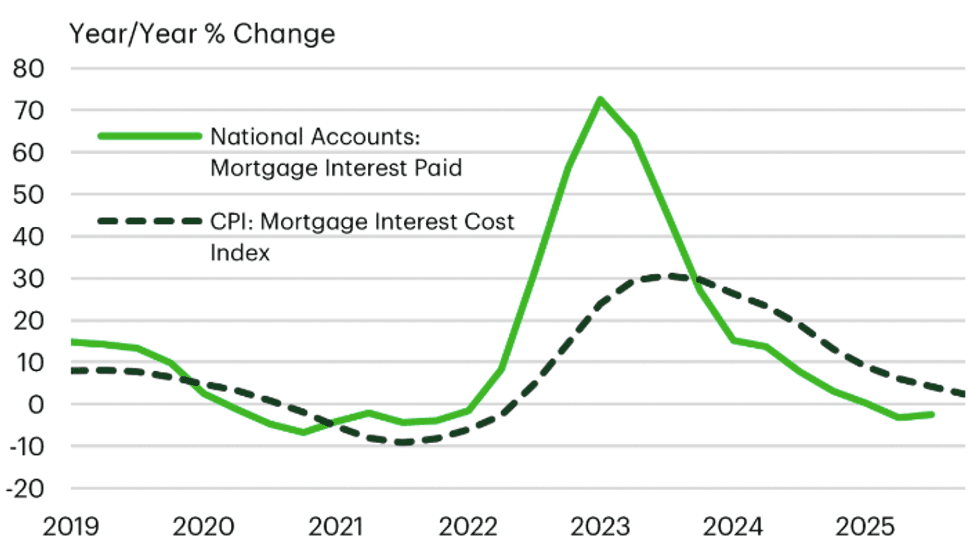 Canada's mortgage interest cost index is nearing deflation/Statistics Canada, TD Economics
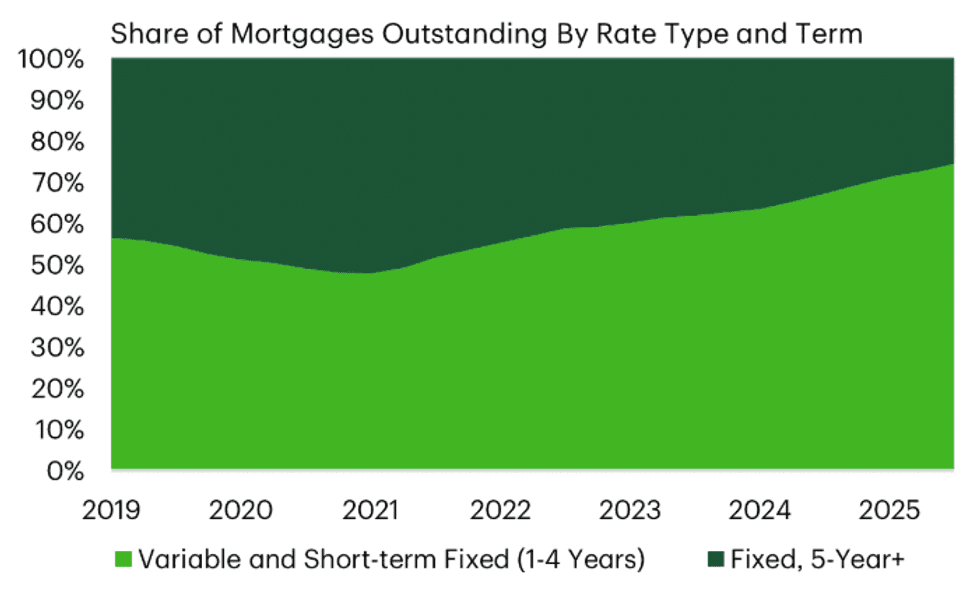 Canada's mortgage stock is more rate-sensitive today/Bank of Canada, TD Economics
 Manuela Preis/Instagram








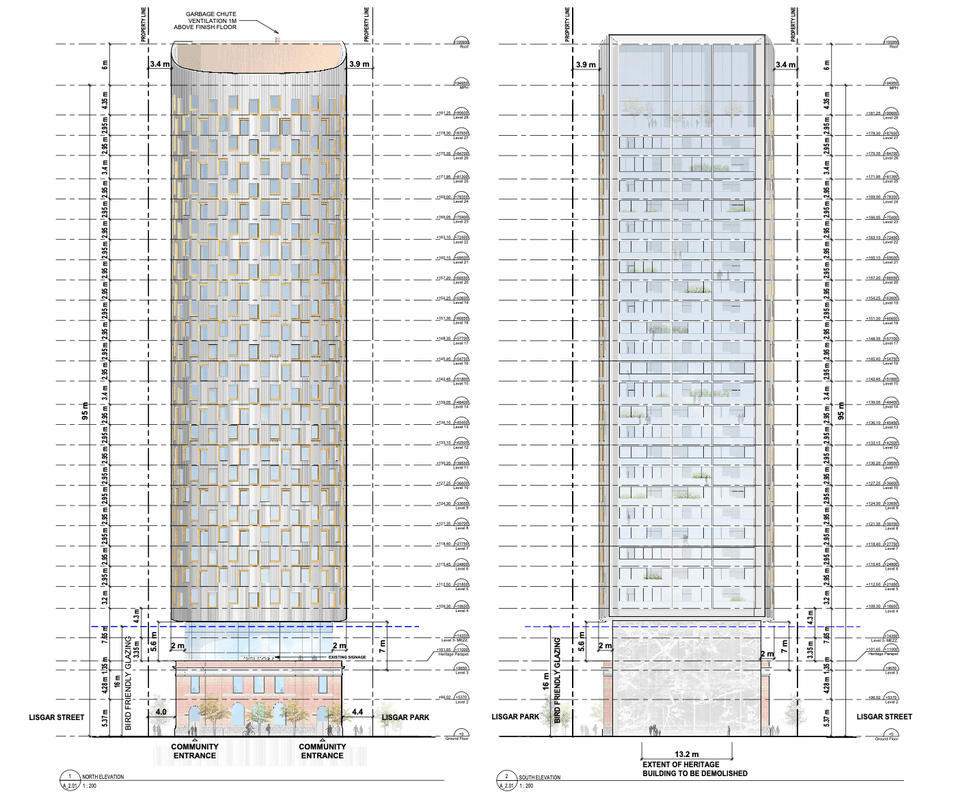 Elevation renderings from February 2025/Giannone Petricone Associates
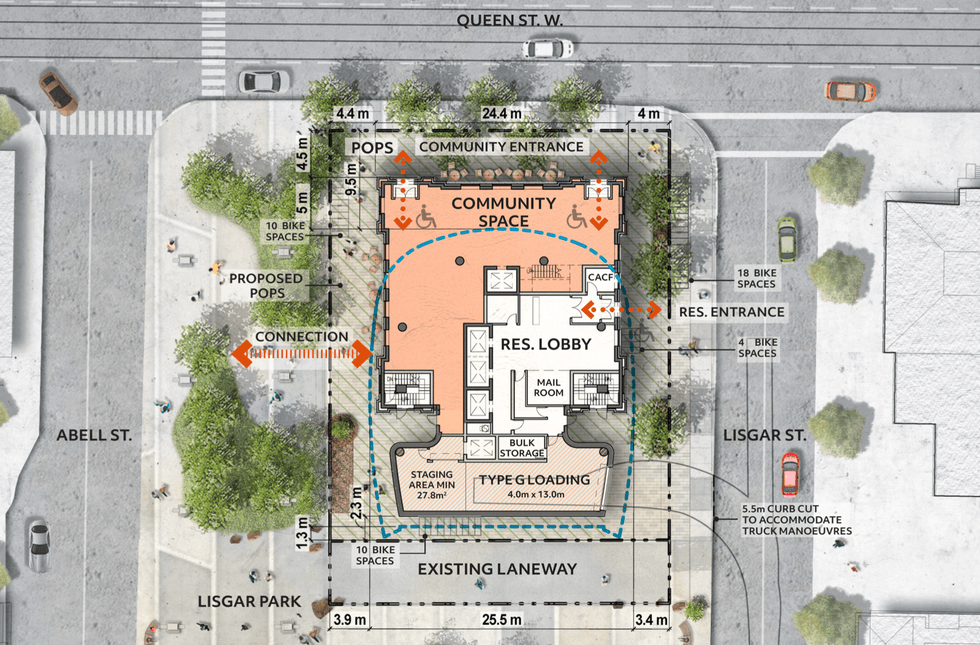 Ground floor rendering from February 2025/Giannone Petricone Associates