Geothermal Lease
A geothermal lease gives rights to use underground heat for energy, supporting renewable property development.
September 30, 2025
What is a Geothermal Lease?
A geothermal lease grants rights to use underground heat resources for energy generation or property heating and cooling. The lease defines access, development, and royalty arrangements between landowners and energy developers.
Why Geothermal Leases Matter in Real Estate
Geothermal leases matter in real estate because they enable renewable energy integration into buildings and developments. They can provide long-term cost savings and support sustainability goals, while generating income for landowners.
Example of a Geothermal Lease in Action
A developer signs a geothermal lease with a landowner to install underground systems that provide heating and cooling for a new residential community.
Key Takeaways
- Grants rights to use underground heat resources.
- Supports renewable energy and sustainability goals.
- Provides cost savings for property heating/cooling.
- Generates royalties or lease income for landowners.
- Common in large-scale residential or commercial projects.
Related Terms
- Geothermal Heating
- Renewable Energy
- Sustainability
- Land Lease
- Energy Benchmarking
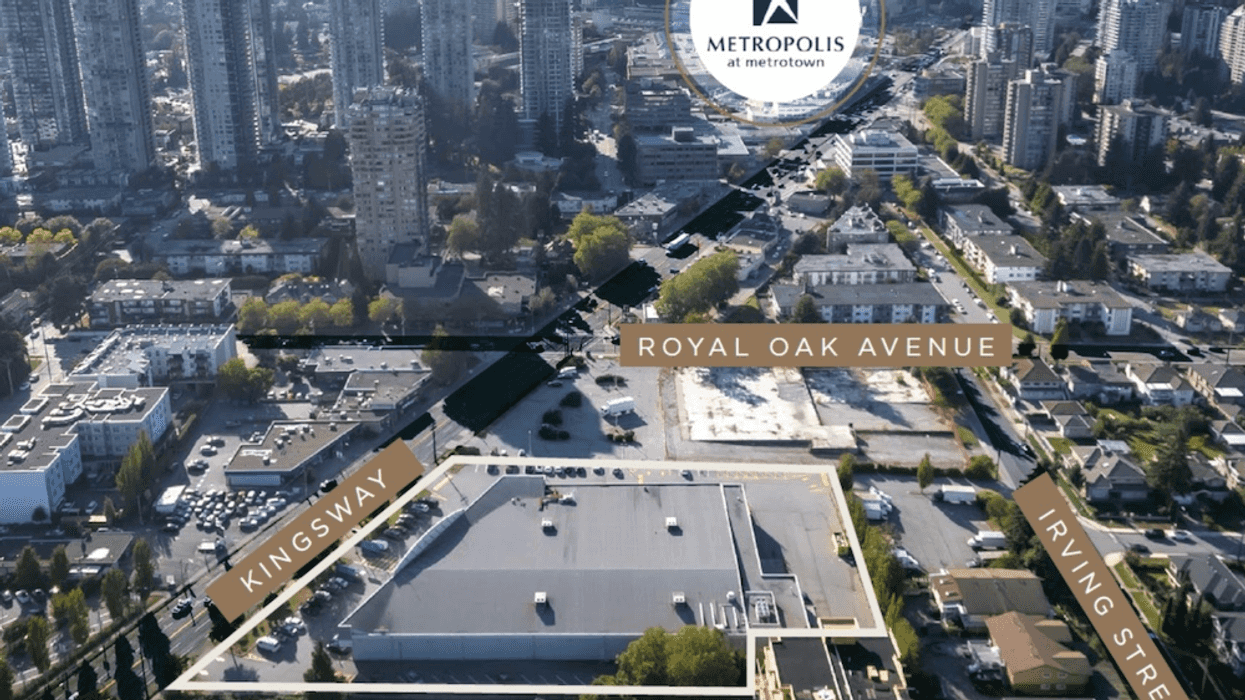
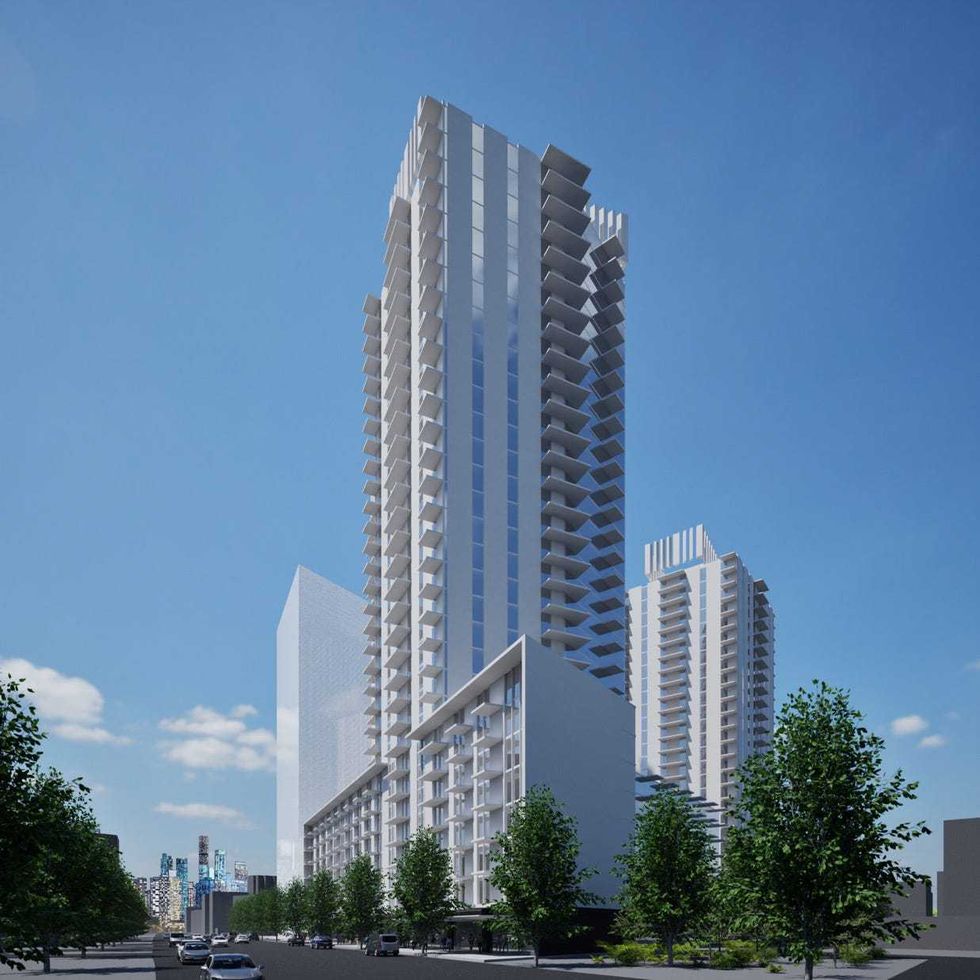 A preliminary conceptual development for 5335 Kingsway in Burnaby. (Arcadis, JLL)


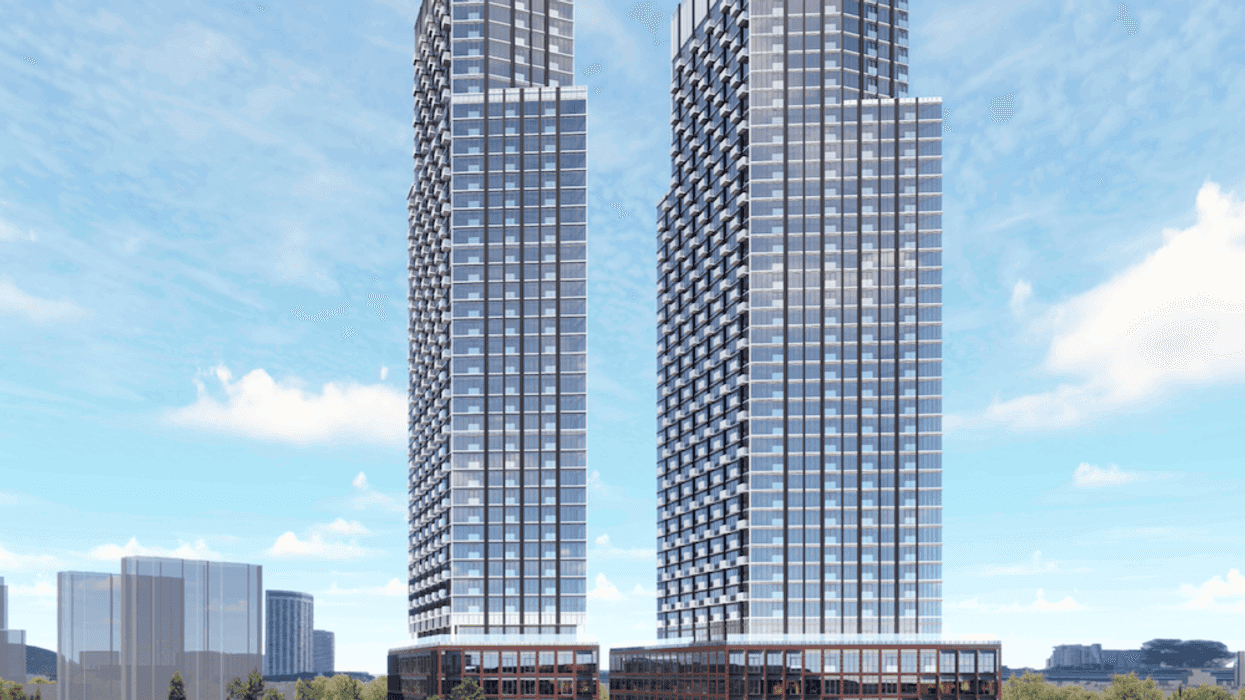

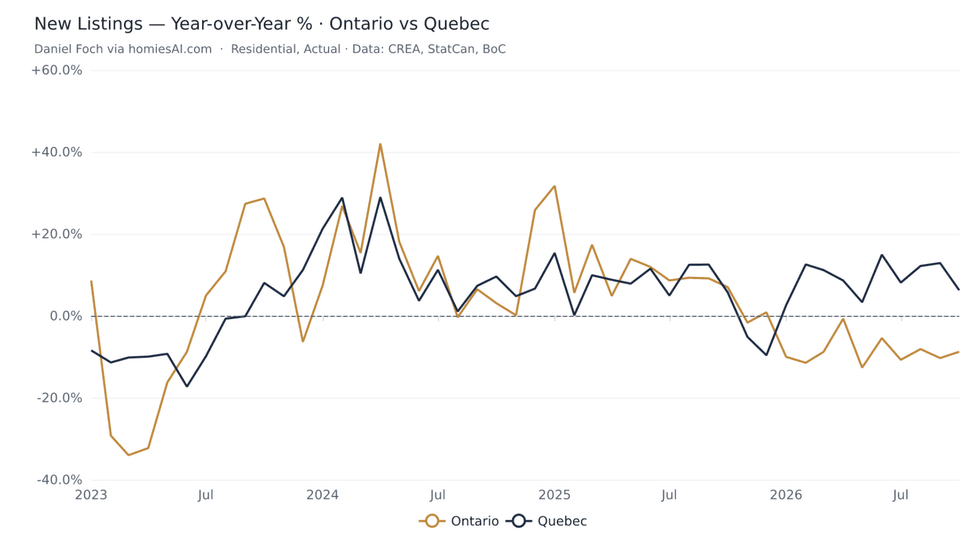 Chart: New listings, year-over-year %, Ontario vs Quebec. Daniel Foch via homiesai.com/stats. Data:
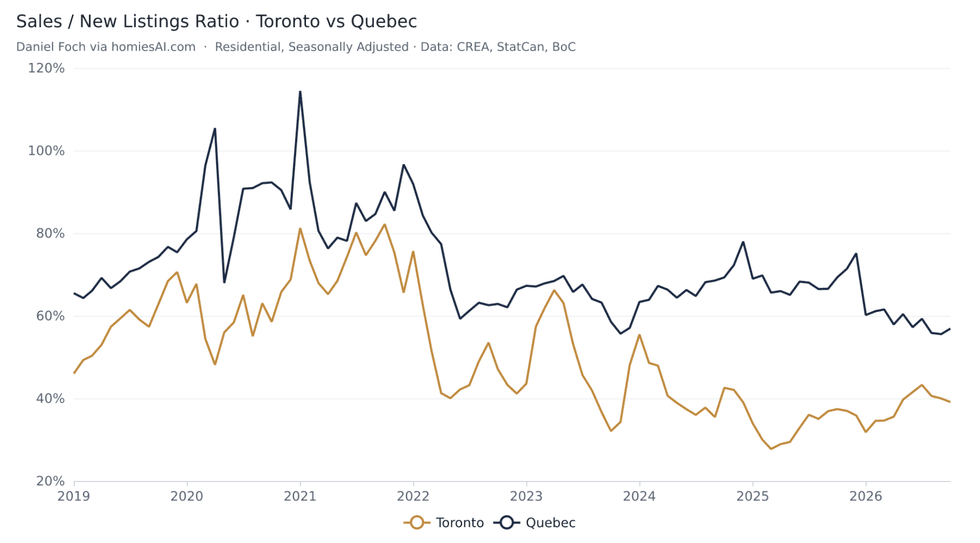 Chart: Sales-to-new-listings ratio, seasonally adjusted. Toronto vs Quebec. Daniel Foch via homiesai.com/stats. Data: CREA.
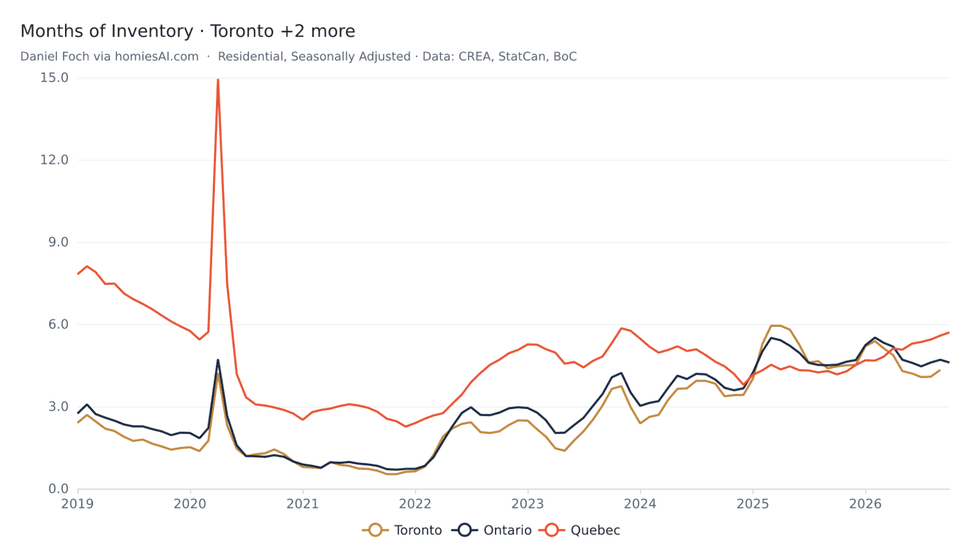 Chart: Months of inventory, seasonally adjusted. Daniel Foch via homiesai.com/stats. Data: CREA.
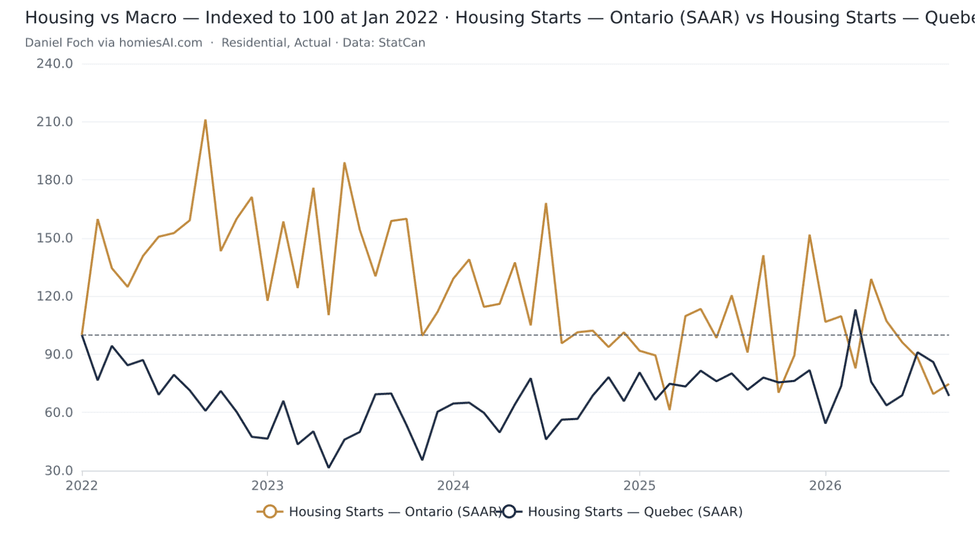 Chart: Housing starts, seasonally adjusted annual rate, Ontario vs Quebec, indexed to January 2022. Daniel Foch via homiesai.com/stats. Data: CMHC via Statistics Canada.
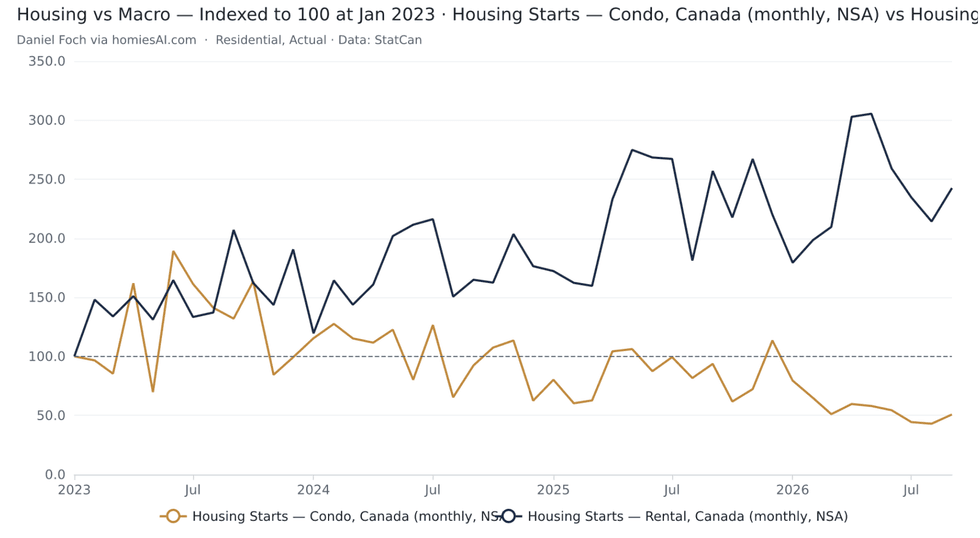 Chart: Condo vs rental housing starts, Canada, indexed to January 2023. Daniel Foch via homiesai.com/stats. Data: CMHC via Statistics Canada.
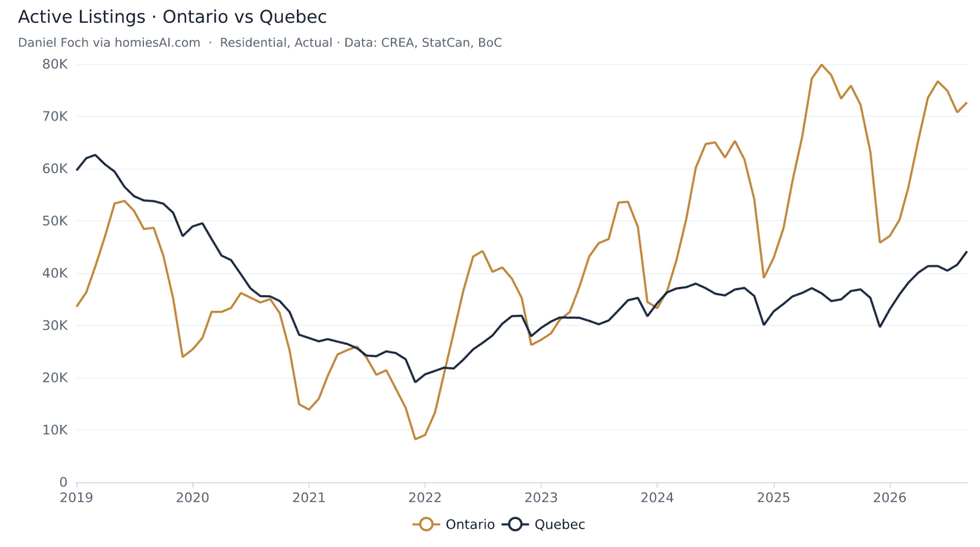 Chart: Active residential listings, Ontario vs Quebec. Daniel Foch via homiesai.com/stats. Data: CREA.
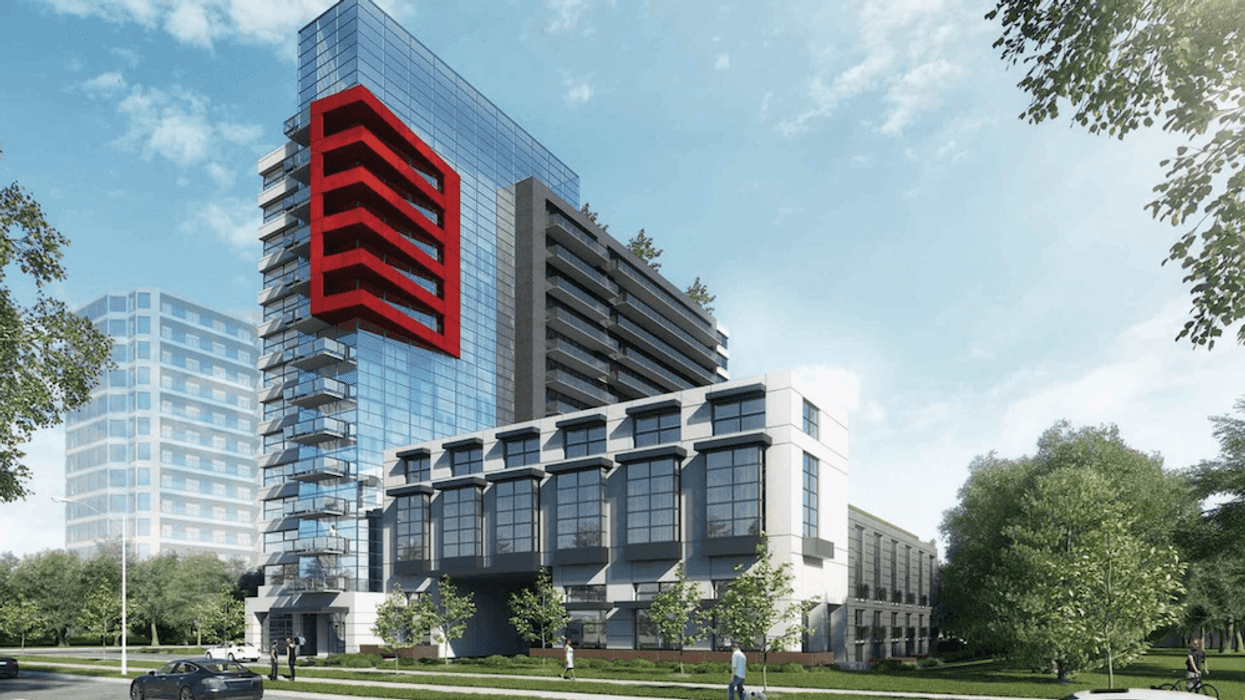
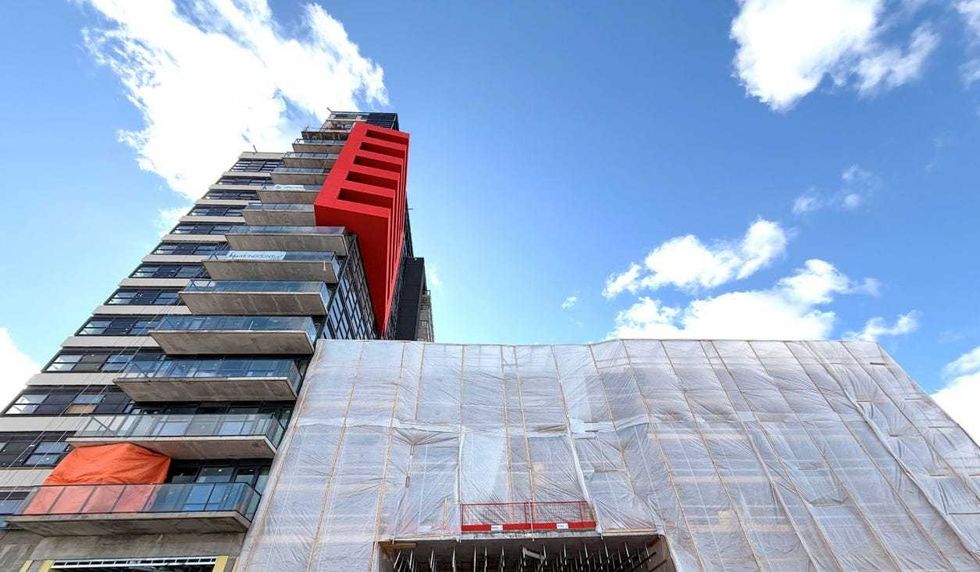 The Highlight of Mississauga as of March 2026. (Grant Thornton)
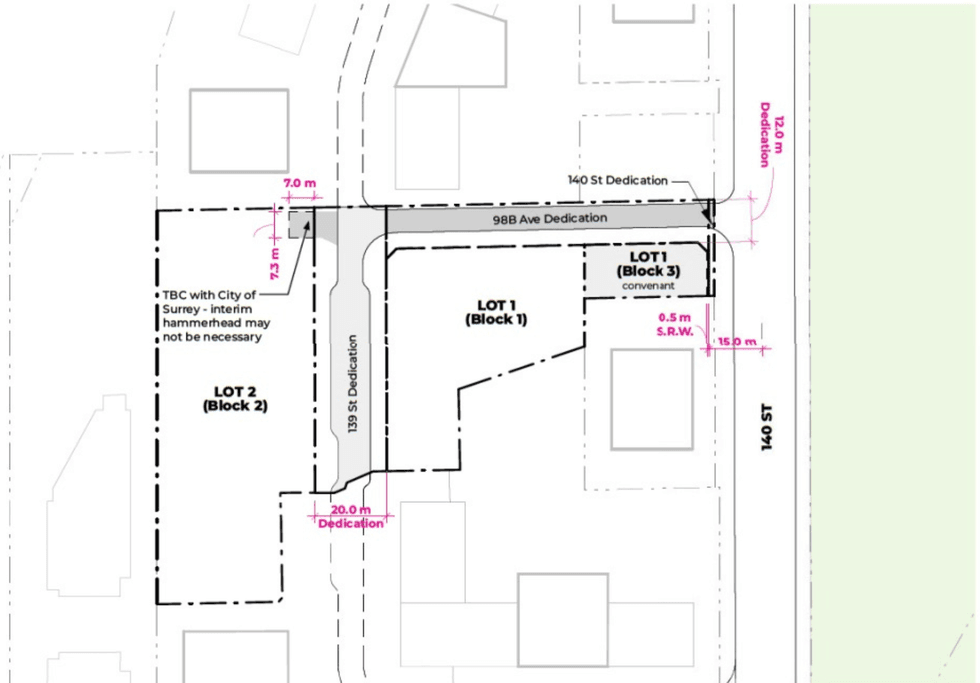 9883 140 Street and the proposed road dedications. (WW+P Architects, Entre Nous Femmes Housing Society)
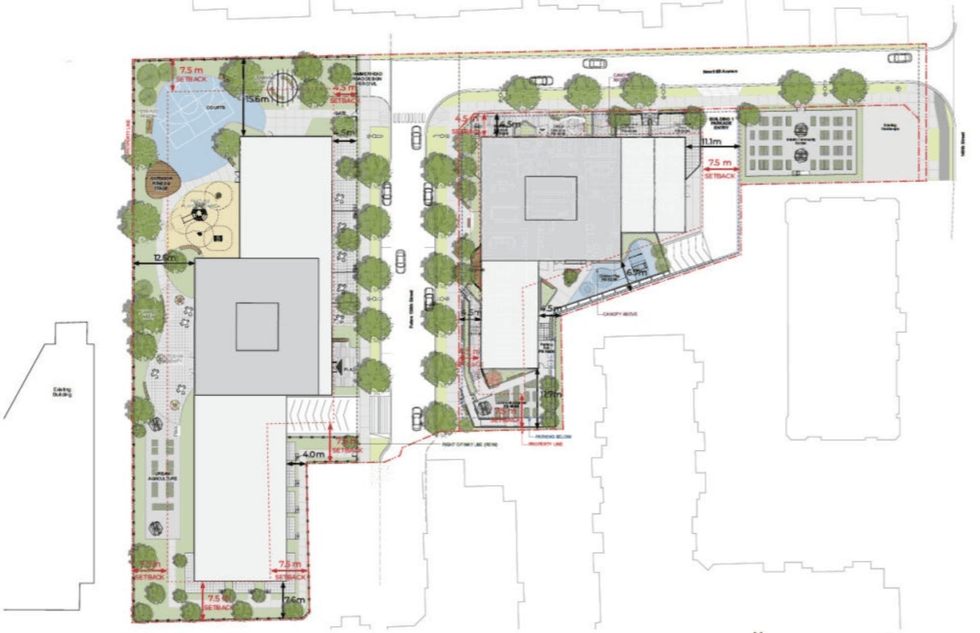 The
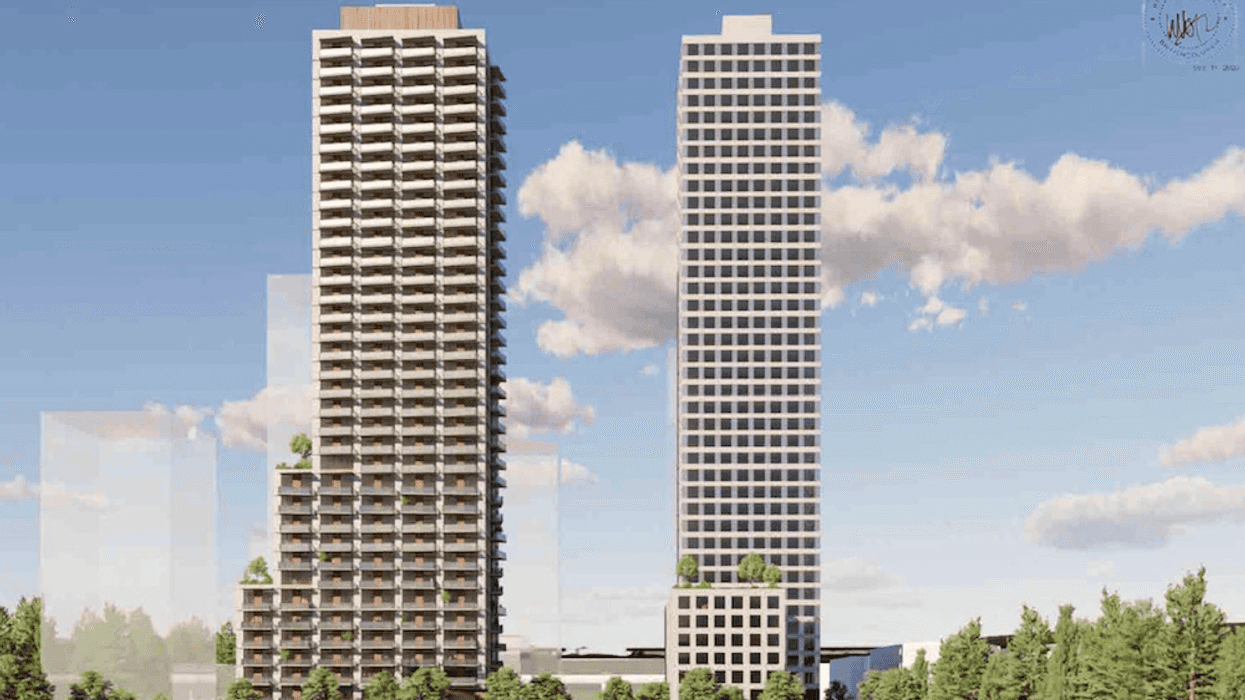
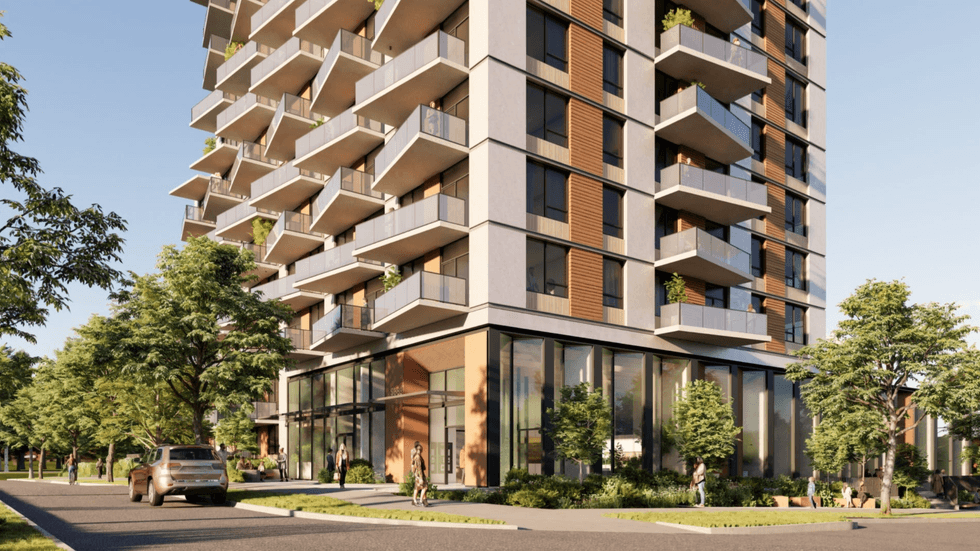 One of the towers proposed for 9883 140 Street. (Entres Nous Femmes Housing Society)

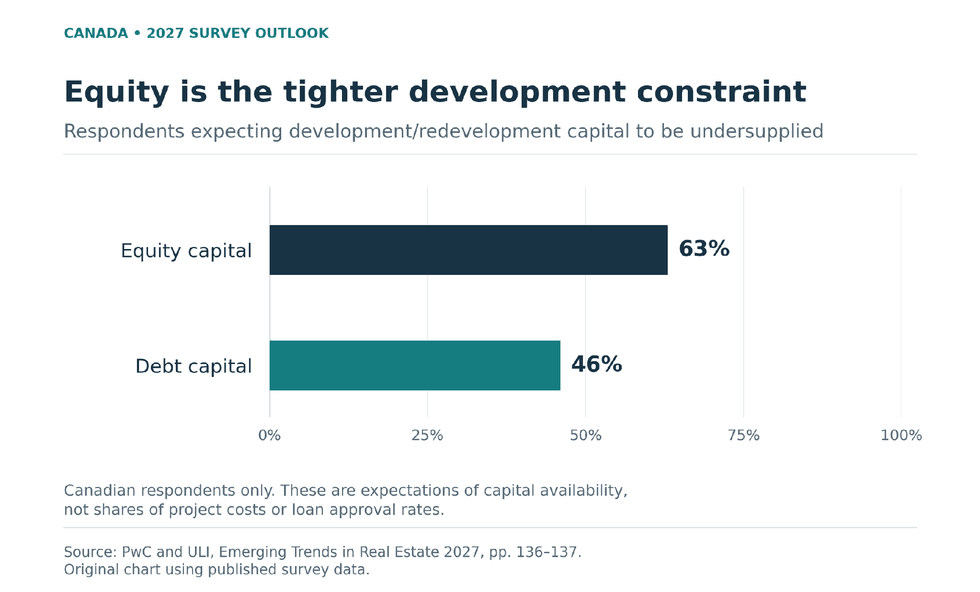 Canadian respondents were more likely to expect an undersupply of development/redevelopment equity capital (63%) than debt capital (46%) in 2027. These are survey expectations, not measured financing volumes. Source: PwC and ULI, Emerging Trends in Real Estate 2027, pp. 136–137. Original chart.
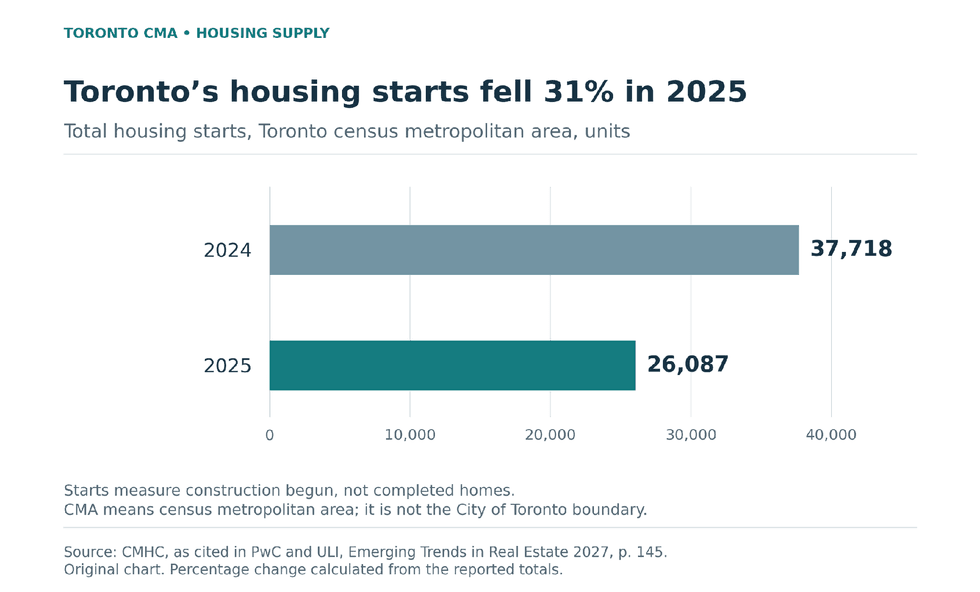 Toronto census metropolitan area housing starts fell from 37,718 units in 2024 to 26,087 in 2025, a 30.8% decline (rounded to 31%). Starts measure construction begun, not completed homes. Source: CMHC, as cited in PwC and ULI, Emerging Trends in Real Estate 2027, p. 145. Original chart.

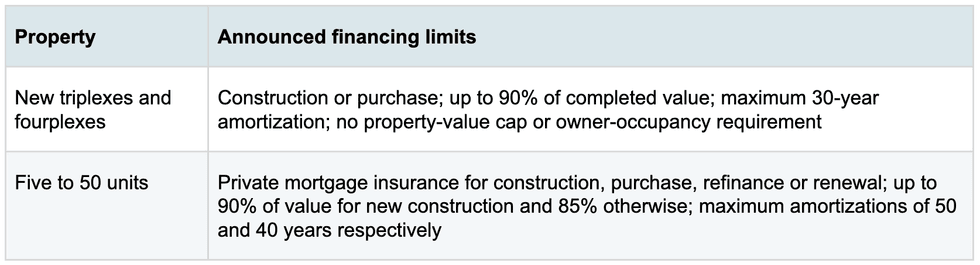
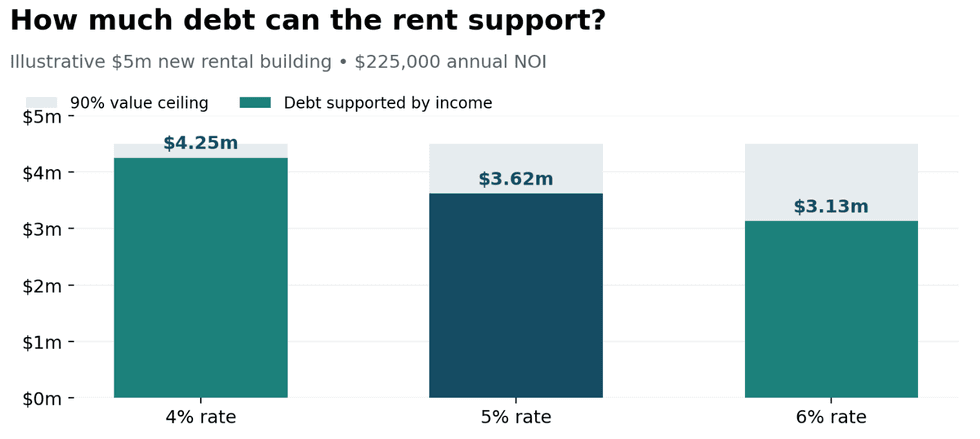 Illustrative calculation: a $4.5-million value ceiling versus income-based capacity of about $4.25 million at 4%, $3.62 million at 5% and $3.13 million at 6%. Assumes 50-year amortization and 1.15 debt coverage.
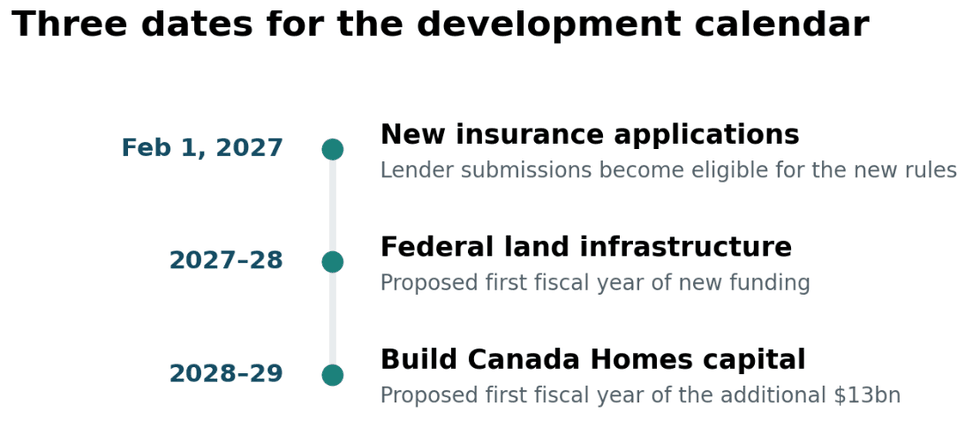 Source: Department of Finance missing-middle backgrounder and Budget 2026 Chapter 3, November 5, 2026. Fiscal-year funding starts are not home-completion dates.