Escalation Clause

Learn how escalation clauses work in Canadian real estate offers — what they are, how they benefit buyers, and when to use them.

Escalation Clause


What is an Escalation Clause?

An escalation clause is a contract provision in a real estate offer that automatically increases a buyer’s bid above competing offers up to a maximum limit.

Why Escalation Clauses Matter in Real Estate

In Canadian real estate, escalation clauses help buyers remain competitive in multiple-offer situations without overcommitting on price.


Key features:
  • Incremental increases triggered by competing offers
  • A predetermined ceiling price
  • Requirements for proof of competing bids


Understanding escalation clauses allows buyers and agents to structure competitive offers strategically.

Example of an Escalation Clause in Action

The buyer included an escalation clause to increase their offer by $5,000 over any competing offer up to a maximum of $950,000.

Key Takeaways

  • Automatically raises offer price
  • Includes a maximum price cap
  • Useful in competitive markets
  • Requires precise contract wording
  • Helps avoid paying more than necessary

Additional Terms

Public Realm Improvements

Public realm improvements are enhancements to public spaces such as sidewalks, parks, plazas, and streetscapes, often funded or contributed by. more

Mortgagee in Possession

A mortgagee in possession is a lender who takes control of a property after borrower default, but before foreclosure or power of sale. The lender. more

Lease Surrender Agreement

A lease surrender agreement is a negotiated contract between a landlord and tenant that ends a lease before its scheduled expiration. Terms may. more

Green Infrastructure

Green infrastructure refers to natural or engineered systems that manage stormwater, reduce heat, and improve sustainability in developments.. more

Escrow Holdback

An escrow holdback is a portion of funds withheld at closing and held in escrow until specific conditions are met, such as completion of repairs,. more

Underused Housing Tax

The Underused Housing Tax (UHT) is a federal annual 1% tax on the value of vacant or underused residential property owned by non-resident,. more

More For You

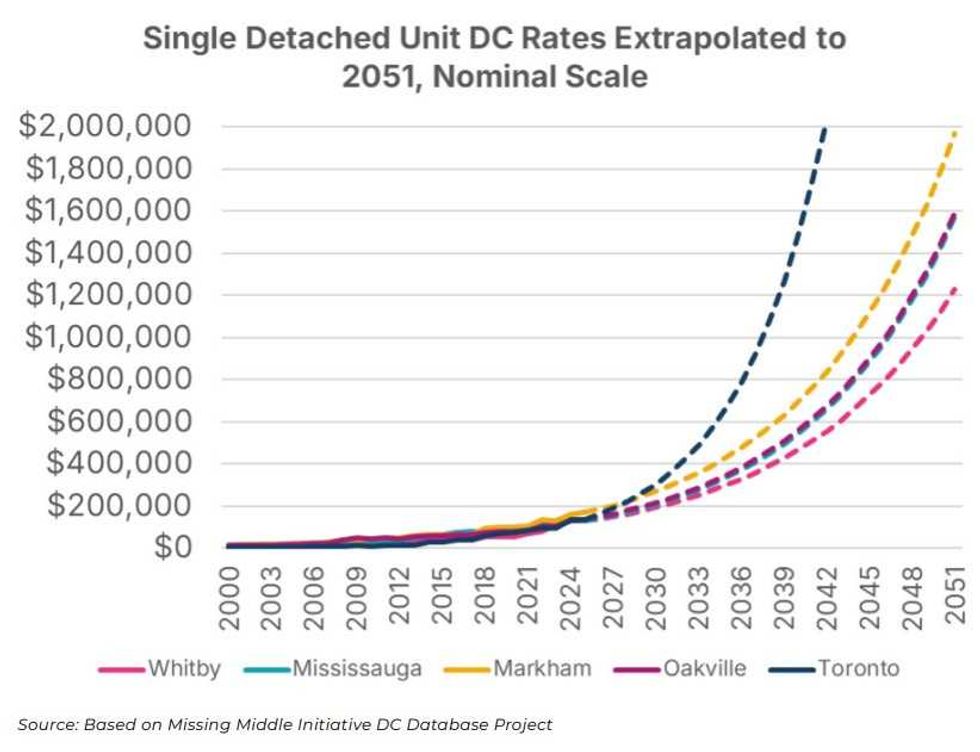
'The Stakes Could Not Be Higher': Government Costs Pricing Buyers Out

There is a growing recognition across Canada that the housing crisis demands urgent action.

Governments, particularly at the federal and provincial levels, have begun to respond with measures aimed at improving affordability. But they still amount to nibbling at the edges of a much deeper problem: the escalating burden of government-imposed costs (GICs) on new housing.

Keep ReadingShow less
Swansea Mews, Tridel-YMCA Collab Among Toronto City Council March Approvals

Rendering of 150 Queens Wharf Road/Karakusevic Carson Architects, Toronto Community Housing Corporation


Toronto City Council approved zoning for over a dozen housing developments at its March 2026 session (held last week), and the green-lit slate includes four projects that will be rolled out under the new Toronto Builds policy framework, like the highly anticipated revitalization of Swansea Mews.

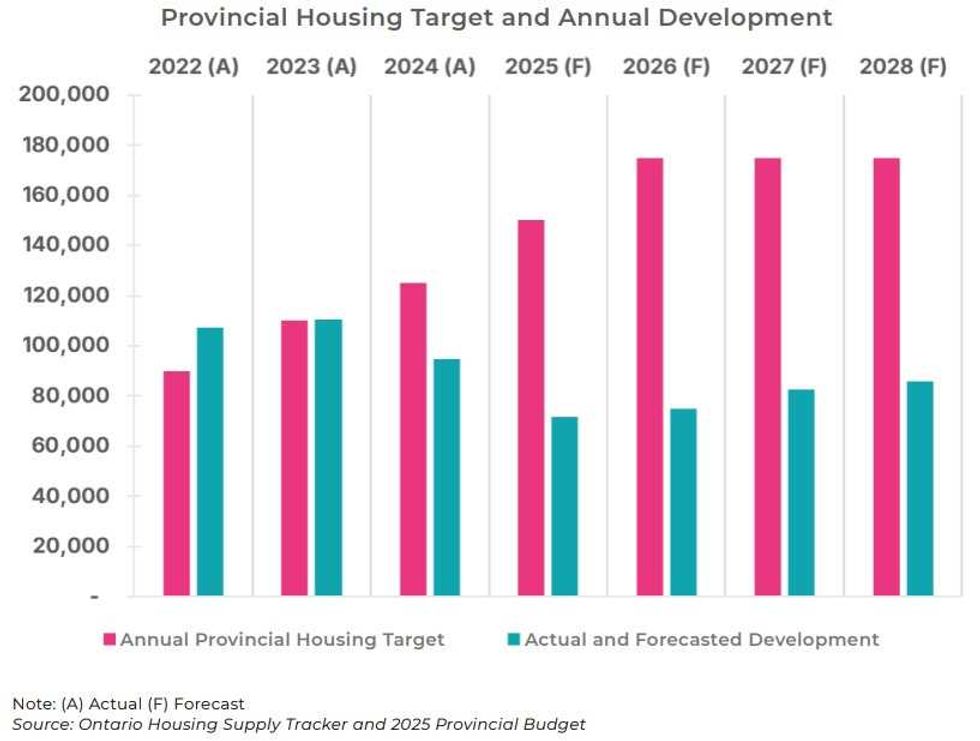
These projects couldn’t come soon enough. According to Toronto’s housing data hub, 87,551 new homes have been created between January 1, 2022, and January 31, 2026, representing just over 30% of the City’s provincial housing target of 285,000 new homes by 2030.

Keep ReadingShow less
GTA New Home Sales Tick Higher As HST Cut Sets Stage For Recovery: BILD

New home sales in the Greater Toronto Area showed marginal improvement in February 2026, though activity continued to track well below historical norms, according to the newest from the Building Industry and Land Development Association (BILD).

There were 531 new homes sold across the GTA last month, up 16% from February 2025 but still 76% below the 10-year average of 2,251 units for the month, based on data from Altus Group, BILD's official source for new home market intelligence.

Keep ReadingShow less
Ross McCredie On: Douglas Elliman Canada, Sutton Group, And The Luxury Market

Ross McCredie, CEO and Chairman of Sutton Group and Principal of McCredie Investments. (Sutton Group)

Last week, Canadian residential real estate brokerage Sutton Group and American luxury real estate brokerage Douglas Elliman announced a two-pronged cross-border relationship that will see the American brand enter Canada, and the two companies establish a two-way referral program.

After buying the license for Sotheby’s International Realty Canada in 2004, real estate entrepreneur Ross McCredie, through McCredie Investments, is buying the license to the Douglas Elliman brand in Canada, which will be called “Elliman Canada.” (The company initiated a rebranding a few months ago and, while there's been no official announcement yet, Douglas Elliman will be rebranding as “Elliman.”)

Keep ReadingShow less
Ontario Expands HST Rebate, Eliminates Tax On New Homes Up To $1M
Toronto skyline/Shutterstock

Ontario is moving to take a bigger swing at housing affordability — this time by scrapping the HST on new homes for a broader pool of buyers.

As part of its 2026 Budget, the Government of Ontario says it will remove the full 13% Harmonized Sales Tax for eligible purchasers of new homes priced up to $1 million, translating to a maximum rebate of $130,000. That max rebate would also extend to homes valued up to $1.5 million, before phasing down on a sliding scale to $24,000 for homes priced at $1.85 million and above.

Keep ReadingShow less
OREA Pushes For Development Charge Reform, Makes Several Recommendations

(OREA)

There is no easy way to control consumer sentiment, macroeconomic conditions, or the cost of construction materials (let alone tariff threats from our neighbour), which is a big reason why the real estate industry has been so focused on development charges (DCs) in recent years.

Development charges are levied by governments on new construction, and are used to fund new infrastructure, under the premise that “growth pays for growth.” When the real estate market was strong, development charges were tolerable because homes could be sold for a high enough price to cover them.

Keep ReadingShow less
Meet The Agent: Daniel Kim, Sotheby's International Realty Canada

Welcome to Meet the Agent, an ongoing series profiling real estate agents from across Canada. With more than 150,000 agents, brokers, and salespeople working in 75 different boards and associations across the country, we thought it was about time they had a place to properly introduce themselves.

If you or someone you know deserves the same chance, email agents@storeys.com to apply.

Keep ReadingShow less
The Great Canadian Dream Of Homeownership Isn’t Dead, But It Is Evolving
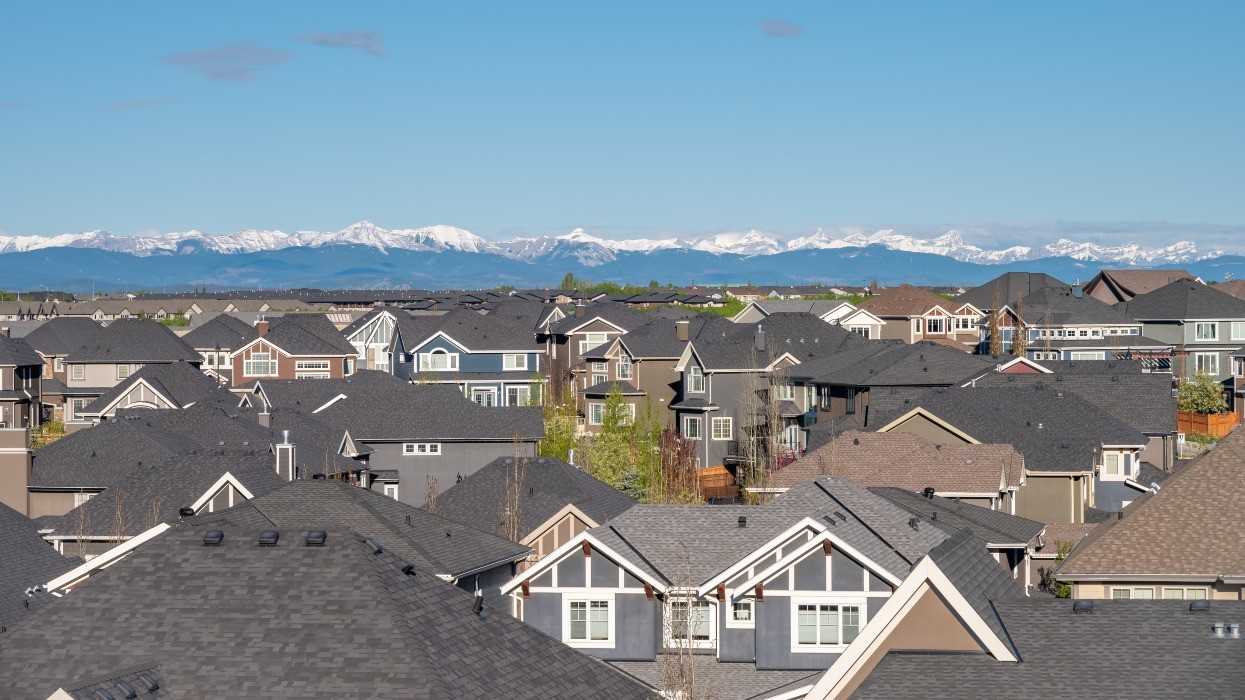
A residential neighbourhood in Calgary / Jeff Whyte, Shutterstock

For years, the obituary for the “Great Canadian Dream” of homeownership has been written in steep market prices and interest rate hikes. But according to RBC’s Spring 2026 Home Ownership Poll, the dream hasn’t actually died – it’s adapted.

The online survey polled 1,719 Canadians between January 7 and January 25, 2026 using Leger’s online panel.

Keep ReadingShow less
TRENDING: The Great Canadian Dream Of Homeownership Isn’t Dead, But It Is Evolving