Density Transfer

Density transfer allows unused development rights to be shifted between properties, balancing growth with preservation.

Density Transfer

September 30, 2025


What is Density Transfer?

Density transfer, also called air lot transfer, is a planning tool that allows unused development rights from one property to be transferred to another. This enables higher-density development in designated areas while preserving other lands.

Why Density Transfer Matters in Real Estate

Density transfers matter in real estate because they balance growth with heritage or environmental protection. They create marketable value for unused density while supporting urban planning goals.

Example of Density Transfer in Action

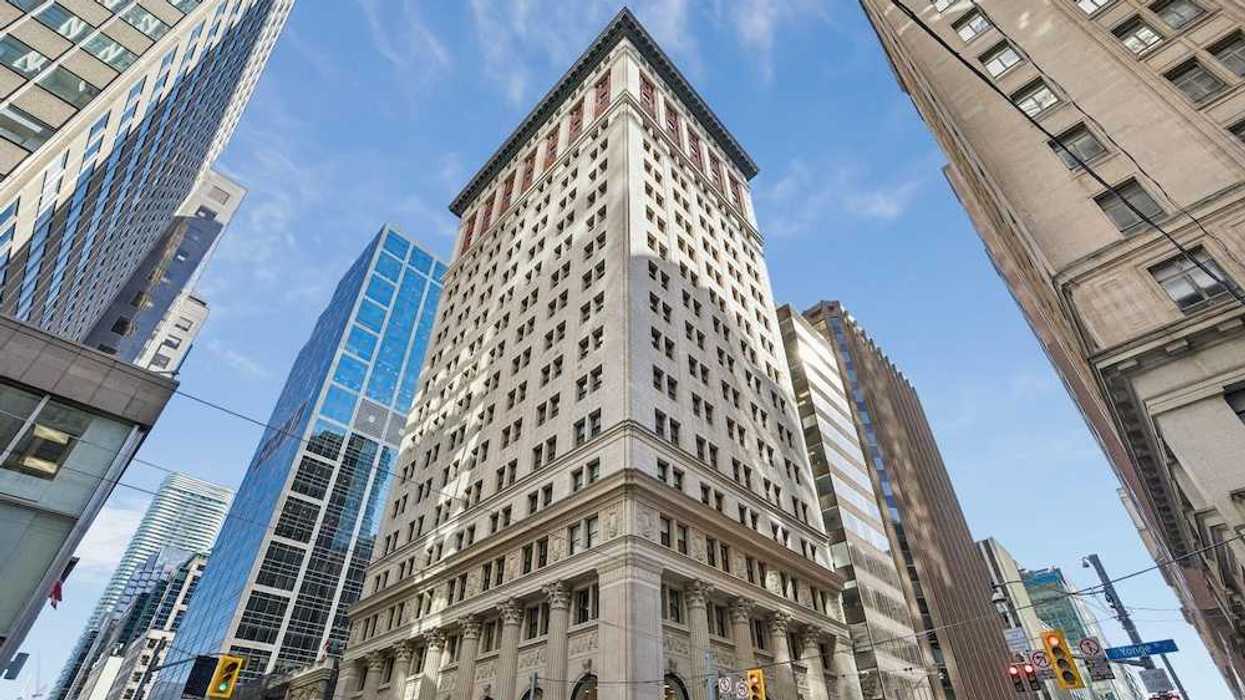
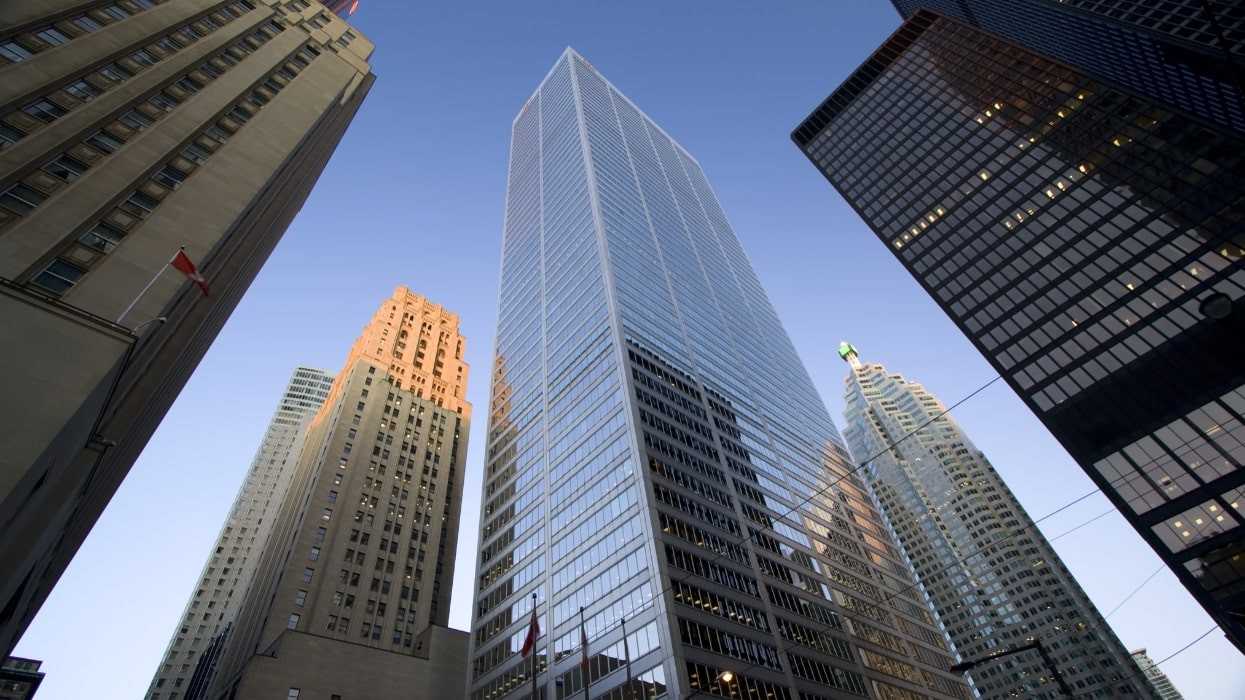
A heritage building in Toronto cannot be redeveloped to full zoning potential. Its unused density rights are sold to a nearby developer, who adds more floors to a new tower.

Key Takeaways

  • Transfers unused development rights to another site.
  • Encourages density where it is most appropriate.
  • Preserves heritage or environmentally sensitive sites.
  • Creates market value for unused density.
  • Supports municipal planning and growth strategies.

Related Terms

Additional Terms

Public Realm Improvements

Public realm improvements are enhancements to public spaces such as sidewalks, parks, plazas, and streetscapes, often funded or contributed by. more

Mortgagee in Possession

A mortgagee in possession is a lender who takes control of a property after borrower default, but before foreclosure or power of sale. The lender. more

Lease Surrender Agreement

A lease surrender agreement is a negotiated contract between a landlord and tenant that ends a lease before its scheduled expiration. Terms may. more

Green Infrastructure

Green infrastructure refers to natural or engineered systems that manage stormwater, reduce heat, and improve sustainability in developments.. more

Escrow Holdback

An escrow holdback is a portion of funds withheld at closing and held in escrow until specific conditions are met, such as completion of repairs,. more

Underused Housing Tax

The Underused Housing Tax (UHT) is a federal annual 1% tax on the value of vacant or underused residential property owned by non-resident,. more

More For You

Coady Avenue has a reputation in Leslieville — the kind that gets passed around at farmers' markets and mentioned in the same breath as its annual fall street party.

It's a stretch that people move to and simply don't want to leave. And 30 Coady is a good argument for why.

Keep Reading Show less
Vancouver Eases Affordability Requirements For 9 Rental Projects Under New Development Relief Program

The two-tower project planned for 2111 Main Street in Vancouver. (MCMP Architects, Nicola Wealth Real Estate)

Just before breaking for the Christmas holidays, Vancouver City Council approved a suite of actions focused on “supporting development viability and unlocking new housing supply” in response to market conditions that have made it challenging for developers big and small to move forward with projects.

One of those actions was the creation of a new Rental Development Relief Program (RDRP) “designed to support the viability of mid- and high-rise below market rental housing during challenging financial and market conditions.”

Keep Reading Show less

There are very few addresses in Toronto where the word "townhome" doesn't feel like a compromise.

62 Claremont Street is one of them.

Keep Reading Show less
Zenterra Breaks Ground At Clayton Crest In Surrey

Zenterra Developments

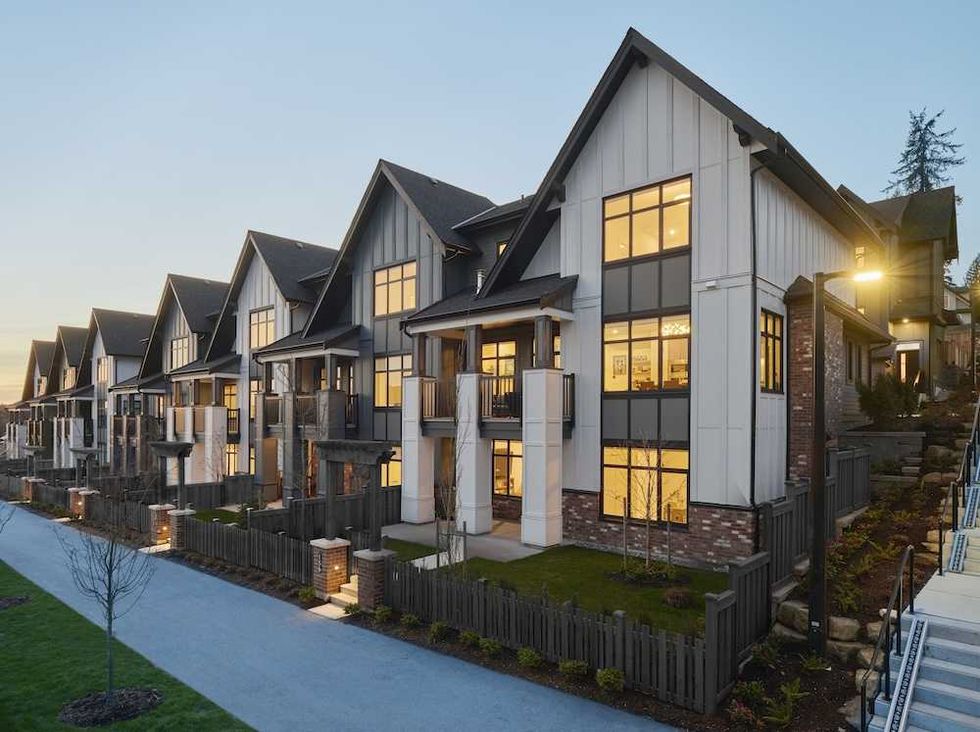
While developers across Metro Vancouver and the Fraser Valley have been pulling back — cancelling projects and stalling timelines as financing tightens and buyer demand softens — Zenterra Developments is moving forward.

The Surrey-based builder has officially broken ground at Clayton Crest, its master-planned community at 18088 72nd Avenue in West Clayton. The milestone follows a successful pre-sales launch for the community's first two buildings, Atlin and Bute, which sold enough homes to green light construction.

Keep Reading Show less
Canadian Construction's Biggest Event Is Coming To Toronto's Waterfront

George Brown Polytechnic

If you work in construction — or anywhere adjacent to it — SiteSummit 2026 is the event to circle on your calendar.

Presented by STOREYS' sibling publication SiteNews, in partnership with EllisDon, the 2026 rendition of the can't-miss experience will land June 23-24 at George Brown College's waterfront campus in Toronto.

Keep Reading Show less
GTA Home Sales Rise In March As Prices Continue To Fall

Greater Toronto Area resale housing market conditions tightened in March 2026, with sales climbing year-over-year even as selling prices declined — a dynamic that may be offering some buyers a narrowing window of affordability heading into spring.

GTA REALTORS® reported 5,039 home sales through TRREB's MLS® System last month, a 1.7% increase compared to March 2025. At the same time, new listings fell sharply — down 16.7% year-over-year to 14,442 — meaning more buyers are competing for fewer homes than this time last year.

Keep Reading Show less

There are waterfront properties, and then there's Cassiar Cannery.

Situated on BC's North Coast, just 30 minutes from Prince Rupert, the 74-acre estate at Lot 44 Cassiar Drive in Port Edward is not any conventional listing. It's a living landmark — one that operated as the longest consecutively operating salmon cannery on the West Coast.

Keep Reading Show less
Pemberton Group Ups Height On Church Street Proposal (Again), To 61 Storeys

Rendering of 149 Church Street/Graziani + Corazza Architects

It’s been almost eight years since Pemberton Group filed plans for 139-149 Church Street and 18-20 Dalhousie Street, which is a stone’s throw from St. Michael's Hospital in downtown Toronto.

Given the proximity, redevelopment is a tall order — the plans must be sympathetic to the City’s housing needs and the evolving tall building context of the area, without obstructing the hospital’s helicopter flight path.

Keep Reading Show less