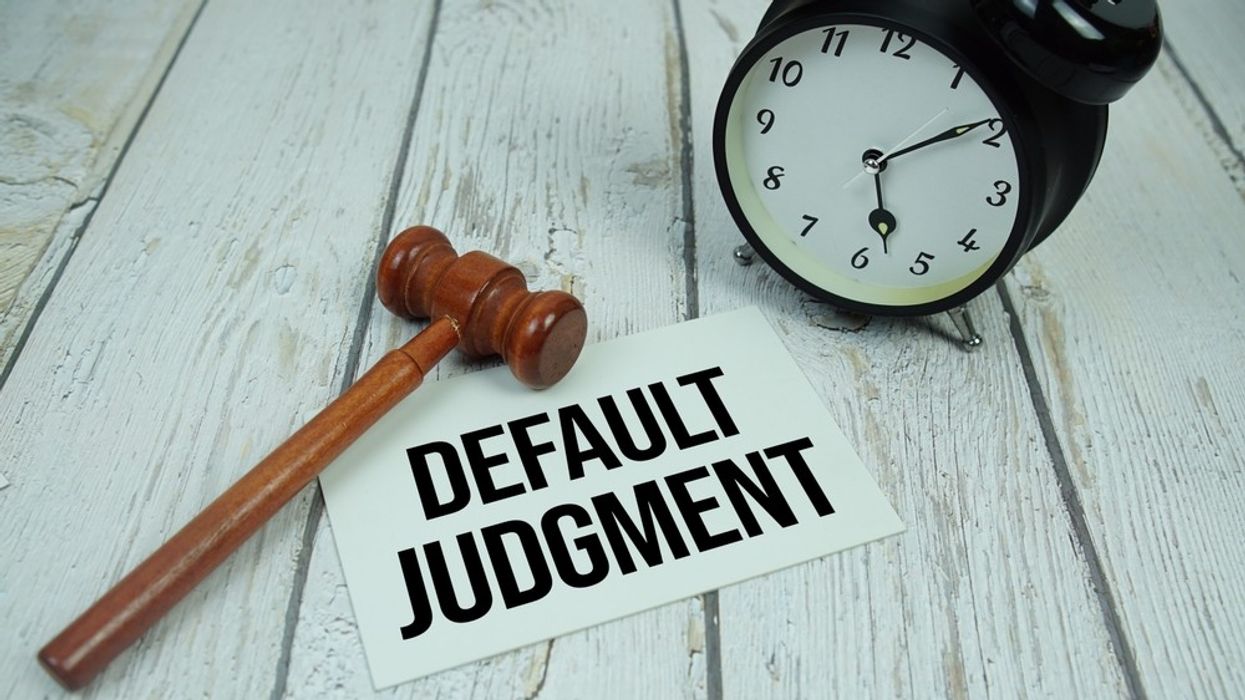
Default Judgment
Learn what a default judgment means in Canadian real estate law, how it’s issued, and what buyers, tenants, or owners should do to avoid legal consequences.
May 22, 2025
What is a Default Judgment?
A default judgment is a court ruling issued in favor of one party when the opposing party fails to respond or appear in court.
Why Default Judgments Matter in Real Estate
In Canadian real estate, default judgments may arise from disputes related to purchase agreements, rental contracts, or mortgage enforcement actions. If a buyer, seller, tenant, or borrower fails to respond to legal action, the court can grant relief to the claimant without a hearing.
This can occur in cases such as:
- Buyers backing out of firm offers
- Tenants failing to respond to eviction filings
- Borrowers ignoring foreclosure proceedings
Default judgments can lead to serious consequences such as financial penalties, eviction orders, or forced sales. They are legally binding and can be enforced through property liens or garnishment.
Understanding default judgments is essential for avoiding legal risks in real estate disputes and responding promptly to court notices.
Example of a Default Judgment in Action
A buyer fails to respond to a seller’s lawsuit over a breached purchase agreement. The court grants a default judgment ordering the buyer to pay damages.
Key Takeaways
- Issued when one party fails to appear or respond.
- Can result in monetary or legal penalties.
- Applies in real estate disputes and enforcement.
- Enforceable through liens or collection.
- Avoidable by timely legal response.
Related Terms
- Default
- Foreclosure
- Legal Liability
- Purchase Agreement
- Eviction
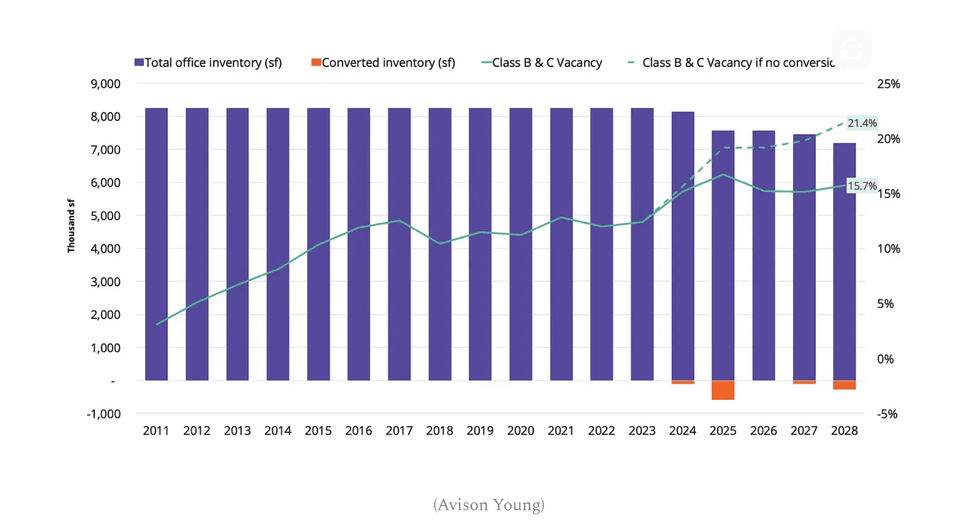 (Avison Young)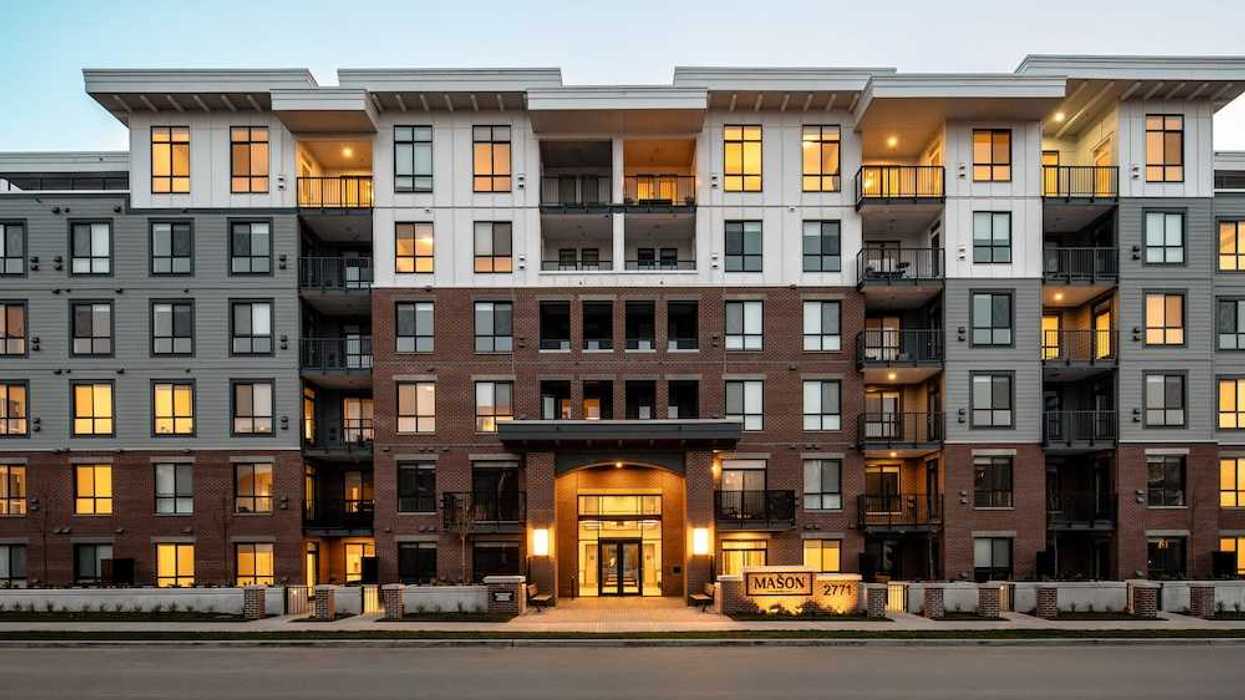
 The Mason Suite Interior (Infinity Properties)
 The Mason Suite Interior (Infinity Properties)
 Rail District aerial (Infinity Properties)
 Versant (Infinity Properties)






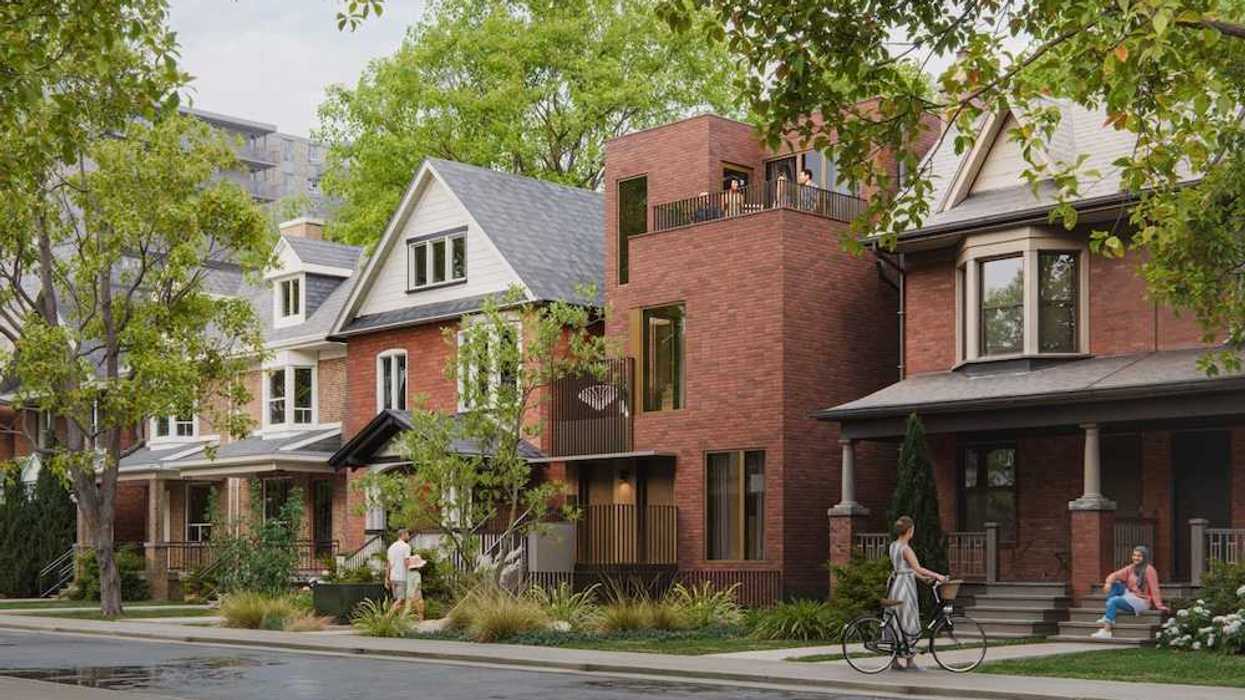
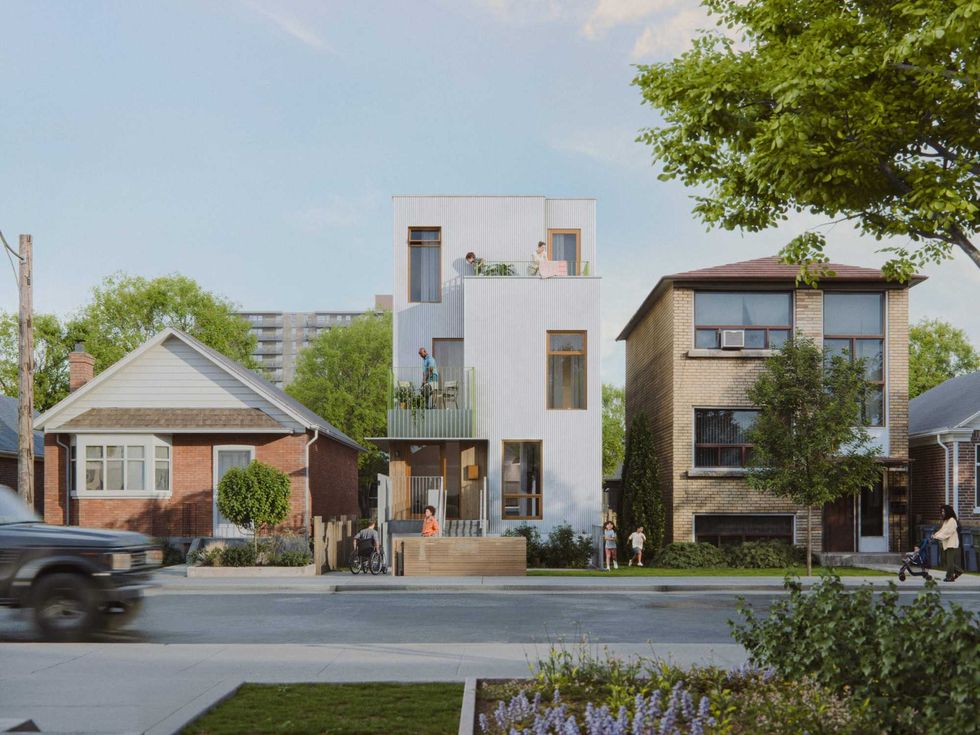 Narrow Fourplex (City of Toronto)
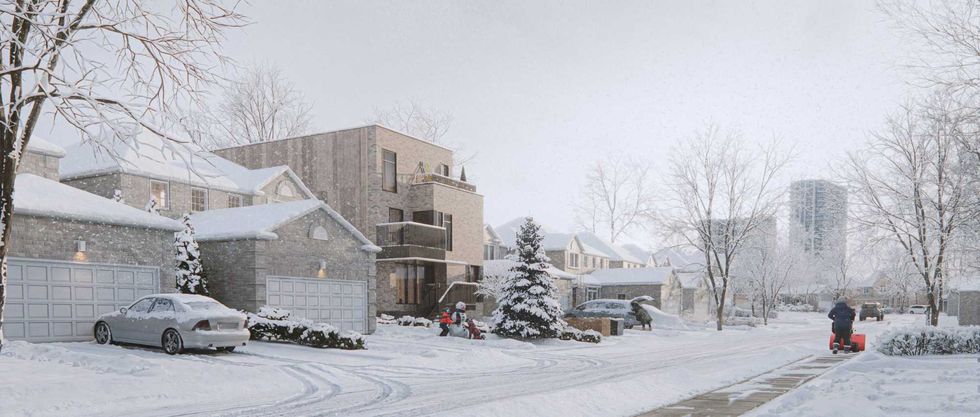 Wide Sixplex - Side View (City of Toronto)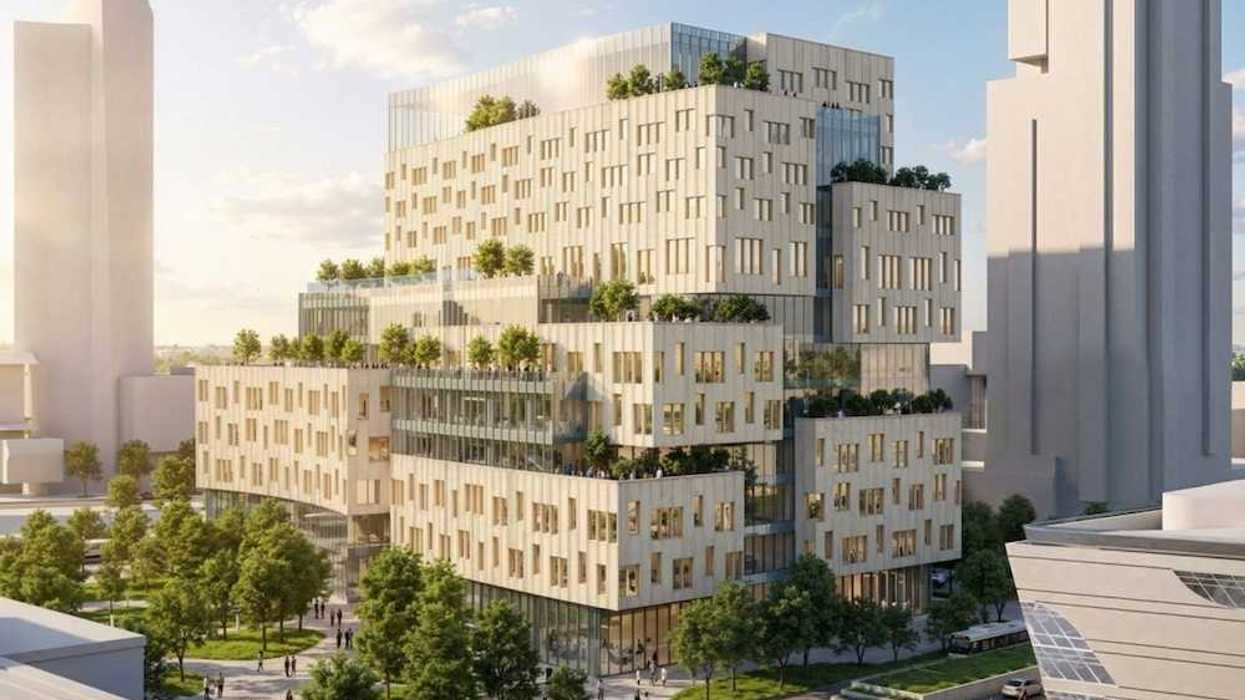
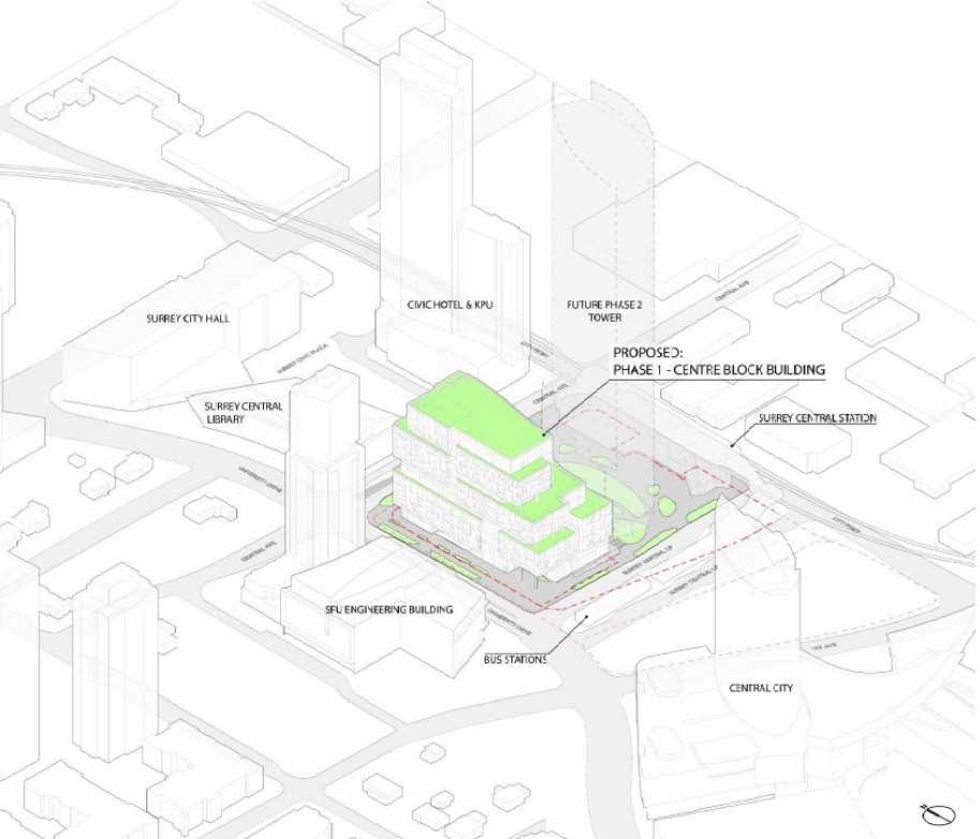 Centre Block and its surrounding context. (Stantec-Revery, SCDC)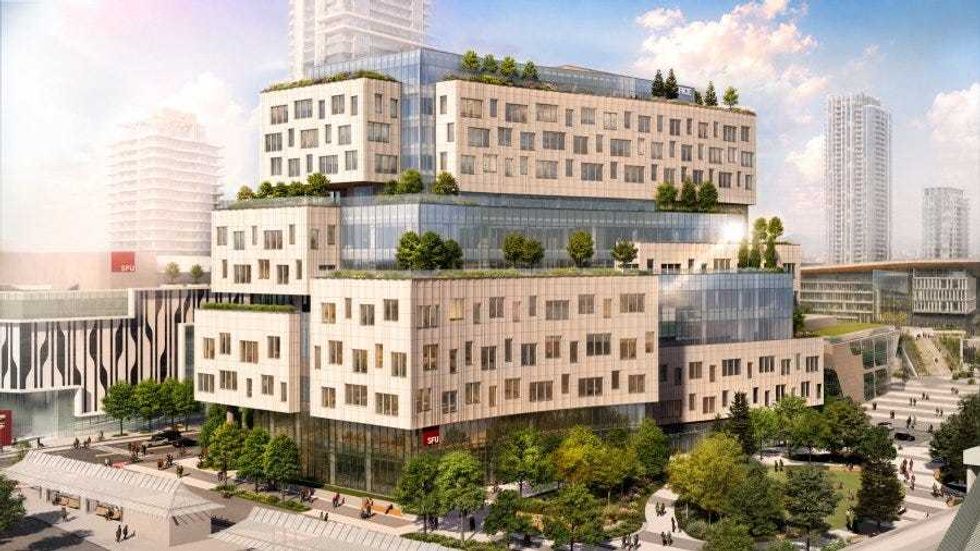
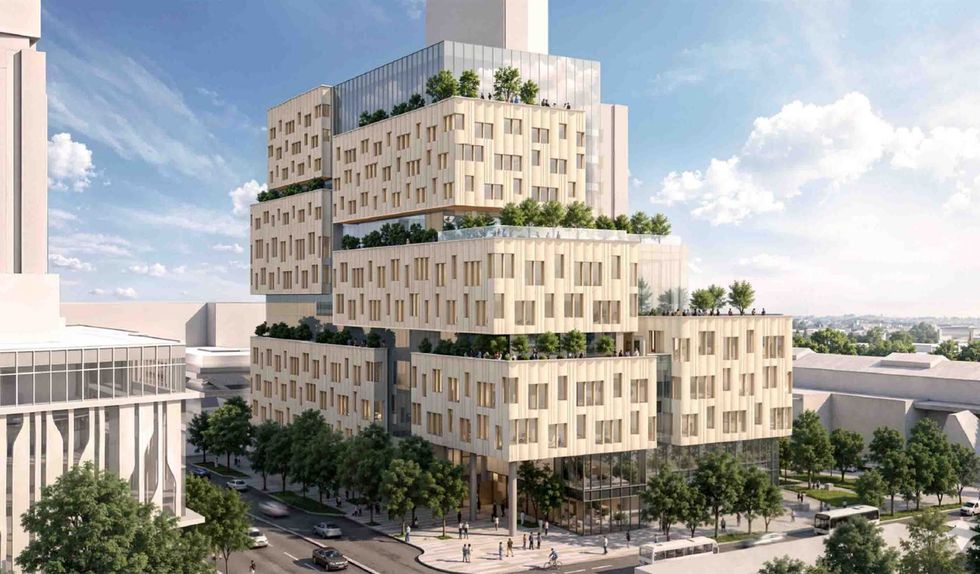 The 12-storey Phase One of Centre Block. (Stantec-Revery, SCDC)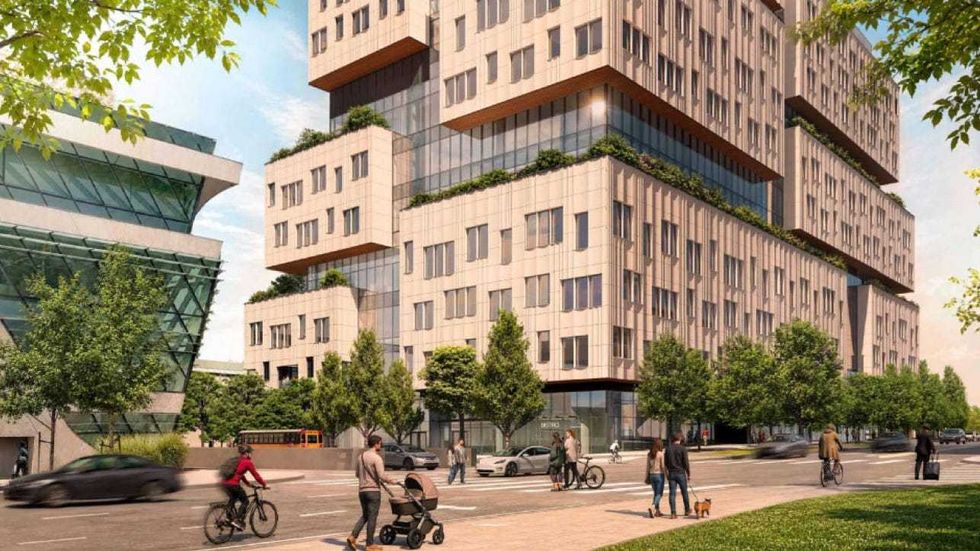
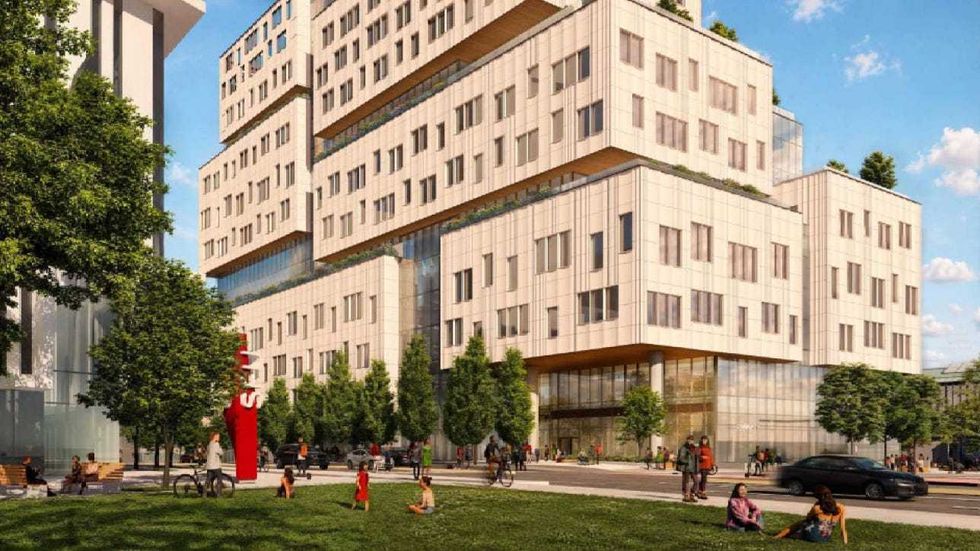 The 12-storey Phase One of Centre Block. (Stantec-Revery, SCDC)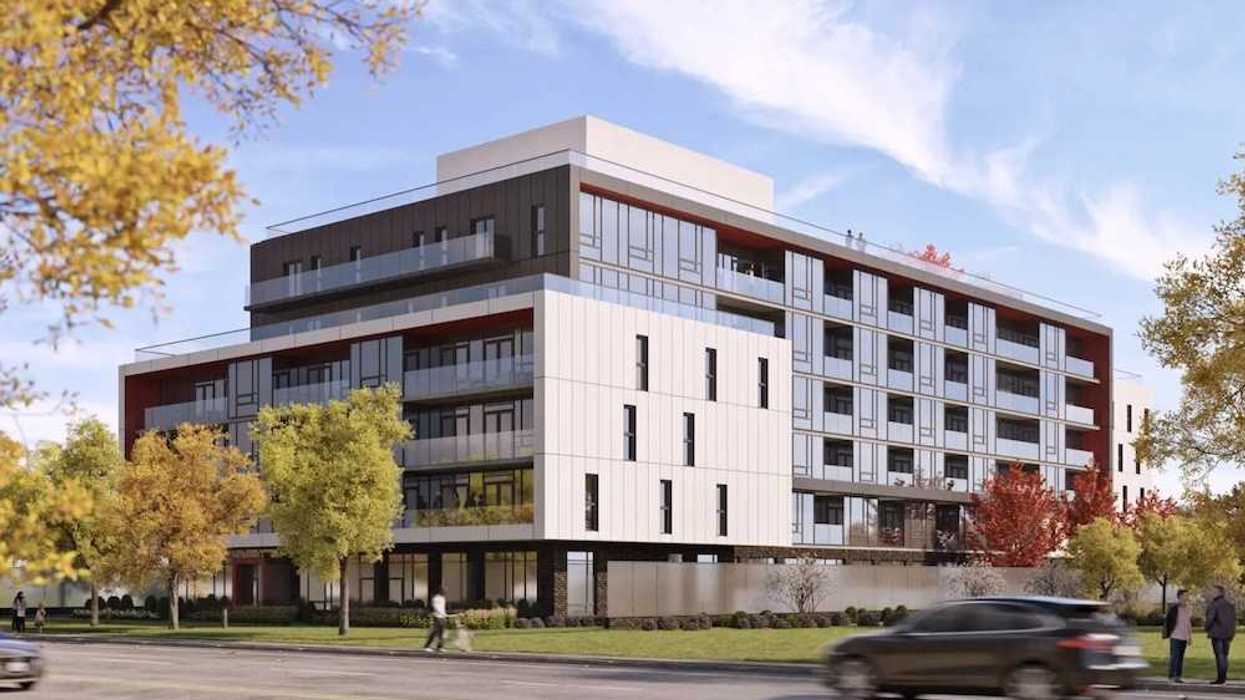
 Mondria One, set for 1607 King Street East in Clarington, Ontario. (ICON Architects Inc., Monde Development Group)