Deconversion
Deconversion is the process of turning condos back into rental units, shifting ownership housing into rental supply.
September 30, 2025
What is Deconversion?
Deconversion is the process of converting condominium units back into rental housing. It typically occurs when investors purchase a condo building and dissolve the condominium corporation to operate it as a rental property.
Why Deconversion Matters in Real Estate
Deconversion matters in real estate because it changes housing supply dynamics, often reducing ownership opportunities while increasing rental stock. It can be controversial among unit owners with differing interests.
Example of Deconversion in Action
An investment group buys out condo owners in a mid-rise building, dissolves the condo corporation, and reopens the building as a professionally managed rental complex.
Key Takeaways
- Converts condos back into rental housing.
- Typically involves investor buyouts of unit owners.
- Increases rental stock but reduces ownership options.
- Can create disputes among condo owners.
- Regulated by provincial condo and property laws.
Related Terms
- Condominium Corporation
- Purpose-Built Rental
- Rental Market
- Affordable Housing Program
- Ownership Rights
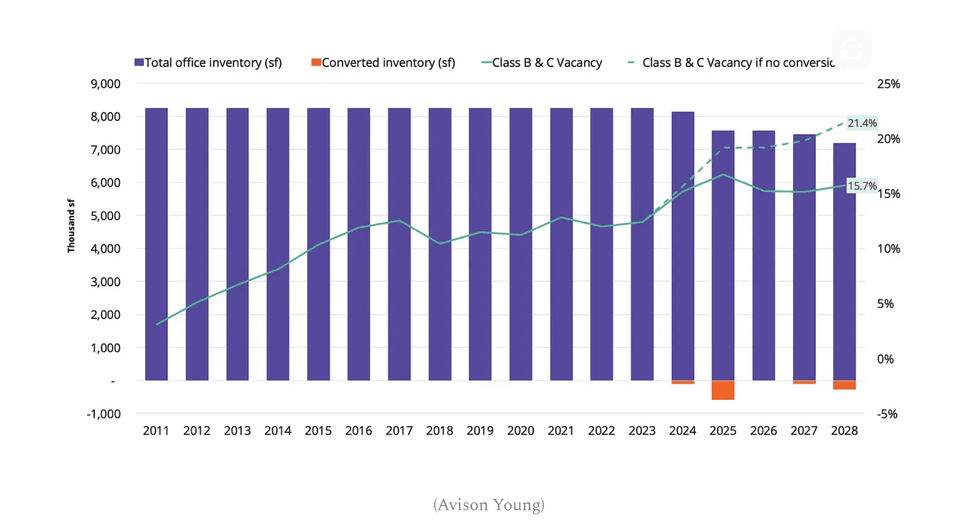 (Avison Young)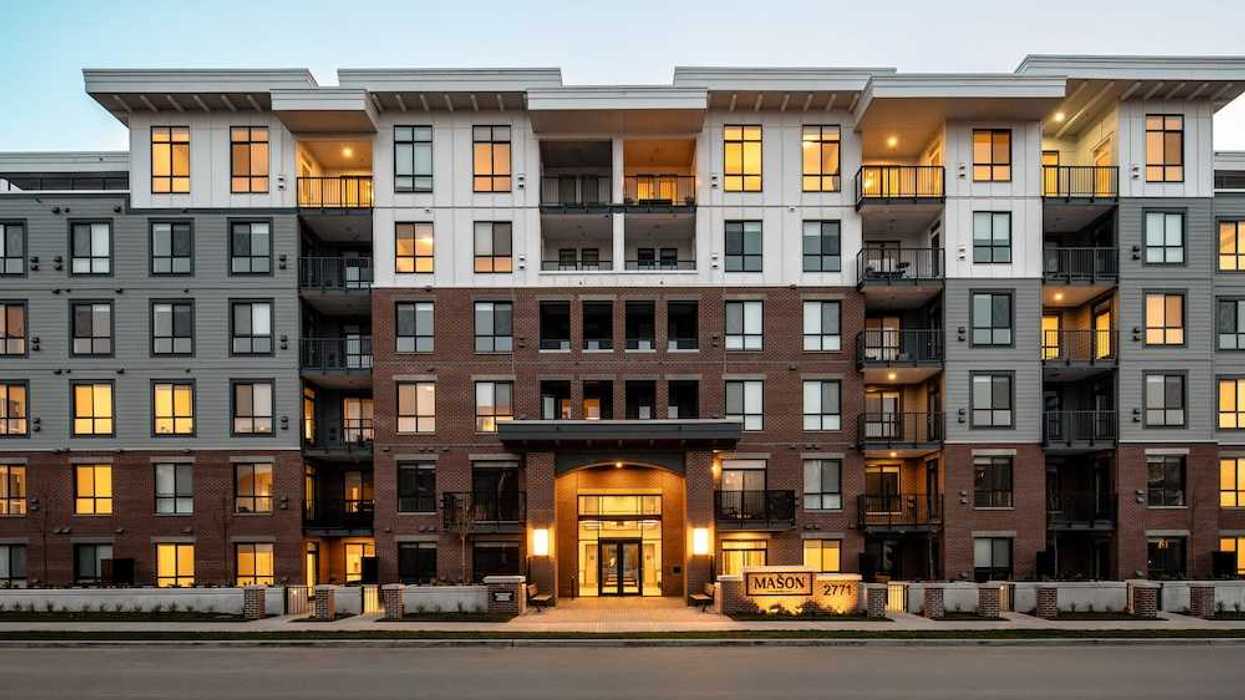
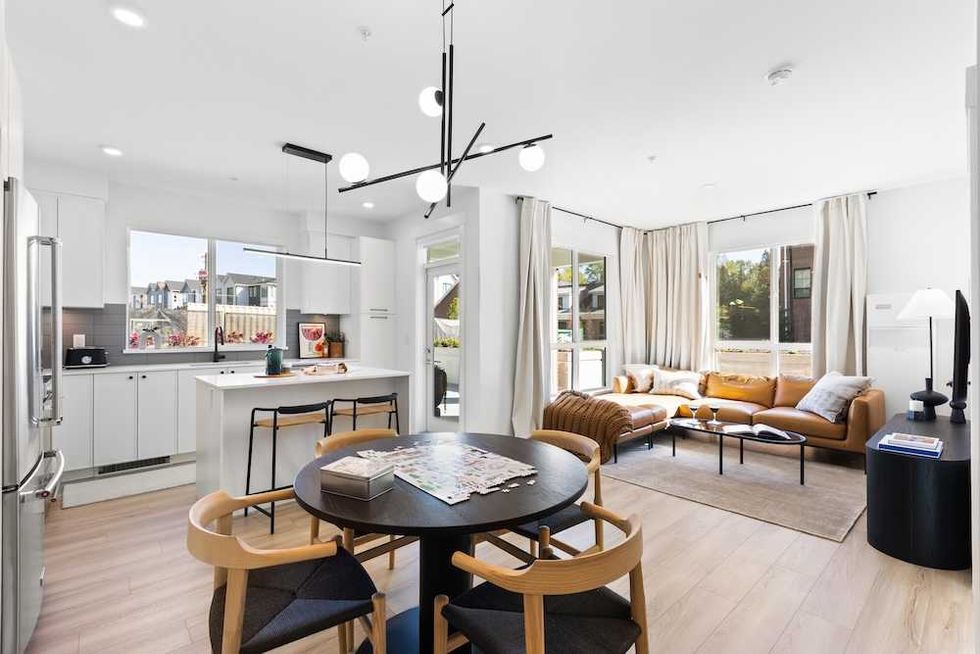 The Mason Suite Interior (Infinity Properties)
 The Mason Suite Interior (Infinity Properties)
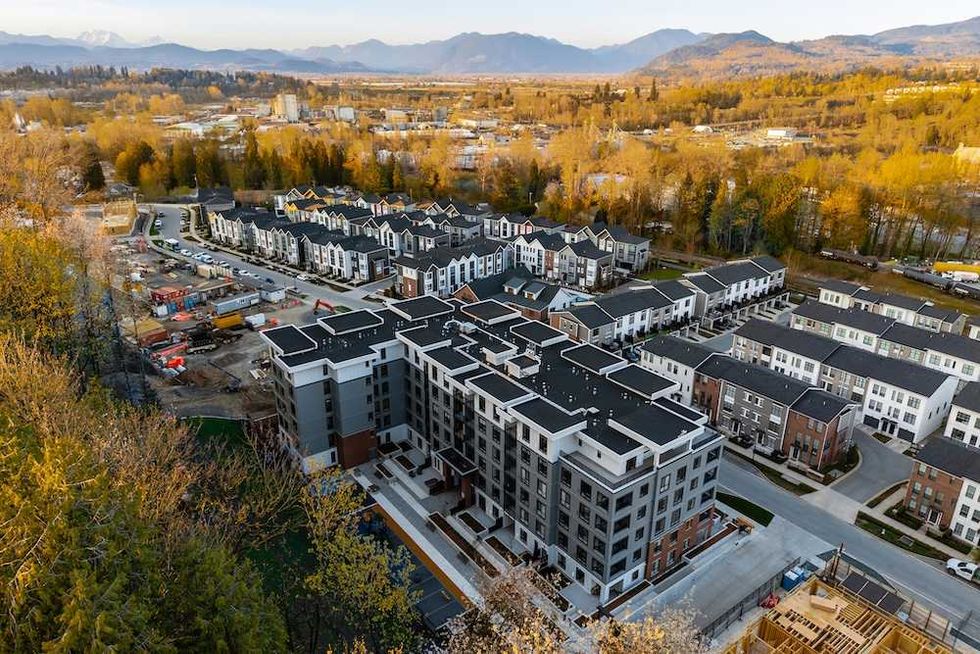 Rail District aerial (Infinity Properties)
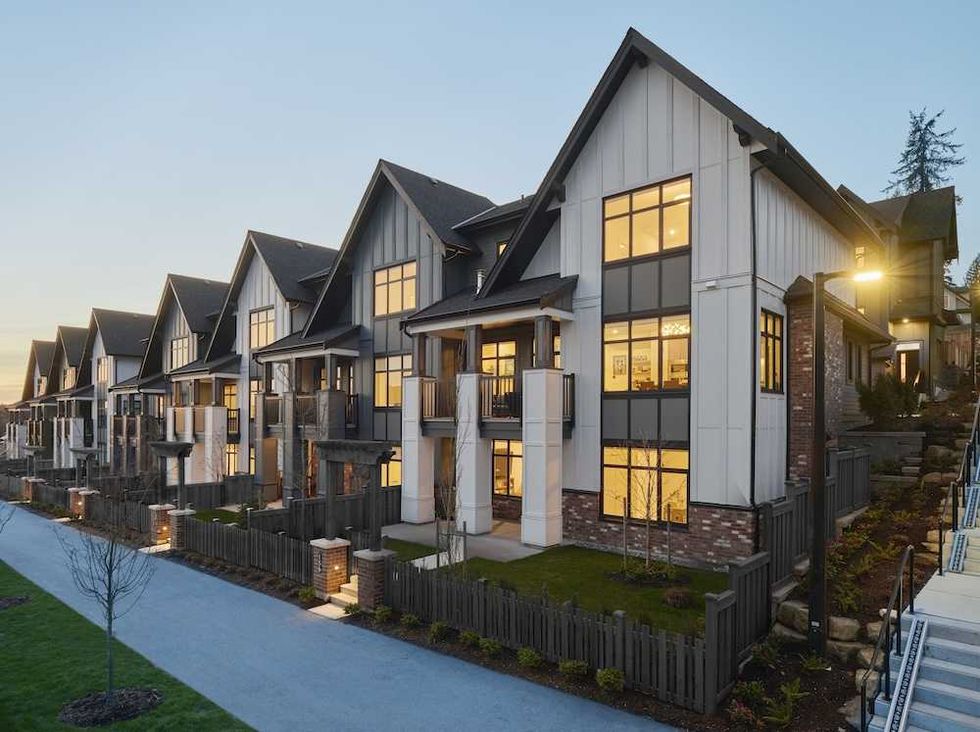 Versant (Infinity Properties)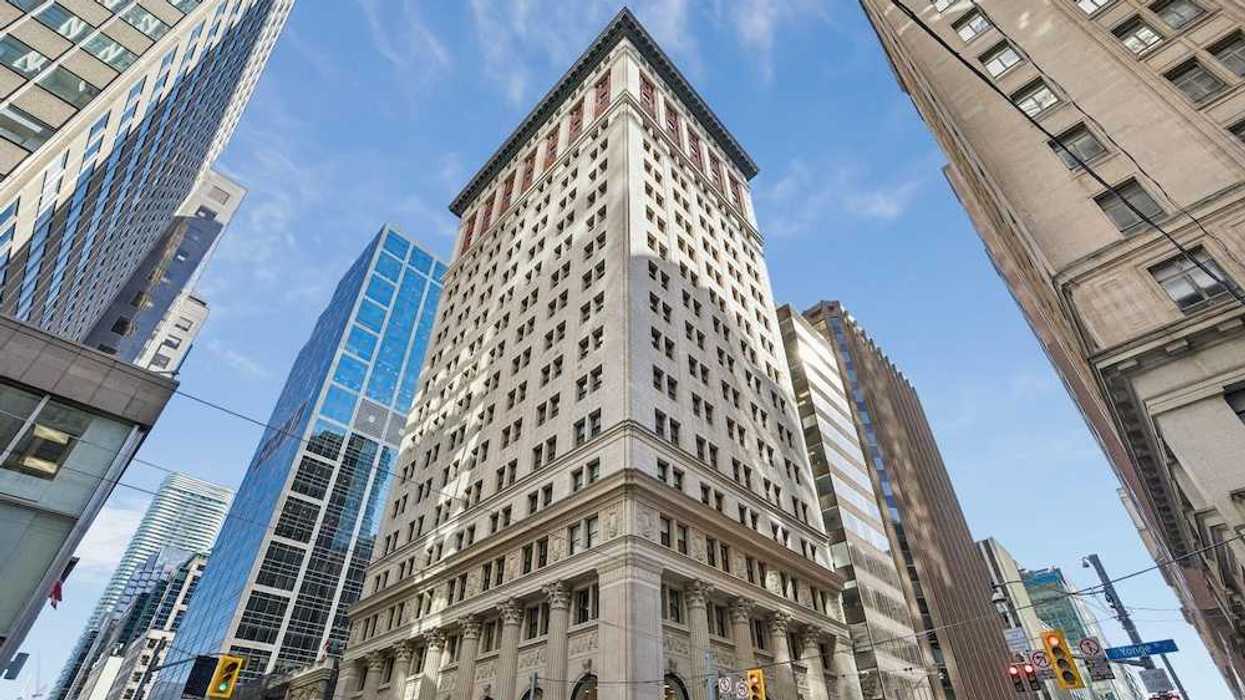




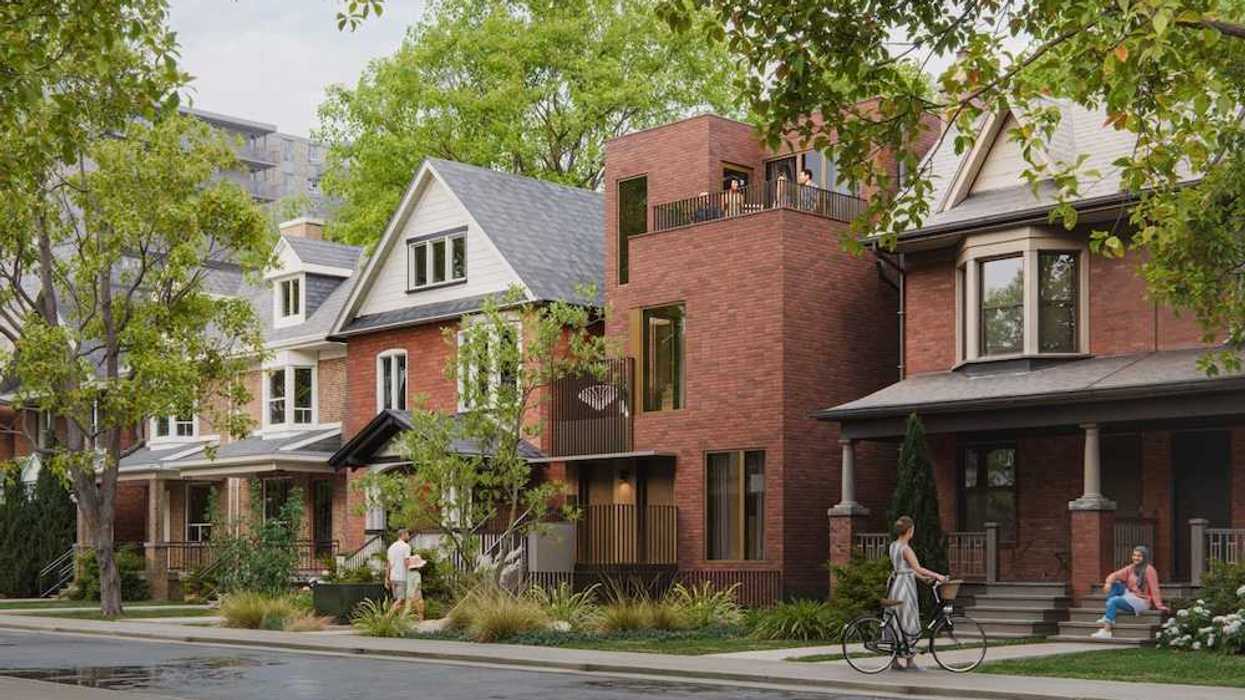
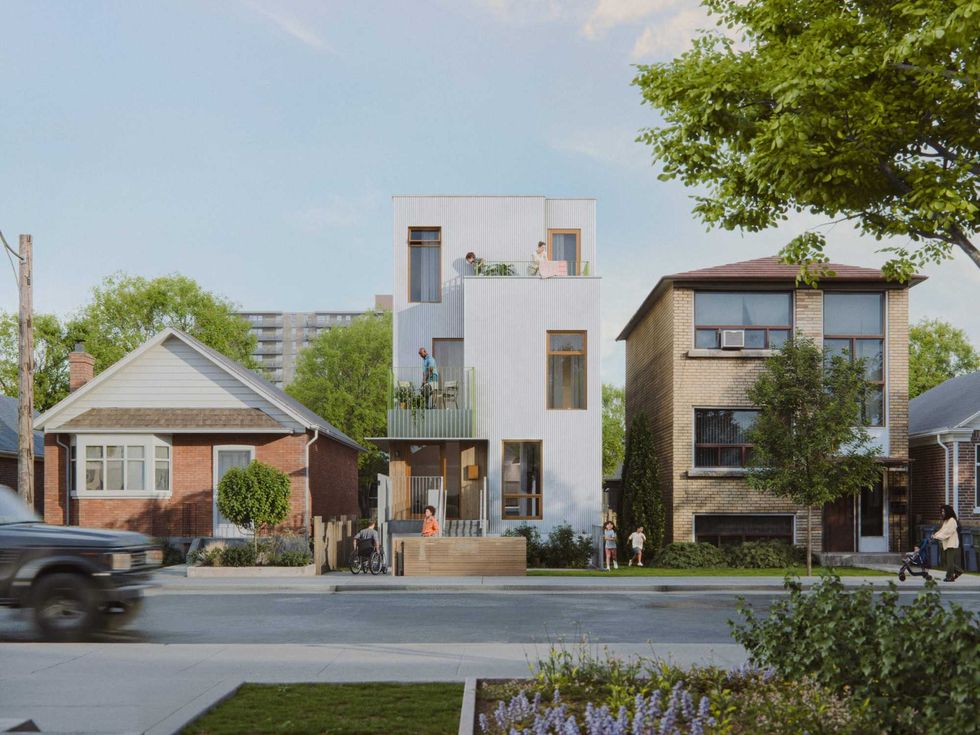 Narrow Fourplex (City of Toronto)
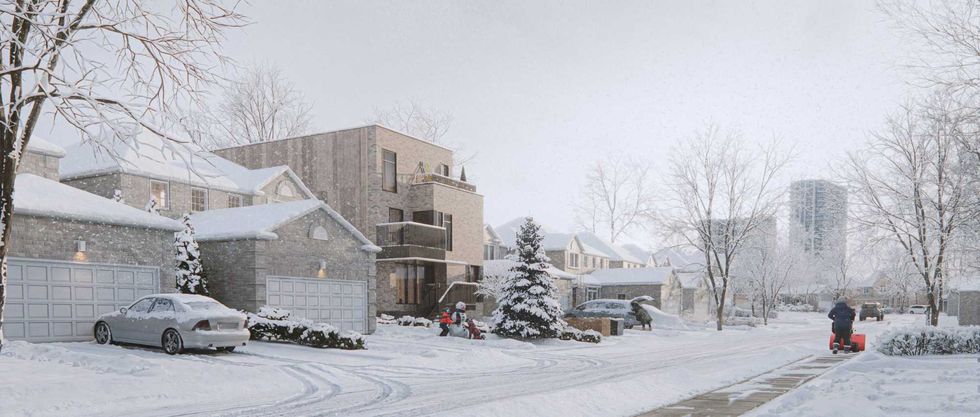 Wide Sixplex - Side View (City of Toronto)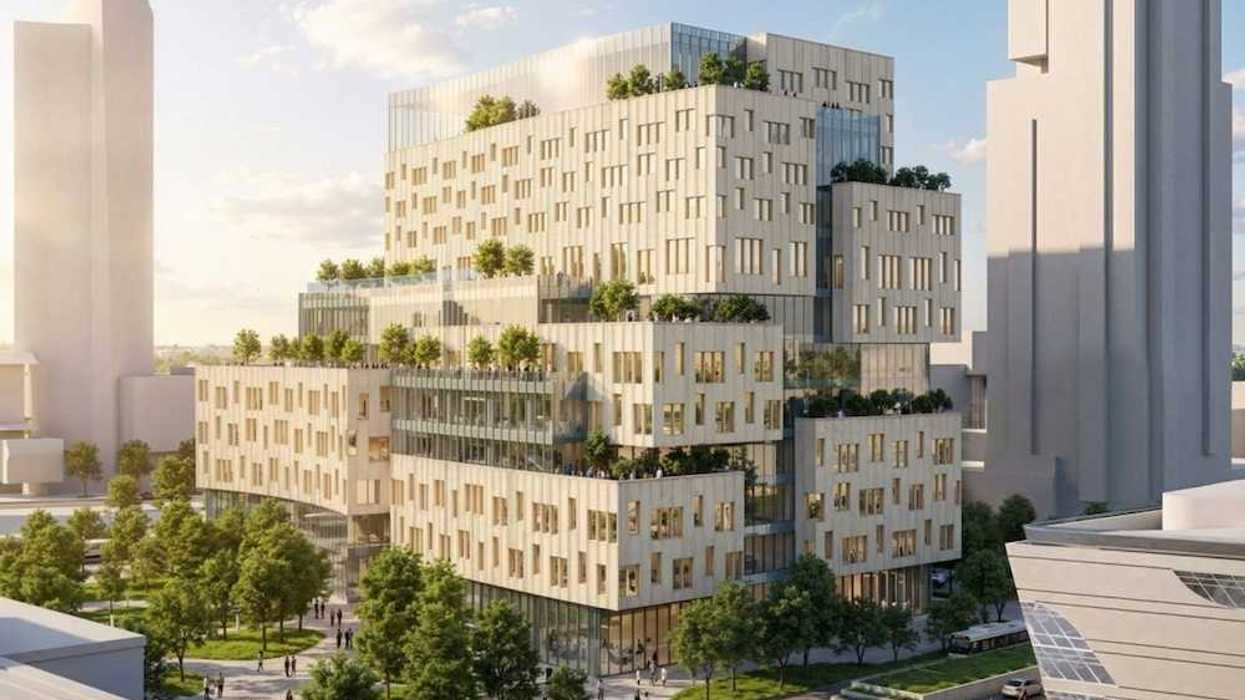
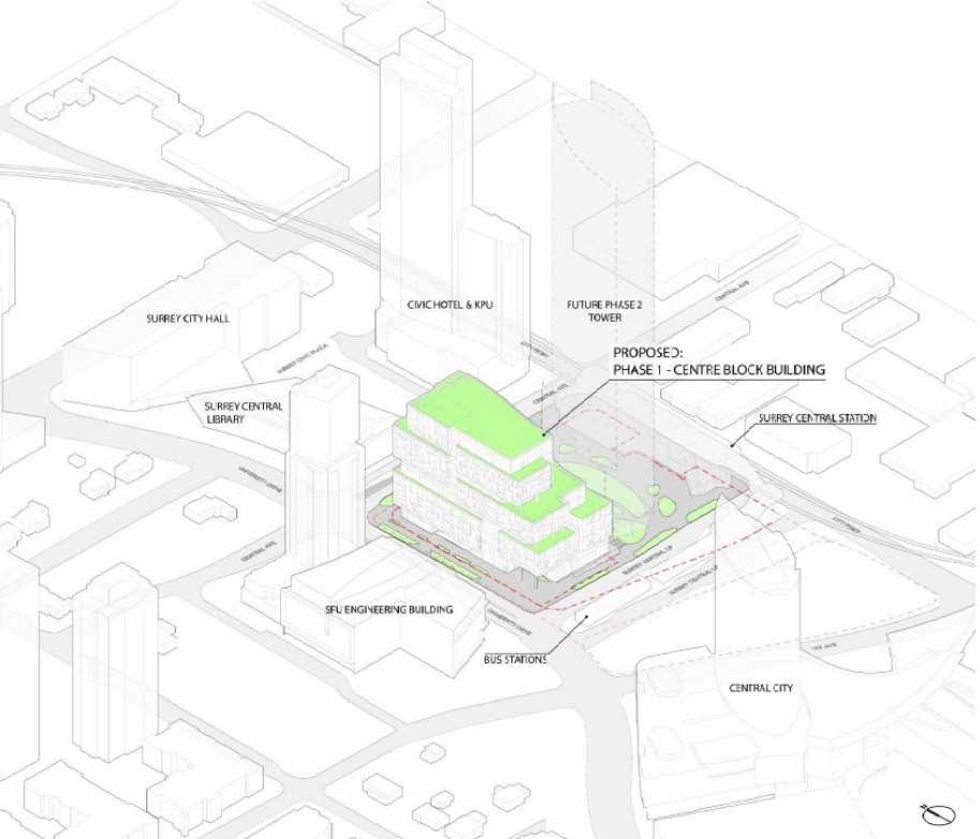 Centre Block and its surrounding context. (Stantec-Revery, SCDC)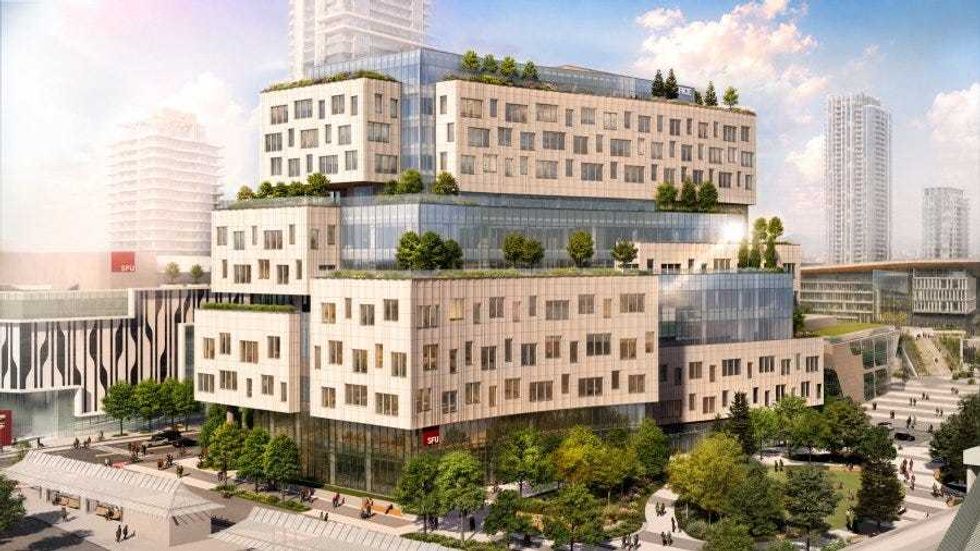
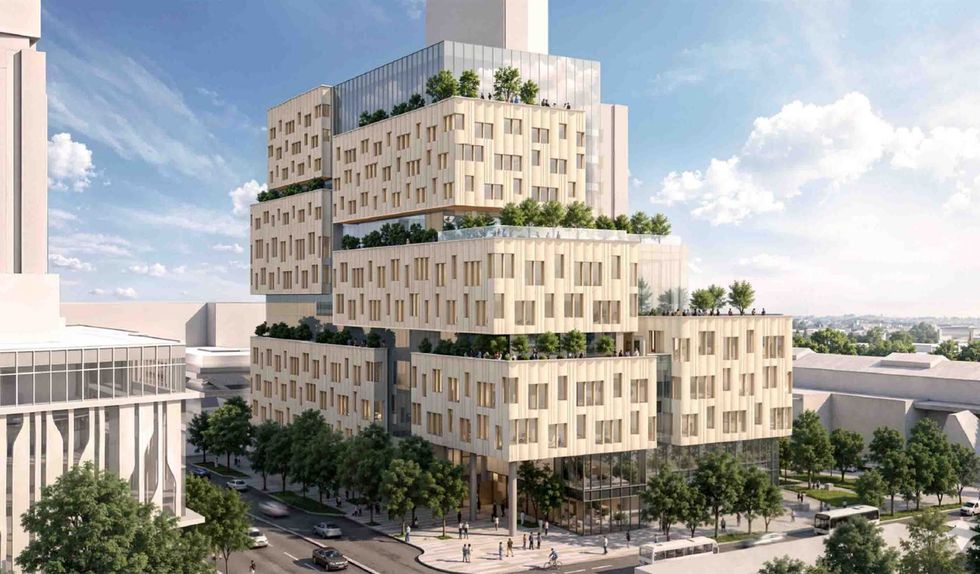 The 12-storey Phase One of Centre Block. (Stantec-Revery, SCDC)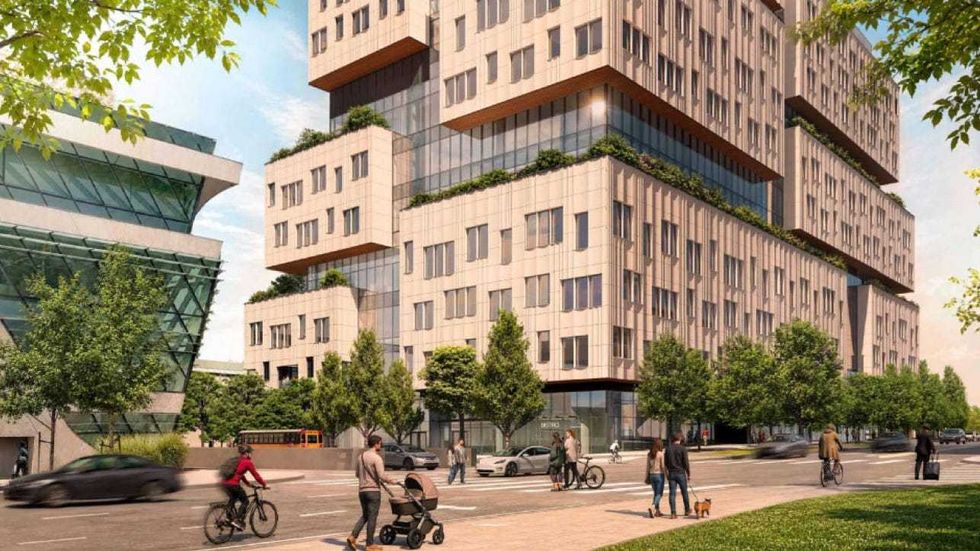
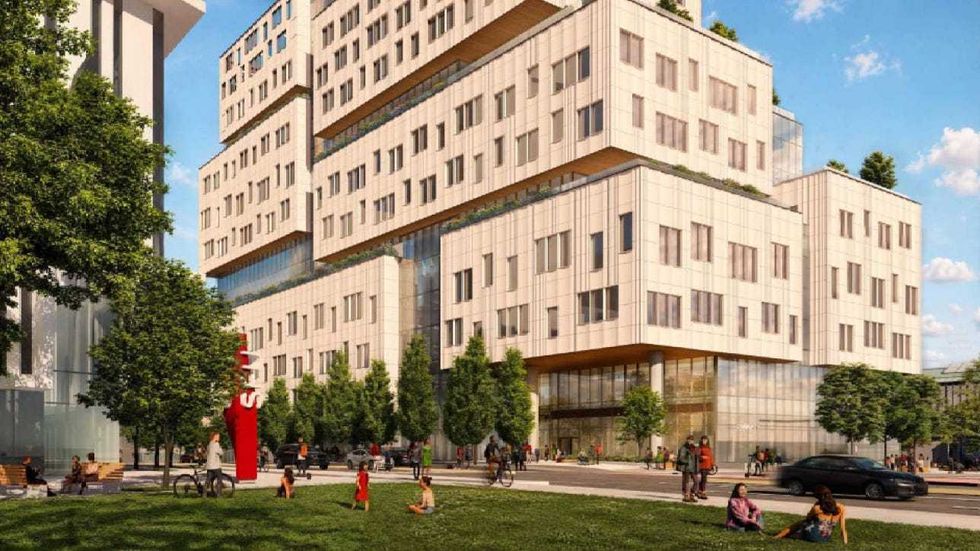 The 12-storey Phase One of Centre Block. (Stantec-Revery, SCDC)
 Mondria One, set for 1607 King Street East in Clarington, Ontario. (ICON Architects Inc., Monde Development Group)