Conditional Approval
Understand what conditional approval means in Canadian real estate, how it differs from pre-approval, and why it's key in securing a mortgage.

Conditional Approval
May 22, 2025
What is Conditional Approval?
Conditional approval is a preliminary approval given by a mortgage lender, indicating that a borrower qualifies for a mortgage based on specific conditions that must be met before full approval is granted.
Why Conditional Approval Matters in Real Estate
In Canadian real estate, conditional approval is a critical step in the home financing process. It shows that a lender is willing to offer a mortgage, provided the borrower satisfies certain requirements. These conditions can include:
- Verifying income and employment
- Providing property details or appraisal
- Meeting debt service ratio guidelines
- Confirming down payment sources
Unlike pre-approval, which is often based on self-reported information, conditional approval involves a deeper review of financial documents and creditworthiness. It gives buyers more confidence when making an offer but does not guarantee funding until all conditions are met. Conditional approval strengthens a buyer’s offer and may speed up the final mortgage process. However, failing to meet the conditions can lead to delays or a mortgage being declined, so it’s essential to understand and fulfill the lender’s requirements promptly.
Example of Conditional Approval
A buyer receives conditional approval for a $600,000 mortgage, pending verification of their income and submission of a satisfactory property appraisal.
Key Takeaways
- Indicates a lender is willing to fund a mortgage pending conditions.
- Requires financial verification and documentation.
- More rigorous than pre-approval.
- Helps buyers make competitive offers.
- Final approval only granted once all conditions are met.
Related Terms
- Mortgage Pre-Approval
- Firm Approval
- Pre-Qualification
- Financing Condition
- Lender Requirements












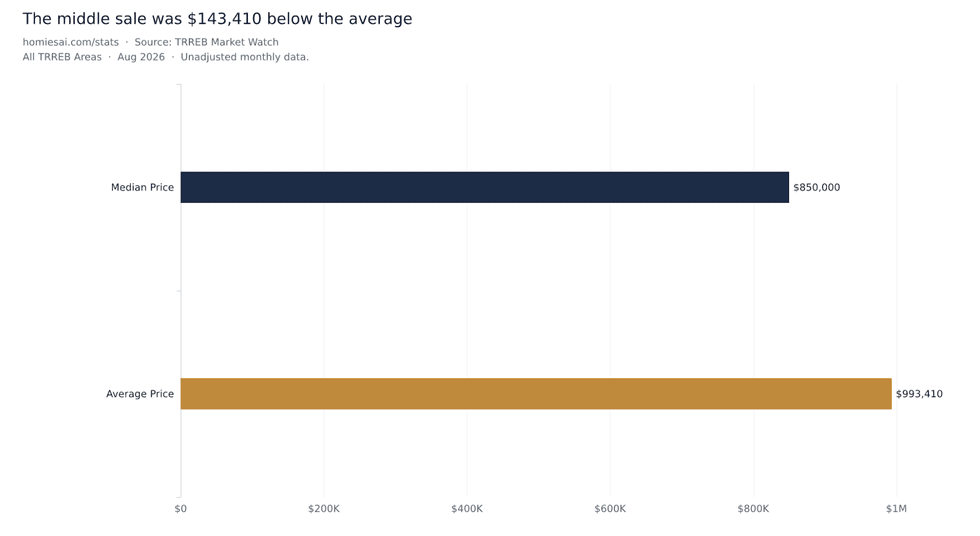 Average and median describe different aspects of the same month’s transactions. Both are affected by the mix of homes sold.
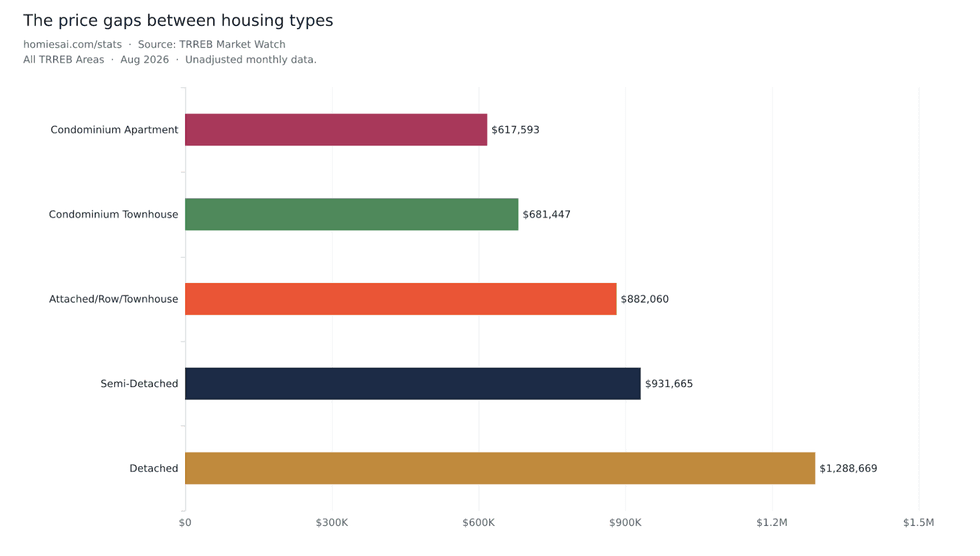 Category averages compare different homes and locations; the gaps are not estimates of the cost to upgrade an otherwise identical property.
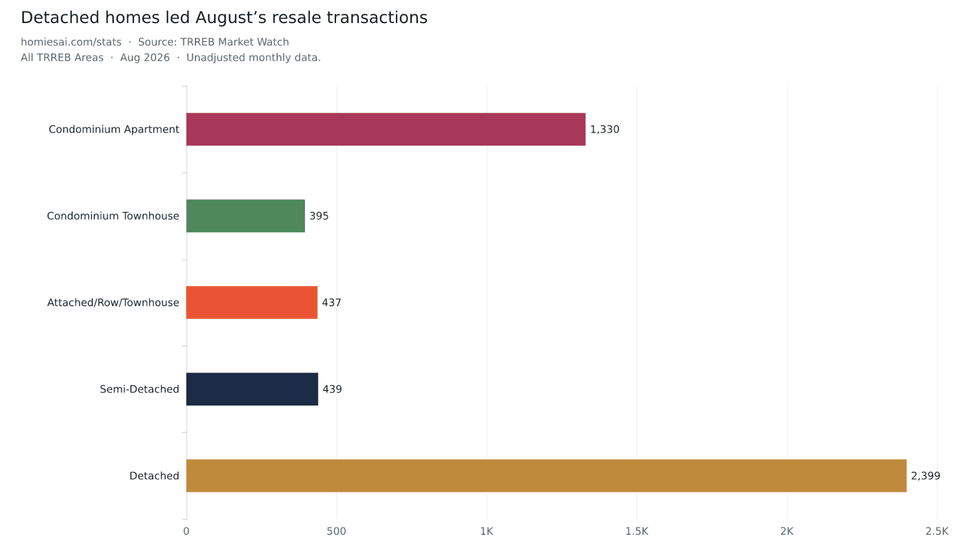 The five categories shown account for 5,000 of the board’s 5,057 sales. The remaining 57 transactions were in other housing categories.
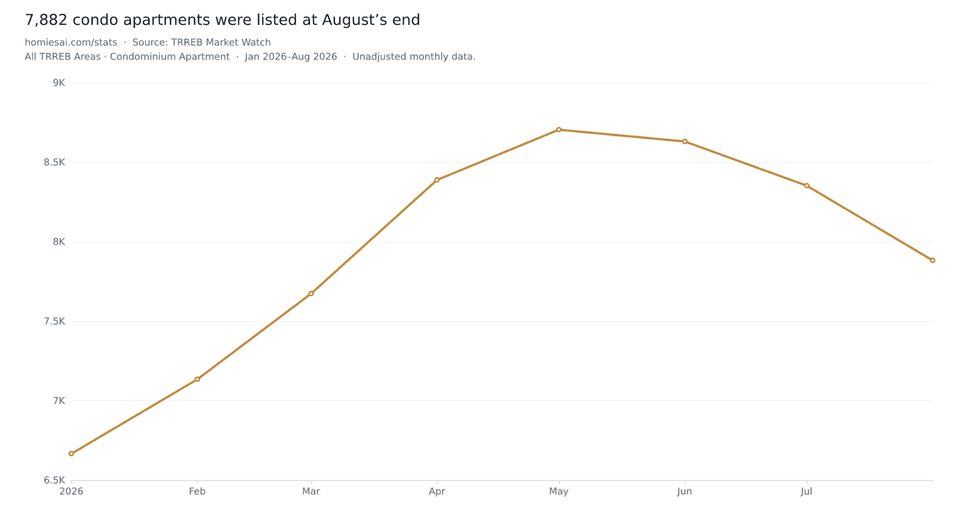 Monthly observations are not seasonally adjusted. Active listings count properties available at month-end; they are not construction inventory.
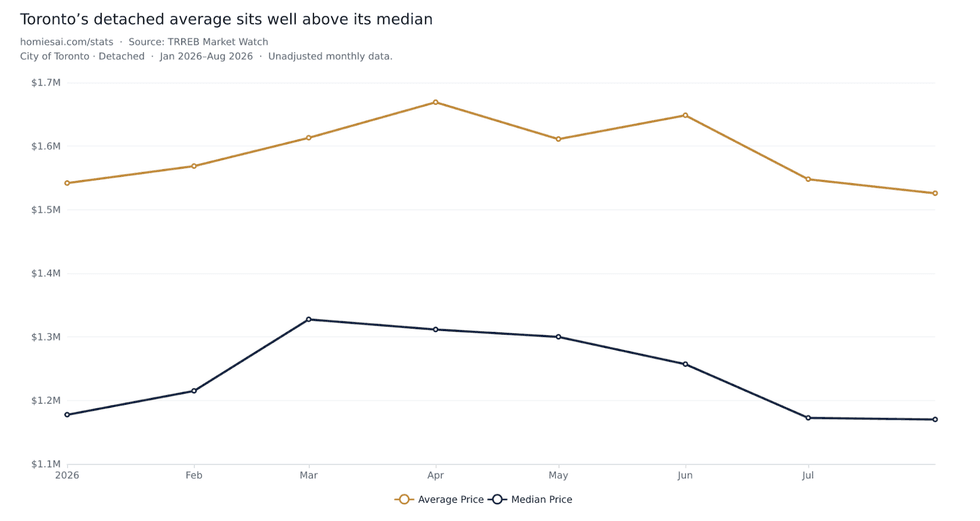 Average and median prices share one dollar axis. These unadjusted transaction measures do not control for changes in the homes sold.
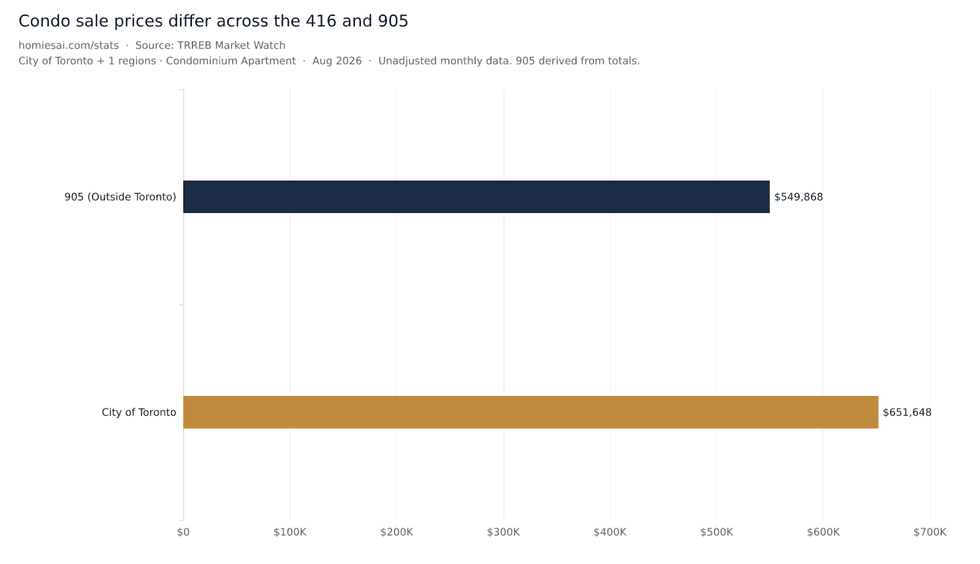 TRREB’s 416/905 categories compare the apartments sold in each area. The difference does not isolate a location premium for equivalent units.

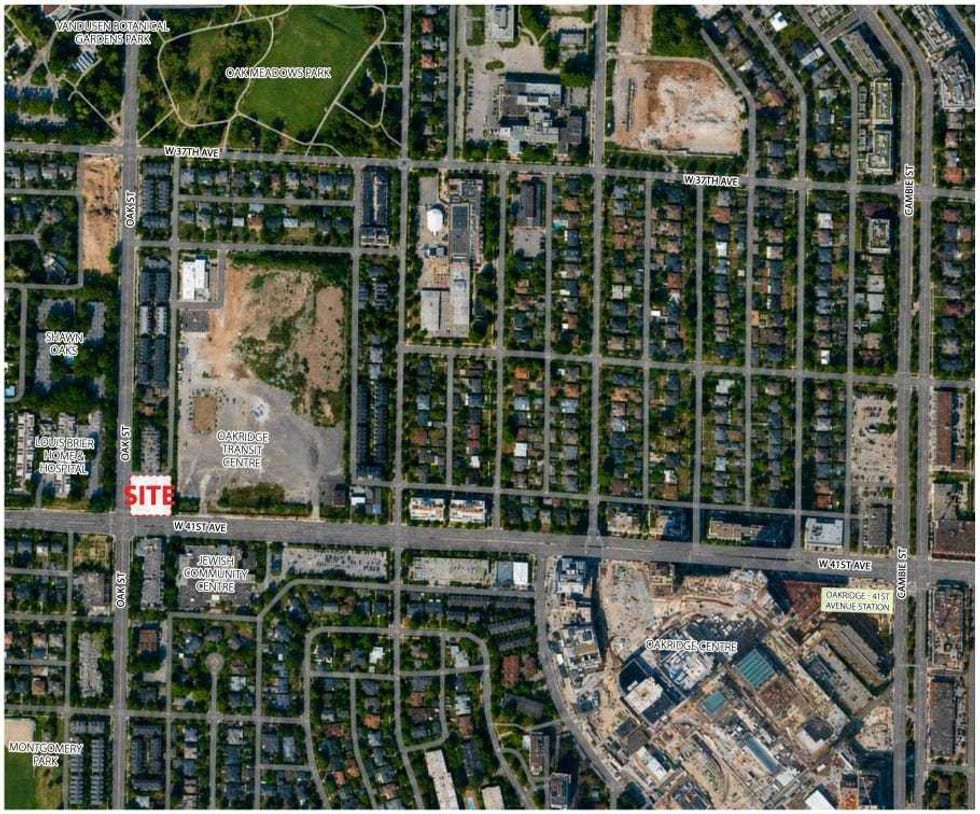 5680 Oak Street in Vancouver and its surrounding context. (MCMP Architects)
 Ground-level renderings of the tower proposed for 5680 Oak Street in Vancouver. (MCMP Architects)