Co-Housing Community
A co-housing community combines private homes with shared spaces, fostering affordability, sustainability, and social interaction.

September 29, 2025
What is a Co-Housing Community?
A co-housing community is a residential model where individuals or families live in private homes but share common facilities such as kitchens, gardens, and recreational areas. These communities emphasize collaboration and social interaction.
Why Co-Housing Communities Matter in Real Estate
Co-housing matters in real estate because it promotes affordability, sustainability, and social connection. It provides an alternative to traditional housing by balancing private space with shared resources.
Example of a Co-Housing Community in Action
A group of families develops a co-housing community with 30 private units and shared spaces including a community kitchen, garden, and childcare facilities.
Key Takeaways
- Combines private dwellings with shared common spaces.
- Encourages collaboration and social interaction.
- Supports affordability through shared resources.
- Alternative model to traditional ownership or renting.
- Popular in sustainable and intentional community movements.
Related Terms
- Cooperative Housing
- Shared Equity Housing
- Community Amenities
- Collective Ownership
- Affordable Housing Program

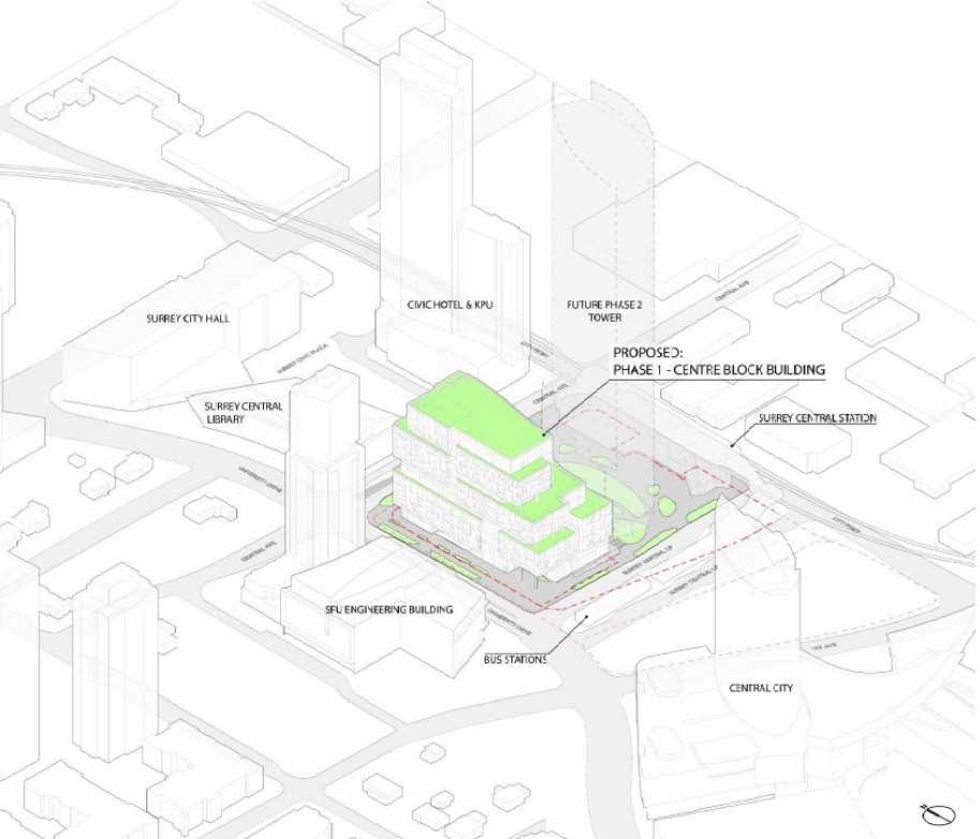 Centre Block and its surrounding context. (Stantec-Revery, SCDC)
 The 12-storey Phase One of Centre Block. (Stantec-Revery, SCDC)
 The 12-storey Phase One of Centre Block. (Stantec-Revery, SCDC)
 Mondria One, set for 1607 King Street East in Clarington, Ontario. (ICON Architects Inc., Monde Development Group)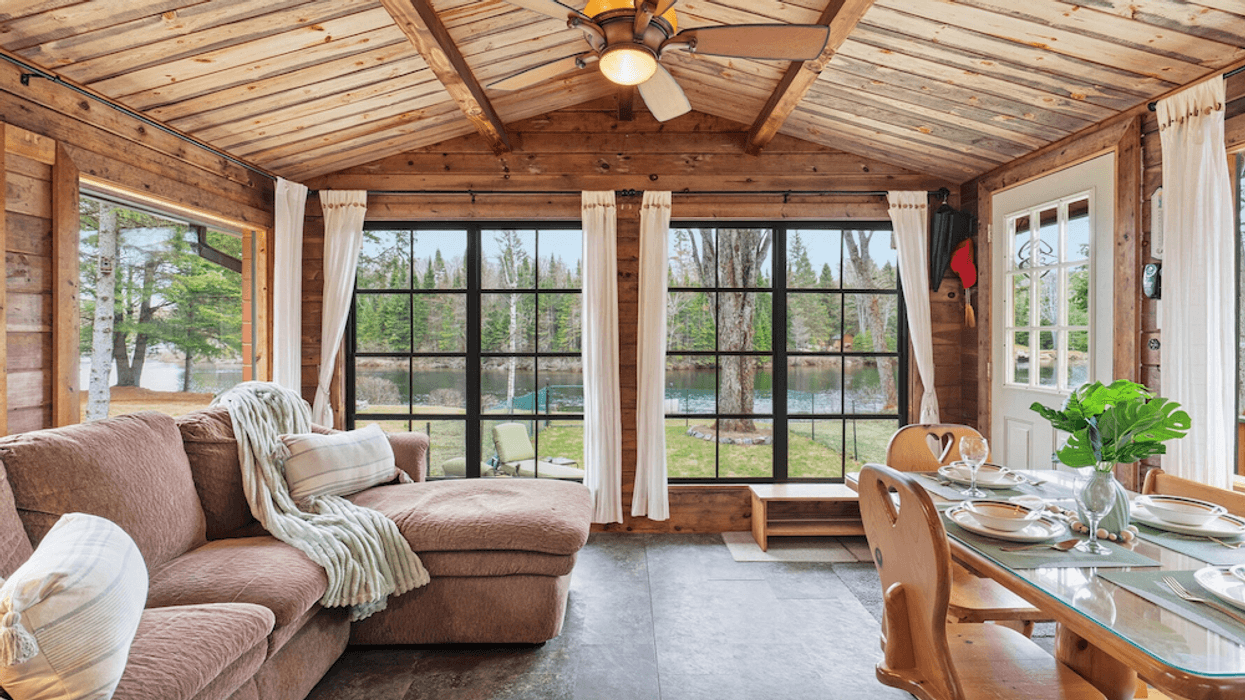


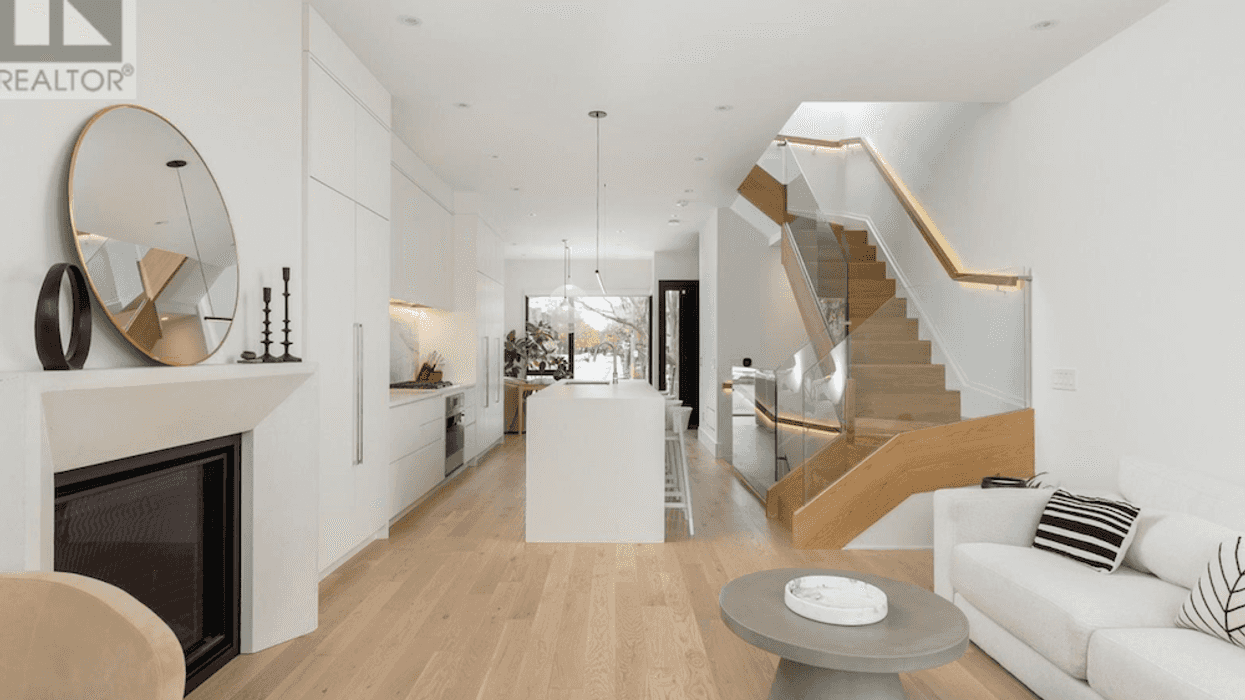





 Via STOREYS Editorial team

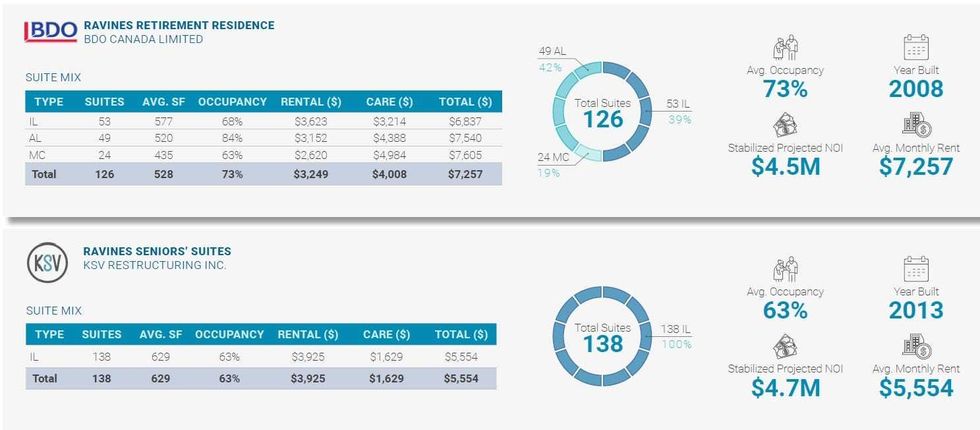 An overview of the two Ravine buildings. (Newmark)
 95 Clegg Road in Markham, Ontario. (Colliers)
 95 Clegg Road (centre) in Markham, Ontario. (Colliers)