Building Code Violation
Explore building code violations in Canadian real estate — what they are, their risks, and how they’re resolved.
July 27, 2025
What is a Building Code Violation?
A building code violation occurs when a property or construction project fails to meet the requirements set out in applicable building codes and safety regulations.
Why Building Code Violations Matter in Real Estate
In Canadian real estate, building code violations can delay sales, lead to fines, or require costly remediation.
Common violations:
- Improper electrical or plumbing work
- Unpermitted structural changes
- Inadequate fire safety measures
Understanding code violations helps owners, buyers, and builders manage risk and compliance.
Example of a Building Code Violation in Action
The inspector flagged a building code violation for a deck built without required safety railings.
Key Takeaways
- Property does not comply with code requirements
- May lead to fines or corrective orders
- Can delay sales or approvals
- Identified through inspections
- Requires professional remediation
Related Terms
- Building Permit
- Permit Compliance
- Home Inspection
- Unpermitted Work
- Final Inspection
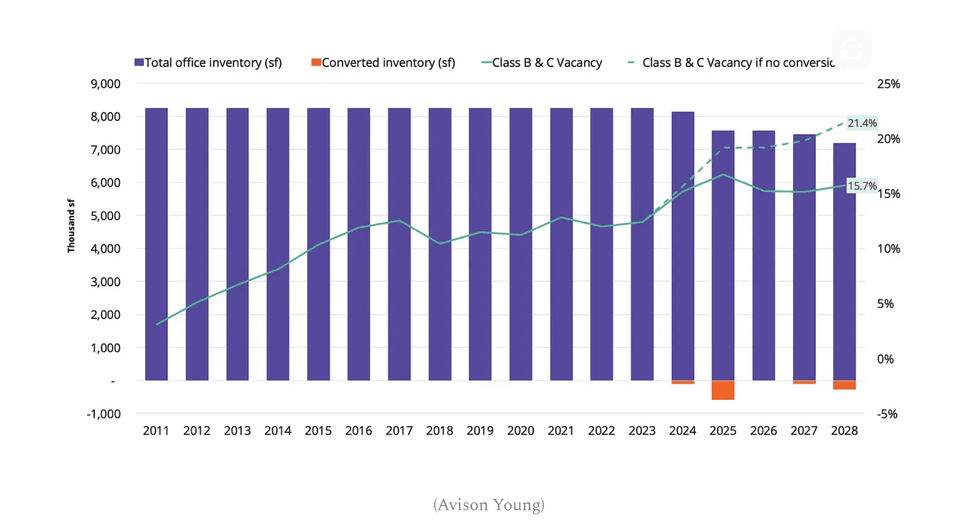 (Avison Young)
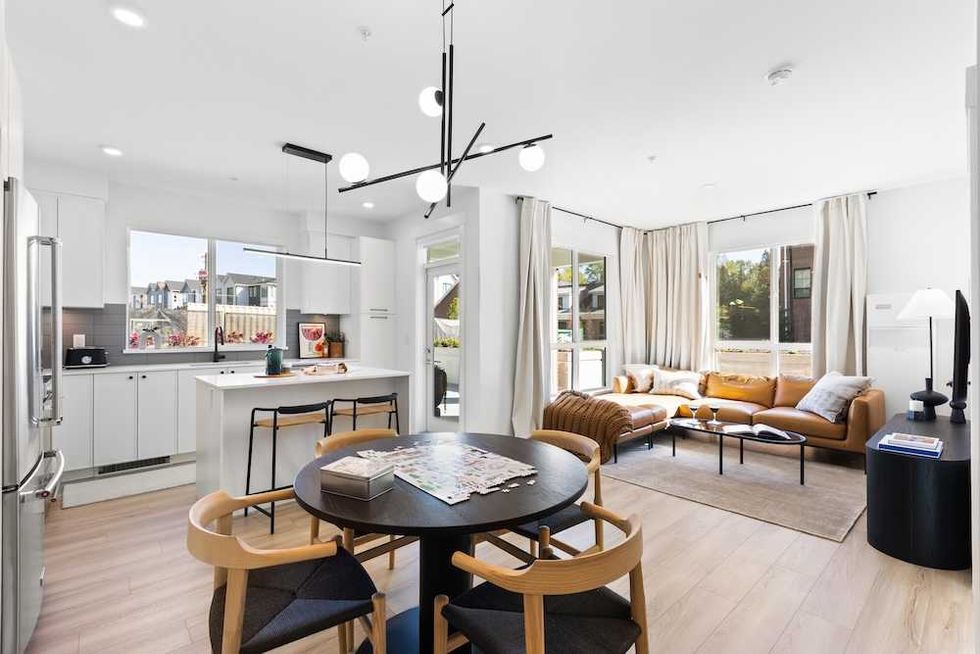 The Mason Suite Interior (Infinity Properties)
 The Mason Suite Interior (Infinity Properties)
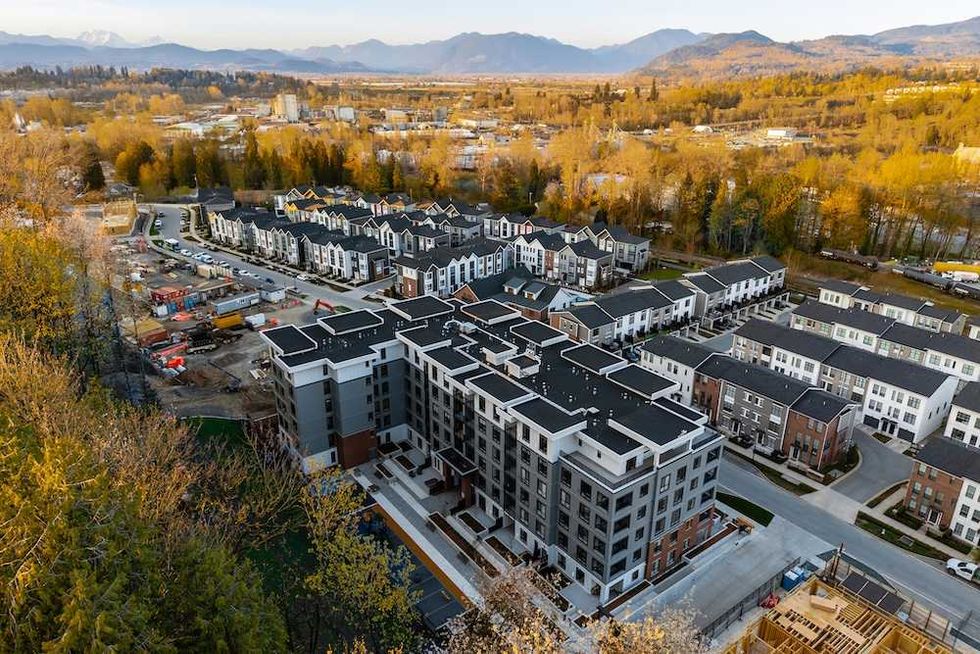 Rail District aerial (Infinity Properties)
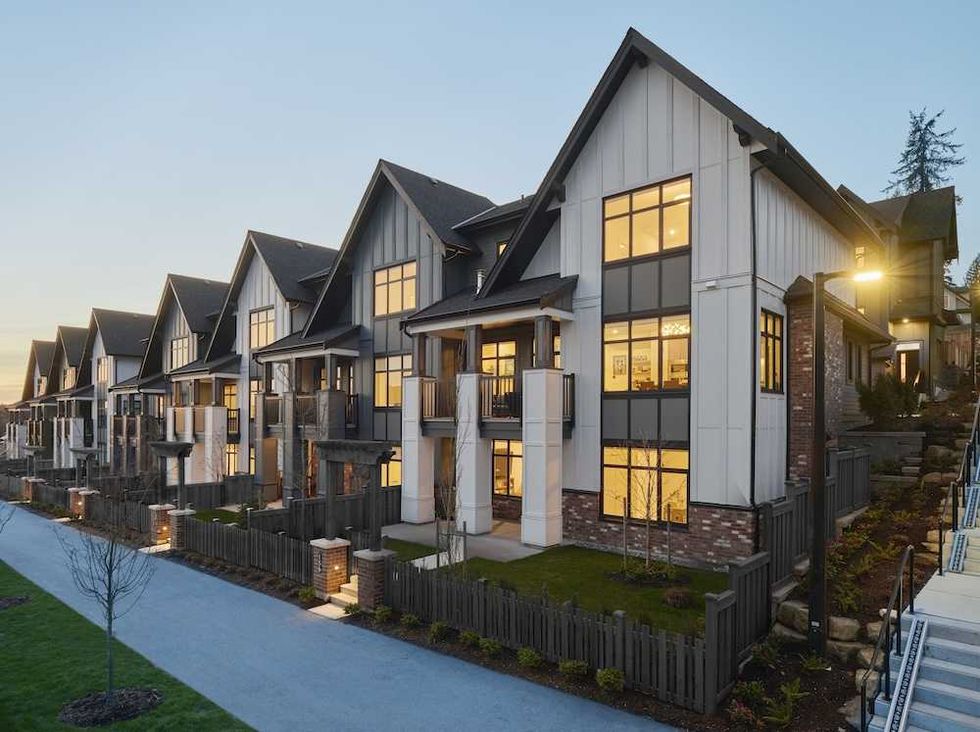 Versant (Infinity Properties)



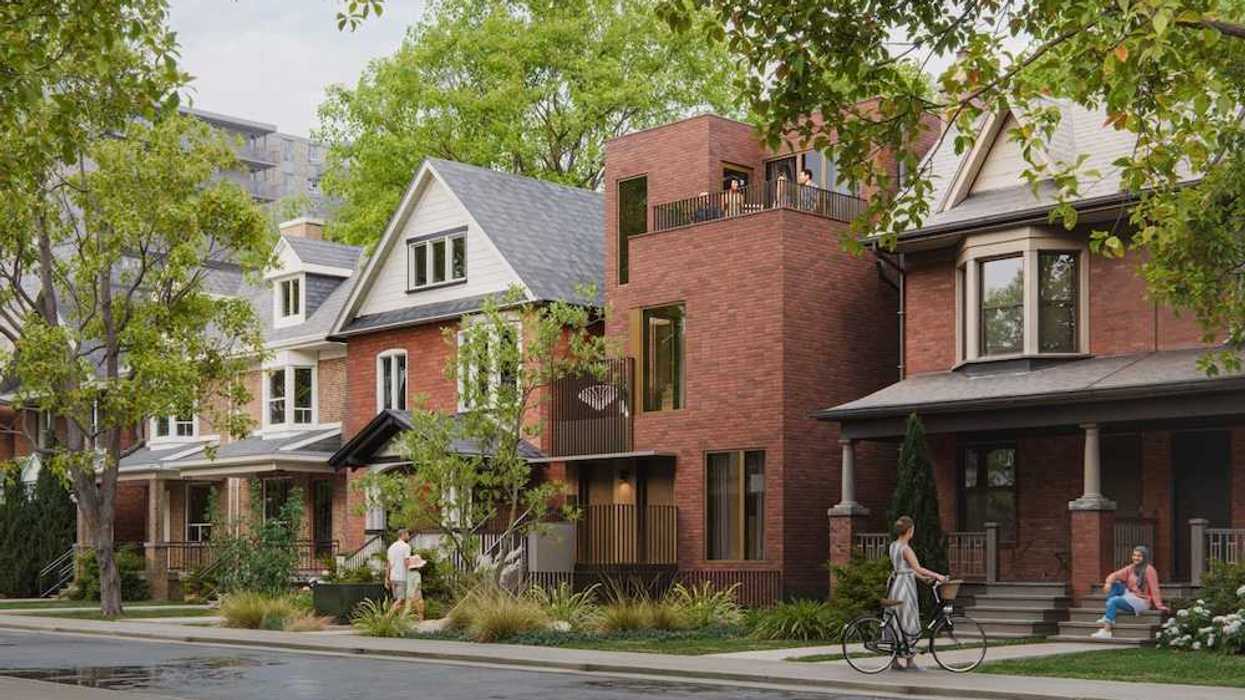
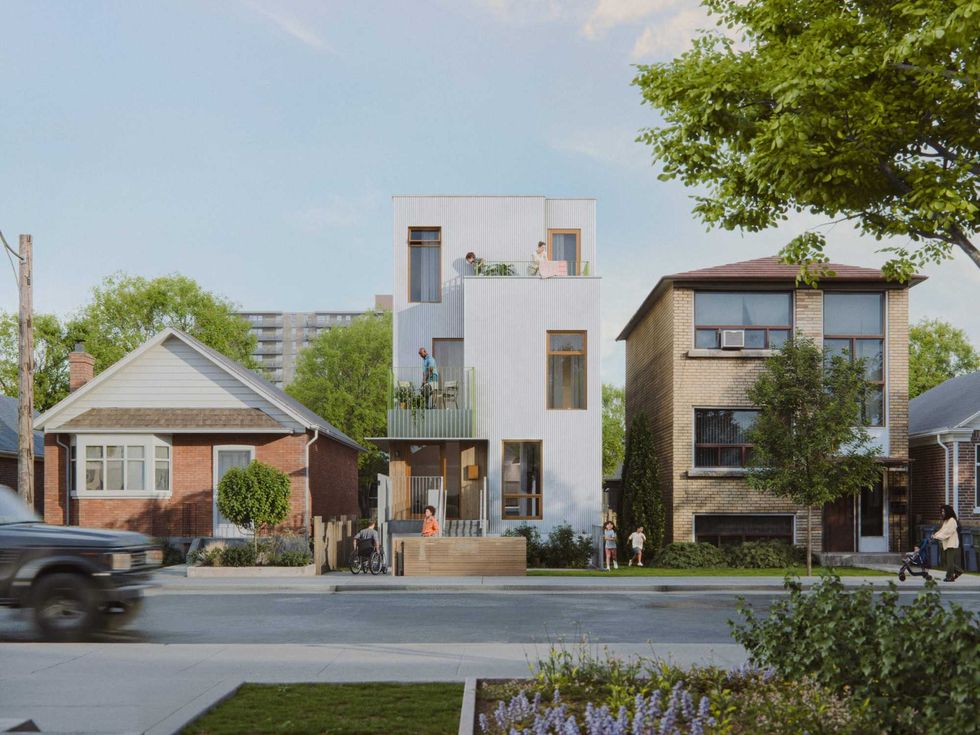 Narrow Fourplex (City of Toronto)
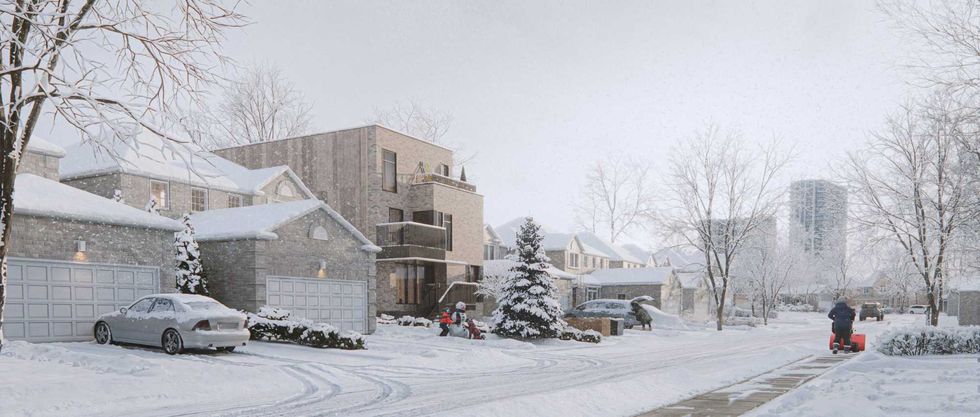 Wide Sixplex - Side View (City of Toronto)
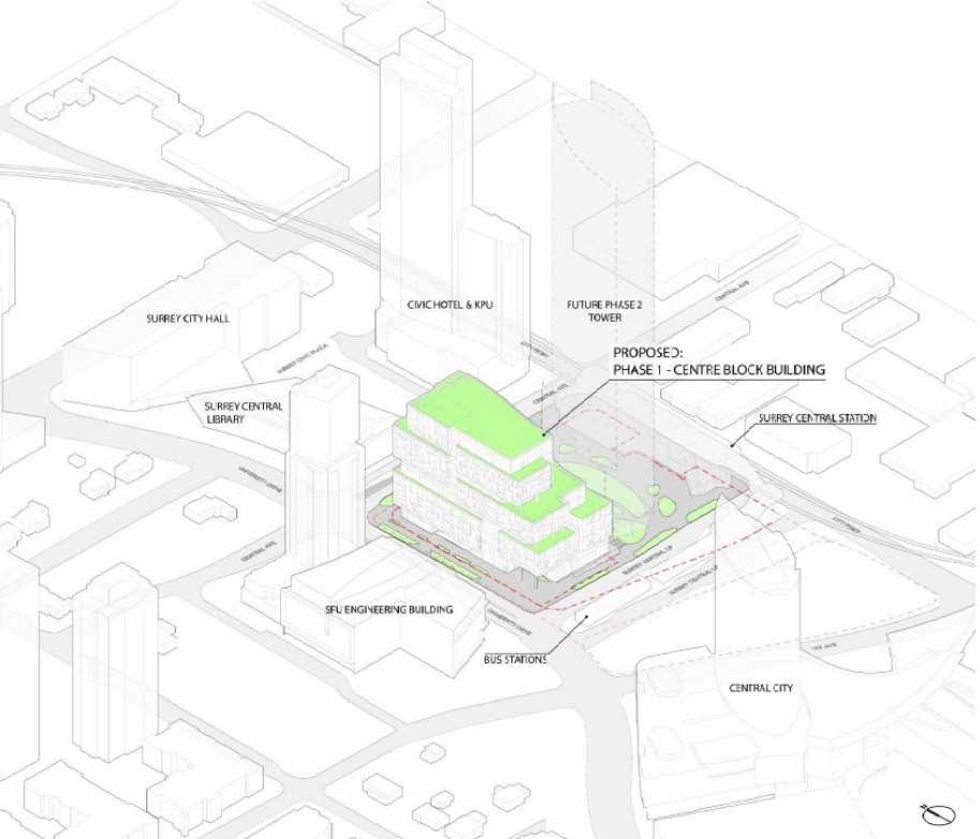 Centre Block and its surrounding context. (Stantec-Revery, SCDC)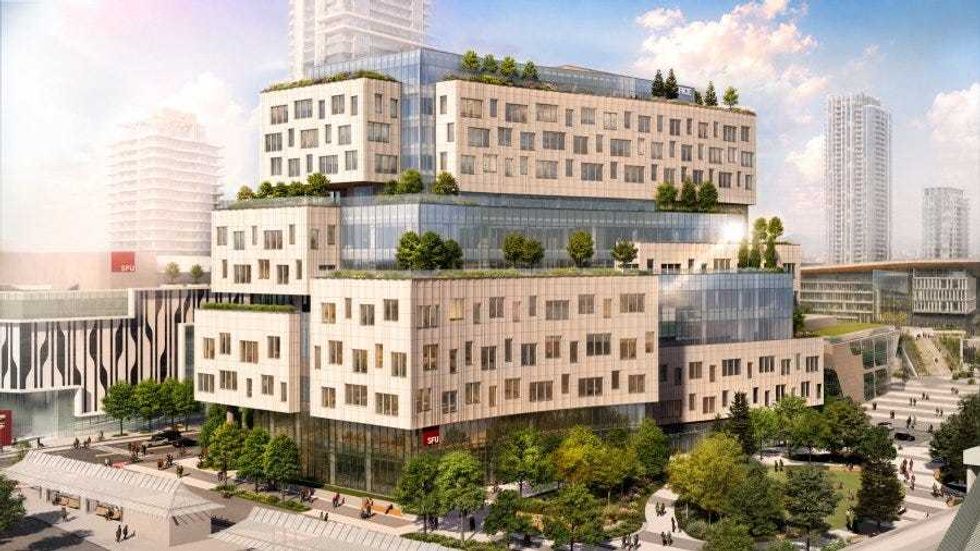
 The 12-storey Phase One of Centre Block. (Stantec-Revery, SCDC)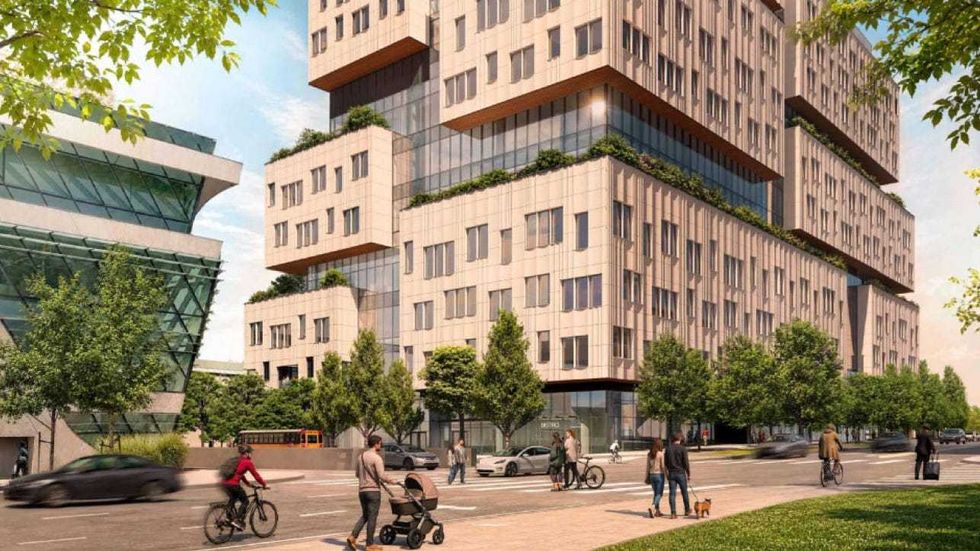
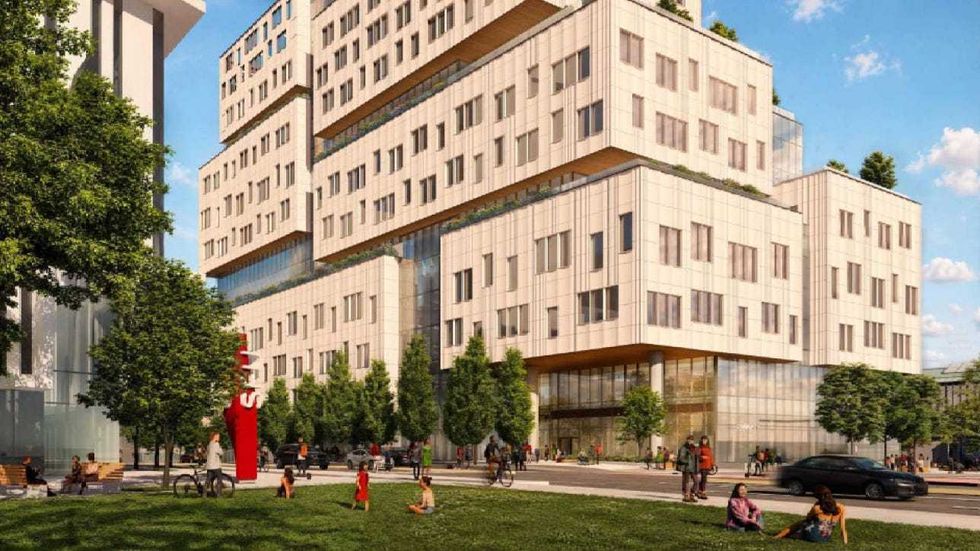 The 12-storey Phase One of Centre Block. (Stantec-Revery, SCDC)
 Mondria One, set for 1607 King Street East in Clarington, Ontario. (ICON Architects Inc., Monde Development Group)