Builder Compliance
Learn how builder compliance works in Canadian real estate, what it means for homebuyers, and why it’s essential for safe, code-compliant new construction.

May 22, 2025
What is Builder Compliance?
Builder compliance refers to the requirement that new home builders follow all applicable laws, regulations, and standards throughout the construction process, including building codes, safety regulations, warranty program rules, and licensing requirements.
Why Builder Compliance Matters in Real Estate
In Canadian real estate, builder compliance is essential to ensuring the safety, structural integrity, and long-term value of new homes. Municipalities and provincial agencies oversee compliance through inspections, permits, and warranty programs like Tarion in Ontario.Key aspects of builder compliance include:
- Securing building permits before construction begins
- Following the National Building Code and local regulations
- Registering with mandatory home warranty programs
- Undergoing periodic inspections at various construction stages
- Adhering to environmental and safety protocols
Buyers of new homes should verify that the builder is registered, request warranty documents, and ensure that inspections are passed. Builders that meet compliance standards are more likely to deliver quality, safe homes with fewer post-construction issues.
Example of Builder Compliance
A builder in Ontario must register with Tarion, obtain all required permits, and pass municipal inspections before homeowners can legally occupy the new homes.
Key Takeaways
- Ensures legal, safe home construction.
- Builders must follow codes, obtain permits, and register warranties.
- Protects buyers from substandard work.
- Required for occupancy approvals.
- Compliance varies by province.
Related Terms
- Building Permit
- Tarion Warranty
- New Construction
- Occupancy Permit
- Home Inspection
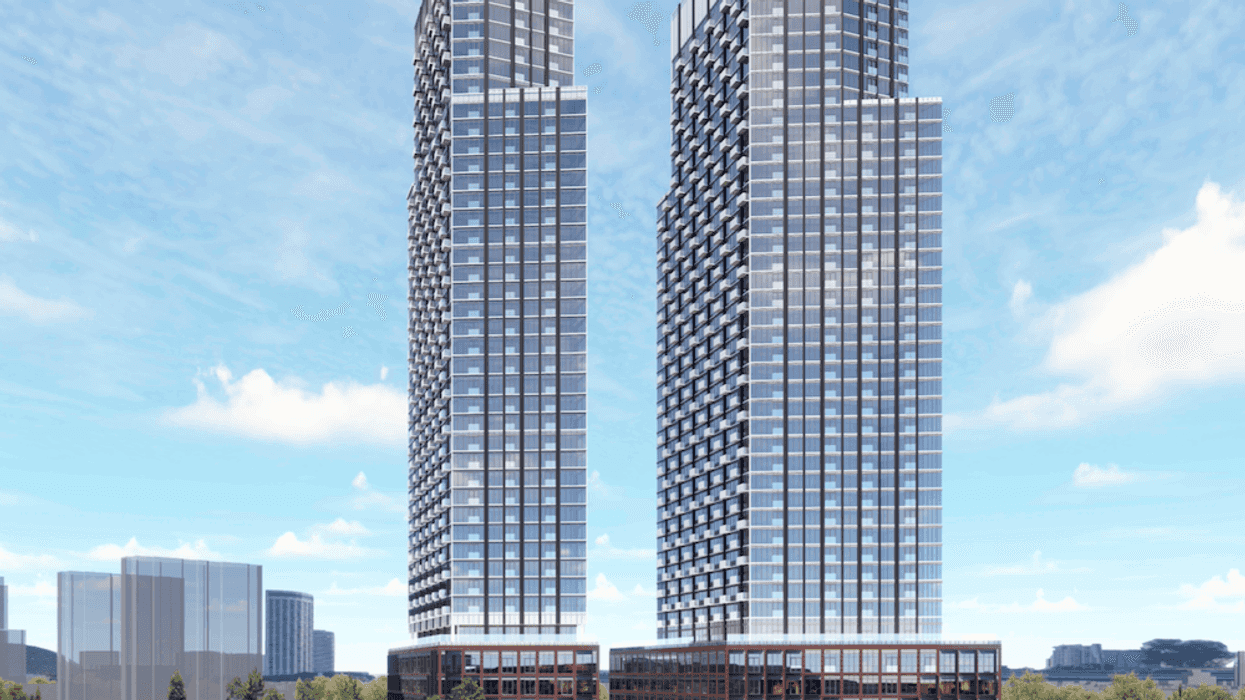
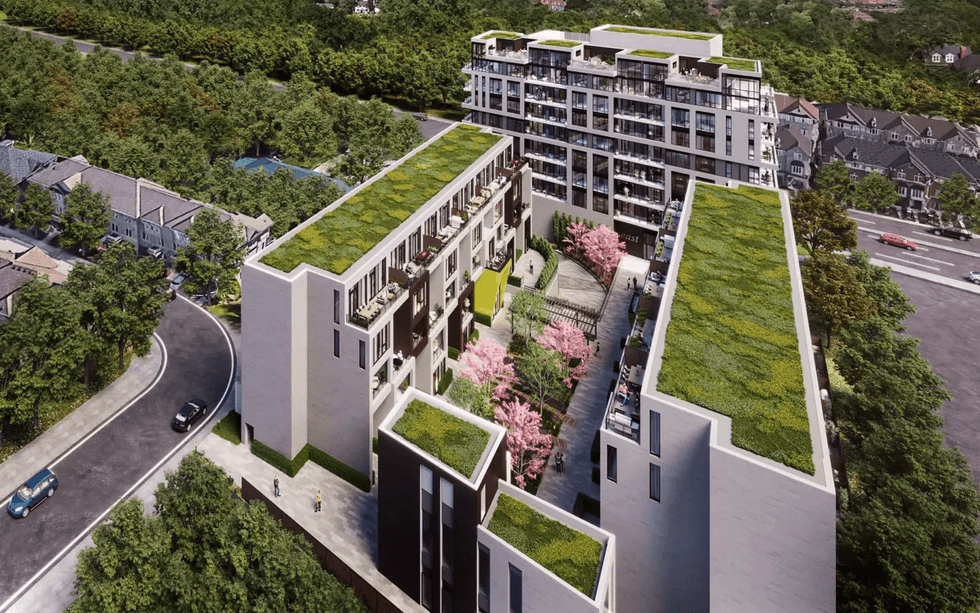 A rendering of the EverHome project. (The Sher Corporation)



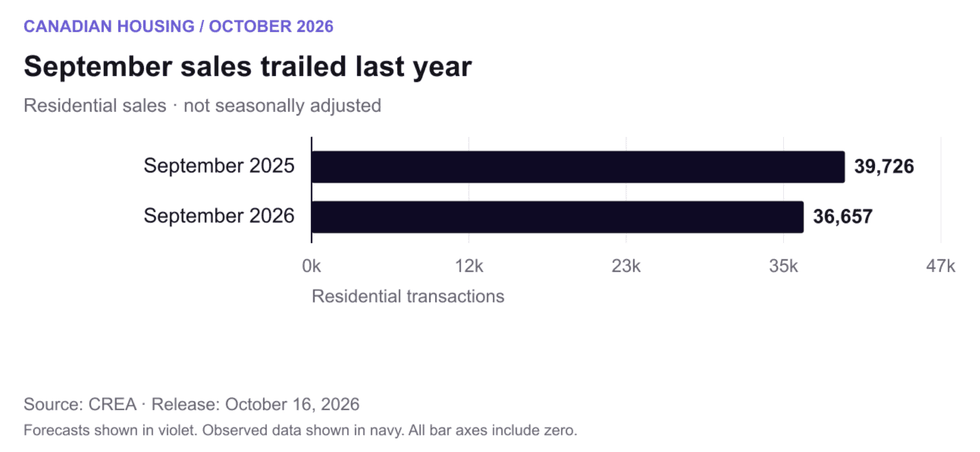 September residential sales, not seasonally adjusted; the annual comparison uses CREA’s revised figures. Chart:
 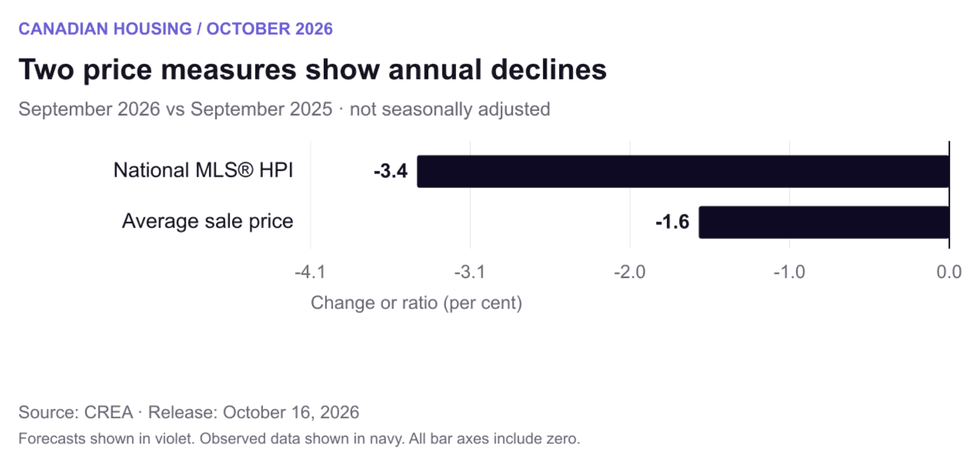 Annual changes in the unadjusted national MLS® HPI and average sale price. The average is affected by the mix of transactions. Chart:
 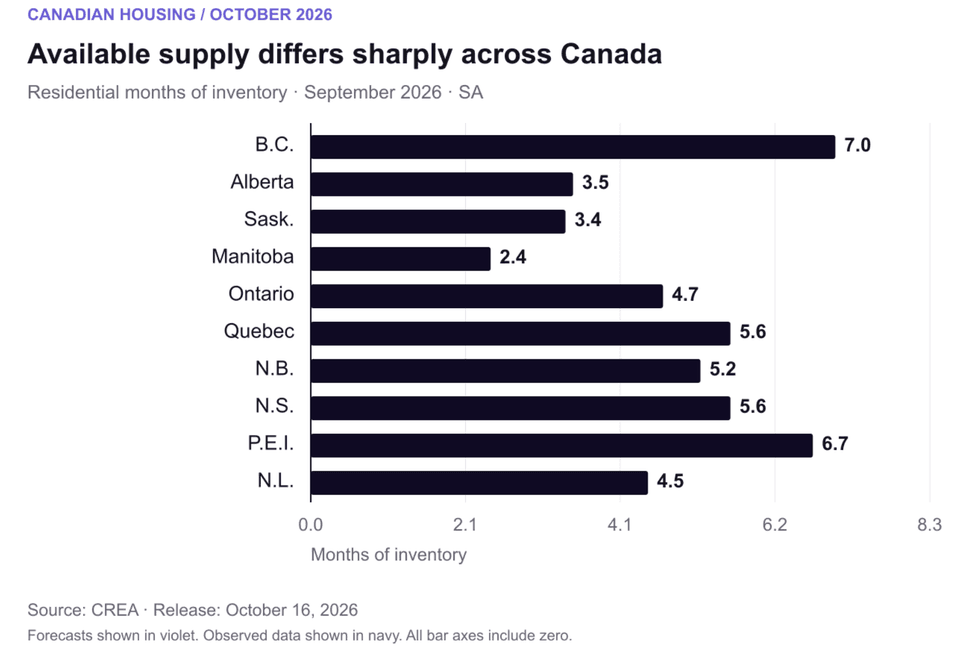 Seasonally adjusted residential months of inventory by province. Local property types can differ substantially. Chart:
 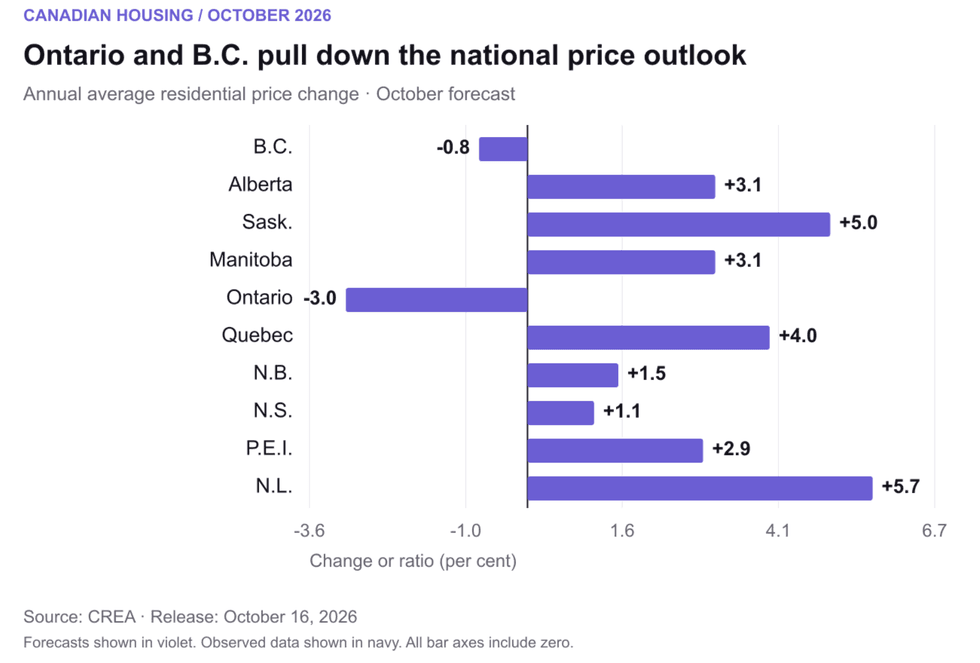 Ontario and B.C. are the two provinces with forecast annual average-price declines in 2026. Chart:
 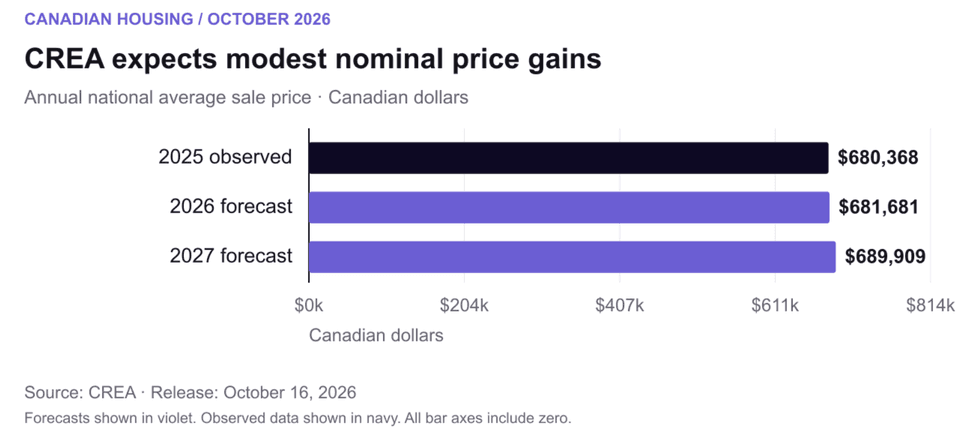 Annual average transaction prices in Canadian dollars. Forecast values are not December price targets. Chart:
 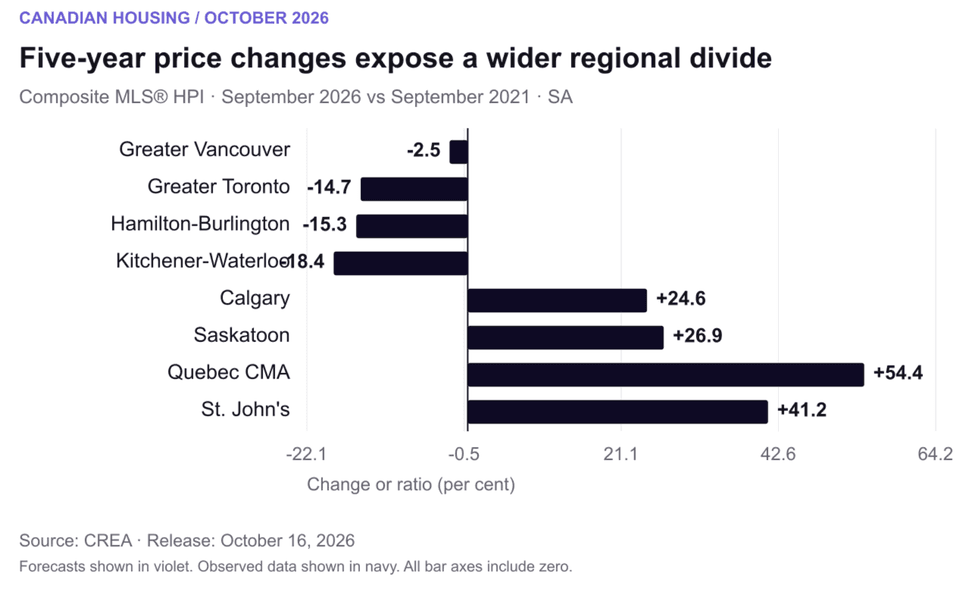 Five-year changes in seasonally adjusted composite MLS® HPI benchmarks, September 2021 to September 2026. Chart:
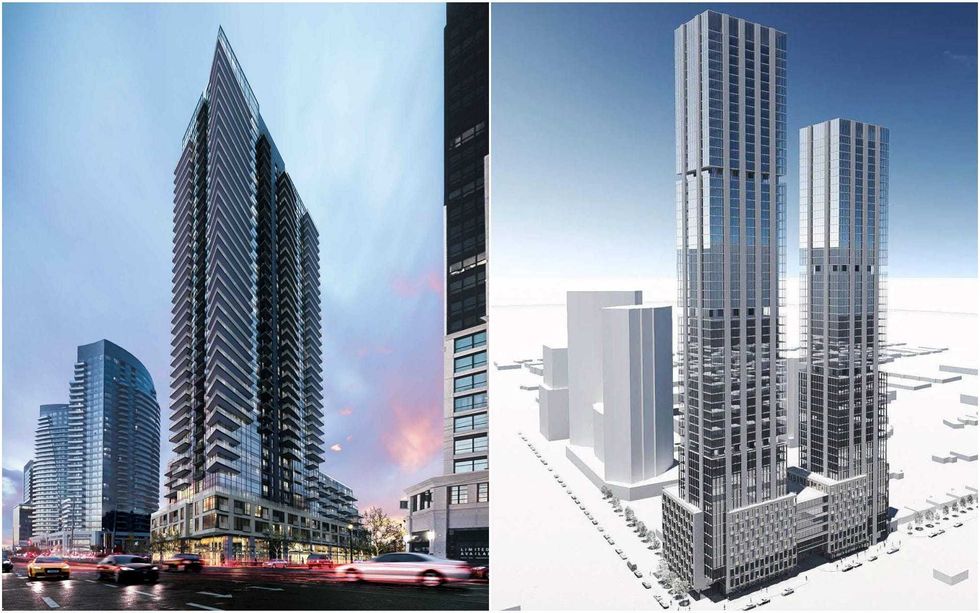 The original proposal (left) and current proposal (right) for 7115 Yonge Street and 8-14 Grandview Avenue in Markam. (Arcadis)