Blight
Blight in real estate describes neglected or deteriorated properties and neighborhoods, its impact on values, and how redevelopment initiatives can address the issue.

September 29, 2025
What is Blight?
Blight refers to the deterioration, neglect, and disrepair of properties or neighborhoods that cause economic decline and reduce livability. Blighted areas often result from disinvestment, vacancy, poor maintenance, or environmental contamination. These conditions can lead to lower property values, discourage investment, and increase safety risks. In real estate contexts, blight is significant because it may trigger government intervention, revitalization initiatives, and redevelopment programs designed to reverse decline.
Why Blight Matters in Real Estate
Blight matters in real estate because it directly influences property values, financing availability, and neighborhood perception. Properties in blighted areas may face difficulty securing mortgages, insurance, or tenants. Developers may leverage public incentives to redevelop blighted districts, while municipalities may impose stricter codes or designate such areas for renewal. Investors must consider both the risks and the opportunities of blight, including long-term value creation when revitalization succeeds.
Example of Blight in Action
A downtown block with multiple vacant storefronts, broken windows, and derelict housing is classified as blighted. The city partners with developers to offer tax incentives and grants for rehabilitation. New businesses move in, revitalizing the local economy and raising property values.
Key Takeaways
- Blight depresses property values and deters capital.
- Municipalities may intervene through policy or incentives.
- Investors weigh risks against revitalization potential.
- Blight complicates lending and insurance decisions.
- Redevelopment strategies can restore community health.
Related Terms
- Eminent Domain
- Redevelopment
- Tax Incentives
- Urban Planning
- Brownfield




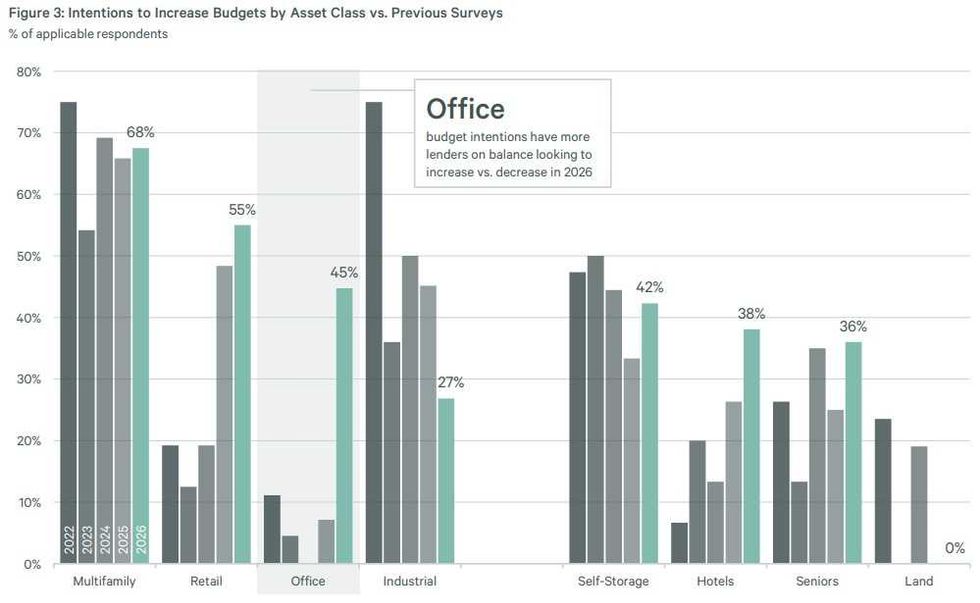 CBRE Canada
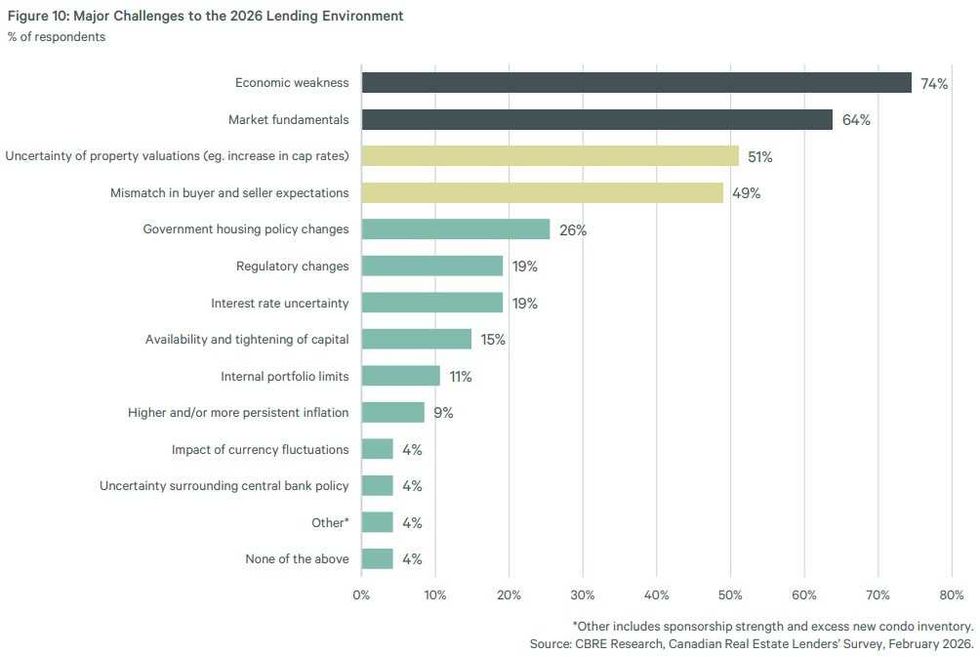 CBRE Canada
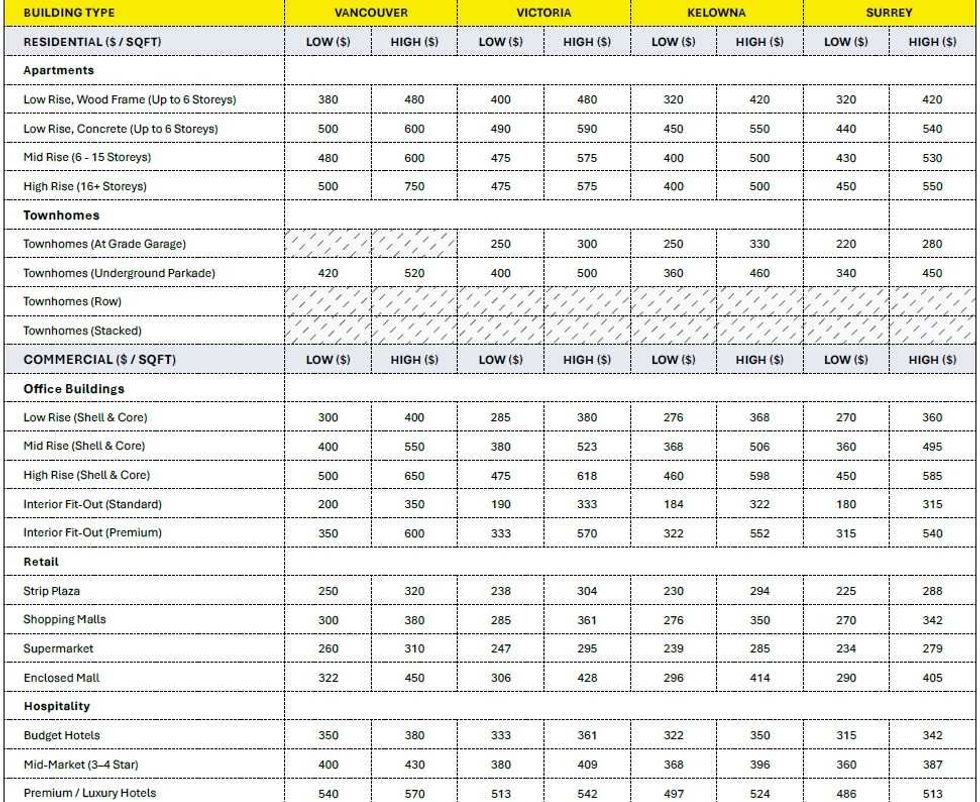 Construction cost ranges for British Columbia. (BTY Group)
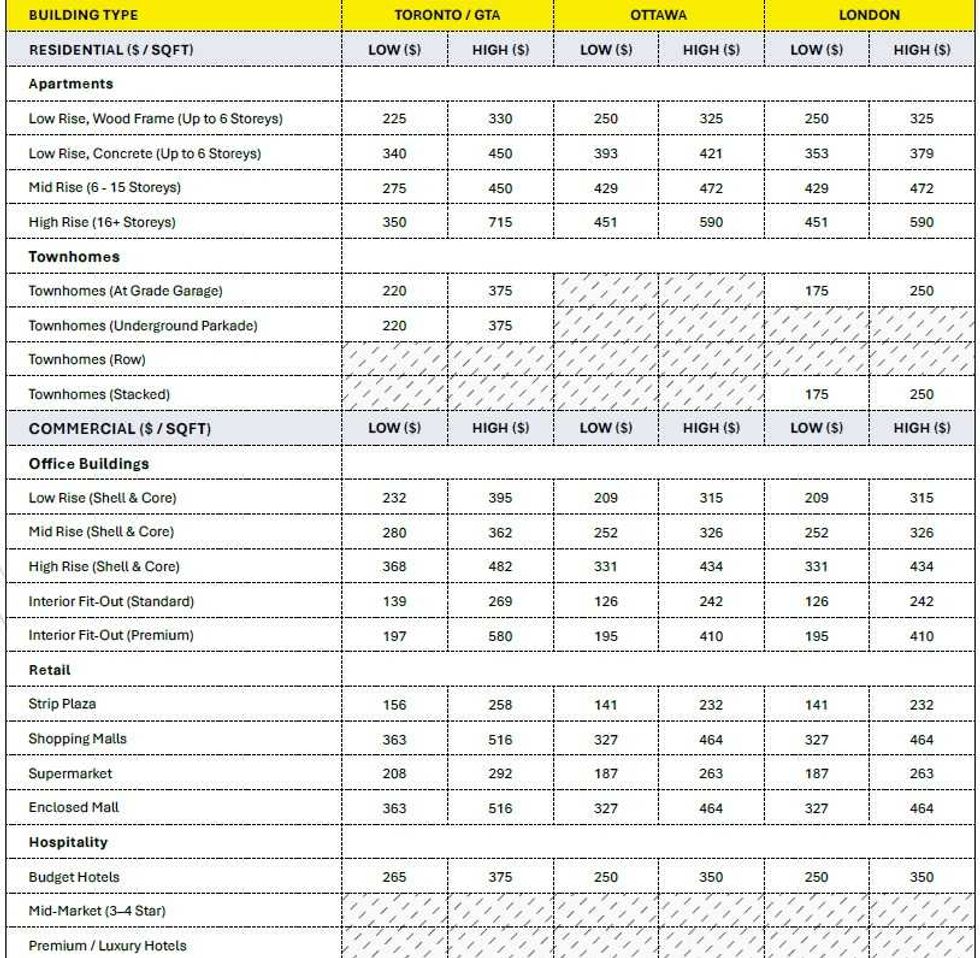 Construction cost ranges for Ontario. (BTY Group)
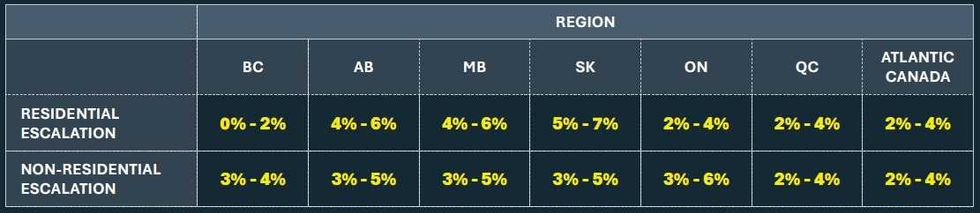 Construction cost escalation projections by region. (BTY Group)

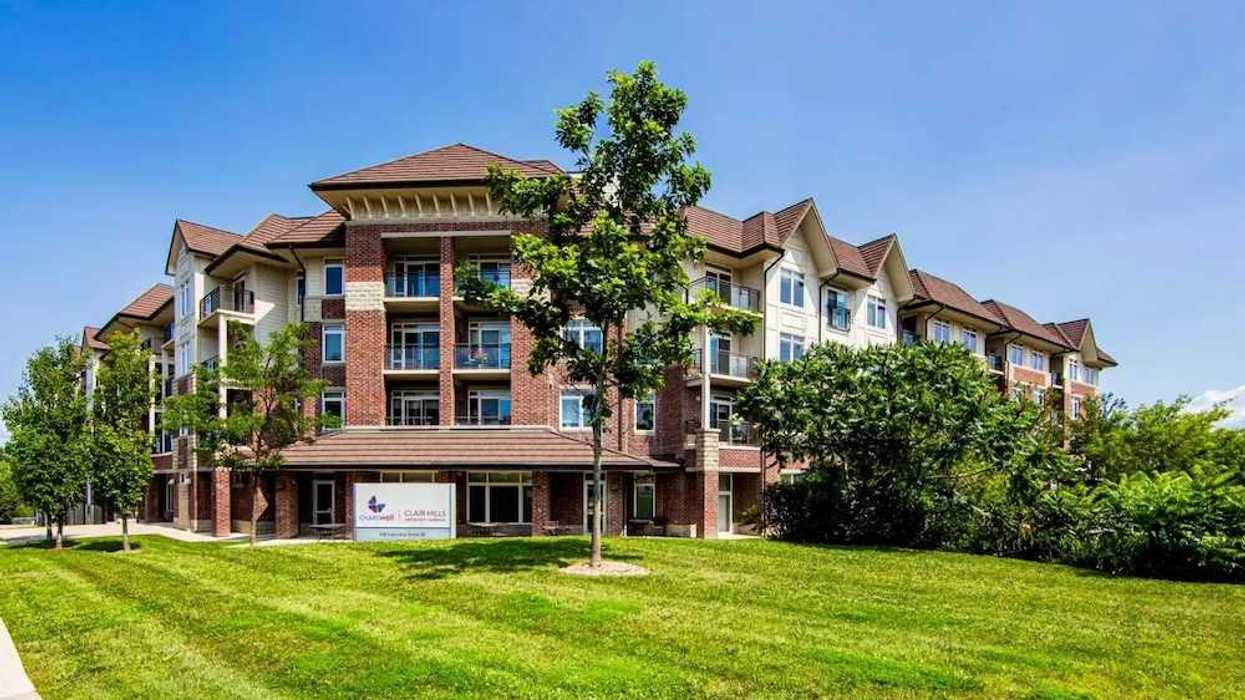
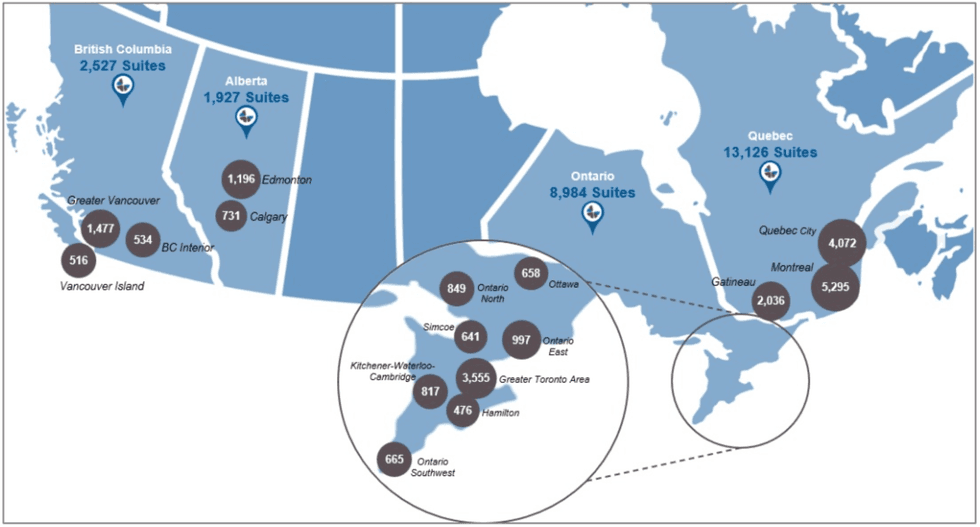 Chartwell’s portfolio as of December 31, 2025. (Chartwell Retirement Residences)