Right of First Refusal
Learn how the Right of First Refusal works in Canadian real estate, when it applies, and how it can impact property sale negotiations.

May 22, 2025
What is the Right of First Refusal?
The Right of First Refusal (ROFR) is a contractual clause that gives an individual or group the opportunity to purchase a property before the owner can sell it to another party.
Why Does the Right of First Refusal Matter in Real Estate
ROFR clauses are used in Canadian real estate to provide security to tenants, family members, or neighboring property owners. When the property owner decides to sell, they must first offer it to the party holding the ROFR on the same terms as any outside offer.
Common scenarios include:
- Condo boards having the right to purchase a unit before it’s sold to a third party
- Tenants in rental-to-own or co-op situations
- Family members wanting to keep property within the family
The right typically:
- Must be exercised within a set timeframe
- Is triggered by a bona fide third-party offer
- May influence marketability or negotiation timelines
Buyers should be aware of any ROFR clauses when purchasing a property, as it may delay or block a planned purchase.
Understanding the ROFR is crucial for both property owners and buyers, especially in shared ownership or unique property arrangements.
Example of the Right of First Refusal
A tenant with a Right of First Refusal is notified when their landlord receives an offer to buy the property and chooses to match it, purchasing the home themselves.
Key Takeaways
- Gives someone priority to buy before others.
- Must match third-party offer.
- Often used in leases and family transfers.
- Affects sales timing and negotiation.
- Needs clear terms and legal review.
Related Terms
- Lease Agreement
- Option to Purchase
- Conditional Offer
- Condominium Bylaws
- Legal Restrictions
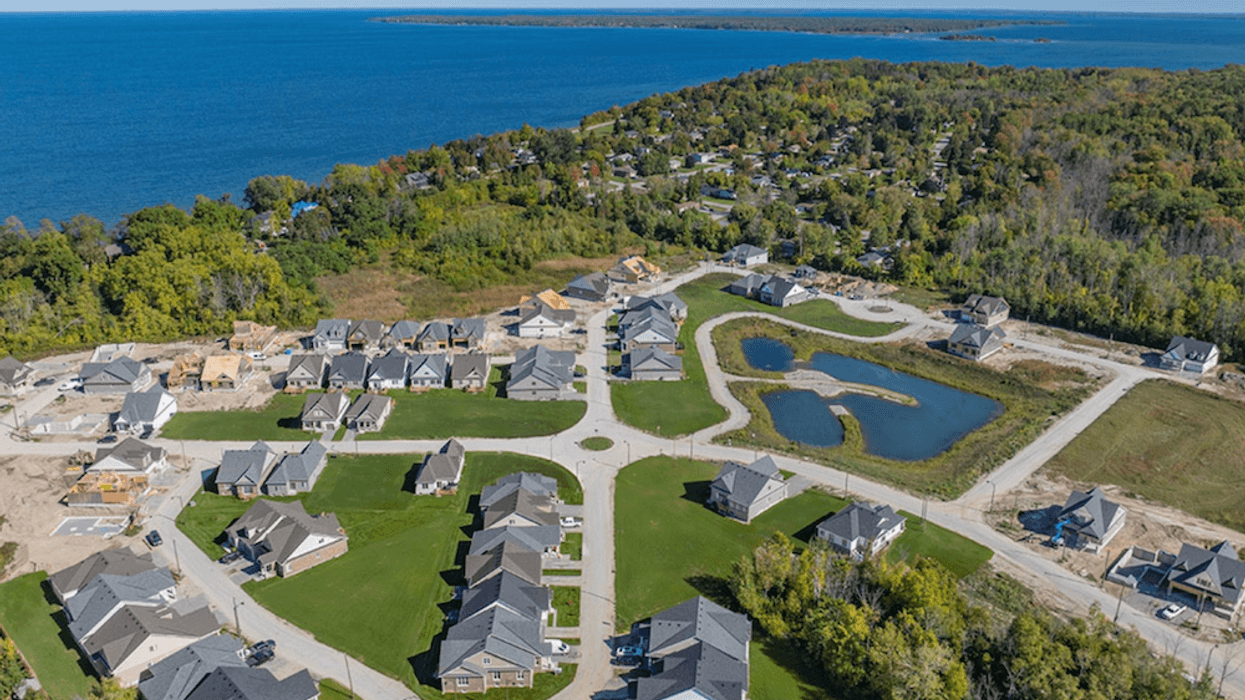
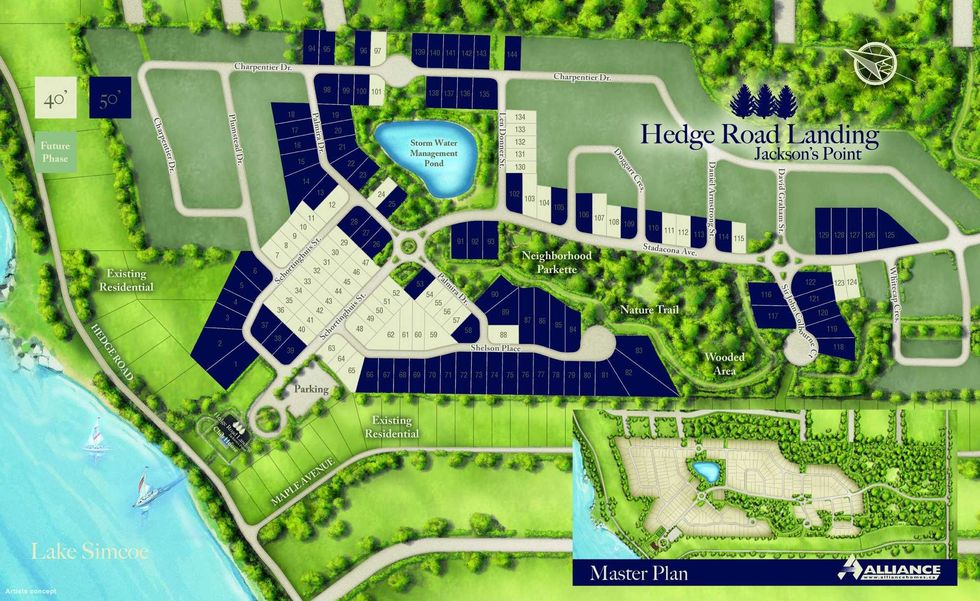 An overview of Hedge Road Landing. (Alliance Homes)
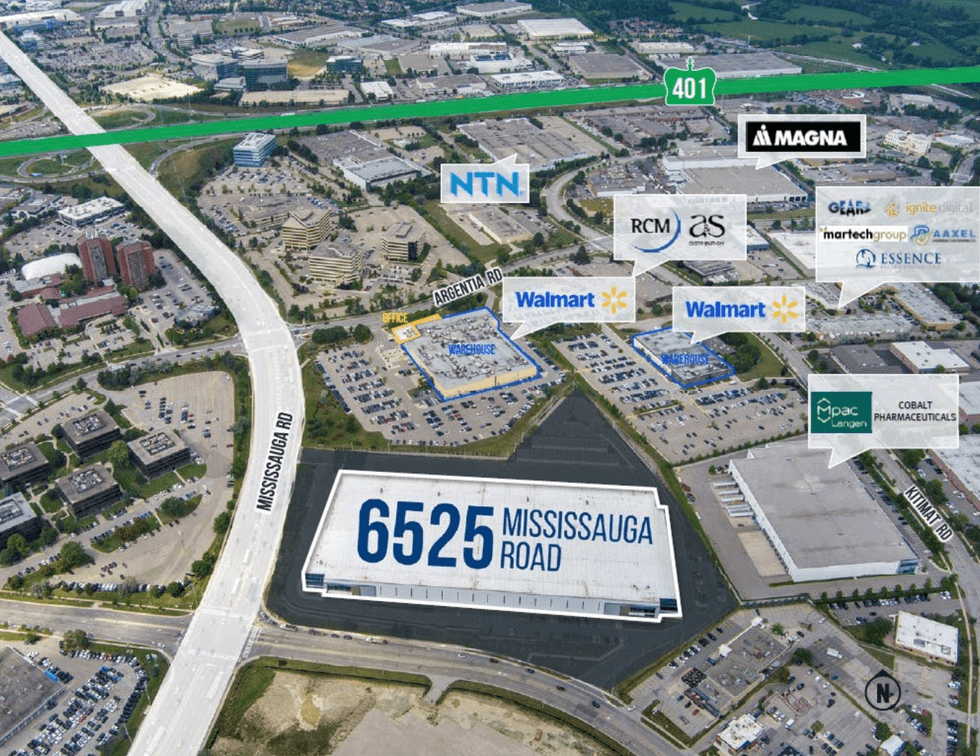 6525 Mississauga Road and its surrounding context. (RBC Capital Markets & CBRE)
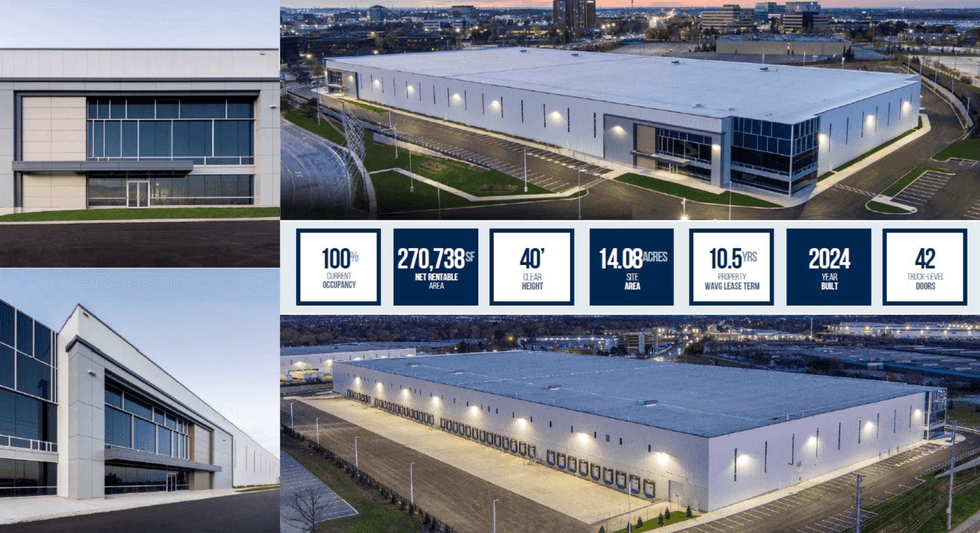 Property details for 6525 Mississauga Road. (RBC Capital Markets & CBRE)



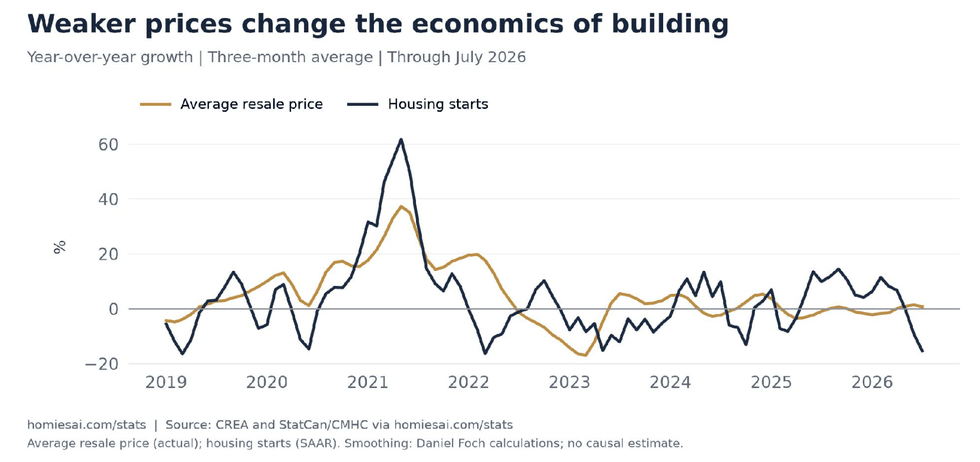 National average resale-price growth and housing-starts growth, smoothed over three months. The comparison illustrates the cycle; it does not establish how much a price change causes construction to change.
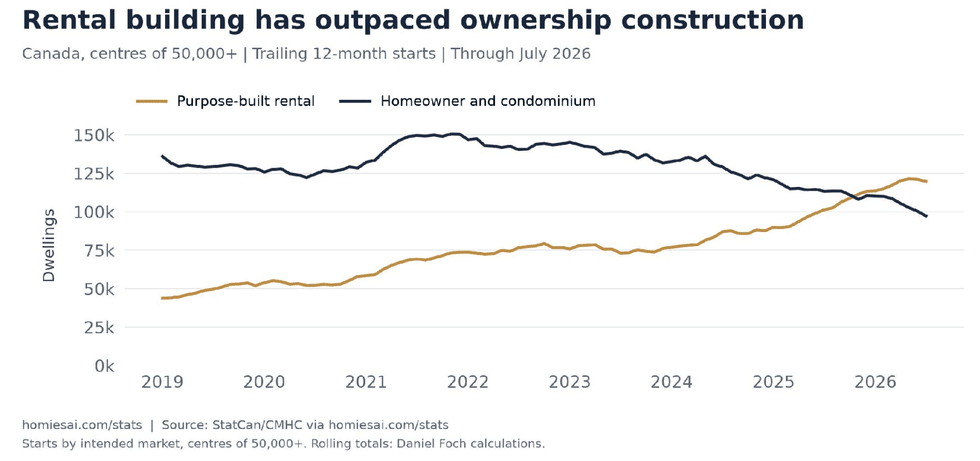 Trailing 12-month starts in centres of 50,000 or more remove the usual monthly seasonality. Ownership combines the homeowner and condominium categories; rental is shown separately.
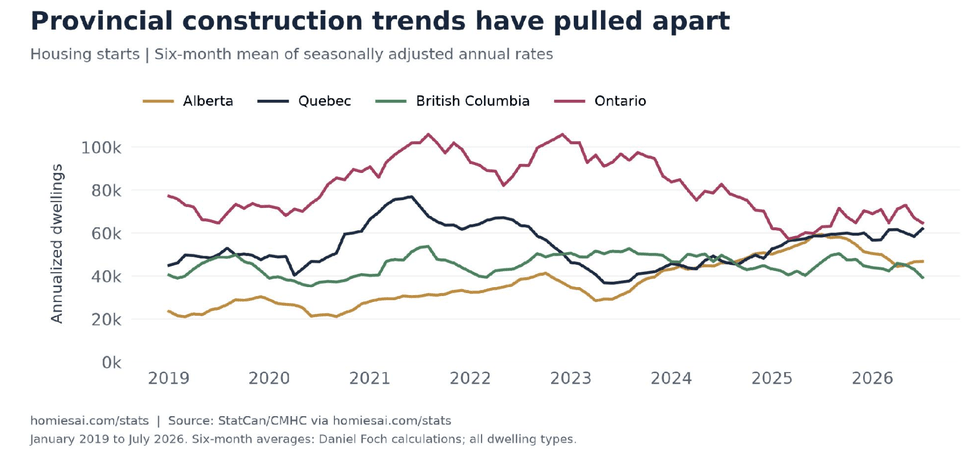 Six-month averages of provincial starts, expressed at annual rates. The smoothing reduces the influence of individual apartment projects.
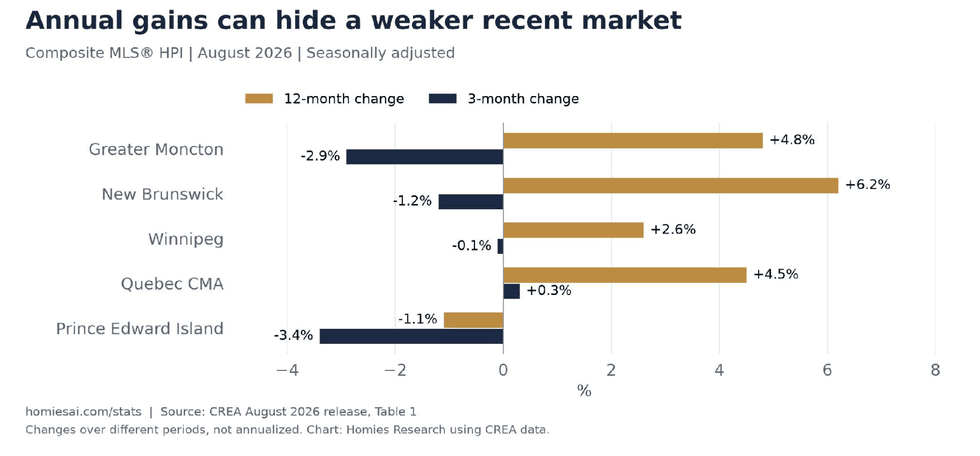 The same August benchmark compared with two different starting points. Three-month changes are not annualized.
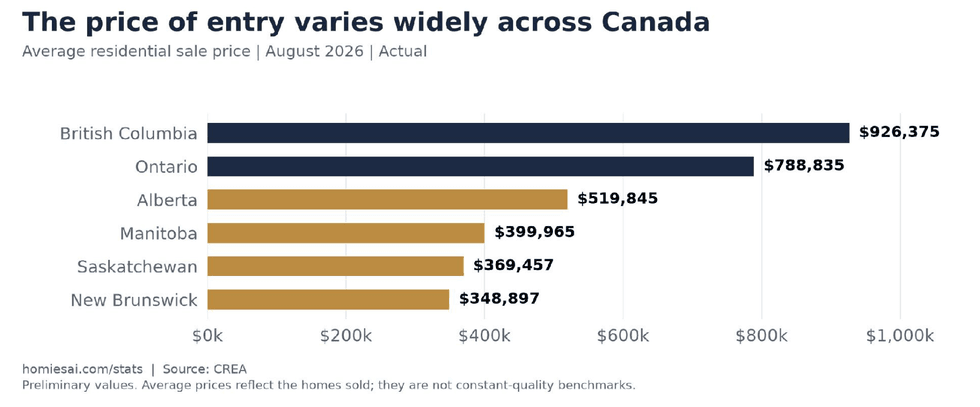 Average sale prices show the difference in purchase costs across markets. They do not measure affordability relative to local incomes or construction costs.
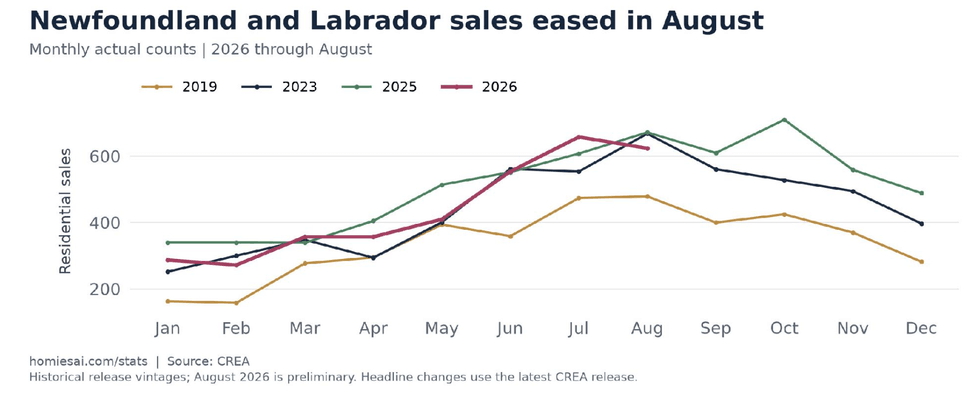 Newfoundland and Labrador remains above its pre-pandemic sales pattern, but August activity was below last year. Historical lines retain their original release vintages.

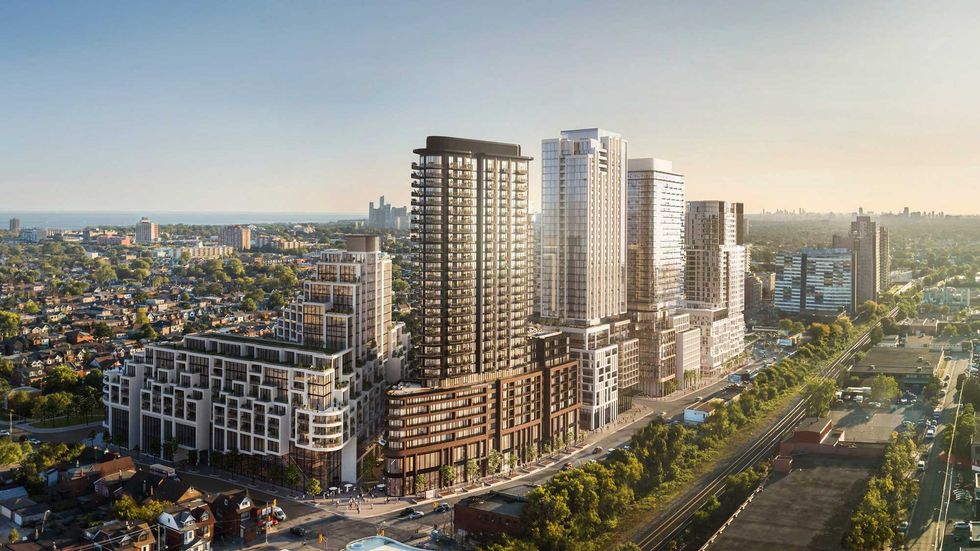 Galleria III at Galleria on the Park (Hariri Pontarini Architects)
  Bisha Hotel & Residences (Lifetime Developments)