Rental Income
Explore rental income in Canadian real estate - how it’s earned, reported, and managed for tax and investment purposes.

June 06, 2025
What is Rental Income?
Rental income is the revenue received by a property owner from tenants who occupy residential or commercial space under a lease or rental agreement.
Why Rental Income Matters in Real Estate
In Canadian real estate, rental income is considered taxable and must be reported to the Canada Revenue Agency (CRA).
Sources of rental income include:
- Monthly rent payments
- Additional fees (e.g., parking, utilities)
- Short-term or vacation rentals
Landlords may deduct eligible expenses such as mortgage interest, property taxes, insurance, and maintenance costs to determine net income.
Understanding rental income is essential for investors, landlords, and homeowners generating income from secondary suites or short-term leases.
Example of Rental Income in Action
A homeowner reports rental income from a basement suite and deducts utility and repair expenses when filing their tax return.
Key Takeaways
- Earned from residential or commercial leases
- Must be reported as taxable income
- Eligible expenses reduce net income
- Applies to long- and short-term rentals
- Key to property investment strategy
Related Terms
- Lease Agreement
- Investment Property
- Rental Suite
- Tax Deduction
- Principal Residence

 The LJM Tower at 2782 Barton Street East in Hamilton in June 2025. (Google Maps)
 Ontario Premier Doug Ford and LJM Developments President Liaquat Mian. (LJM Developments)









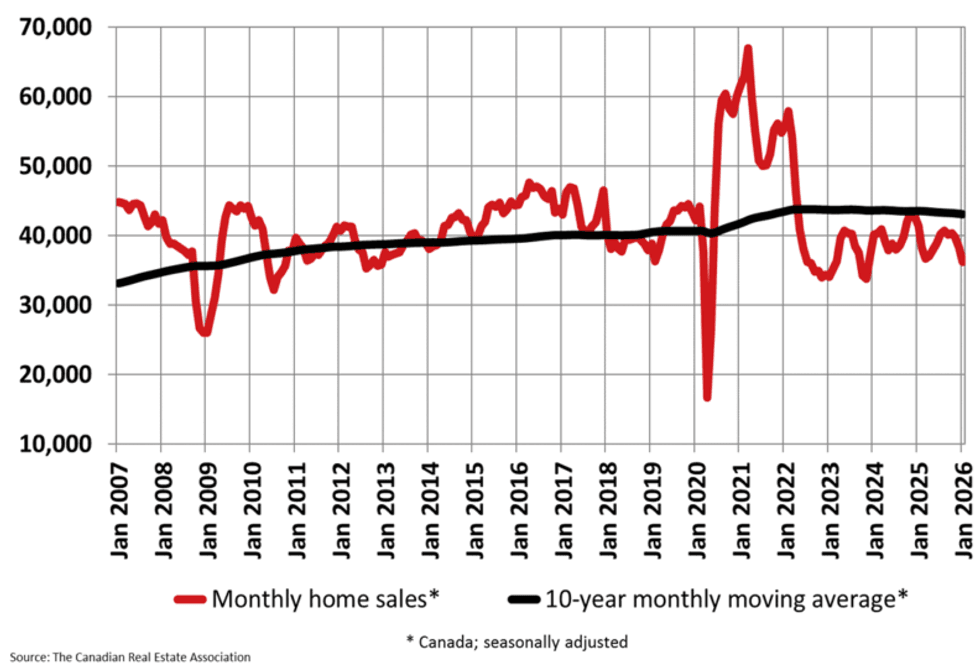 CREA
CREA
 Liam Gill is a lawyer and tech entrepreneur who consults with Torontonians looking to convert under-densified properties. (More Neighbours Toronto)

 Eric Lombardi at an event for Build Toronto, which is the first municipal project of Build Canada. Lombardi became chair of Build Toronto in September 2025.

 A rendering of the “BC Fourplex 01” concept from the Housing Design Catalogue. (CMHC)