Rainwater Harvesting System
A rainwater harvesting system collects and reuses rainwater, reducing utility costs and supporting sustainability.

September 30, 2025
What is Rainwater Harvesting System?
A rainwater harvesting system collects and stores rainwater from rooftops for reuse in irrigation, toilets, or other non-potable applications. Advanced systems may also filter water for potable use.
Why Rainwater Harvesting System Matters in Real Estate
It matters in real estate because rainwater harvesting reduces water costs, eases demand on municipal systems, and supports sustainability certifications. It is increasingly integrated into green building practices.
Example of Rainwater Harvesting System in Action
A commercial building installs a rainwater harvesting system to irrigate landscaping and flush toilets, reducing utility costs and environmental impact.
Key Takeaways
- Captures and stores rainwater for reuse.
- Reduces demand on municipal water supply.
- Supports sustainability and green certification.
- Common in residential and commercial developments.
- May include filtration for potable applications.
Related Terms
- Green Building Certification
- Stormwater Management
- Sustainability
- Building Envelope
- Water Conservation
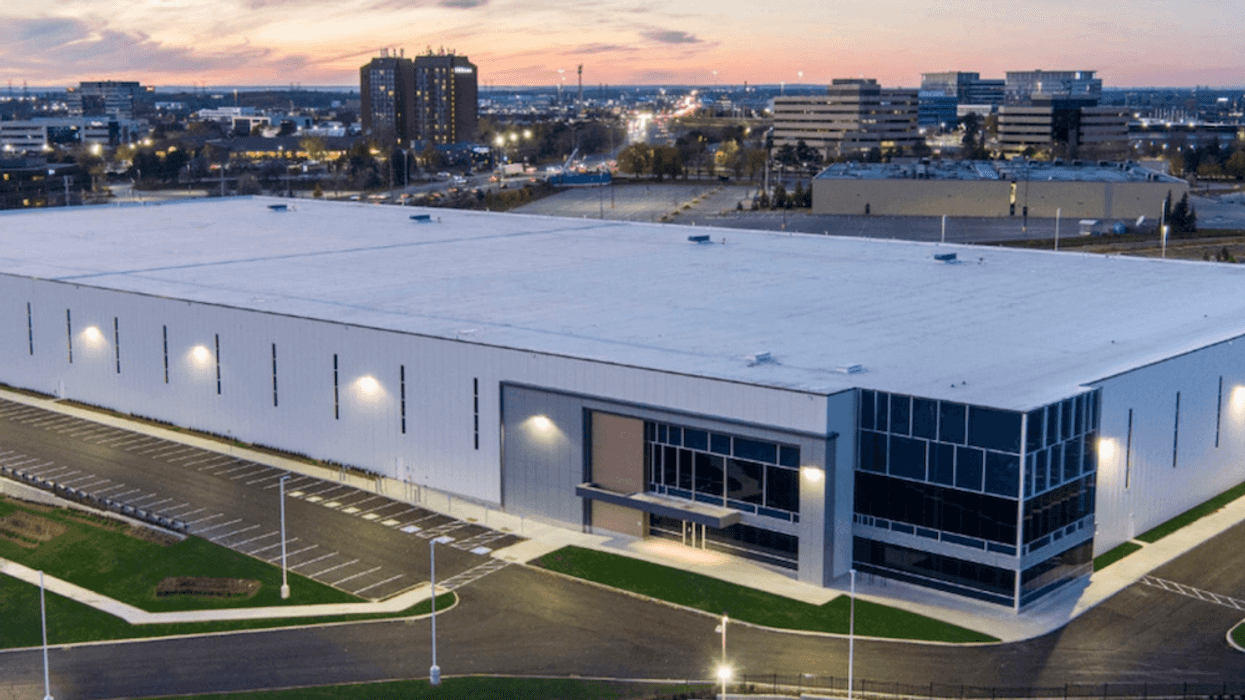
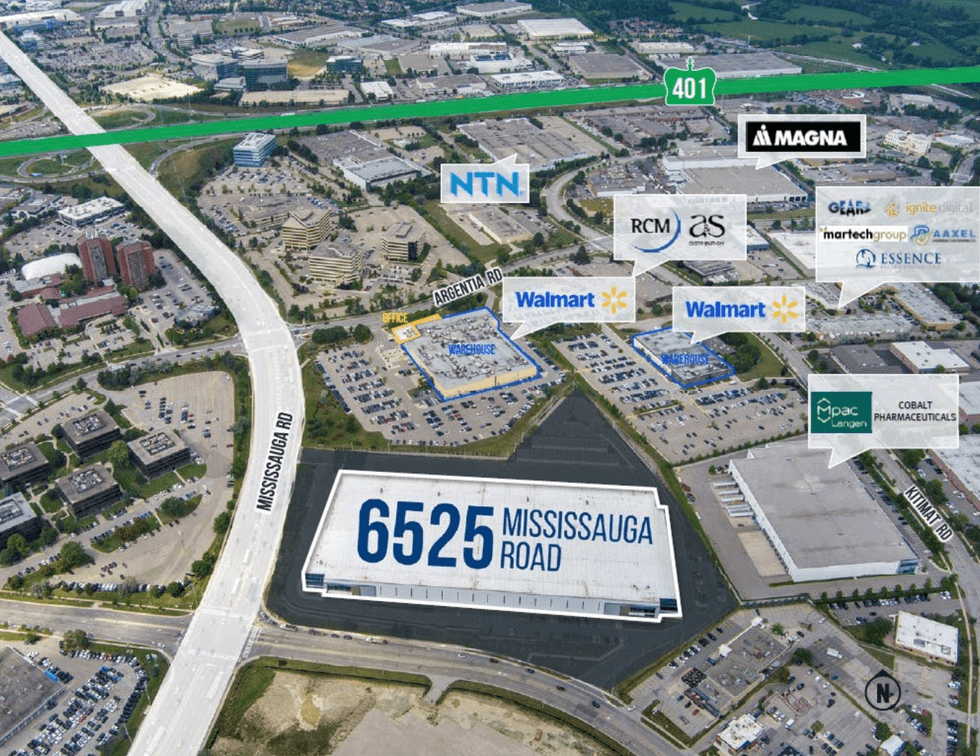 6525 Mississauga Road and its surrounding context. (RBC Capital Markets & CBRE)
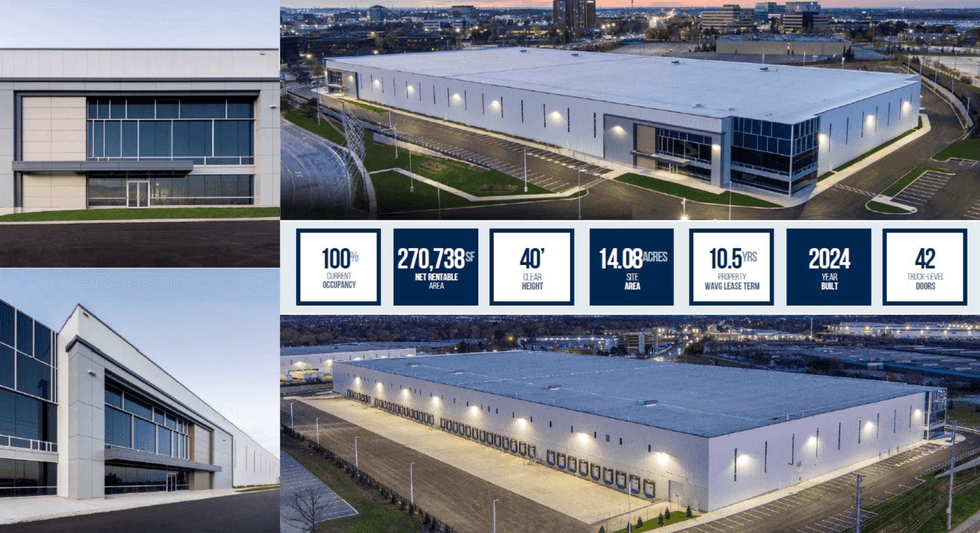 Property details for 6525 Mississauga Road. (RBC Capital Markets & CBRE)
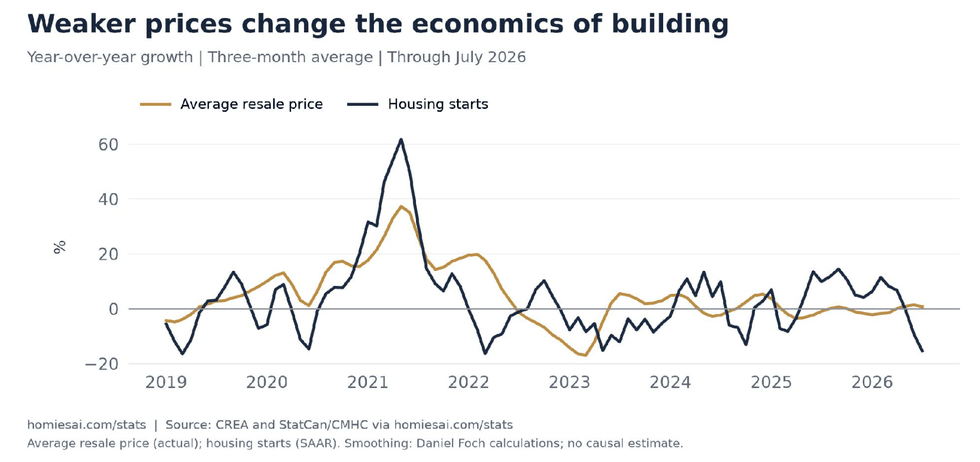 National average resale-price growth and housing-starts growth, smoothed over three months. The comparison illustrates the cycle; it does not establish how much a price change causes construction to change.
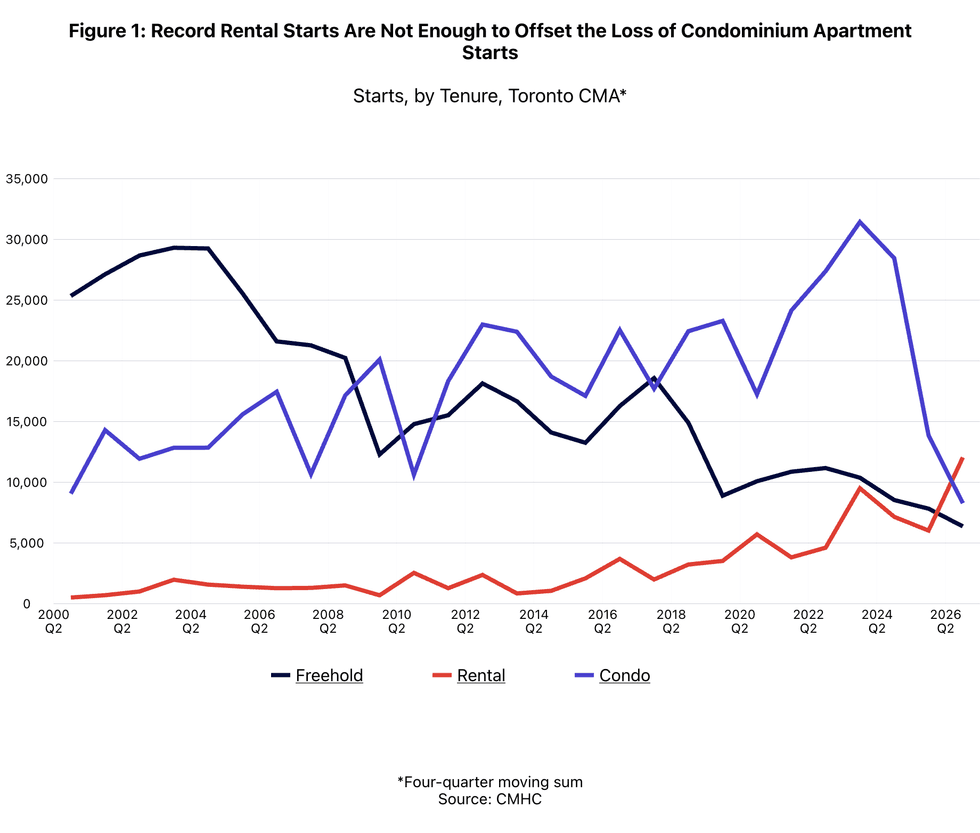
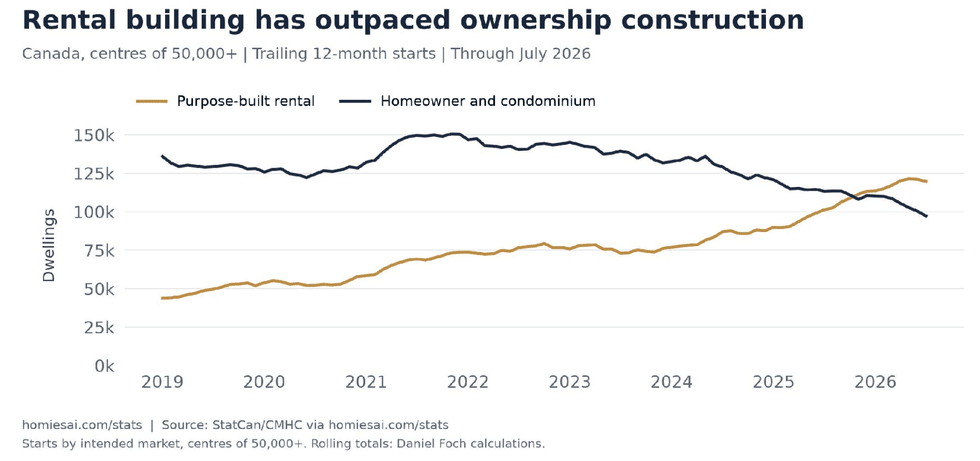 Trailing 12-month starts in centres of 50,000 or more remove the usual monthly seasonality. Ownership combines the homeowner and condominium categories; rental is shown separately.
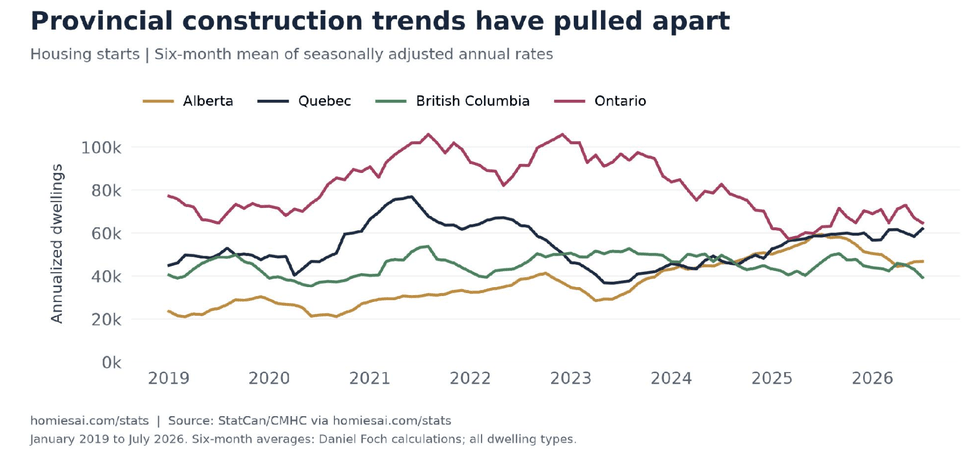 Six-month averages of provincial starts, expressed at annual rates. The smoothing reduces the influence of individual apartment projects.
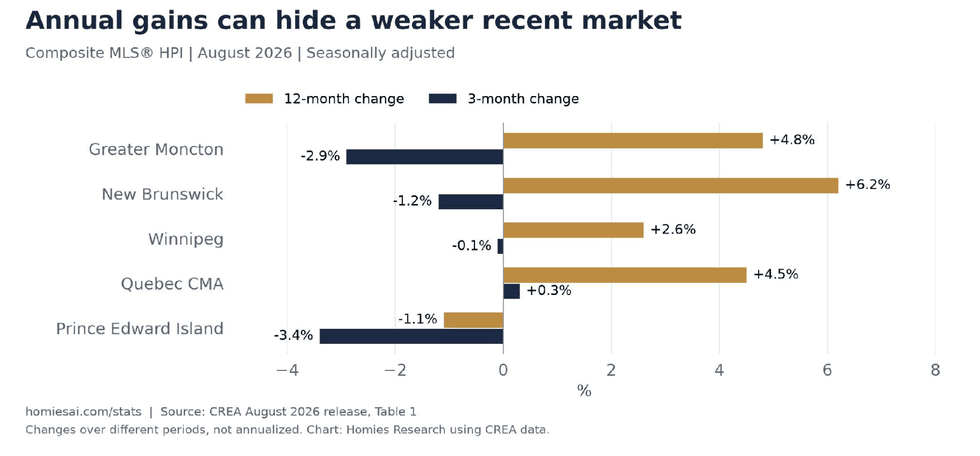 The same August benchmark compared with two different starting points. Three-month changes are not annualized.
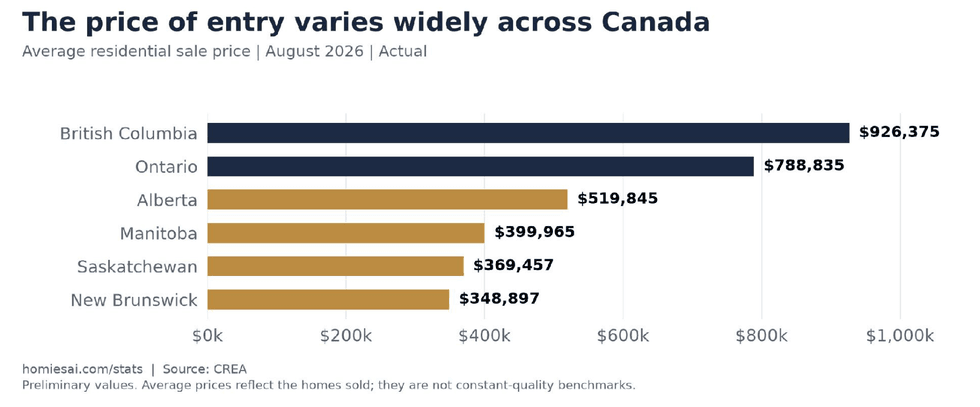 Average sale prices show the difference in purchase costs across markets. They do not measure affordability relative to local incomes or construction costs.
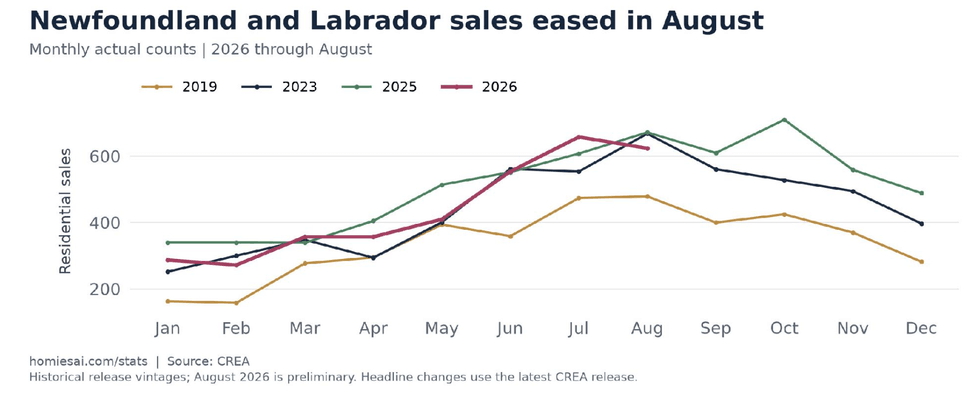 Newfoundland and Labrador remains above its pre-pandemic sales pattern, but August activity was below last year. Historical lines retain their original release vintages.
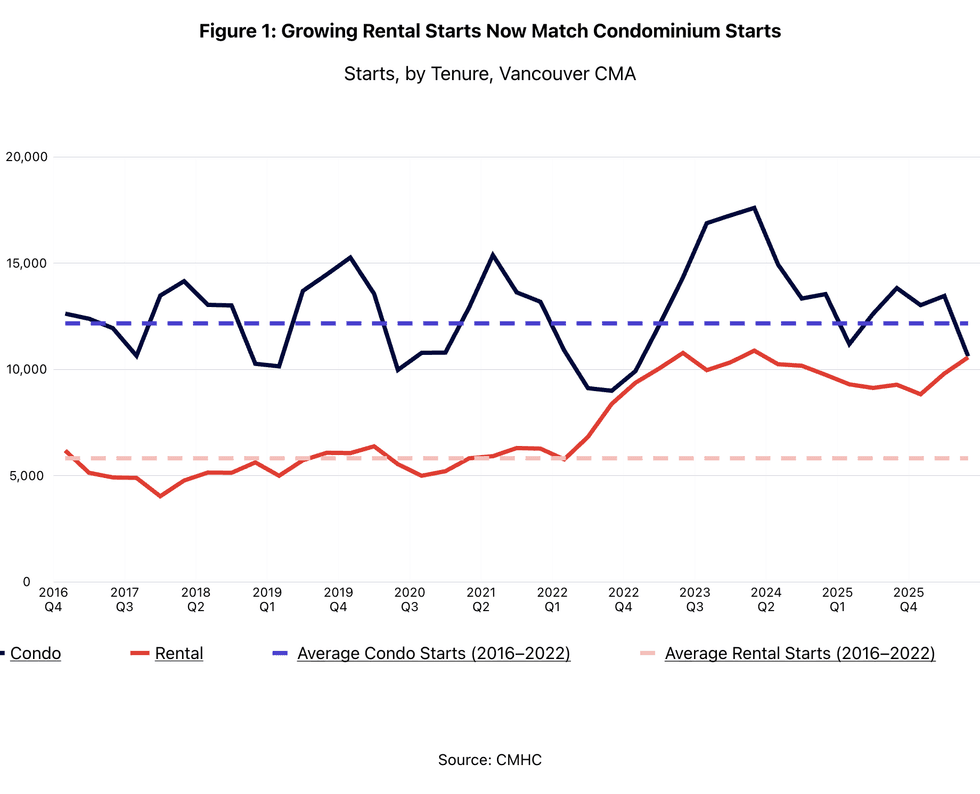


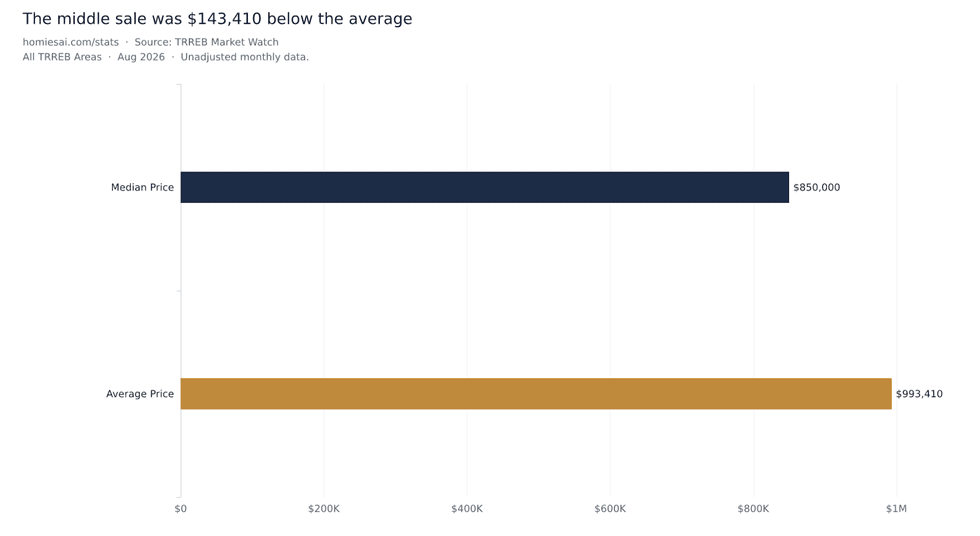 Average and median describe different aspects of the same month’s transactions. Both are affected by the mix of homes sold.
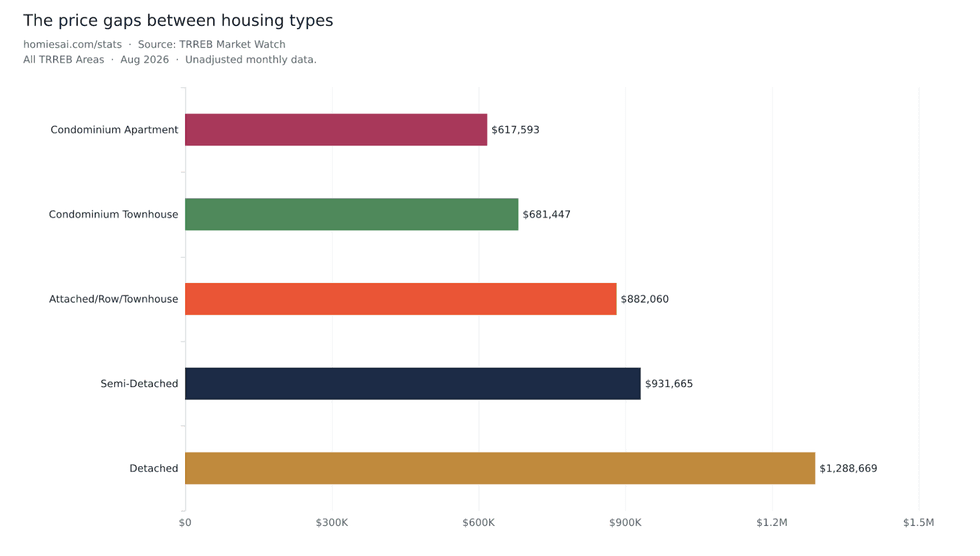 Category averages compare different homes and locations; the gaps are not estimates of the cost to upgrade an otherwise identical property.
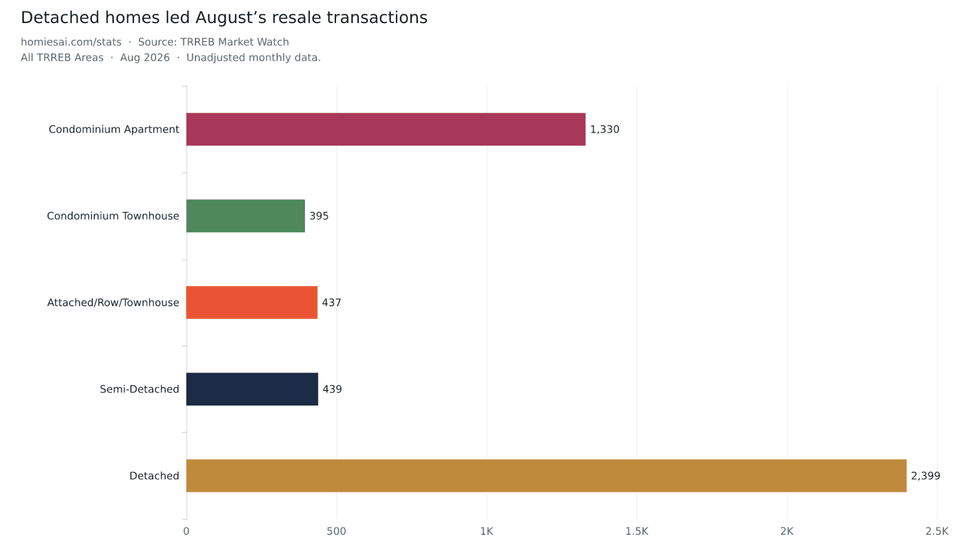 The five categories shown account for 5,000 of the board’s 5,057 sales. The remaining 57 transactions were in other housing categories.
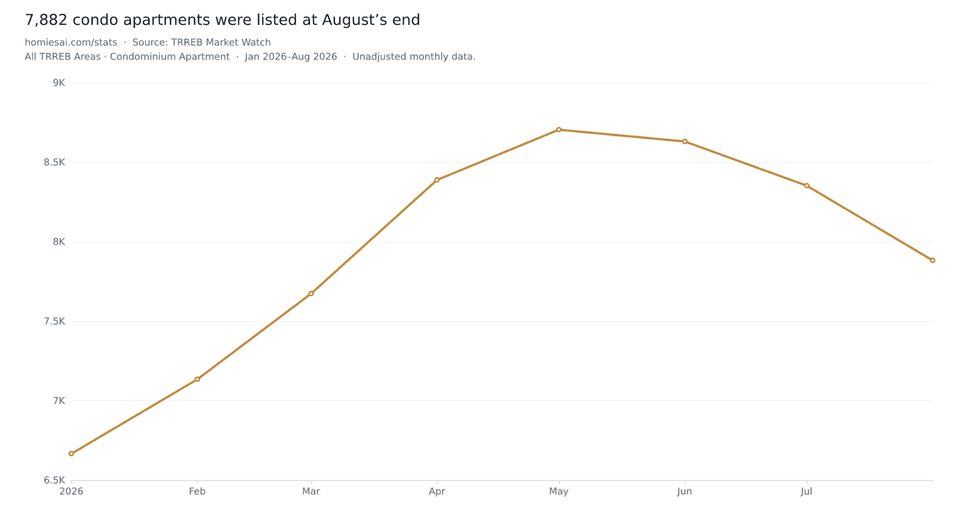 Monthly observations are not seasonally adjusted. Active listings count properties available at month-end; they are not construction inventory.
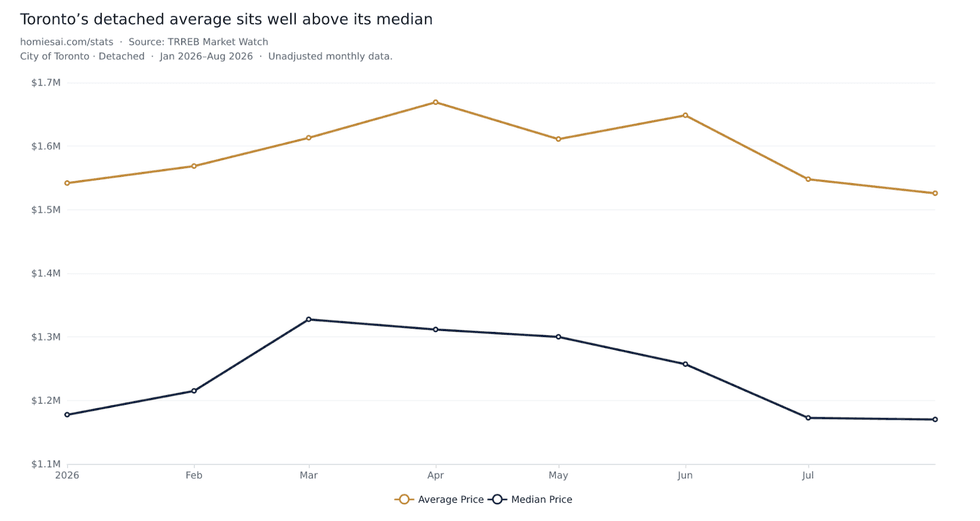 Average and median prices share one dollar axis. These unadjusted transaction measures do not control for changes in the homes sold.
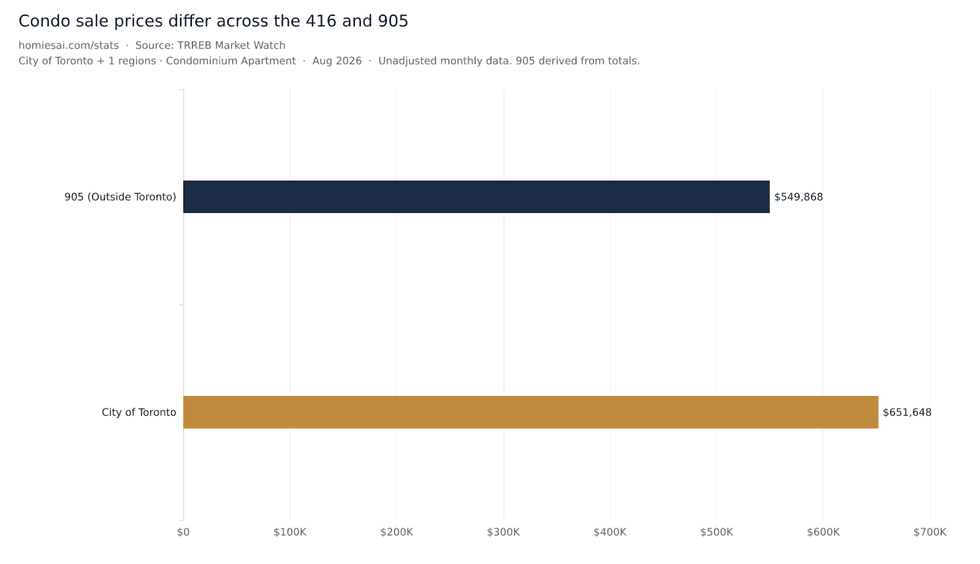 TRREB’s 416/905 categories compare the apartments sold in each area. The difference does not isolate a location premium for equivalent units.
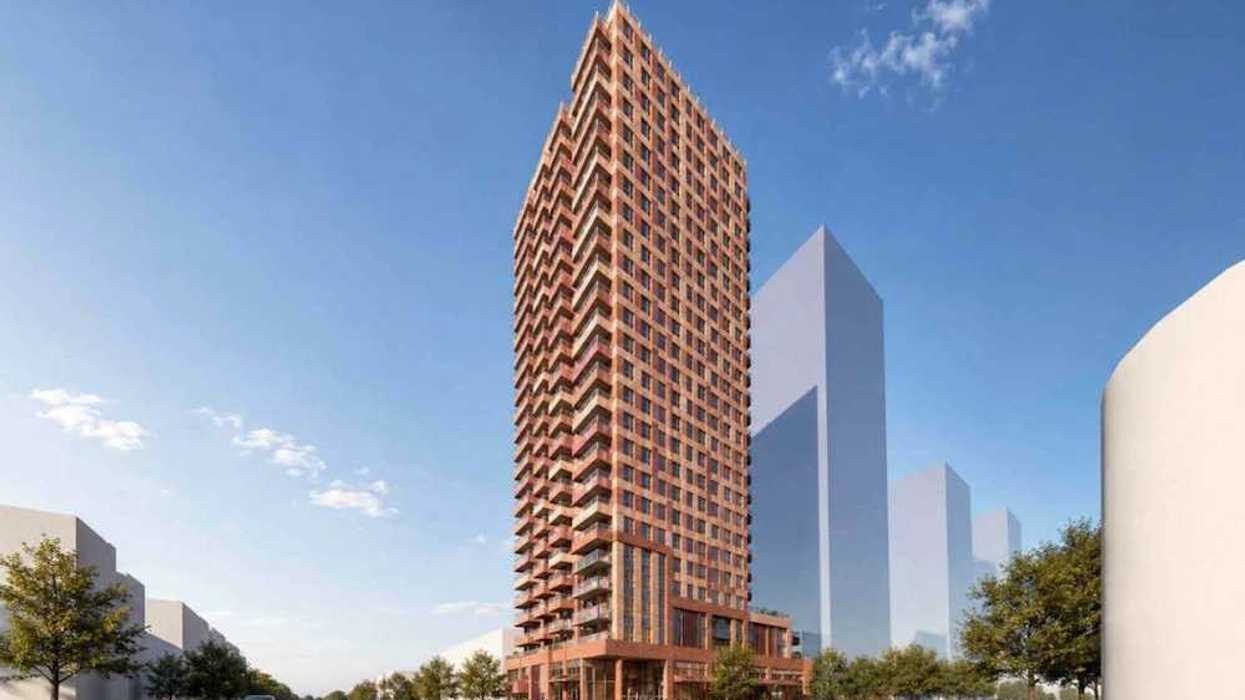
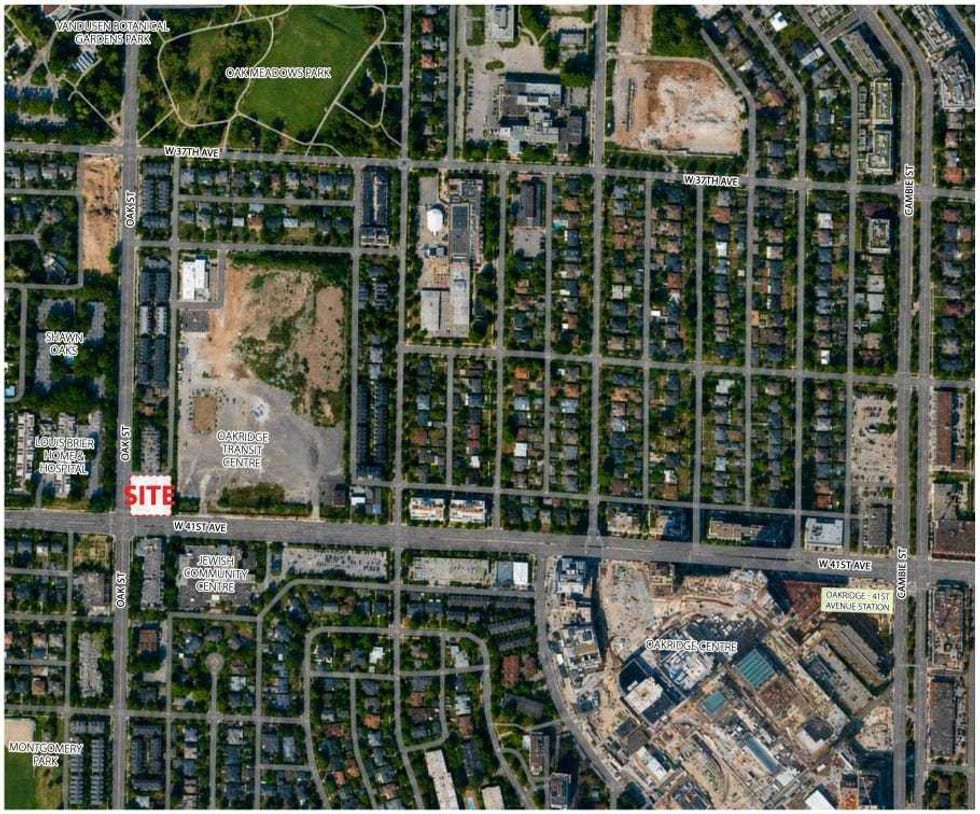 5680 Oak Street in Vancouver and its surrounding context. (MCMP Architects)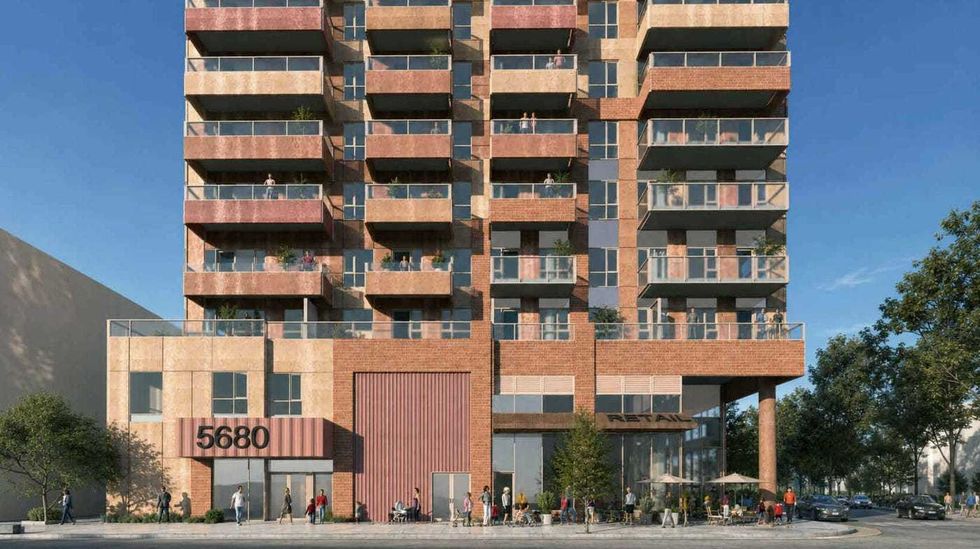
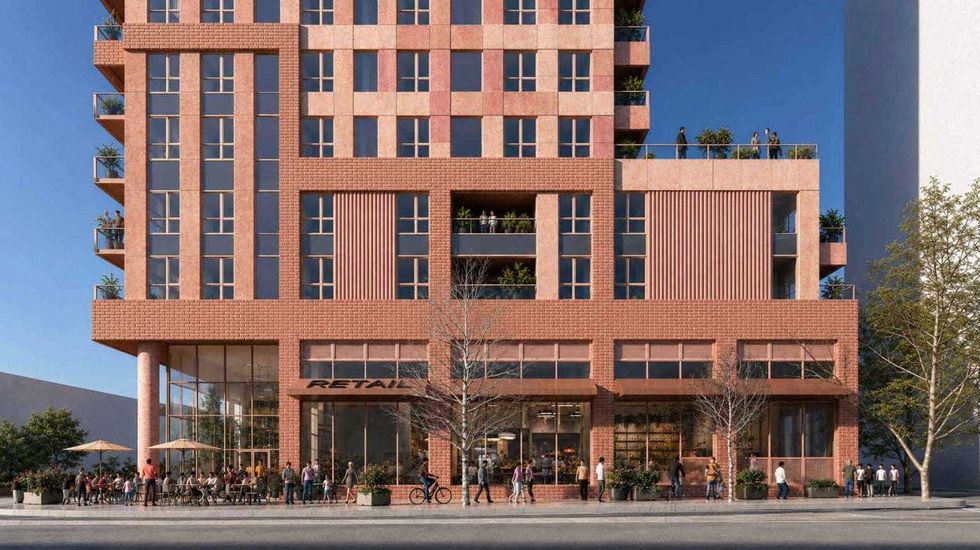 Ground-level renderings of the tower proposed for 5680 Oak Street in Vancouver. (MCMP Architects)