Qualified Appraisal
Explore what a qualified appraisal means in Canadian real estate — who performs it, when it’s needed, and why it’s essential for financing and legal purposes.

May 22, 2025
What is a Qualified Appraisal?
A qualified appraisal is a formal, unbiased property valuation conducted by a certified appraiser who meets recognized standards for accuracy and independence.
Why a Qualified Appraisal Matters in Real Estate
In Canadian real estate, qualified appraisals are essential for securing mortgage financing, refinancing, and assessing fair market value for estate or tax purposes.
Key appraisal criteria include:
- Conducted by a certified member of AIC or equivalent
- Based on comparable sales, location, and property condition
- Adheres to Canadian Uniform Standards of Professional Appraisal Practice (CUSPAP)
Lenders rely on qualified appraisals to ensure loan-to-value ratios are appropriate and that the property justifies the loan amount.
Understanding qualified appraisals ensures buyers and borrowers are using credible valuations and complying with lender and legal standards.
Example of a Qualified Appraisal in Action
To finalize mortgage approval, the lender requires a qualified appraisal showing that the home is worth at least the agreed purchase price.
Key Takeaways
- Conducted by certified professionals.
- Required for most mortgage approvals.
- Based on standardized valuation practices.
- Helps ensure lending risk is managed.
- Legally recognized and lender-approved.
Related Terms
- Appraisal
- Loan-to-Value Ratio (LTV)
- Mortgage Qualification
- Fair Market Value
- Underwriting

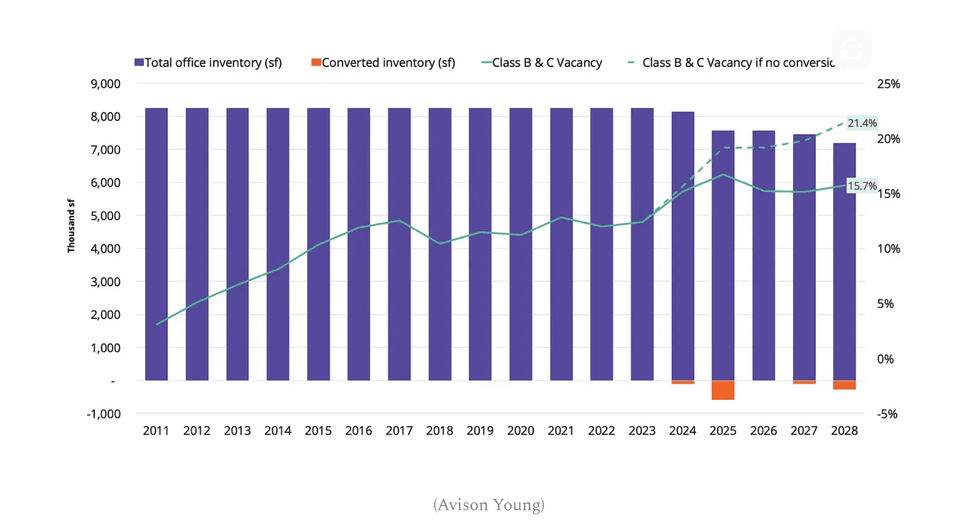 (Avison Young)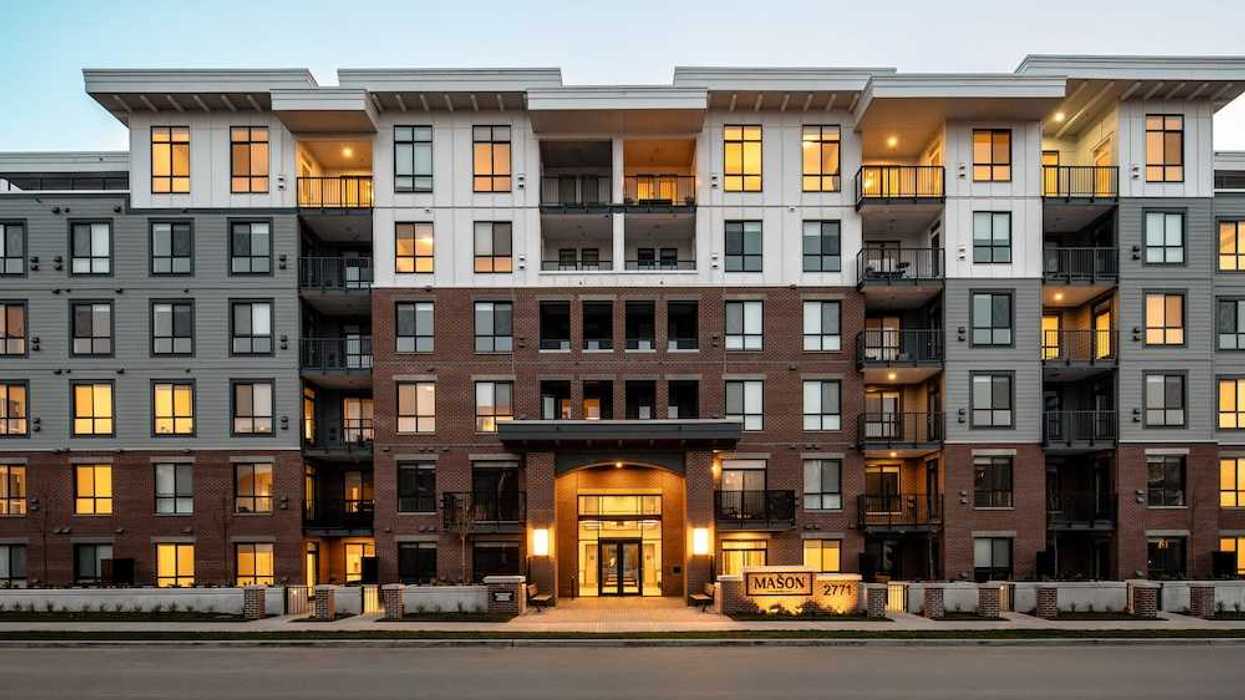
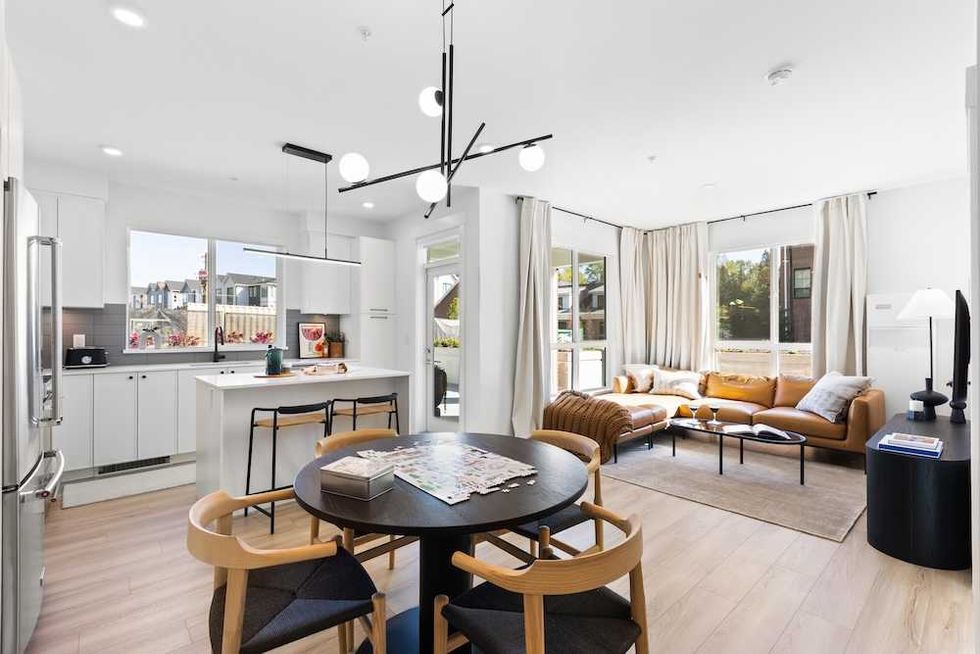 The Mason Suite Interior (Infinity Properties)
 The Mason Suite Interior (Infinity Properties)
 Rail District aerial (Infinity Properties)
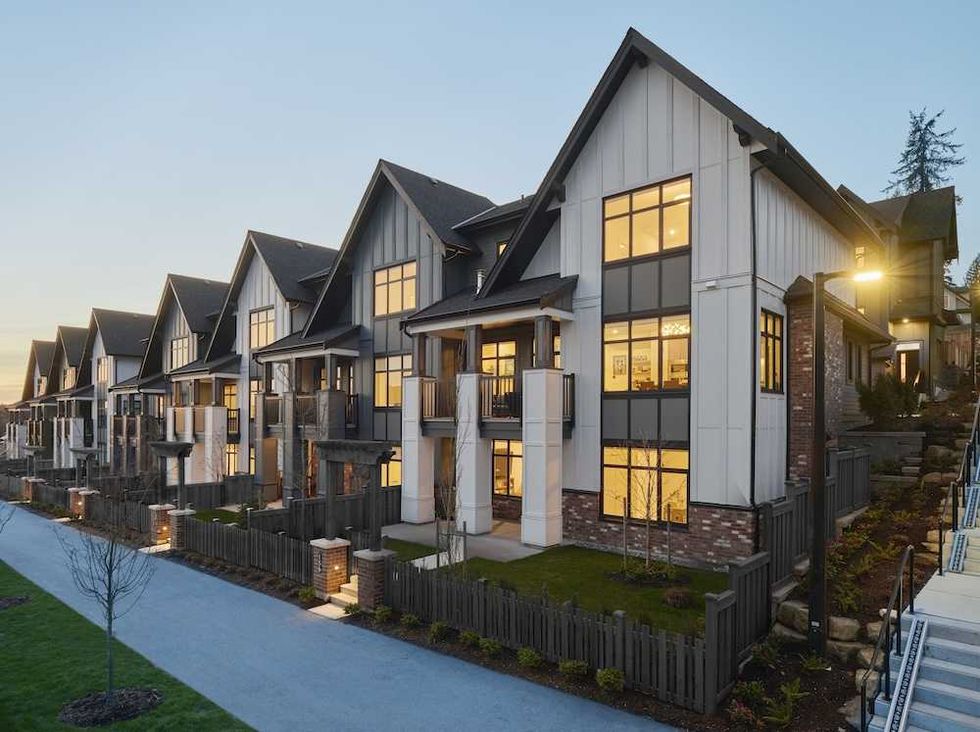 Versant (Infinity Properties)







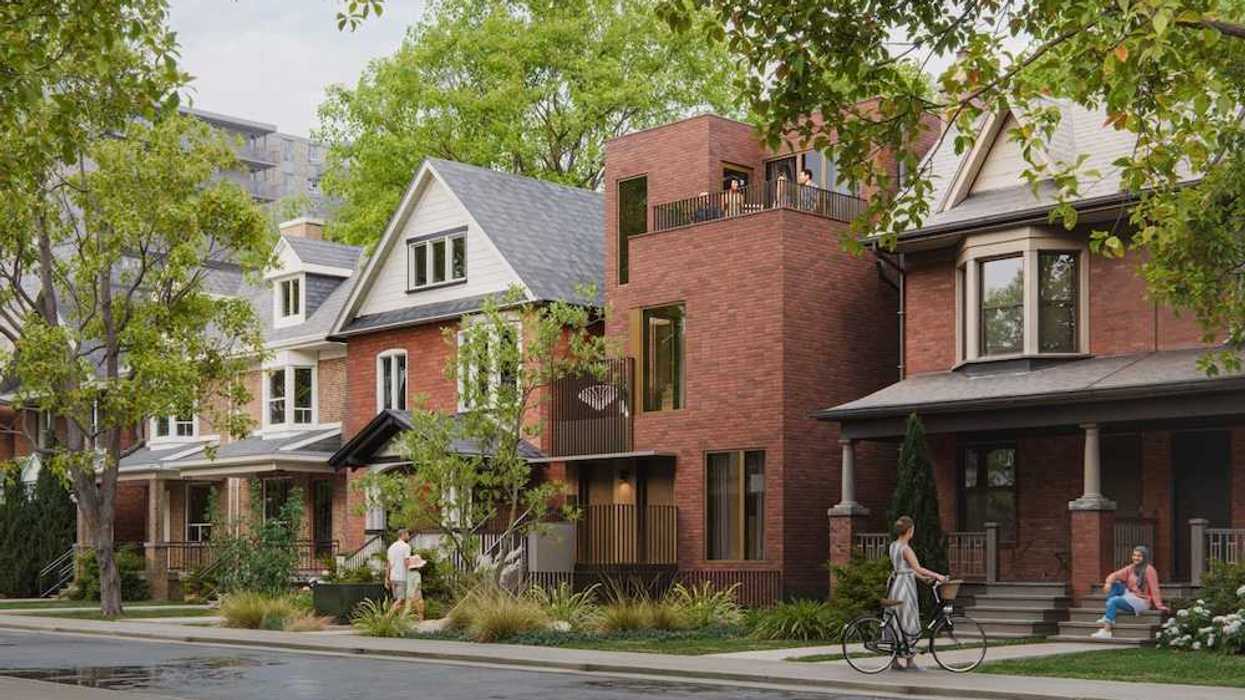
 Narrow Fourplex (City of Toronto)
 Wide Sixplex - Side View (City of Toronto)
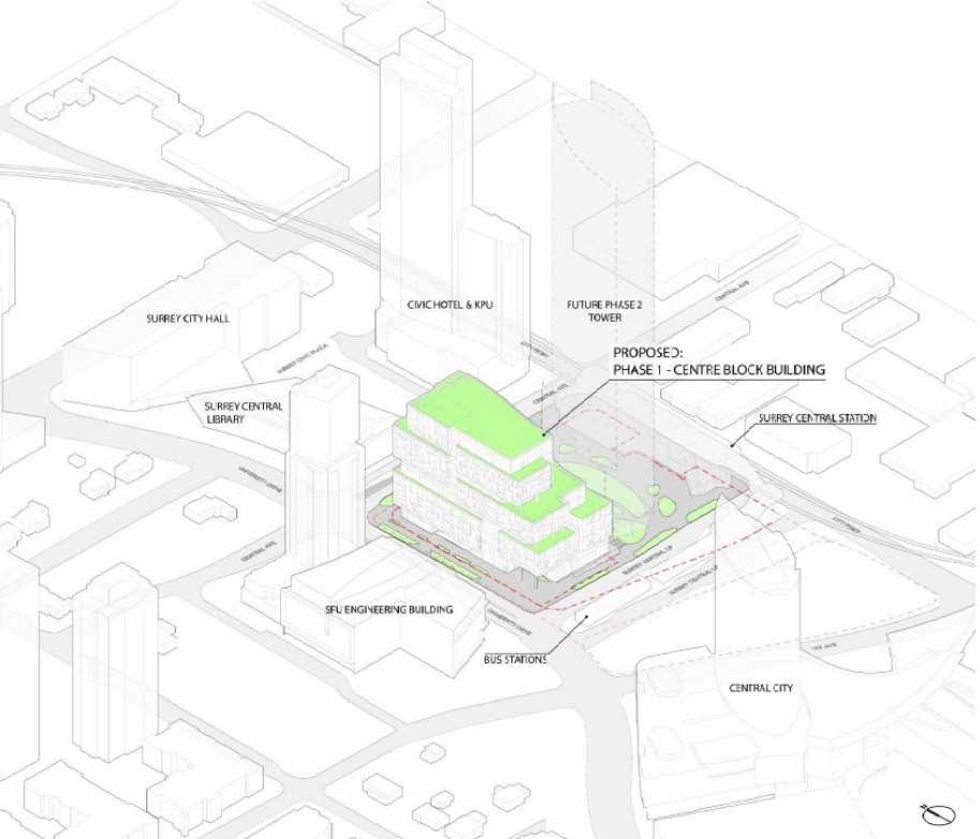 Centre Block and its surrounding context. (Stantec-Revery, SCDC)
 The 12-storey Phase One of Centre Block. (Stantec-Revery, SCDC)
 The 12-storey Phase One of Centre Block. (Stantec-Revery, SCDC)
 Mondria One, set for 1607 King Street East in Clarington, Ontario. (ICON Architects Inc., Monde Development Group)