Loan Origination
Learn what loan origination is in Canadian mortgage lending, what steps are involved, and how borrowers complete the approval and funding process.

May 30, 2025
What is Loan Origination?
Loan origination is the full process of creating, reviewing, and approving a new mortgage or loan, from initial application to final funding.
Why Does Loan Origination Matter in Real Estate?
In Canadian real estate, loan origination involves multiple steps and stakeholders, including the borrower, broker, lender, and underwriter.
Steps in loan origination include:
- Pre-approval or prequalification
- Mortgage application and documentation
- Credit review and underwriting
- Appraisal and title verification
- Loan approval and funding
Origination may involve fees, especially in private or complex lending scenarios. These fees should be disclosed up front in writing.
Understanding loan origination helps borrowers navigate the mortgage process and prepare documentation efficiently to avoid delays.
Example of Loan Origination in Action
The borrower completes the loan origination process, including credit review and appraisal, and receives funding two days before closing.
Key Takeaways
- Covers full mortgage processing from start to finish.
- Includes documentation, underwriting, and funding.
- May involve fees and third-party services.
- Critical to securing home financing.
- Must comply with regulatory timelines.
Related Terms
- Mortgage Application
- Underwriting
- Lender Disclosure
- Broker Disclosure
- Origination Fee
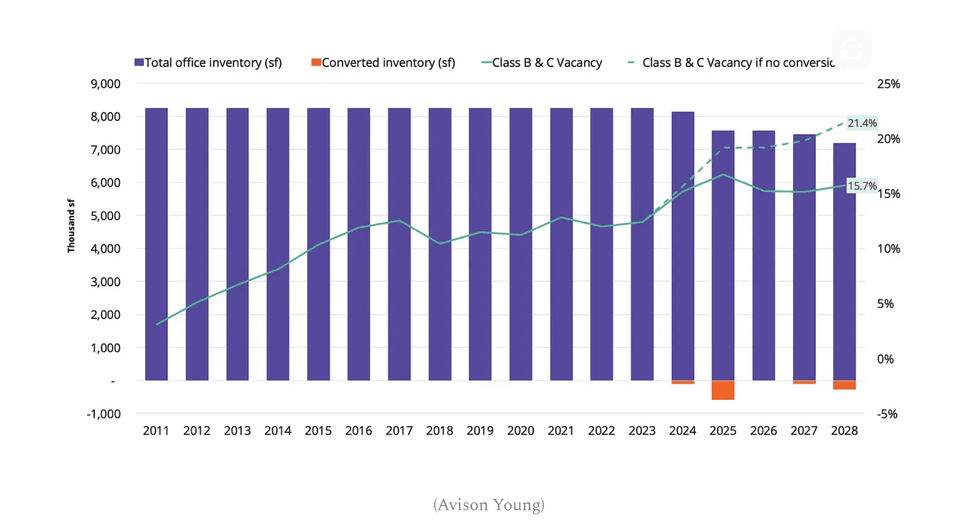 (Avison Young)
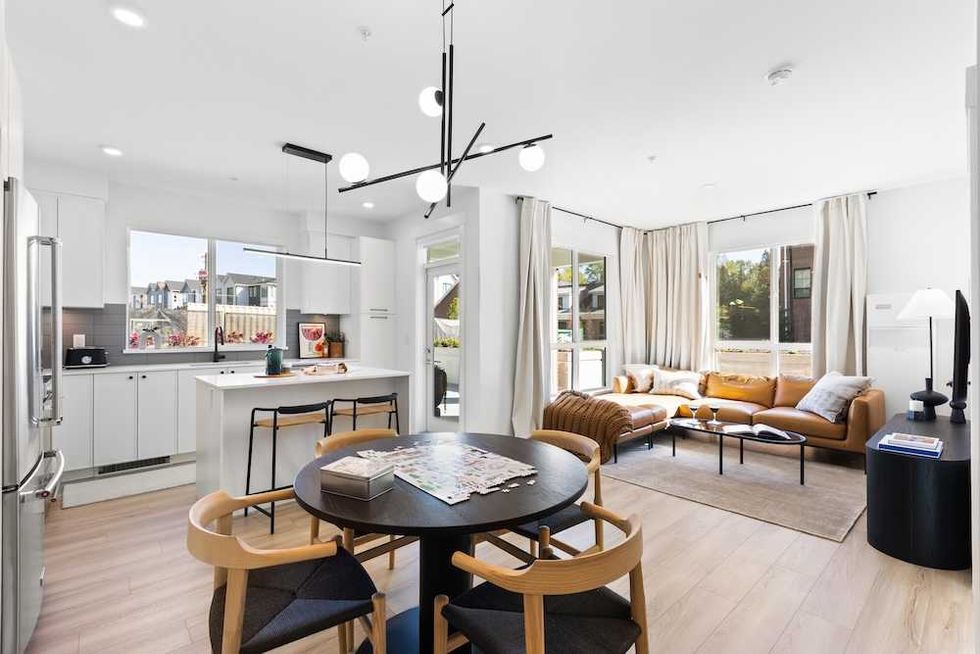 The Mason Suite Interior (Infinity Properties)
 The Mason Suite Interior (Infinity Properties)
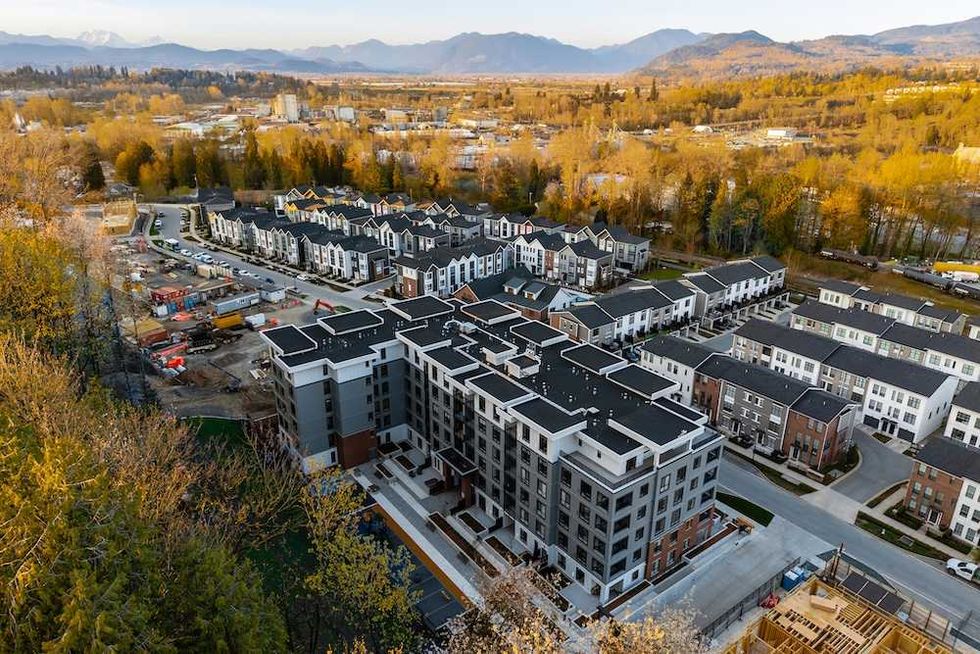 Rail District aerial (Infinity Properties)
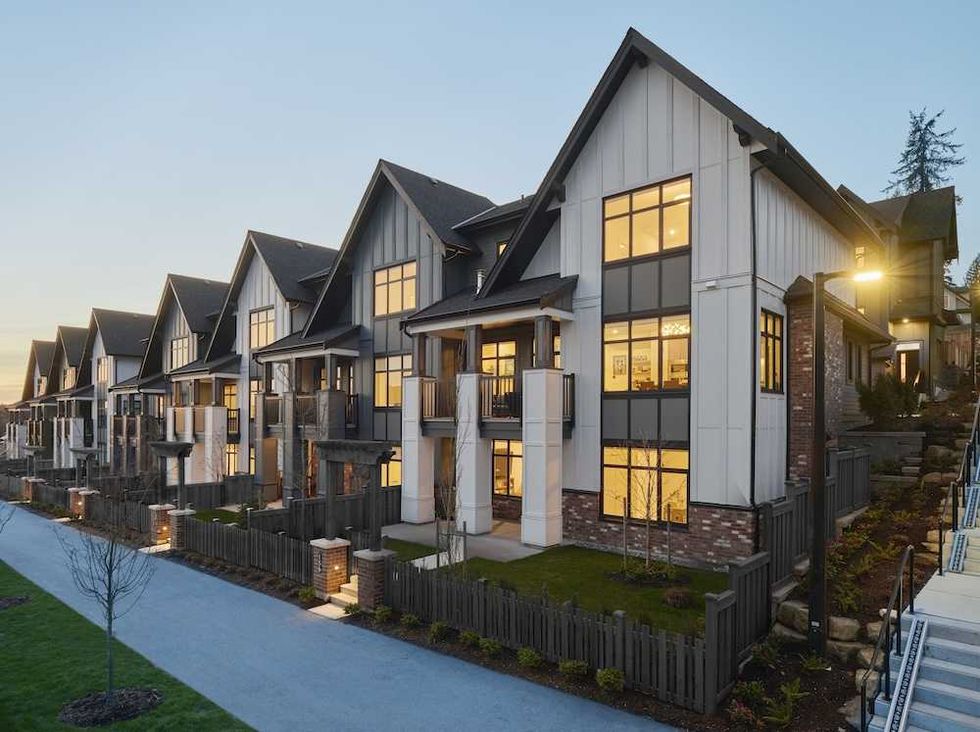 Versant (Infinity Properties)




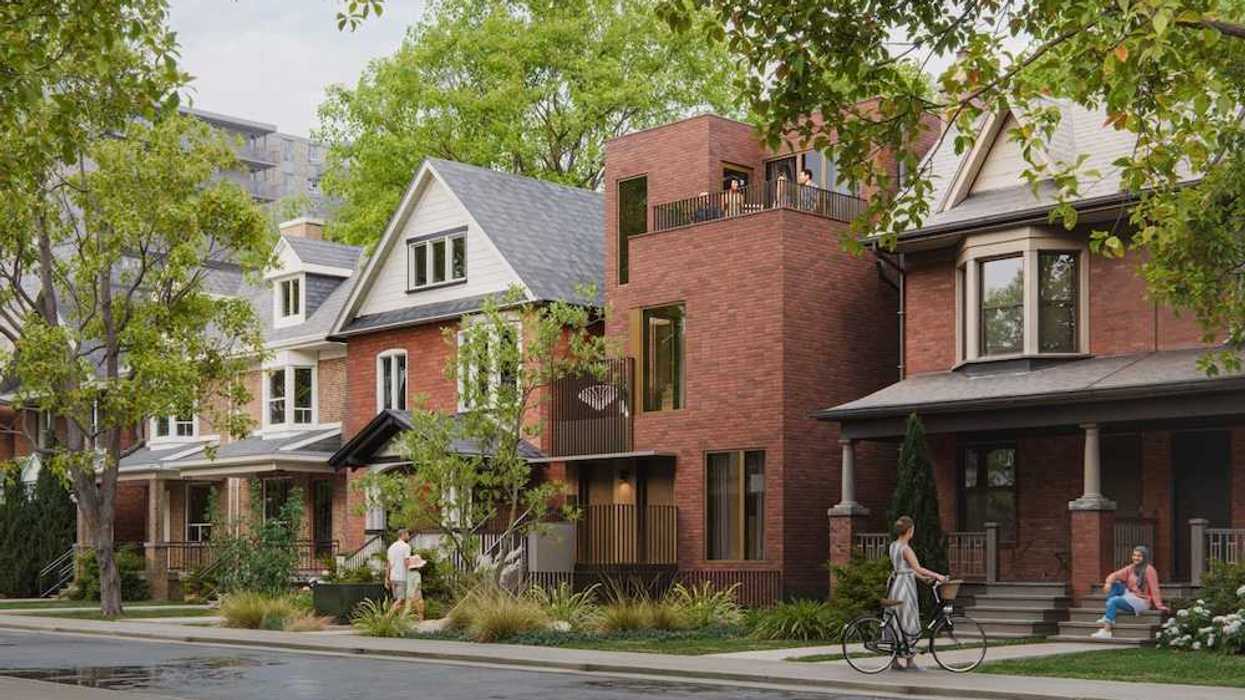
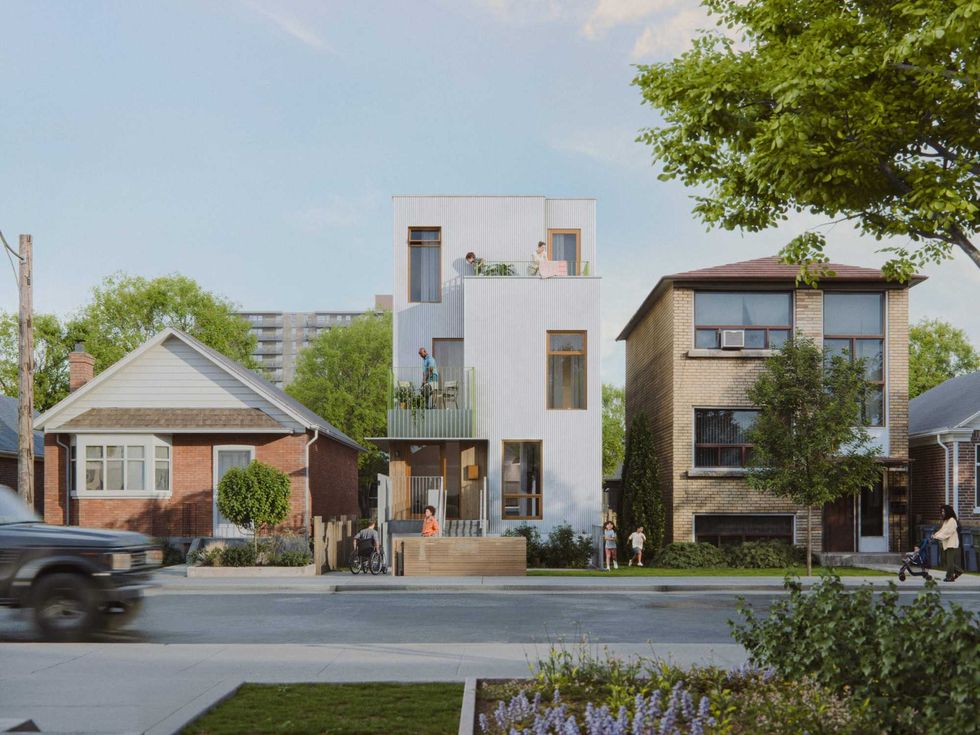 Narrow Fourplex (City of Toronto)
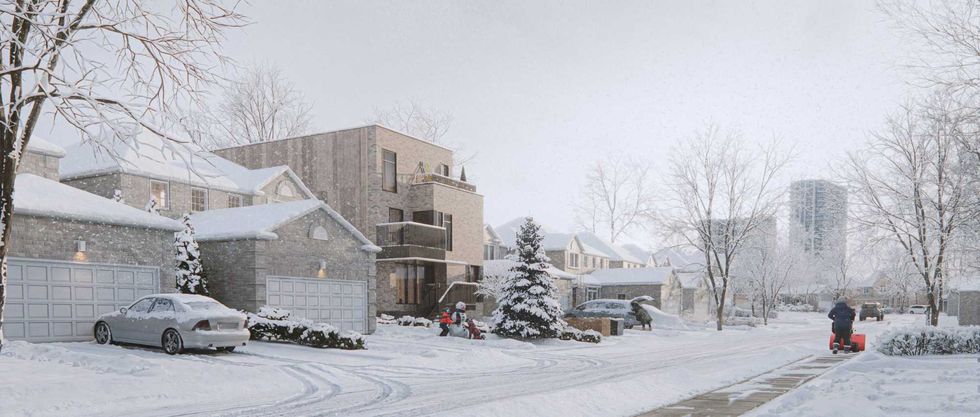 Wide Sixplex - Side View (City of Toronto)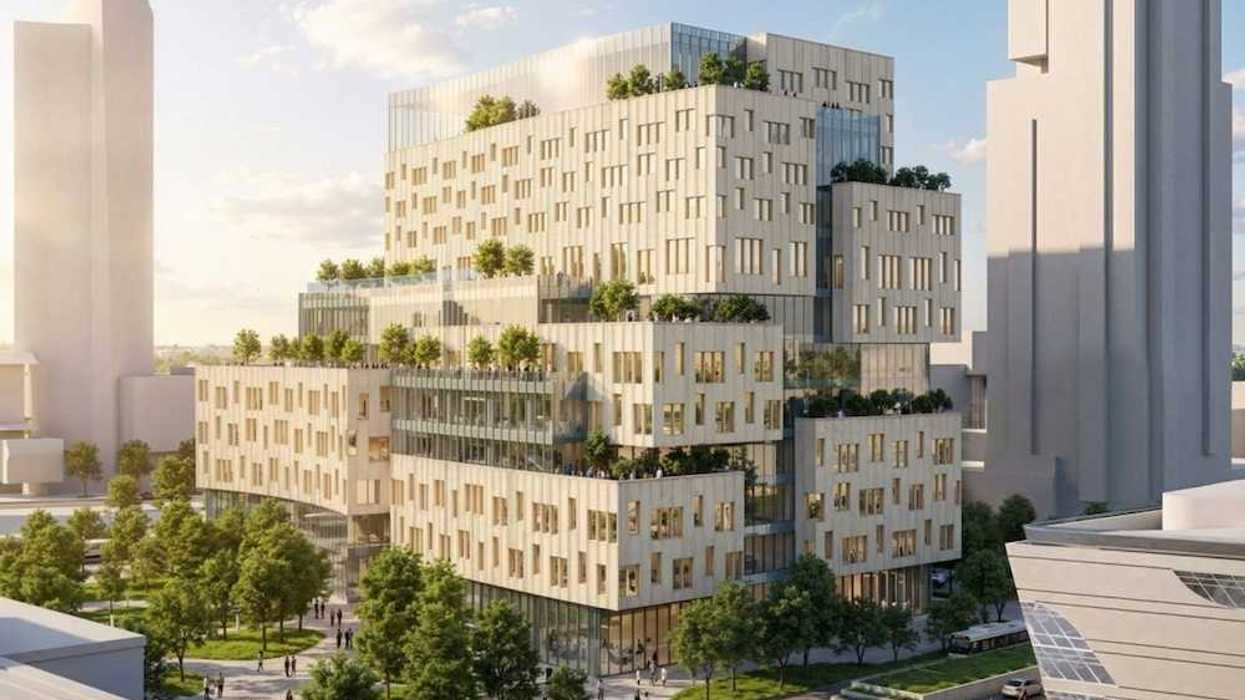
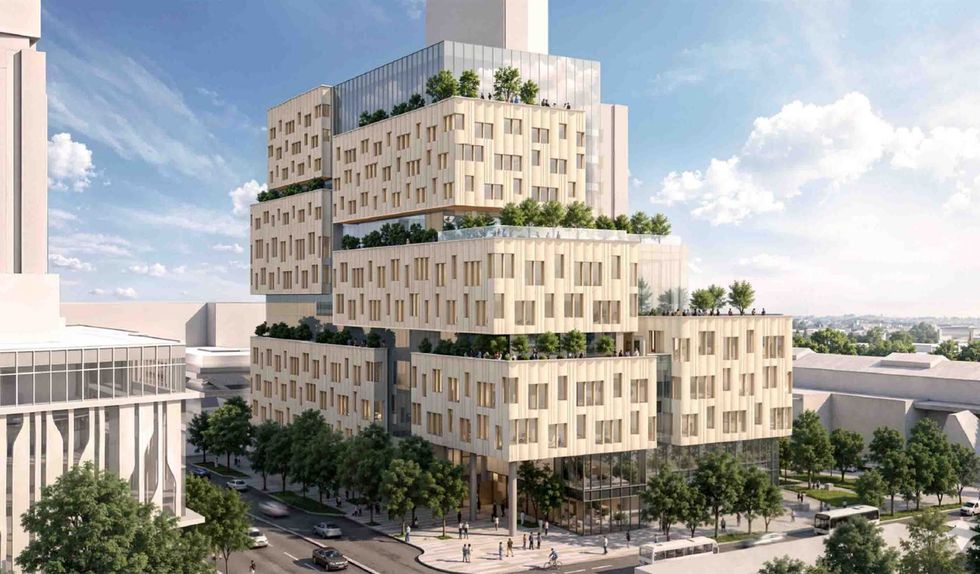
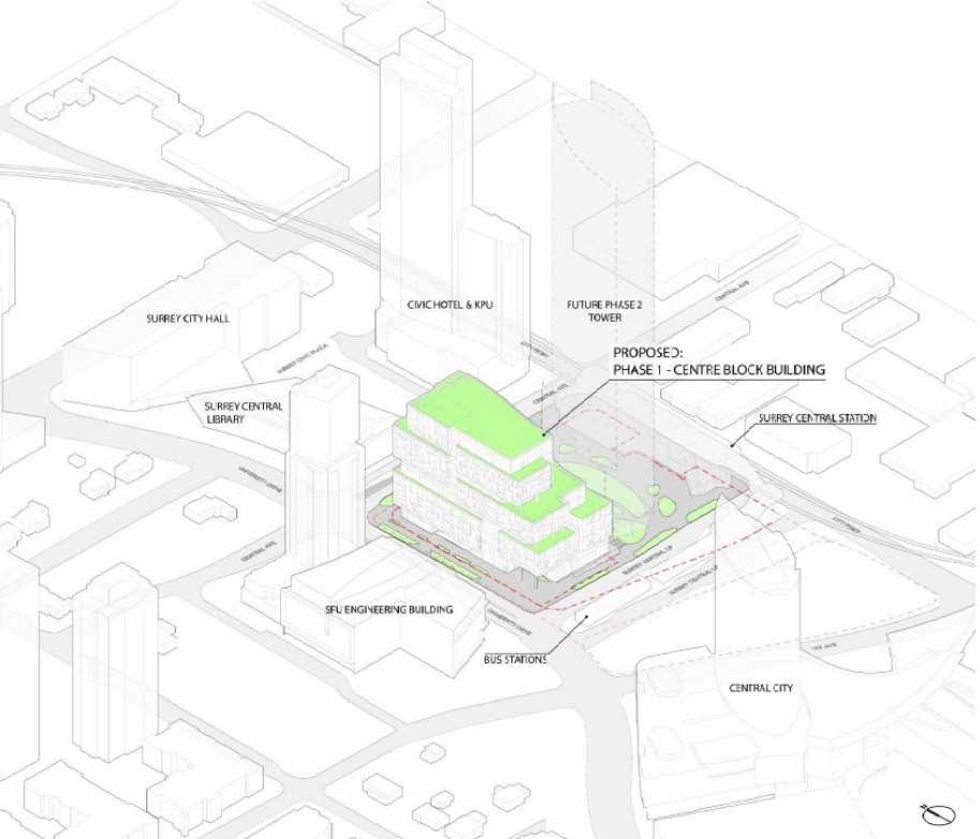 Centre Block and its surrounding context. (Stantec-Revery, SCDC)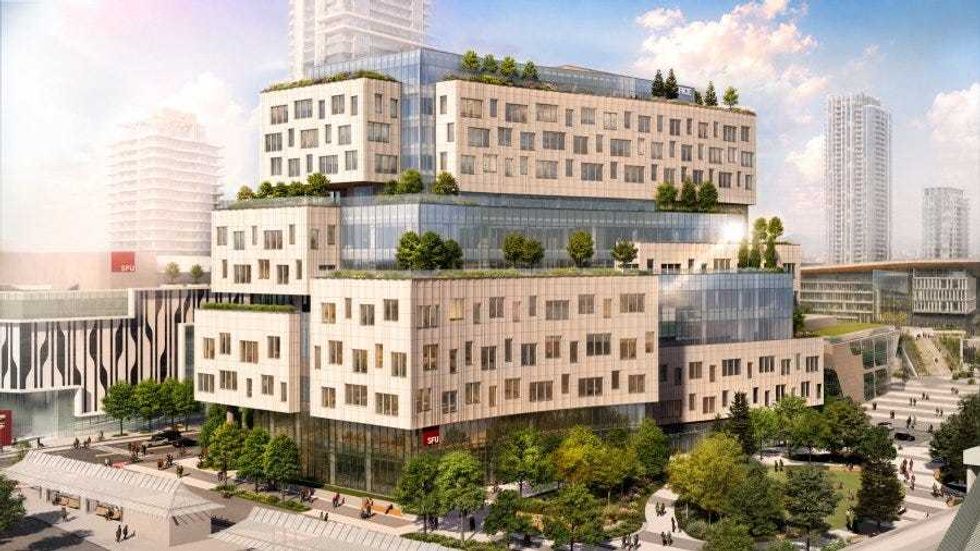
 The 12-storey Phase One of Centre Block. (Stantec-Revery, SCDC)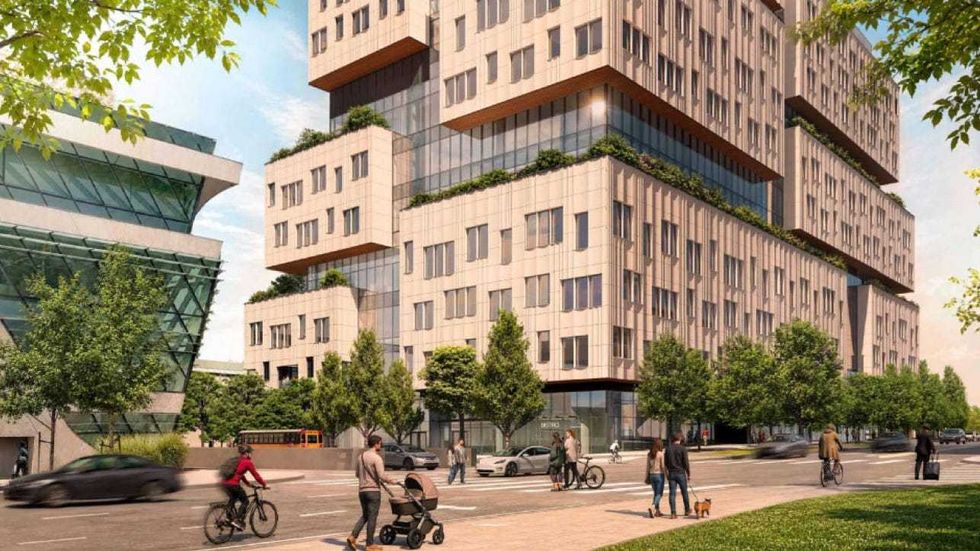
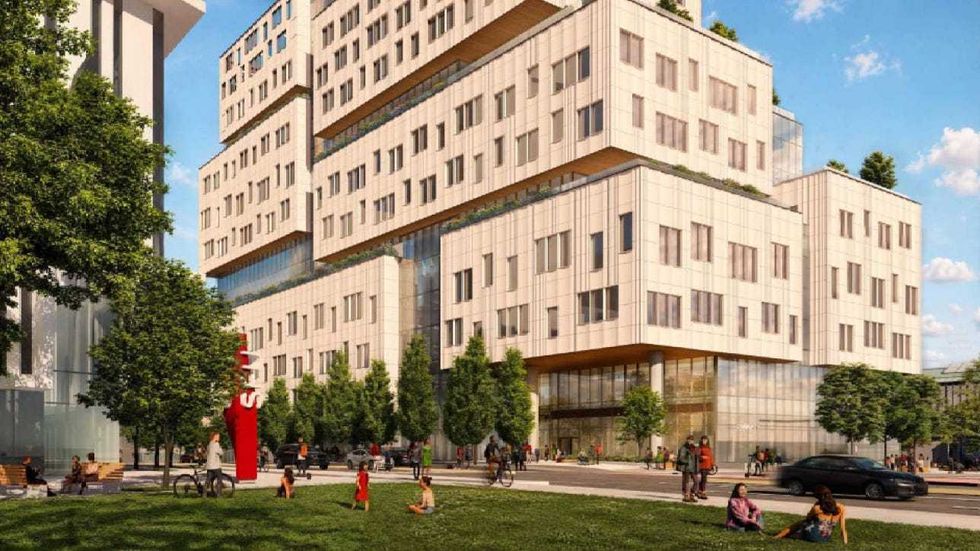 The 12-storey Phase One of Centre Block. (Stantec-Revery, SCDC)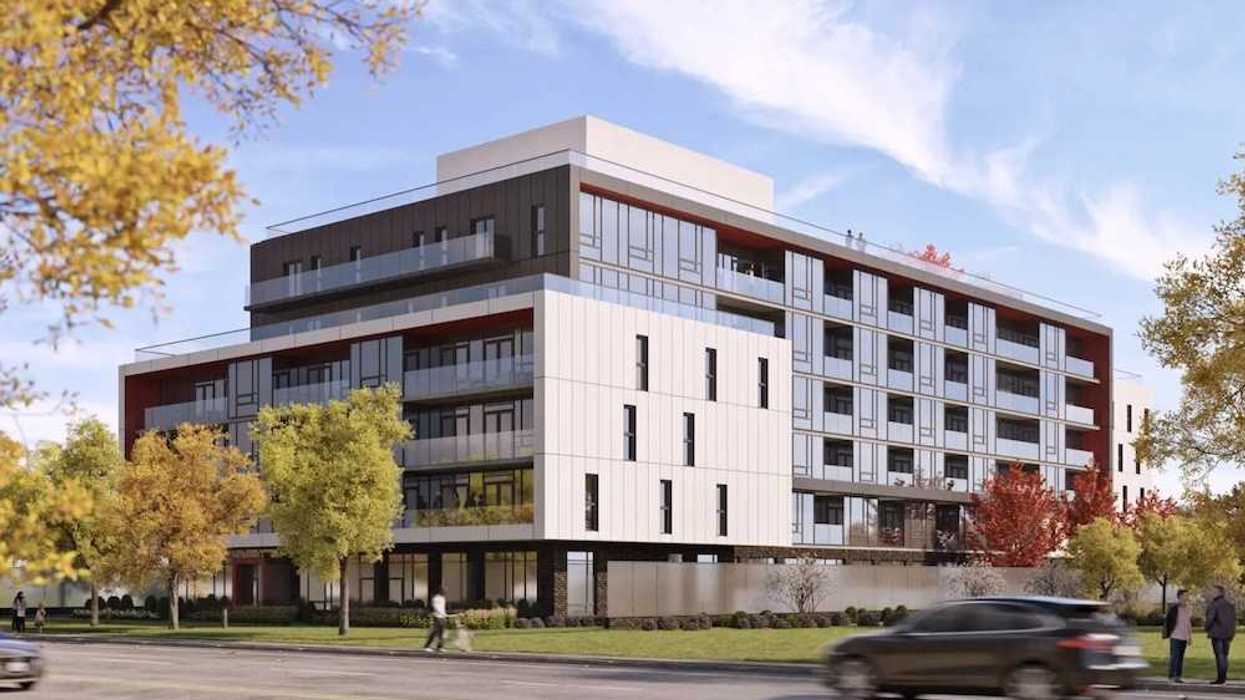
 Mondria One, set for 1607 King Street East in Clarington, Ontario. (ICON Architects Inc., Monde Development Group)