Listing Agreement
Understand how listing agreements work in Canadian real estate, including contract terms, agent responsibilities, and how to protect seller interests.

May 22, 2025
What is a Listing Agreement?
A listing agreement is a contract between a property seller and a real estate brokerage that authorizes the brokerage to market and sell the property under specified terms.
Why Listing Agreements Matter in Real Estate
In Canadian real estate, the listing agreement gives the brokerage legal permission to represent the seller and outlines the expectations, compensation, and scope of services provided.
Key components of a listing agreement include:- Asking price and property details
- Listing duration (e.g., 90 days)
- Commission rate and structure
- Marketing obligations (MLS listing, open houses, etc.)
- Clauses on exclusivity and cancellation
- Exclusive Listing: One brokerage represents the seller exclusively
- MLS Listing: Property is listed on the Multiple Listing Service
- Open Listing: The seller may work with multiple brokerages (less common)
Once signed, the listing agreement creates fiduciary duties, meaning the agent must act in the seller’s best interest. Sellers should review all terms and negotiate commission rates or exclusions as needed.
Understanding the listing agreement ensures a clear relationship between seller and agent and protects both parties throughout the transaction.
Example of a Listing Agreement
A homeowner signs a 90-day exclusive listing agreement with a 5% commission and agrees to list the property on MLS with open house marketing included.
Key Takeaways
- Authorizes agent to sell a property.
- Defines pricing, marketing, and commission.
- May be exclusive or open.
- Creates fiduciary duties for the agent.
- Must be reviewed before signing.
Related Terms
- Commission
- Exclusive Listing
- MLS
- Seller’s Agent
- Real Estate Brokerage
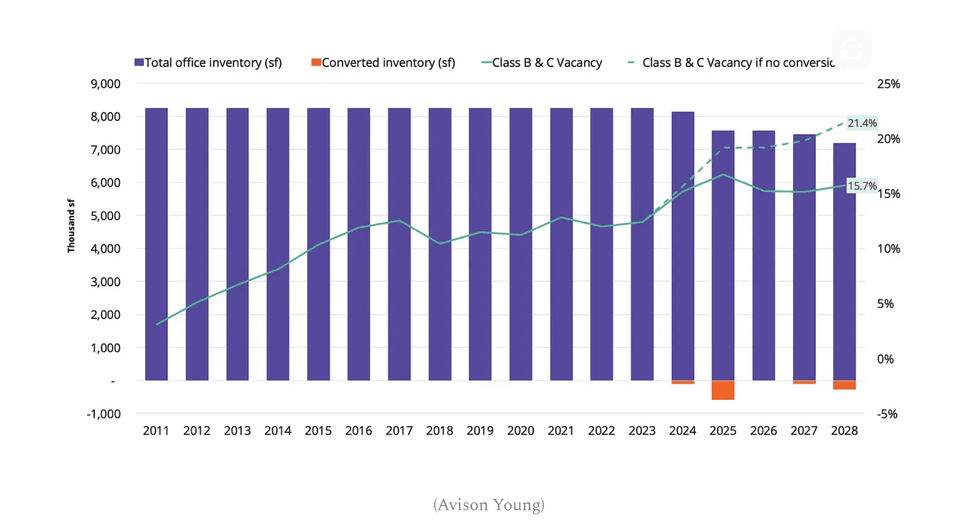 (Avison Young)
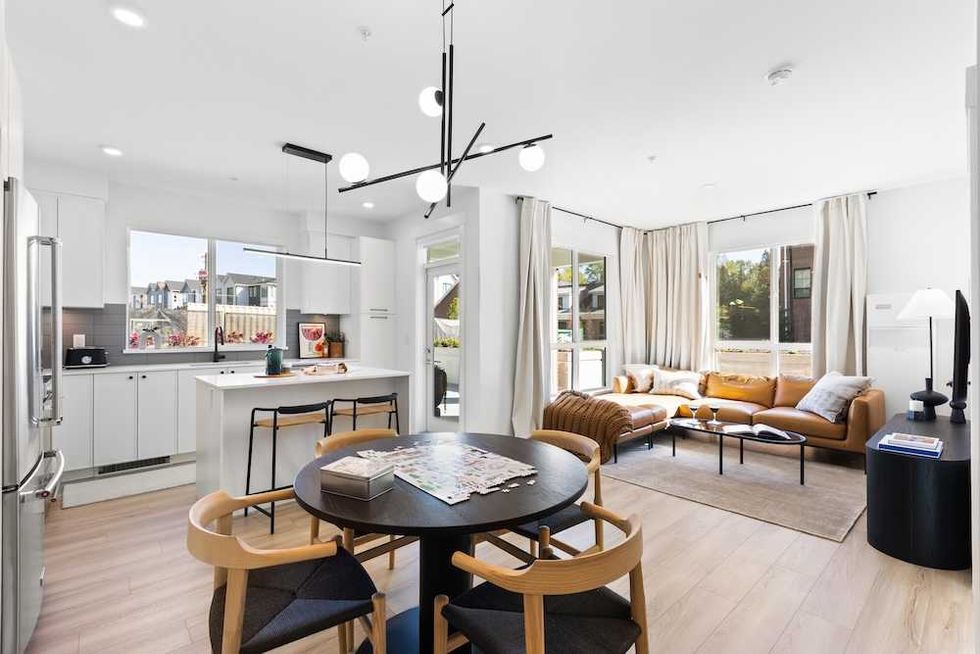 The Mason Suite Interior (Infinity Properties)
 The Mason Suite Interior (Infinity Properties)
 Rail District aerial (Infinity Properties)
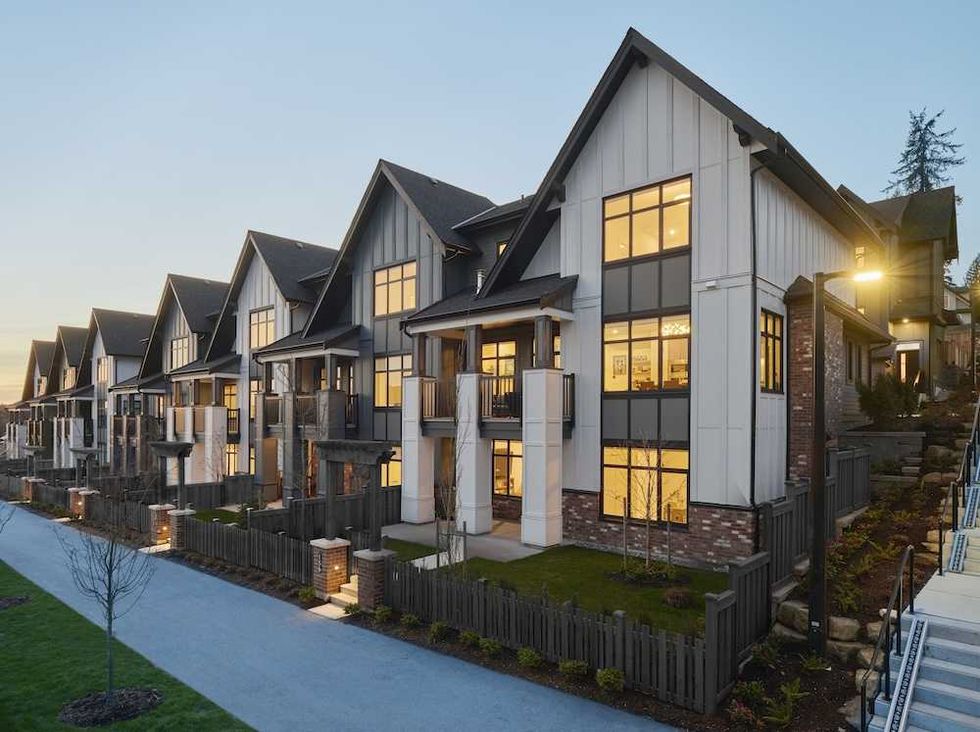 Versant (Infinity Properties)


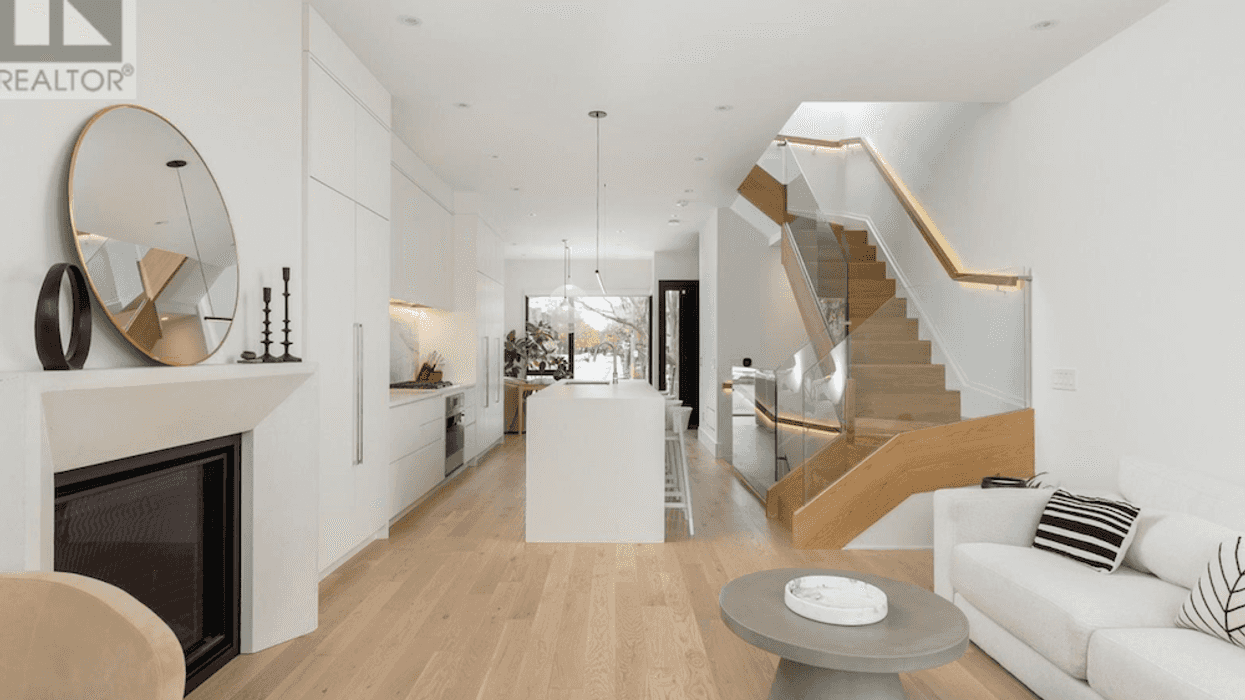





 Narrow Fourplex (City of Toronto)
 Wide Sixplex - Side View (City of Toronto)
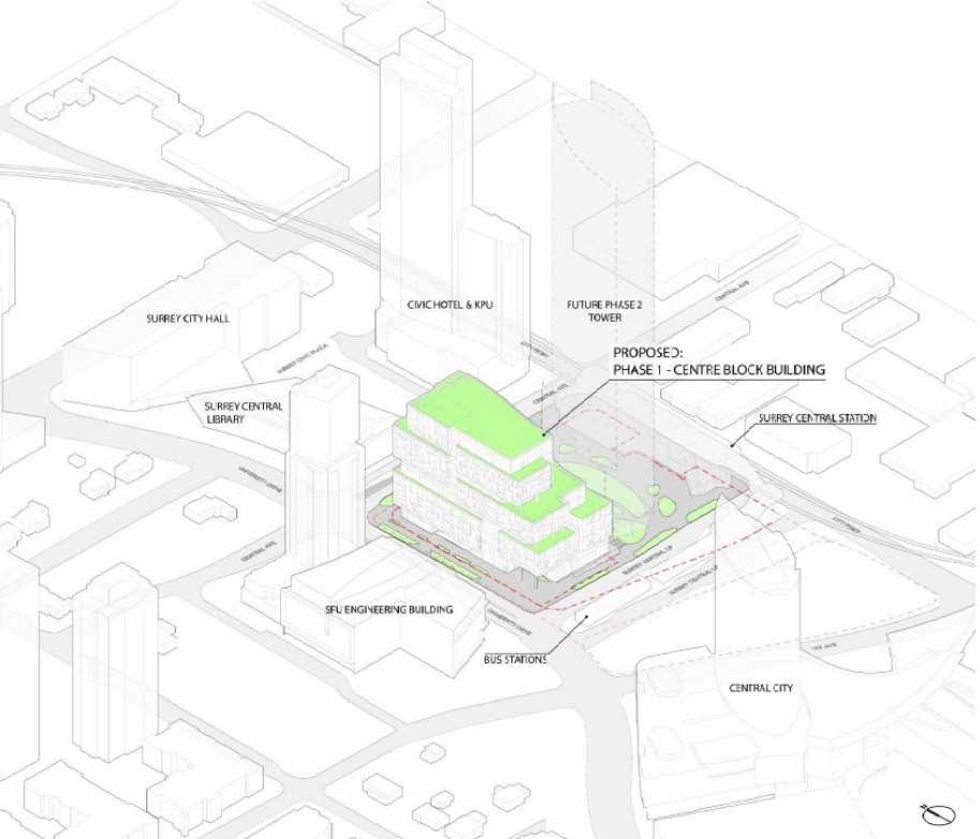 Centre Block and its surrounding context. (Stantec-Revery, SCDC)
 The 12-storey Phase One of Centre Block. (Stantec-Revery, SCDC)
 The 12-storey Phase One of Centre Block. (Stantec-Revery, SCDC)
 Mondria One, set for 1607 King Street East in Clarington, Ontario. (ICON Architects Inc., Monde Development Group)