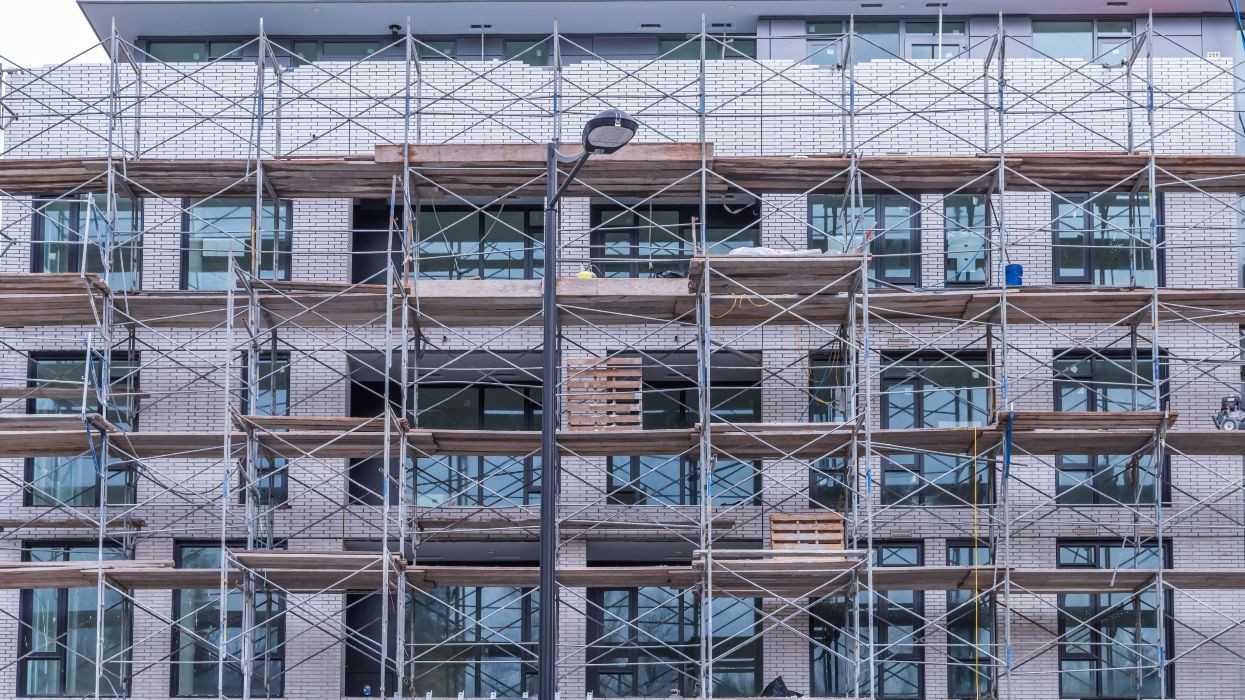
Improvement Quotes
Understand the role of improvement quotes in Canadian real estate financing, how they affect renovation loans, and why accurate estimates are essential.

May 22, 2025
What are Improvement Quotes?
Improvement quotes are written estimates detailing the cost of planned renovations or upgrades to a property, typically required during mortgage applications or renovation planning.
Why Improvement Quotes Matter in Real Estate
In Canadian real estate, lenders often require improvement quotes when buyers apply for a Purchase Plus Improvements Mortgage or renovation loan. These quotes help verify the scope, budget, and feasibility of proposed upgrades.
Key details in an improvement quote include:- Itemized list of materials and labour
- Contractor contact information and credentials
- Estimated start and completion dates
- Total projected cost including taxes
Lenders use quotes to determine the additional funds to include in a mortgage. Funds are usually released after work is completed and verified. Buyers should obtain quotes from licensed and insured professionals to ensure lender acceptance.
Quotes also aid in comparing contractor bids and help property owners budget accurately for improvements. Having reliable improvement quotes supports both financing and project planning.
Example of Improvement Quotes
A buyer submits two improvement quotes totaling $30,000 for a new roof and energy-efficient windows, securing additional financing under a Purchase Plus Improvements Mortgage.
Key Takeaways
- Provide cost breakdown for property upgrades.
- Required for renovation financing approval.
- Must be detailed and contractor-issued.
- Help with budgeting and project planning.
- Funds released after verified completion.
Related Terms
- Purchase Plus Improvements Mortgage
- Home Renovation Loan
- Contractor Estimate
- Refinance
- Home Appraisal

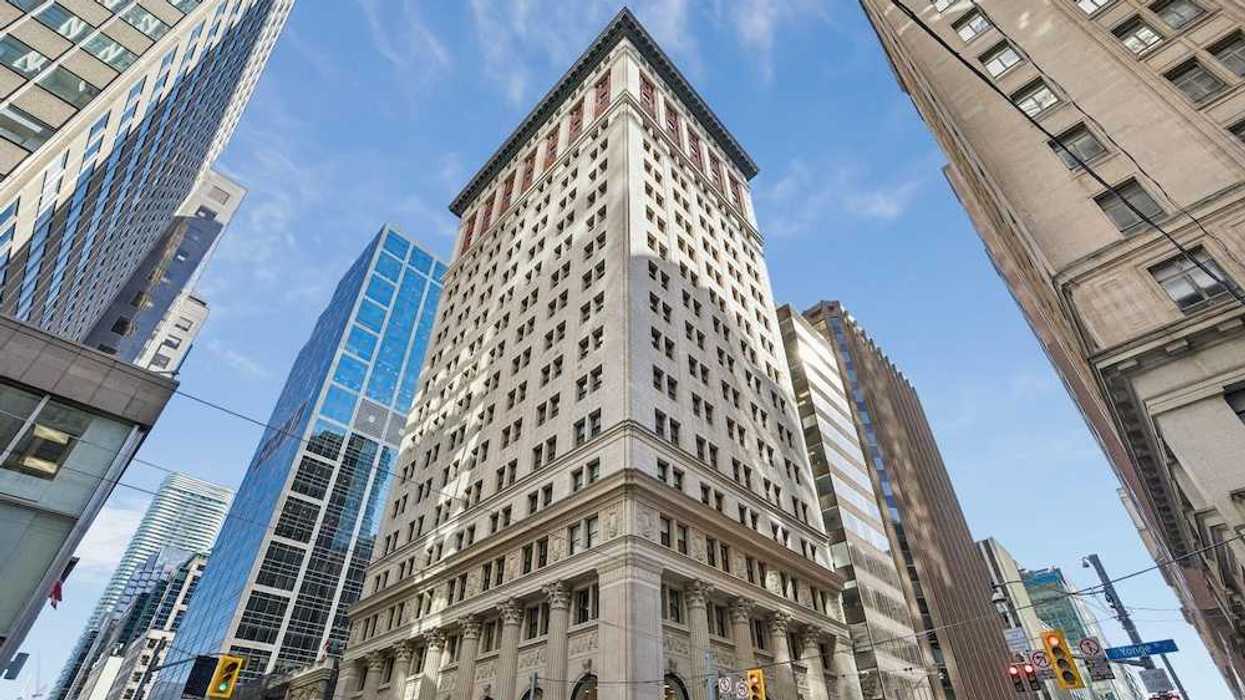
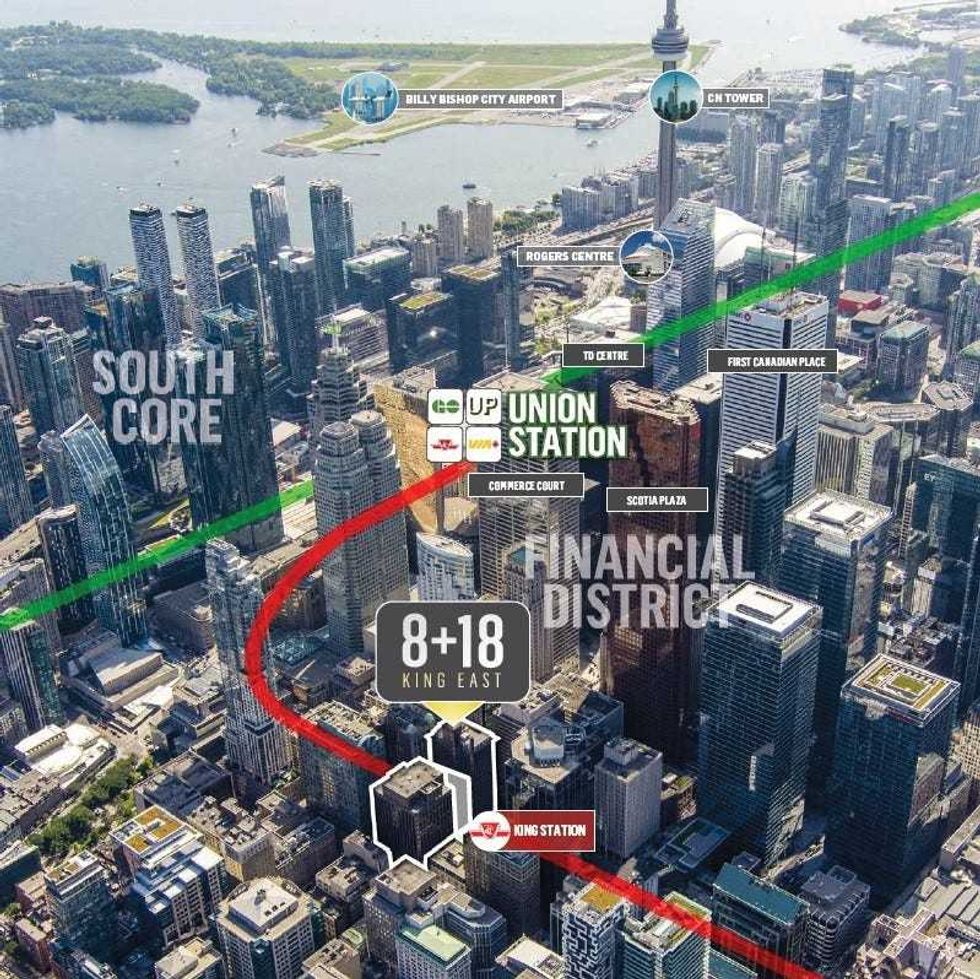 8 and 18 King Street East in Toronto. (RBC Capital Markets Realty)
 Interior photos of 8 and 18 King Street East. (RBC Capital Markets Realty)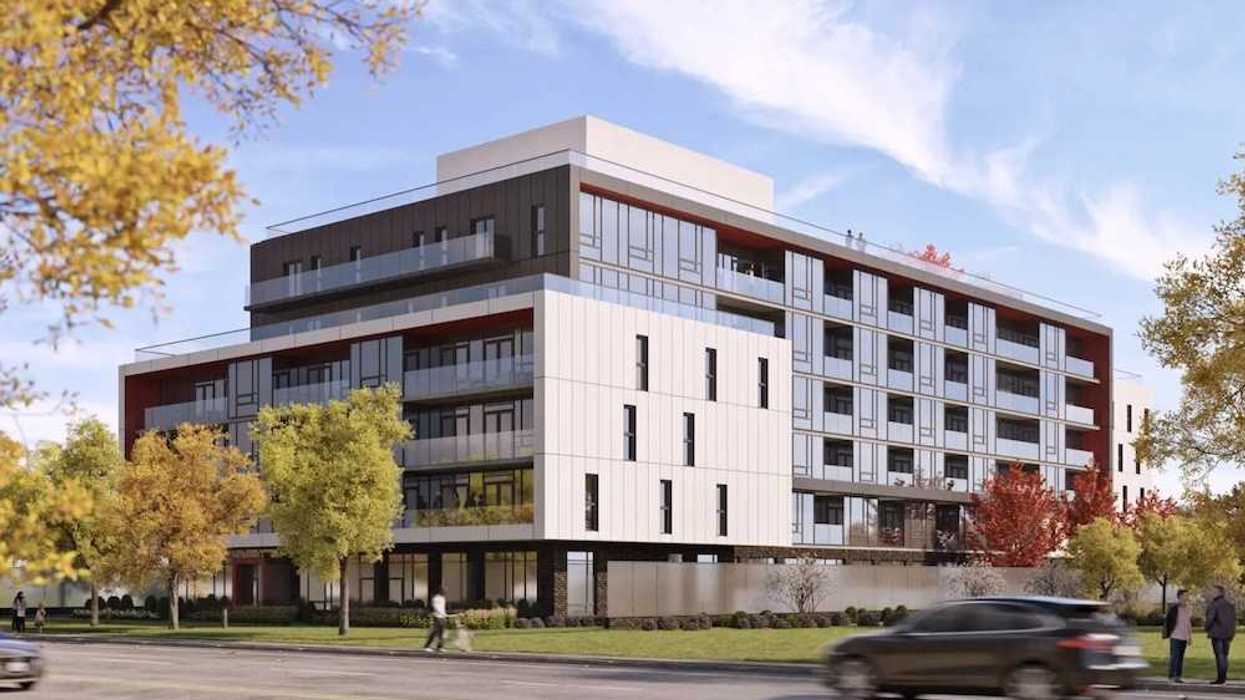

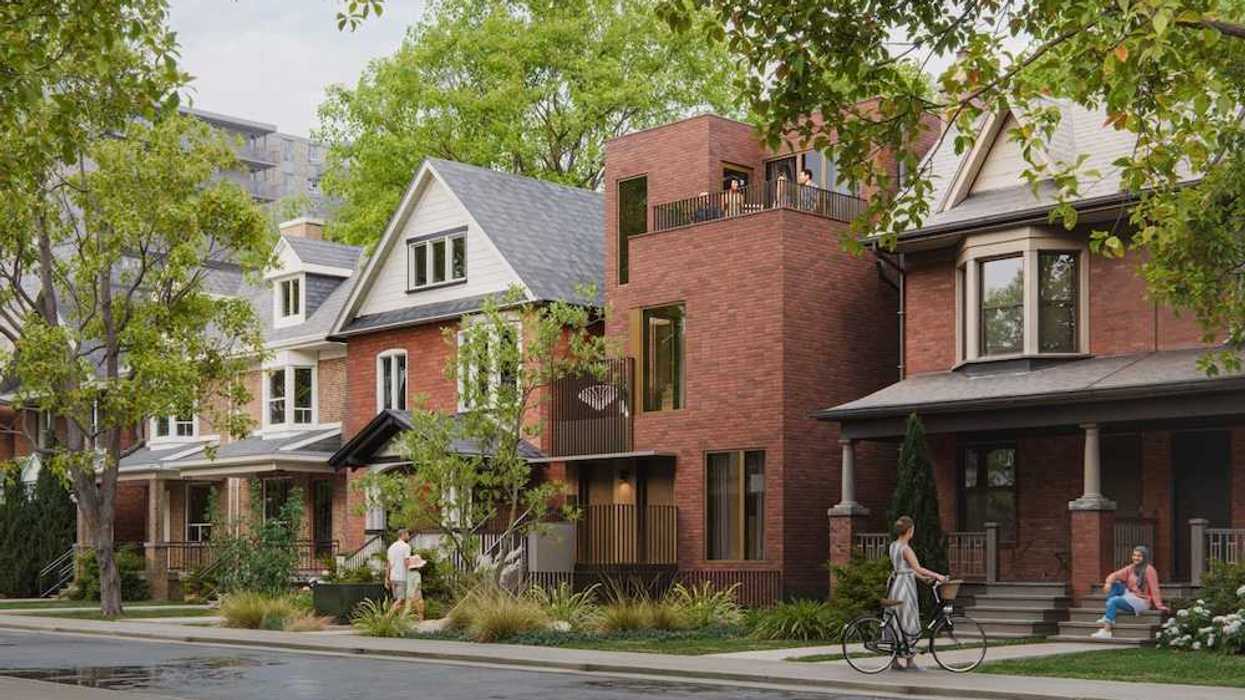
 Narrow Fourplex (City of Toronto)
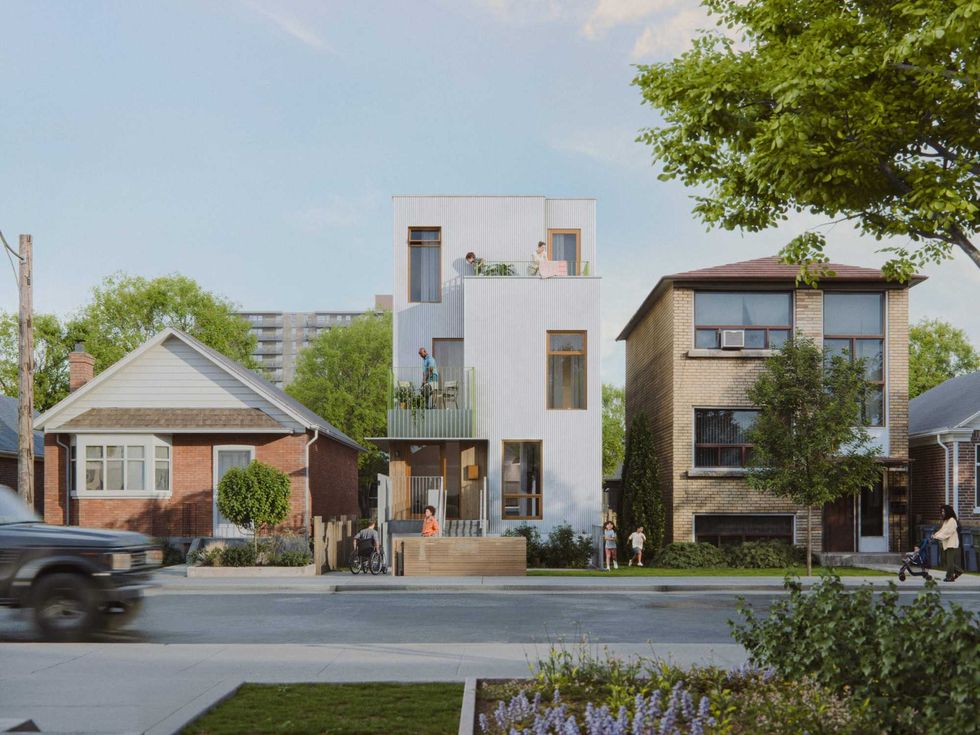
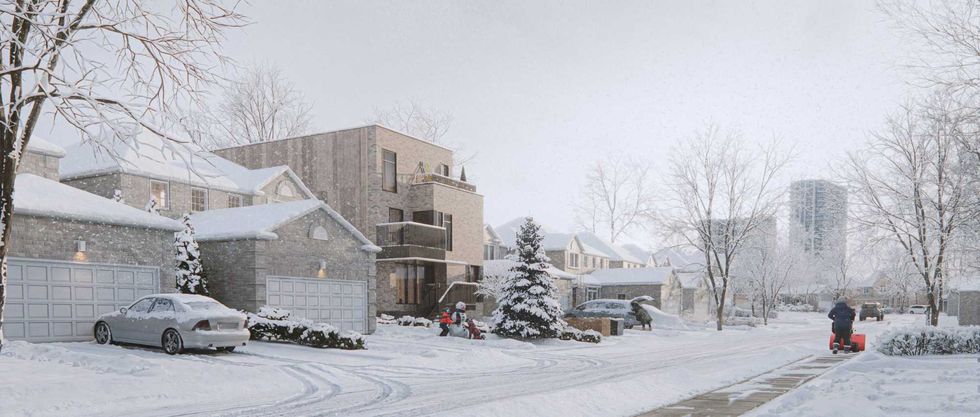 Wide Sixplex - Side View (City of Toronto)

 Via STOREYS Editorial team