Purchase Plus Improvements Mortgage
Learn how a Purchase Plus Improvements Mortgage helps Canadian buyers finance both the cost of a home and needed renovations in a single mortgage.

May 22, 2025
What is a Purchase Plus Improvements Mortgage?
A Purchase Plus Improvements Mortgage is a mortgage product that allows homebuyers to finance the cost of renovations or upgrades along with their home purchase.
Why Do Purchase Plus Improvement Mortgages Matter in Real Estate
This type of mortgage is particularly valuable for buyers who purchase a home that needs immediate updates—such as a new roof, flooring, or kitchen renovation—but may not have upfront cash available for improvements.
How it works:
- The buyer gets pre-approved for a total mortgage amount that includes the home's purchase price and the estimated cost of improvements.
- After closing, the renovation funds are held in trust.
- The buyer must complete the improvements within a specific timeframe (usually 90–120 days).
- Once the renovations are verified (with invoices or inspections), the lender releases the funds.
Eligibility requirements typically include:
- Renovations must increase the home's value or functionality
- Quotes or plans must be submitted in advance
- Final mortgage approval is conditional on the scope and completion of the work
Understanding this mortgage option gives buyers more flexibility and purchasing power, especially in markets where move-in-ready homes are out of budget.
Example of a Purchase Plus Improvements Mortgage in Action
A couple buys a $500,000 home and adds $40,000 in approved renovations. Their total mortgage is $540,000 under a Purchase Plus Improvements program.
Key Takeaways
- Combines home purchase and renovation costs.
- Funds released after upgrades are completed.
- Requires quotes and lender approval.
- Useful for buying homes that need work.
- Helps buyers afford both purchase and repairs.
Related Terms
- Mortgage Pre-Approval
- Home Renovation Loan
- CMHC Insurance
- Mortgage Financing Options
- Improvement Quotes
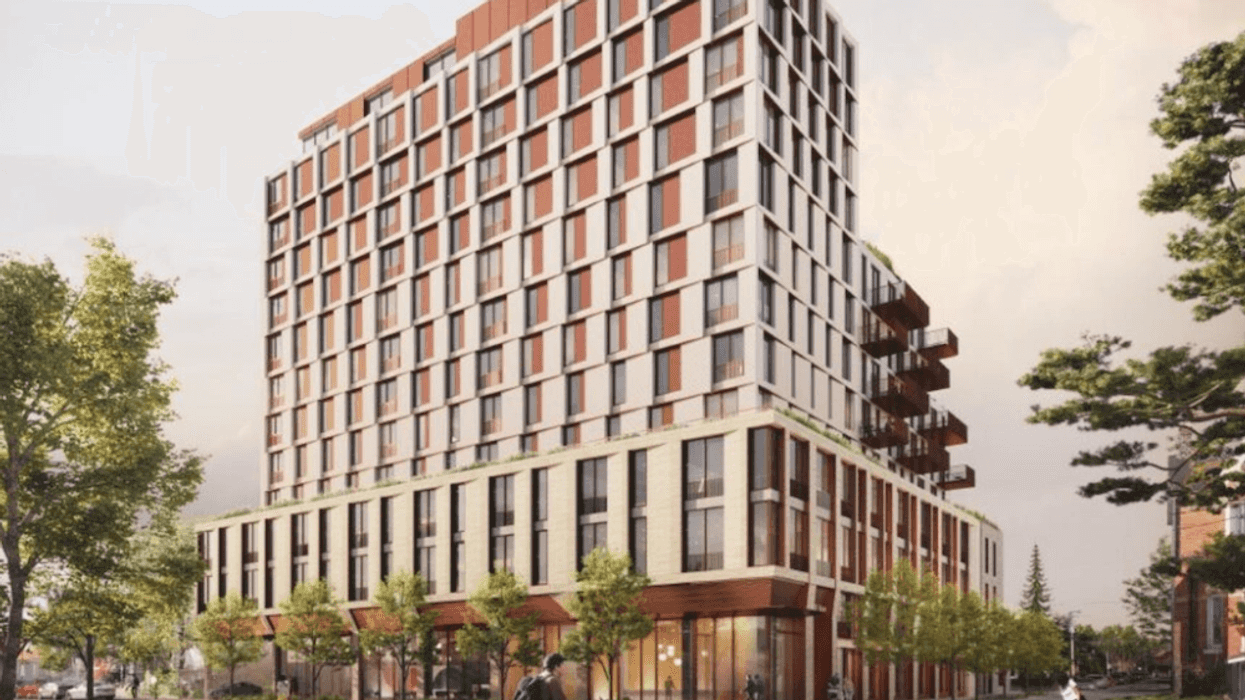
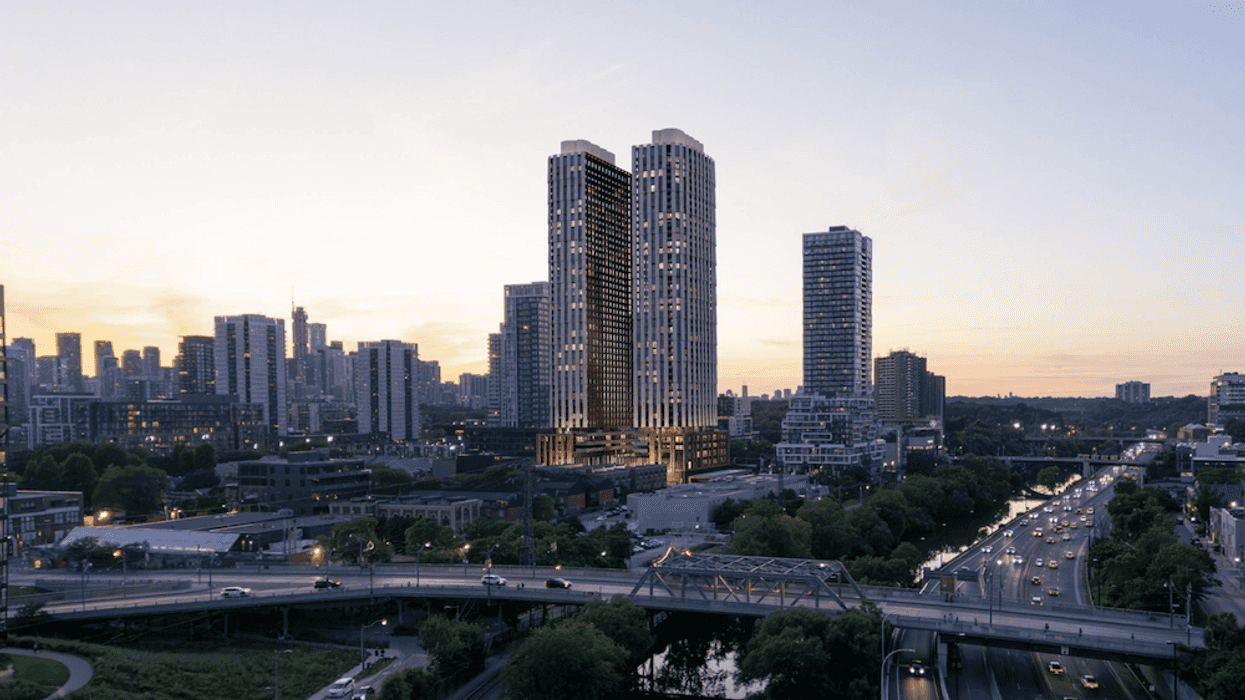
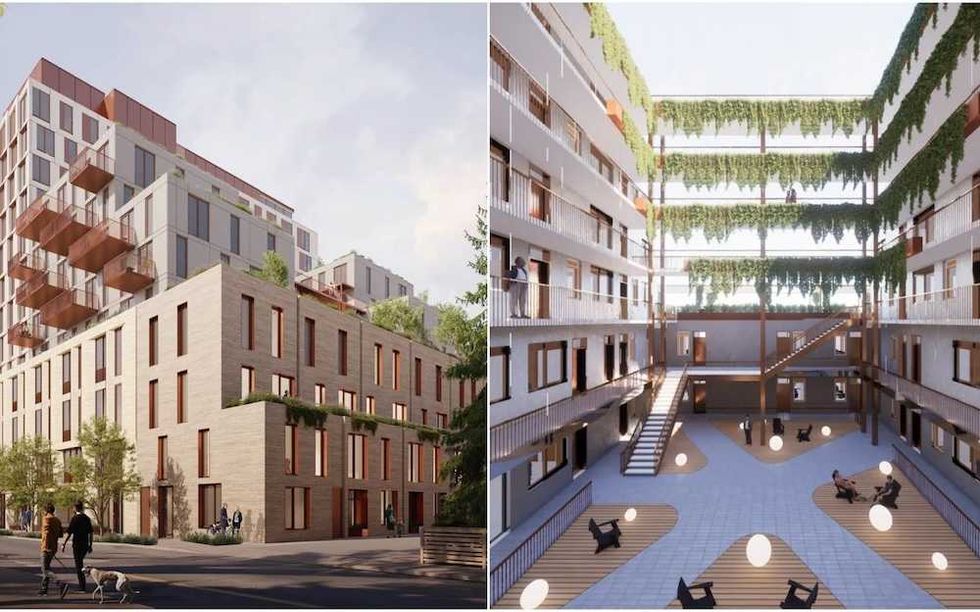 The project approved for 880 Eastern Avenue and 80 Knox Avenue. (SvN Architects, TAS)
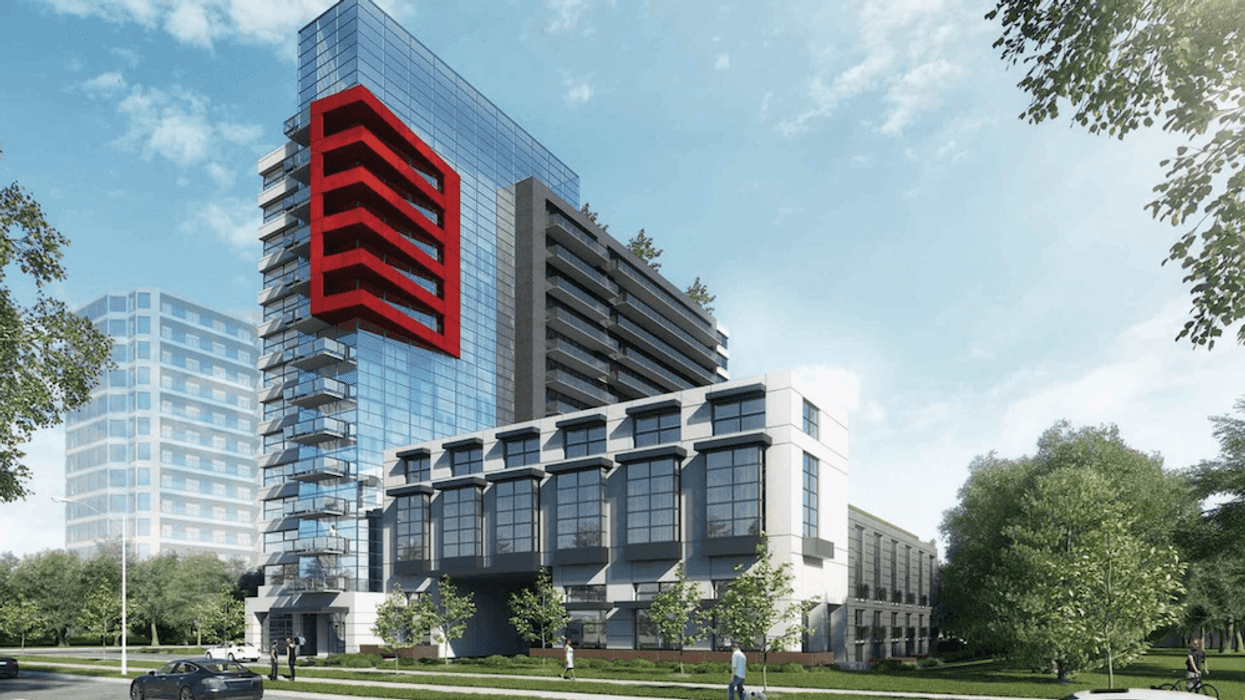
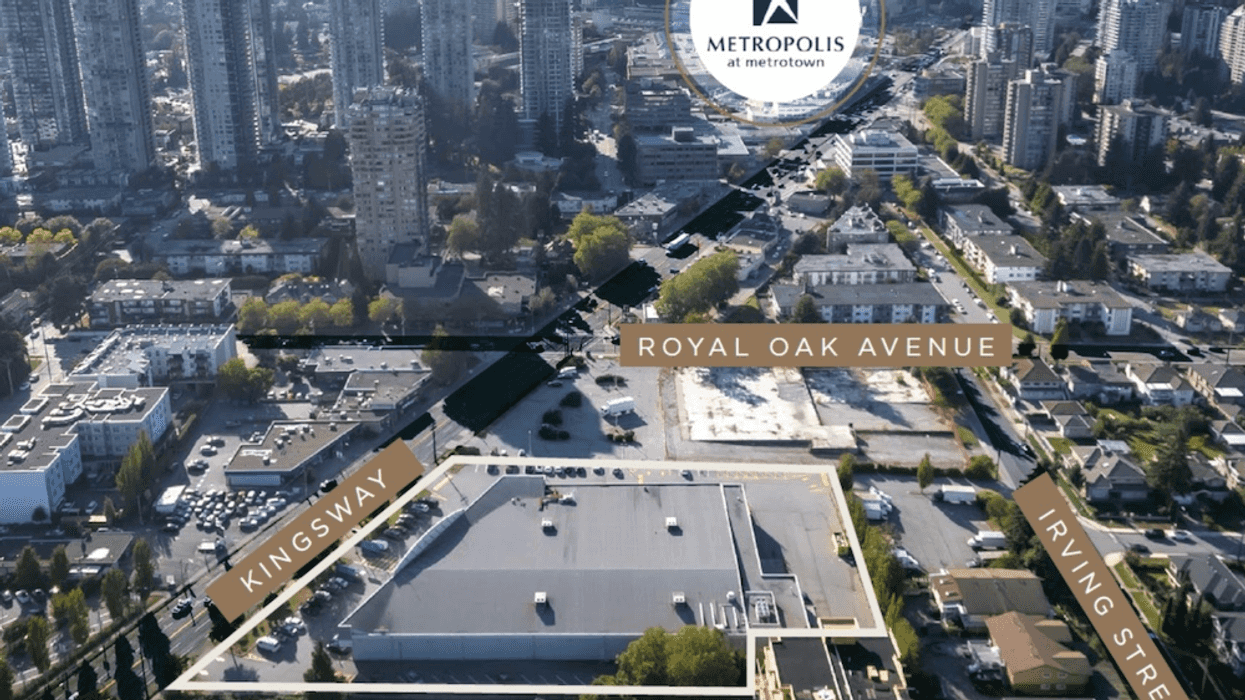

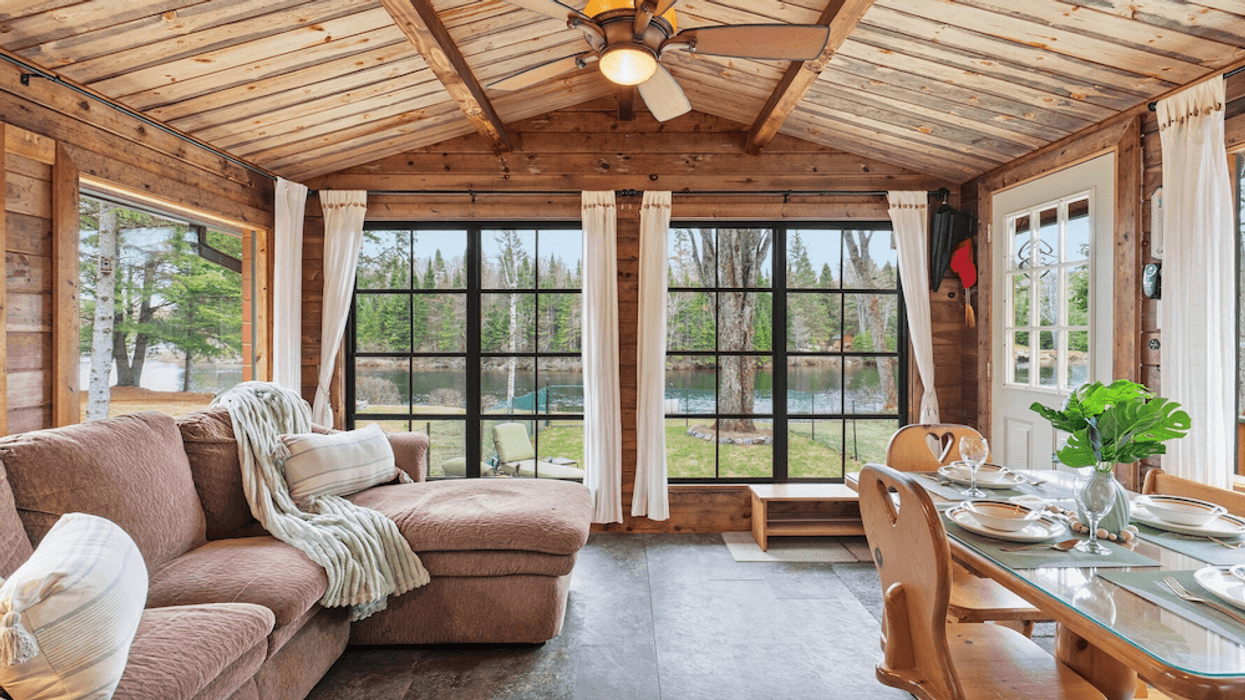
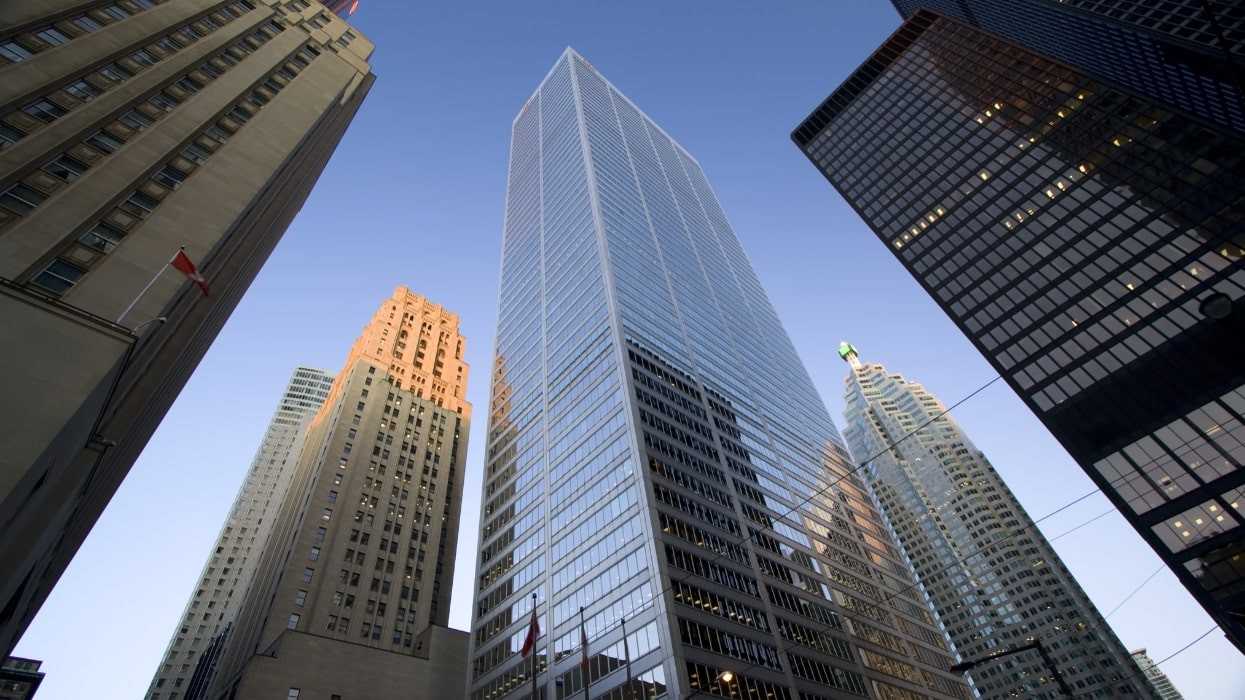

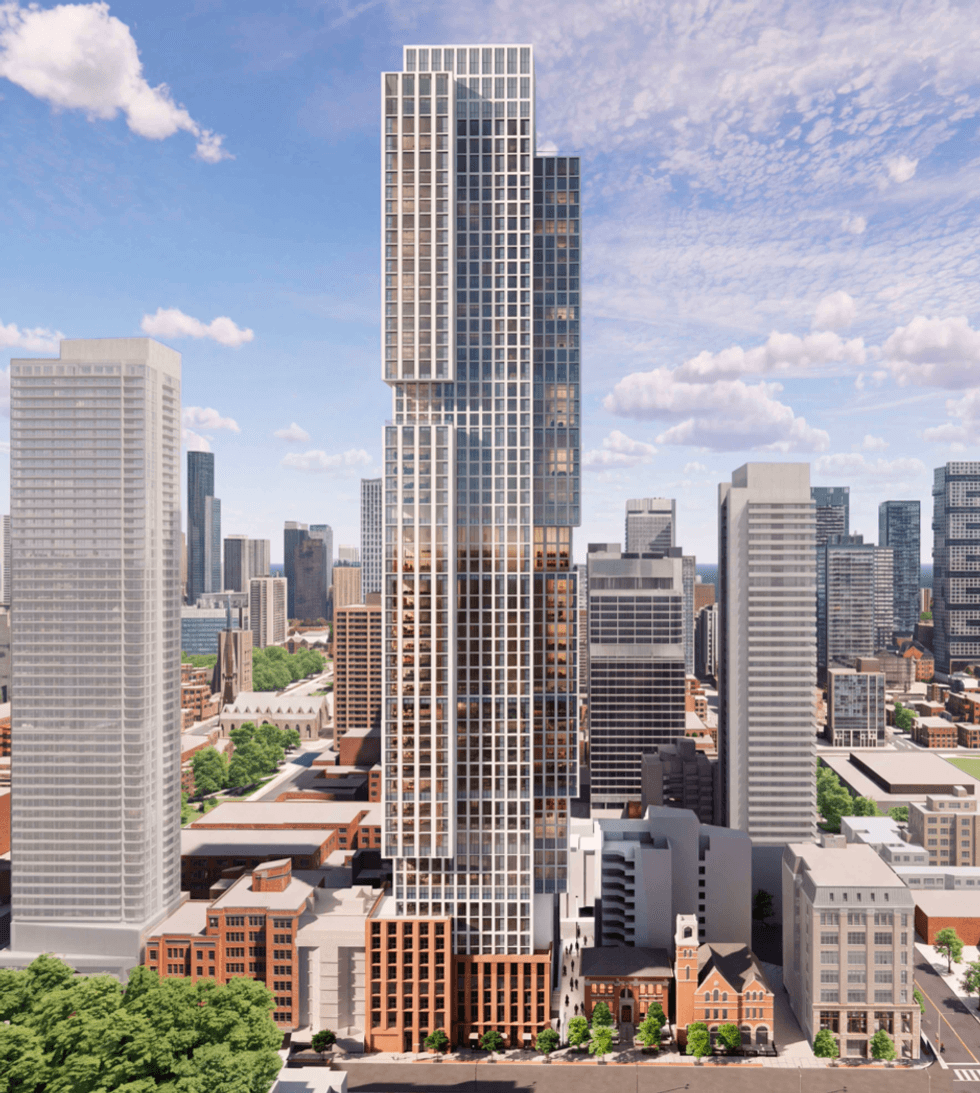 Rendering of 86 and 100-108 Lombard St and 103 Richmond St E/WZMH Architects
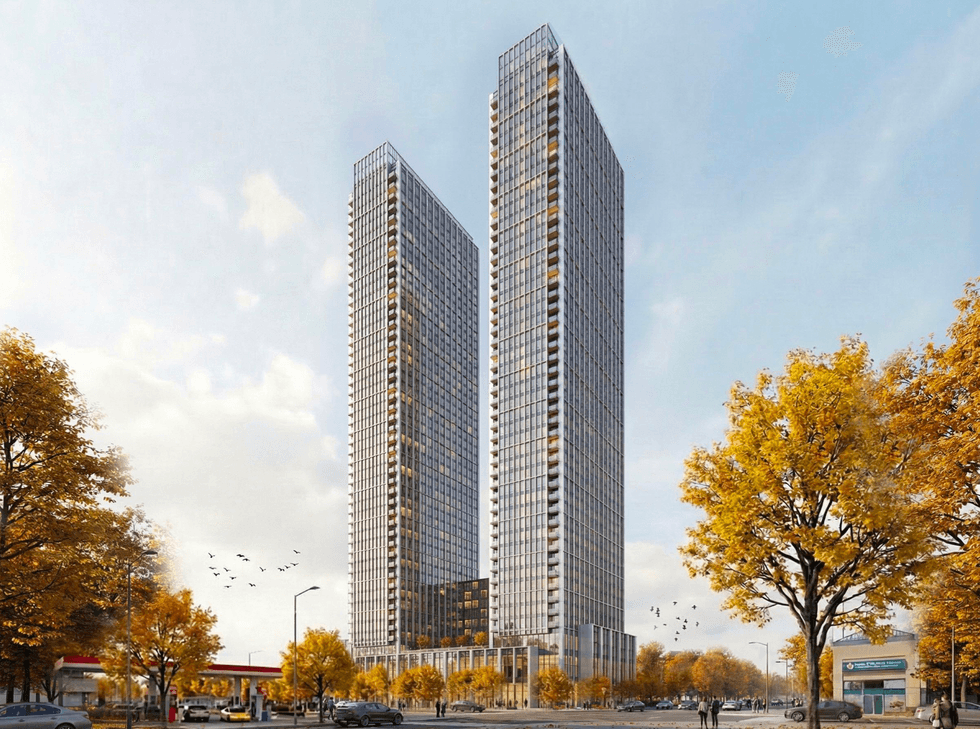 Rendering of 60 Overlea Blvd/Sweeny&Co Architects
 Rendering of 7 Labatt Ave and 77 River St/Giannone Petricone Associates
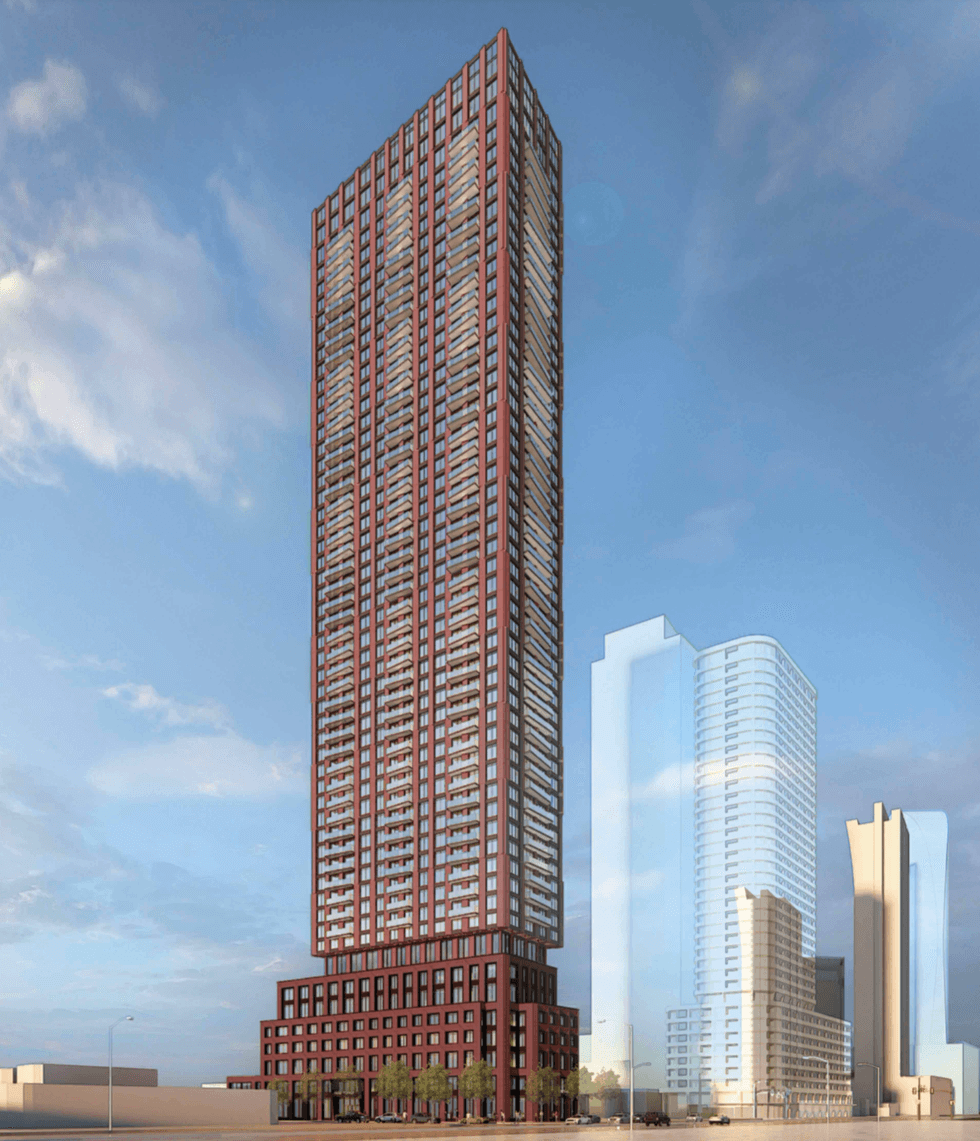 Rendering of 4632-4648 Yonge St and 16-18 Cameron Ave/Arcadis
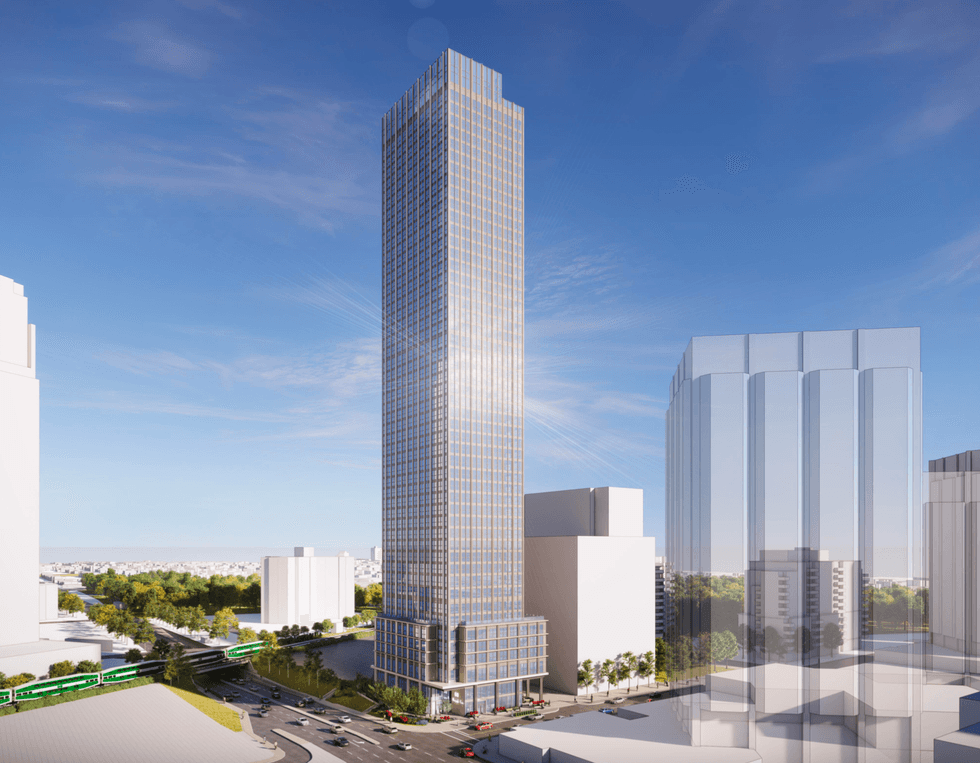 Rendering of 1234 Islington Ave/Sweeny&Co Architects
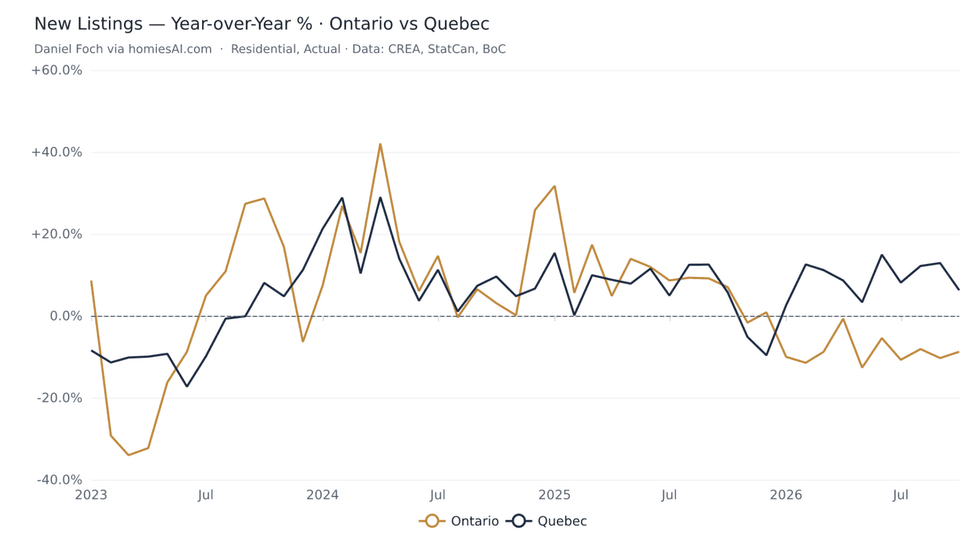 Chart: New listings, year-over-year %, Ontario vs Quebec. Daniel Foch via homiesai.com/stats. Data:
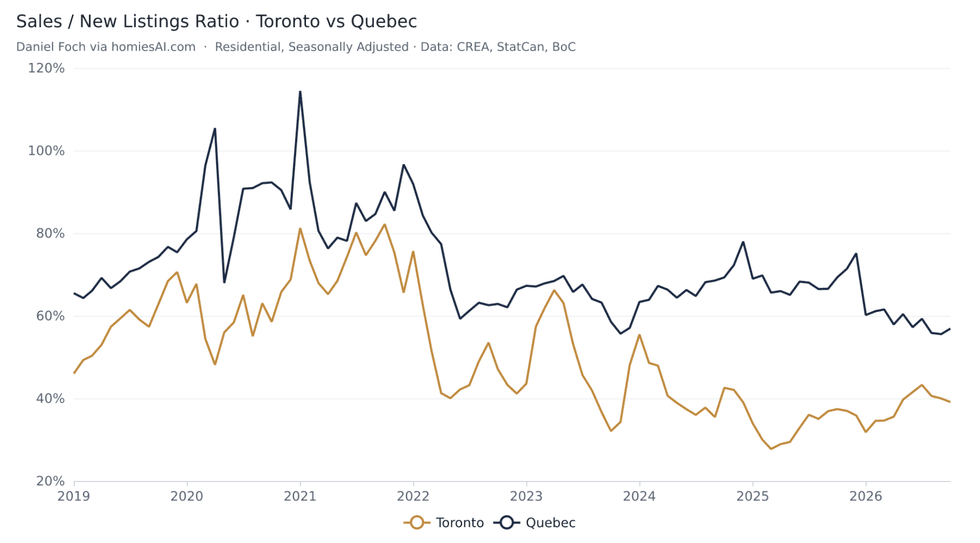 Chart: Sales-to-new-listings ratio, seasonally adjusted. Toronto vs Quebec. Daniel Foch via homiesai.com/stats. Data: CREA.
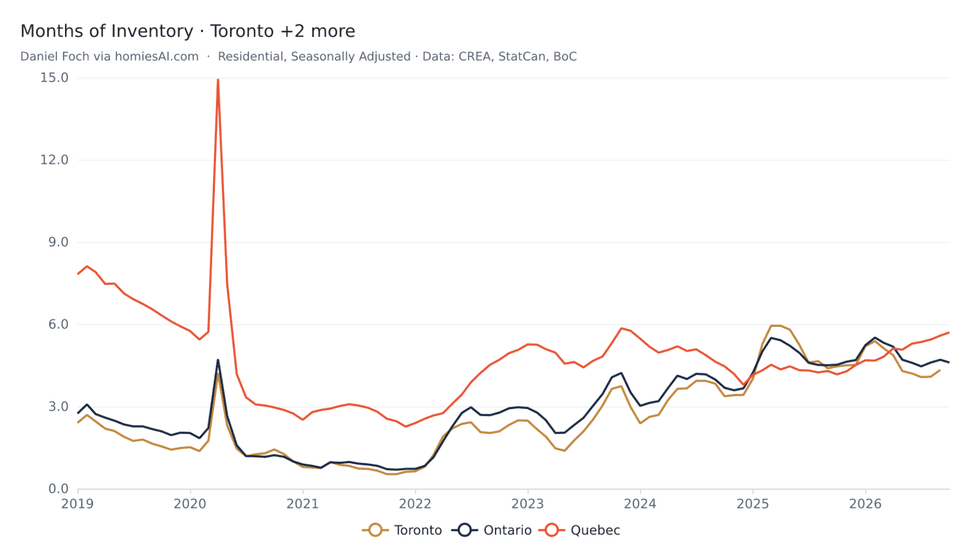 Chart: Months of inventory, seasonally adjusted. Daniel Foch via homiesai.com/stats. Data: CREA.
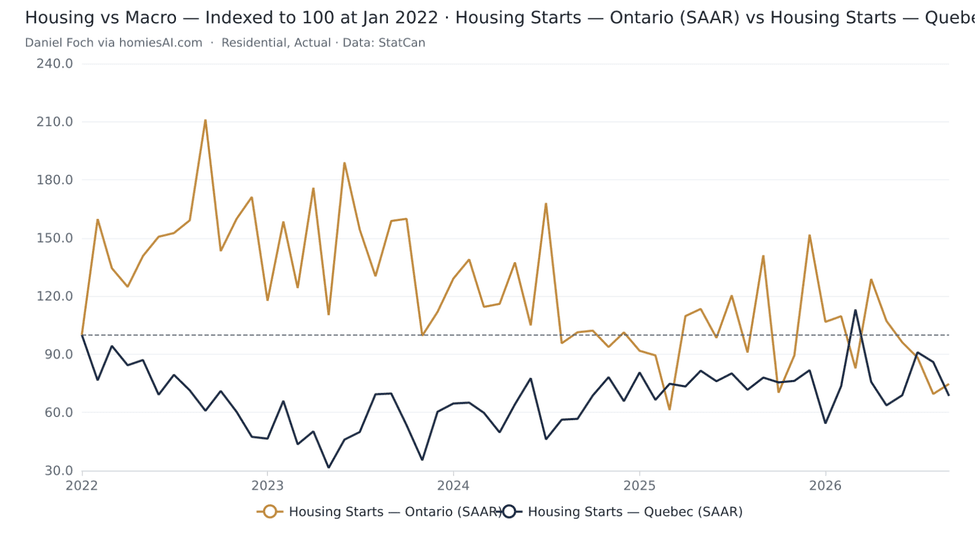 Chart: Housing starts, seasonally adjusted annual rate, Ontario vs Quebec, indexed to January 2022. Daniel Foch via homiesai.com/stats. Data: CMHC via Statistics Canada.
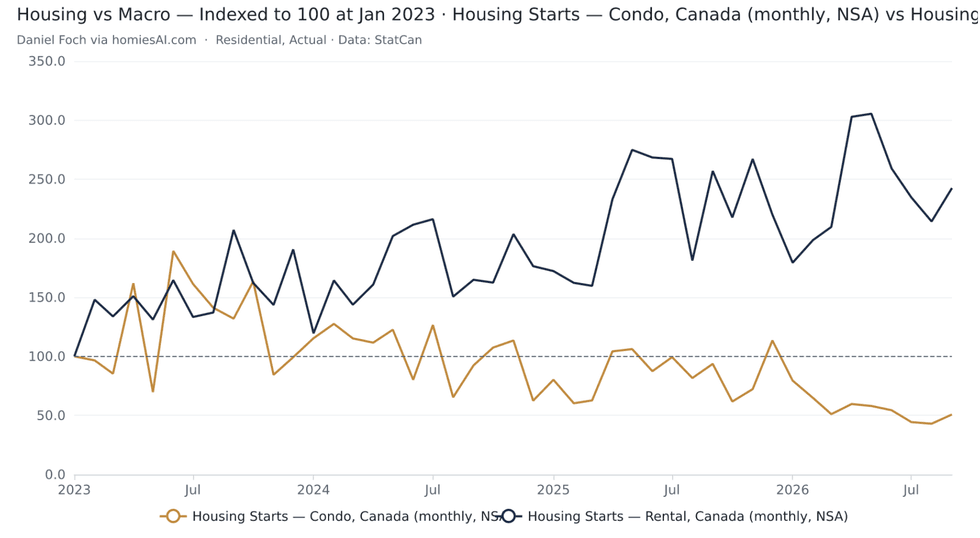 Chart: Condo vs rental housing starts, Canada, indexed to January 2023. Daniel Foch via homiesai.com/stats. Data: CMHC via Statistics Canada.
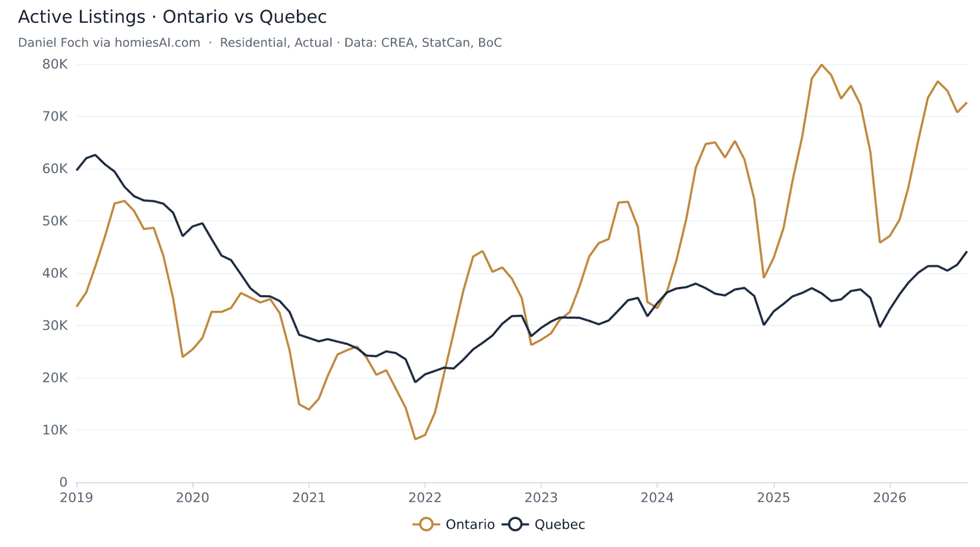 Chart: Active residential listings, Ontario vs Quebec. Daniel Foch via homiesai.com/stats. Data: CREA.
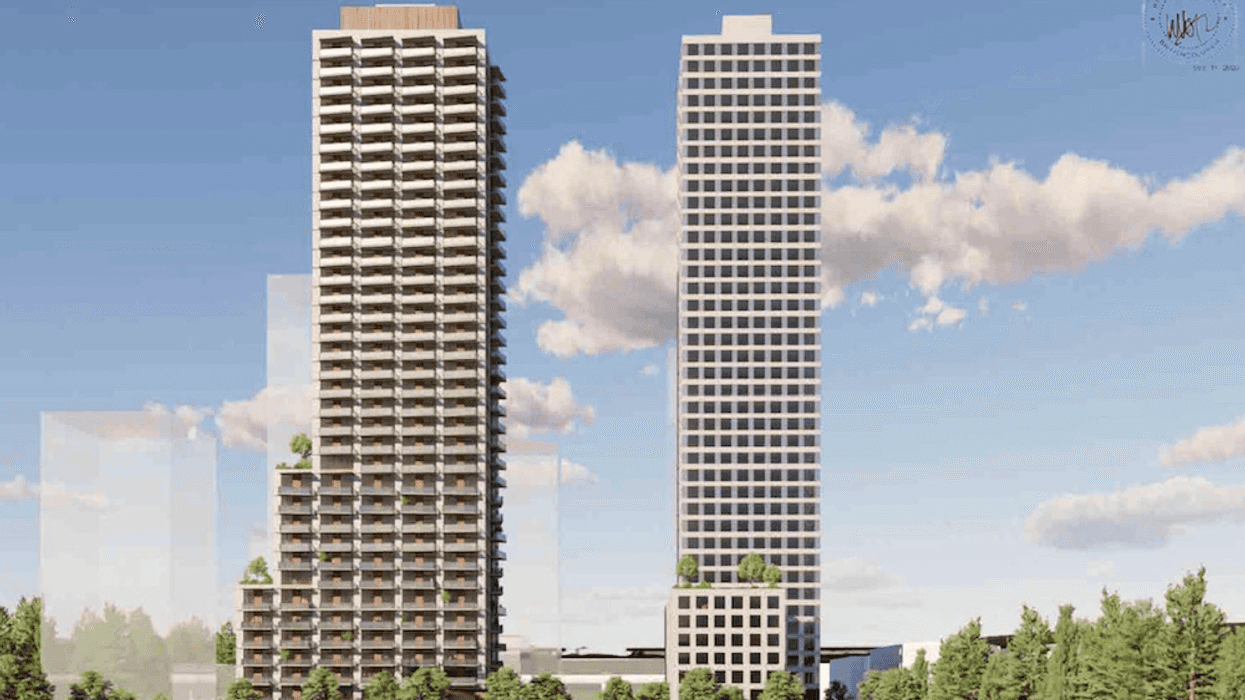
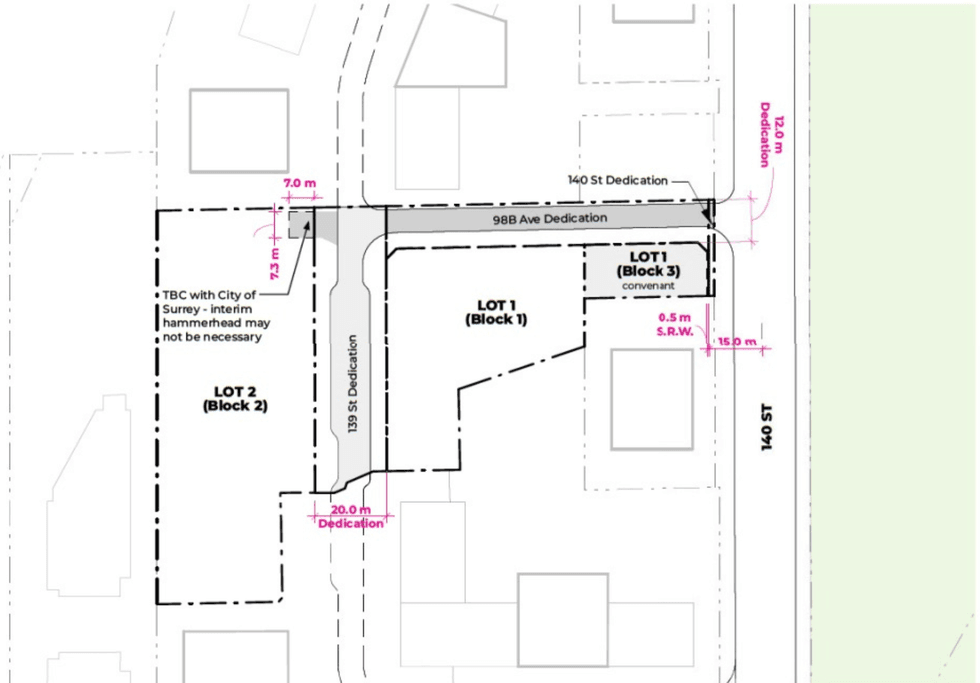 9883 140 Street and the proposed road dedications. (WW+P Architects, Entre Nous Femmes Housing Society)
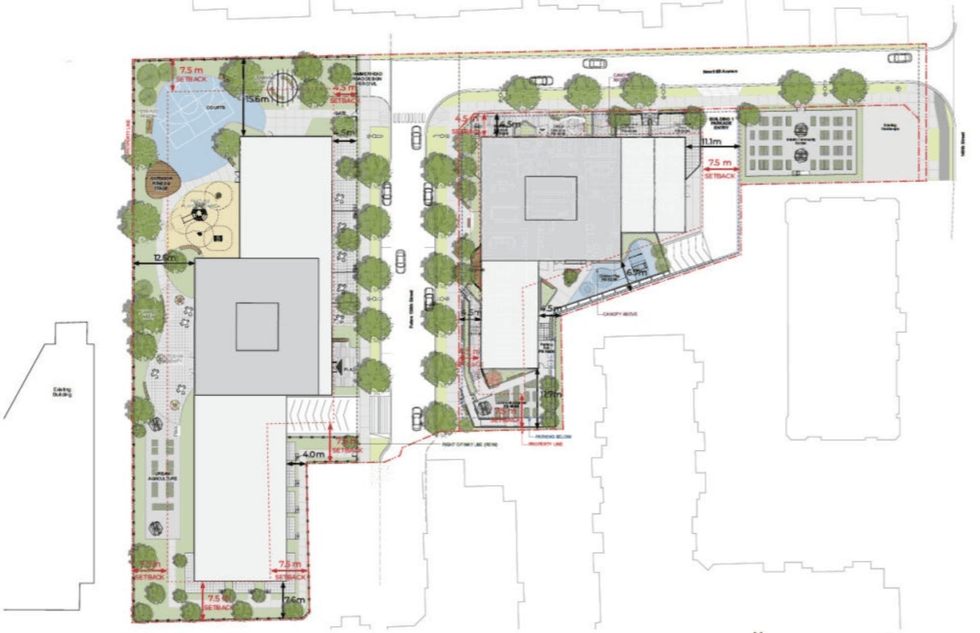 The
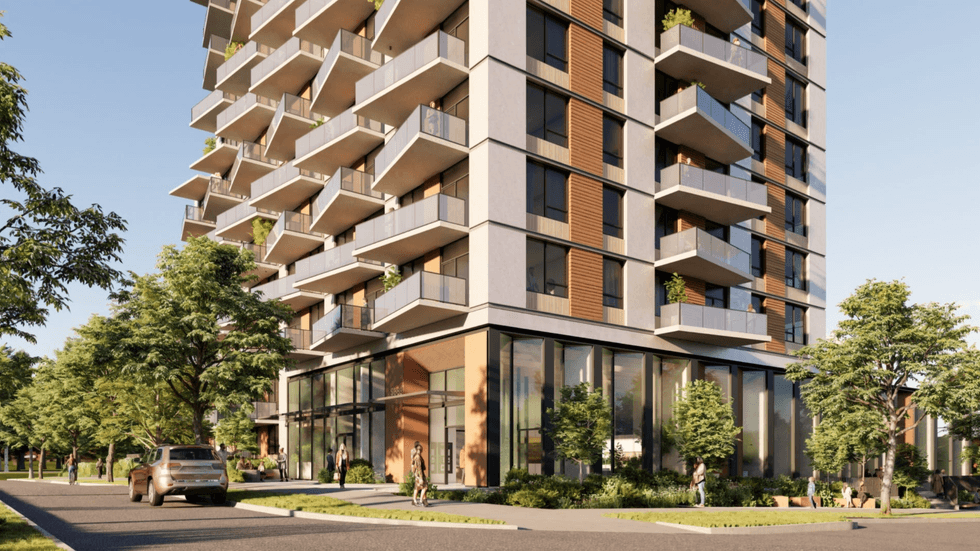 One of the towers proposed for 9883 140 Street. (Entres Nous Femmes Housing Society)

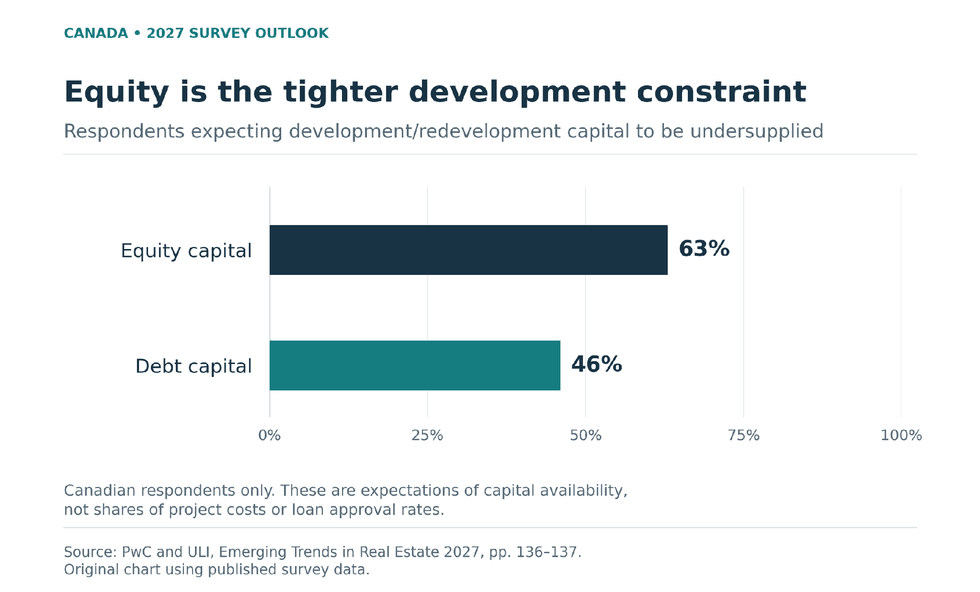 Canadian respondents were more likely to expect an undersupply of development/redevelopment equity capital (63%) than debt capital (46%) in 2027. These are survey expectations, not measured financing volumes. Source: PwC and ULI, Emerging Trends in Real Estate 2027, pp. 136–137. Original chart.
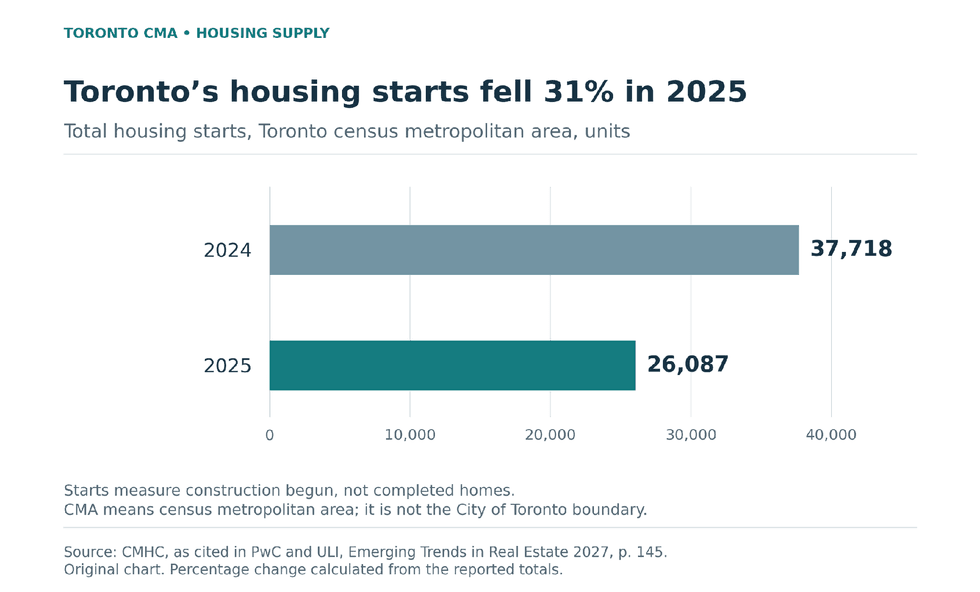 Toronto census metropolitan area housing starts fell from 37,718 units in 2024 to 26,087 in 2025, a 30.8% decline (rounded to 31%). Starts measure construction begun, not completed homes. Source: CMHC, as cited in PwC and ULI, Emerging Trends in Real Estate 2027, p. 145. Original chart.