Home Renovation Loan

Explore how home renovation loans work in Canada, the financing options available, and how to use them effectively to improve your property.

Home Renovation Loan


What is a Home Renovation Loan?

A home renovation loan is a type of financing that provides homeowners with funds to repair, upgrade, or improve their property.

Why Home Renovation Loans Matter in Real Estate

In Canada, home renovation loans allow property owners to increase their home’s value, functionality, or energy efficiency. These loans are especially useful for aging homes, investment properties, or pre-purchase improvements.

Common types include:
  • Personal loans or lines of credit
  • Home equity loans or HELOCs
  • CMHC-insured Purchase Plus Improvements mortgages
  • Construction or renovation-specific loans

Renovation financing can help cover costs such as roof replacement, basement finishing, kitchen remodels, or energy retrofits. Lenders may require project quotes, timelines, and proof of work completion.

Borrowers should consider:
  • Interest rates (fixed vs. variable)
  • Repayment terms and borrowing limits
  • Impact on property value and equity

Understanding home renovation loans empowers homeowners to make strategic investments while managing their financial obligations.

Example of a Home Renovation Loan?

A homeowner applies for a $40,000 renovation loan to upgrade their kitchen and bathrooms, spreading repayment over five years at a fixed rate.

Key Takeaways

  • Provides funding for property upgrades.
  • Includes various loan types.
  • May require quotes or approval.
  • Can increase home value and comfort.
  • Requires smart budgeting and planning.

Related Terms

  • HELOC
  • Home Equity Loan
  • Purchase Plus Improvements Mortgage
  • Refinance
  • Construction Loan

Additional Terms

Public Realm Improvements

Public realm improvements are enhancements to public spaces such as sidewalks, parks, plazas, and streetscapes, often funded or contributed by. more

Mortgagee in Possession

A mortgagee in possession is a lender who takes control of a property after borrower default, but before foreclosure or power of sale. The lender. more

Lease Surrender Agreement

A lease surrender agreement is a negotiated contract between a landlord and tenant that ends a lease before its scheduled expiration. Terms may. more

Green Infrastructure

Green infrastructure refers to natural or engineered systems that manage stormwater, reduce heat, and improve sustainability in developments.. more

Escrow Holdback

An escrow holdback is a portion of funds withheld at closing and held in escrow until specific conditions are met, such as completion of repairs,. more

Underused Housing Tax

The Underused Housing Tax (UHT) is a federal annual 1% tax on the value of vacant or underused residential property owned by non-resident,. more

More For You

Swansea Mews, Tridel-YMCA Collab Among Toronto City Council March Approvals

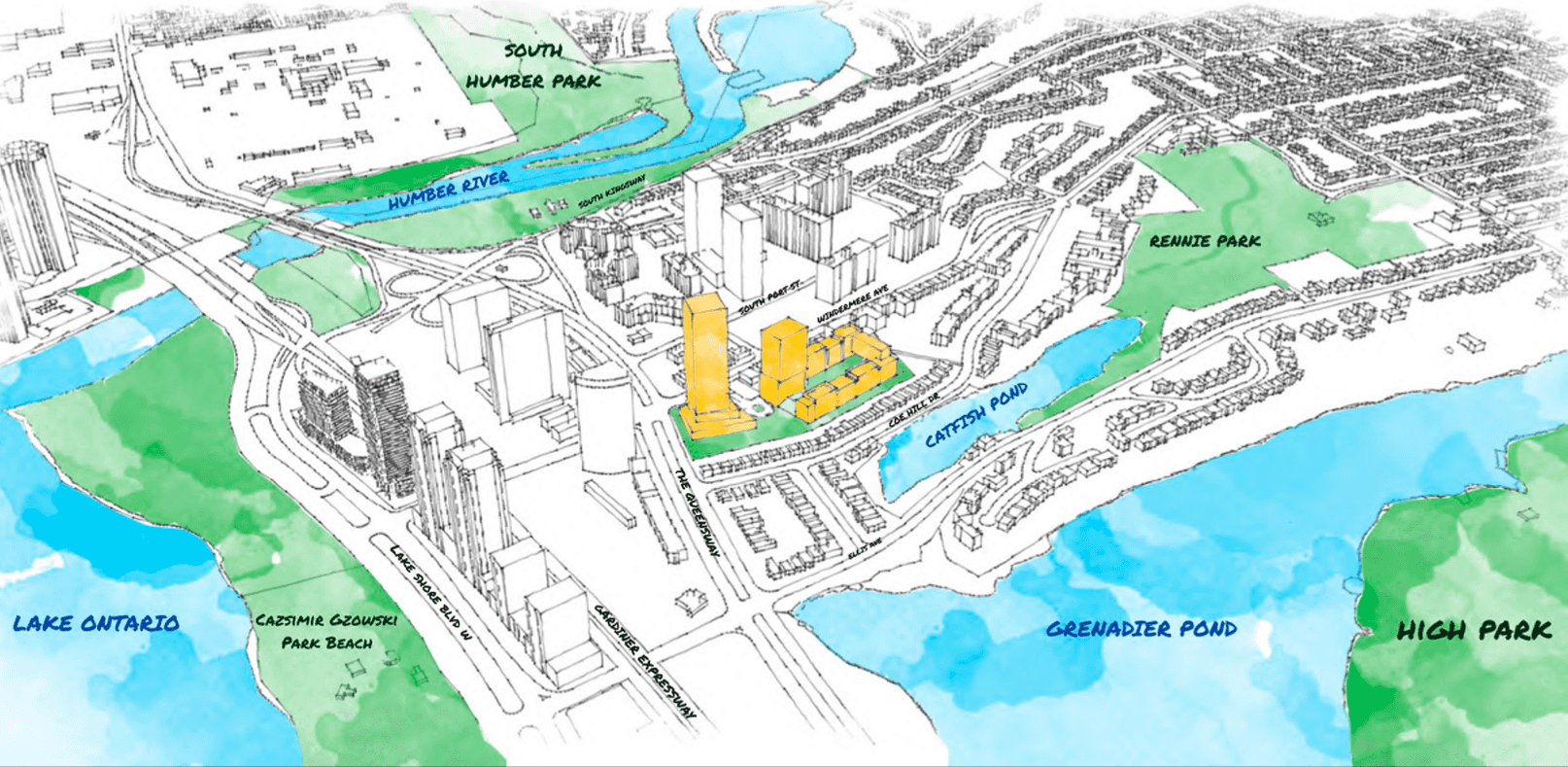
Rendering of 150 Queens Wharf Road/Karakusevic Carson Architects, Toronto Community Housing Corporation


Toronto City Council approved zoning for over a dozen housing developments at its March 2026 session (held last week), and the green-lit slate includes four projects that will be rolled out under the new Toronto Builds policy framework, like the highly anticipated revitalization of Swansea Mews.

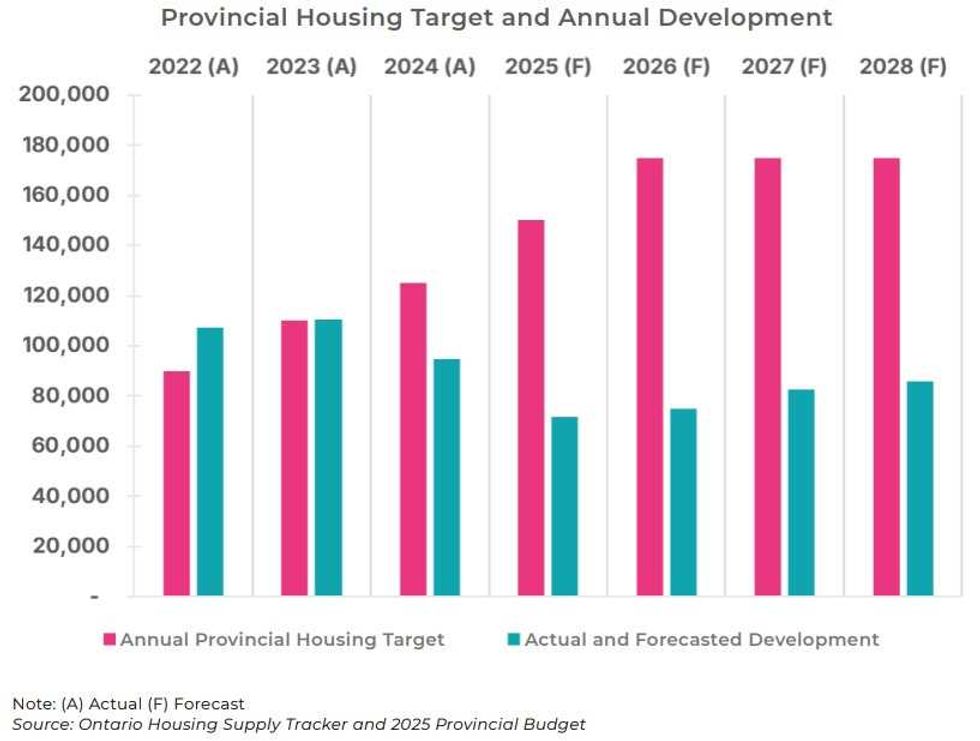
These projects couldn’t come soon enough. According to Toronto’s housing data hub, 87,551 new homes have been created between January 1, 2022, and January 31, 2026, representing just over 30% of the City’s provincial housing target of 285,000 new homes by 2030.

Keep ReadingShow less
In Real Estate, What Is 'Luxury'? (And Who Gets To Define It?)

Don Kaveen/Unsplash

“Luxury” is one of the most overused terms in real estate – a verbal coat of gold paint applied to anything with a high ceiling or large square footage (or not).

Naturally, its definition is often subjective and relative. It’s also changing.

Keep ReadingShow less
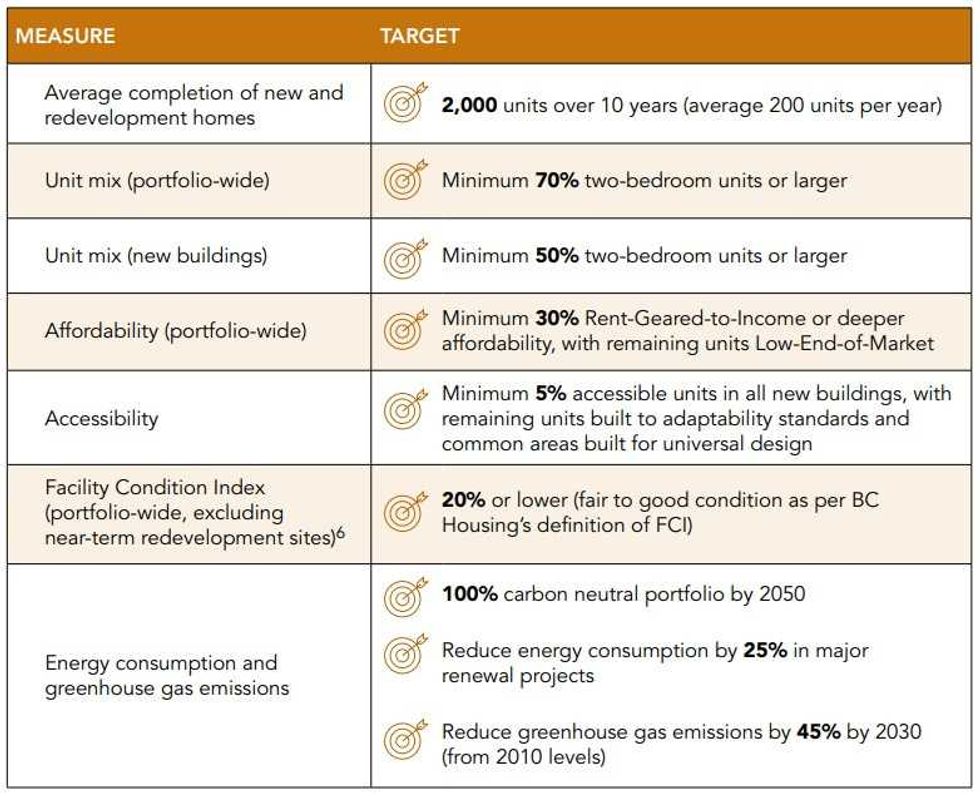
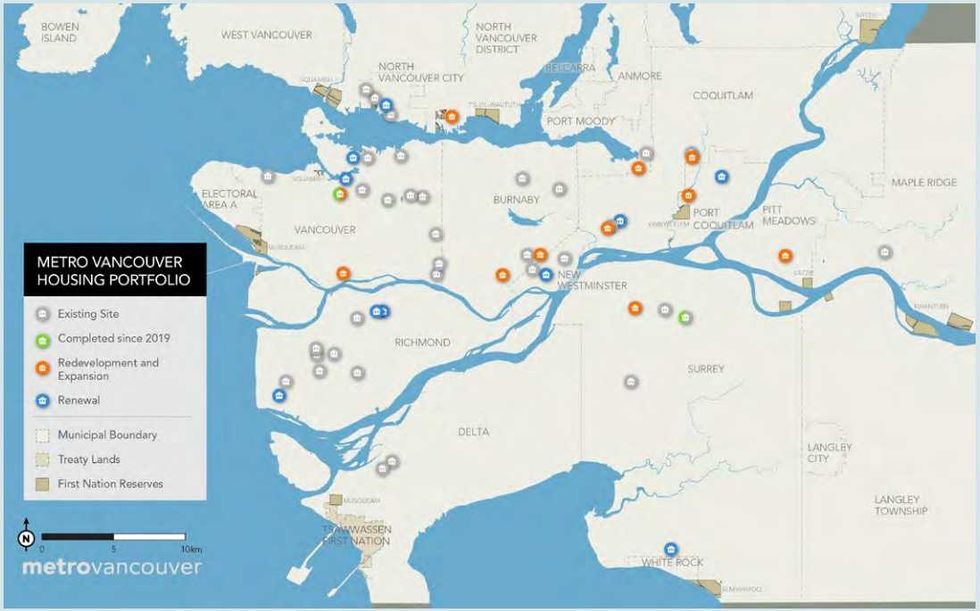
Metro Vancouver Regional District To Invest $150M Towards Expanding Housing Portfolio

While local governments in British Columbia are getting into the business of housing, the Metro Vancouver Regional District (MVRD) has been in the business of building and operating housing for over 50 years already.

The Metro Vancouver Housing Corporation (MVHC) currently has a portfolio of over 3,400 non-market rental units across 53 properties (existing and under development), with a total portfolio value of $923 million.

Keep ReadingShow less
GTA New Home Sales Tick Higher As HST Cut Sets Stage For Recovery: BILD

New home sales in the Greater Toronto Area showed marginal improvement in February 2026, though activity continued to track well below historical norms, according to the newest from the Building Industry and Land Development Association (BILD).

There were 531 new homes sold across the GTA last month, up 16% from February 2025 but still 76% below the 10-year average of 2,251 units for the month, based on data from Altus Group, BILD's official source for new home market intelligence.

Keep ReadingShow less
OREA Pushes For Development Charge Reform, Makes Several Recommendations

(OREA)

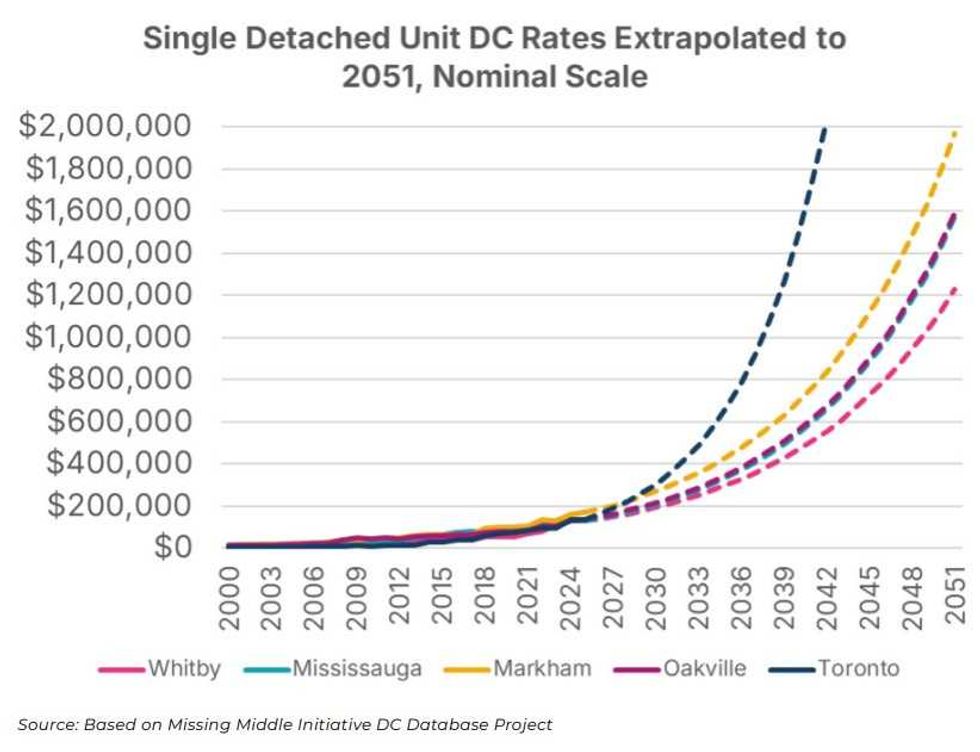
There is no easy way to control consumer sentiment, macroeconomic conditions, or the cost of construction materials (let alone tariff threats from our neighbour), which is a big reason why the real estate industry has been so focused on development charges (DCs) in recent years.

Development charges are levied by governments on new construction, and are used to fund new infrastructure, under the premise that “growth pays for growth.” When the real estate market was strong, development charges were tolerable because homes could be sold for a high enough price to cover them.

Keep ReadingShow less
Meet The Agent: Daniel Kim, Sotheby's International Realty Canada

Welcome to Meet the Agent, an ongoing series profiling real estate agents from across Canada. With more than 150,000 agents, brokers, and salespeople working in 75 different boards and associations across the country, we thought it was about time they had a place to properly introduce themselves.

If you or someone you know deserves the same chance, email agents@storeys.com to apply.

Keep ReadingShow less
The Great Canadian Dream Of Homeownership Isn’t Dead, But It Is Evolving
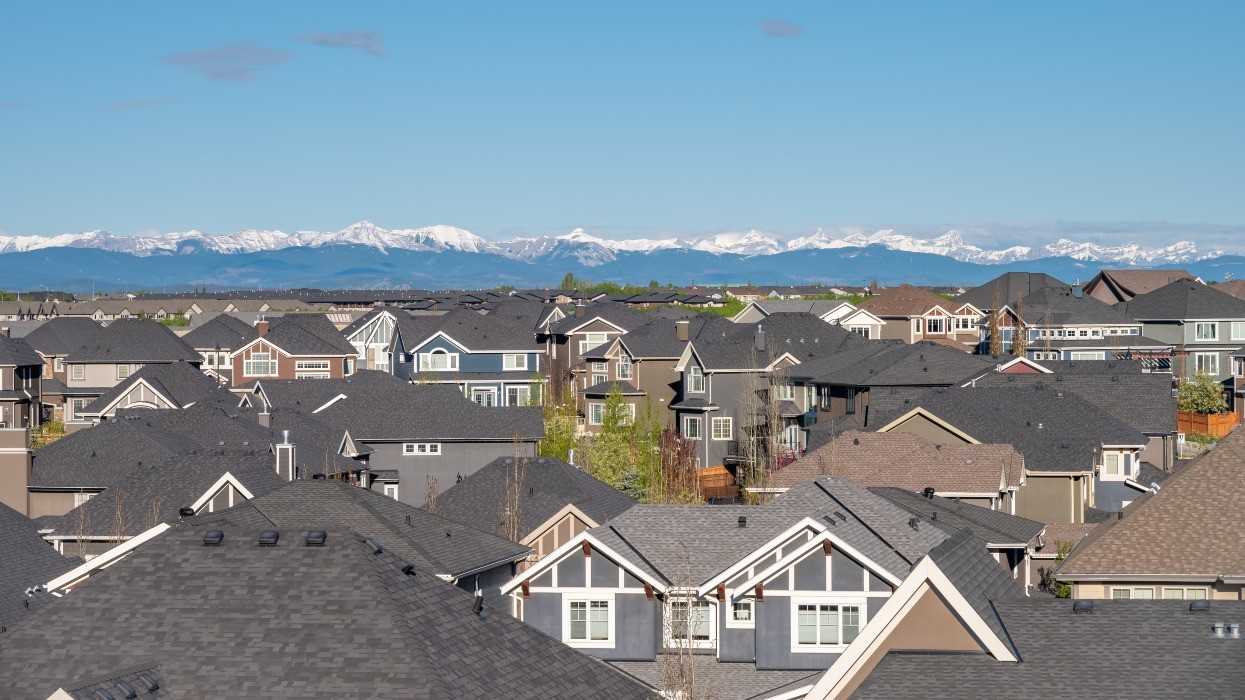
A residential neighbourhood in Calgary / Jeff Whyte, Shutterstock

For years, the obituary for the “Great Canadian Dream” of homeownership has been written in steep market prices and interest rate hikes. But according to RBC’s Spring 2026 Home Ownership Poll, the dream hasn’t actually died – it’s adapted.

The online survey polled 1,719 Canadians between January 7 and January 25, 2026 using Leger’s online panel.

Keep ReadingShow less
TRENDING: The Great Canadian Dream Of Homeownership Isn’t Dead, But It Is Evolving
How Lenders See Canada's 2026 Commercial Real Estate Market

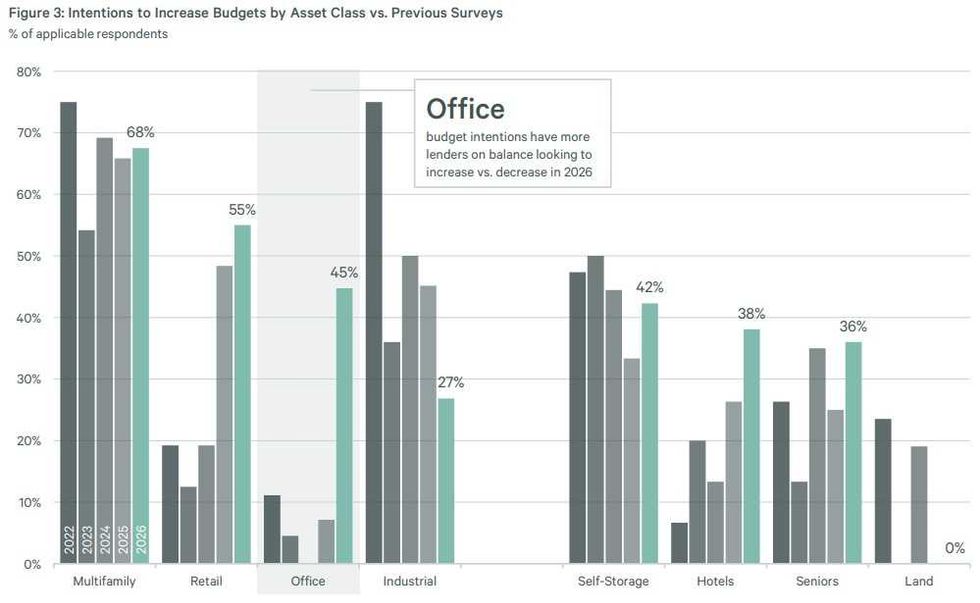
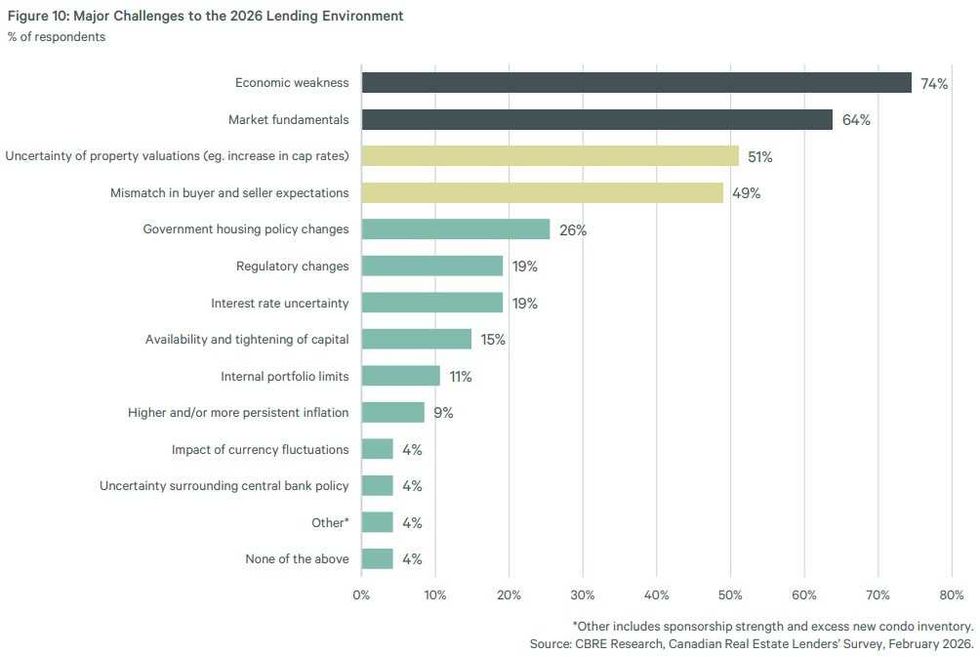
You can have a development proposal for a beautiful building, or a financially-viable affordable rental project, or a sprawling transit-oriented mixed-use community, but you can’t do anything without support from lenders. So, knowing what lenders are thinking can go a long way.

Every year, CBRE Canada publishes an annual real estate lenders report, with this year’s survey — conducted between December 10 and January 16 — including 47 companies with an aggregate total of over $200 billion in loans under management. Lenders include domestic banks, private capital, foreign banks, pension funds, insurance companies, and credit unions.

Keep ReadingShow less