Guaranty of Lease
A guaranty of lease is a promise by a third party to cover tenant obligations if the tenant defaults, reducing risk for landlords and lenders.

September 30, 2025
What is Guaranty of Lease?
A guaranty of lease is a contractual commitment made by a third party, often a parent company or individual, to fulfill a tenant’s lease obligations if the tenant defaults. The guarantor may be responsible for rent, maintenance, or other lease covenants. Guaranties may be limited by amount, duration, or specific conditions.
Why Guaranty of Lease Matters in Real Estate
Guaranties of lease matter in real estate because they reduce landlord risk and enhance the creditworthiness of lease agreements. They can help tenants secure desirable spaces and reassure lenders reviewing lease income streams. Negotiating the scope and release conditions of guaranties is critical to balancing protections and obligations.
Example of Guaranty of Lease in Action
A start-up retailer secures a lease in a prime shopping district by providing a parent company guaranty. The guaranty covers rent payments for the first three years, giving the landlord confidence to proceed.
Key Takeaways
- Guaranties of lease reduce landlord risk.
- They enhance tenant credibility in lease negotiations.
- Terms can limit guarantor liability.
- Often required for start-ups or small businesses.
- Important to lenders reviewing property cash flows.
Related Terms
- Guarantee Limit
- Security Deposit
- Credit Enhancement
- Assignment and Release
- Remedies

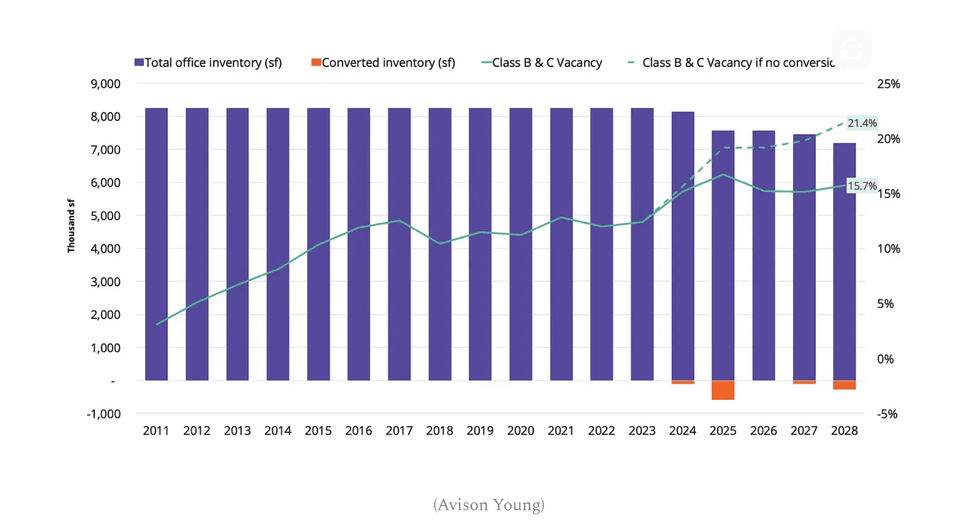 (Avison Young)

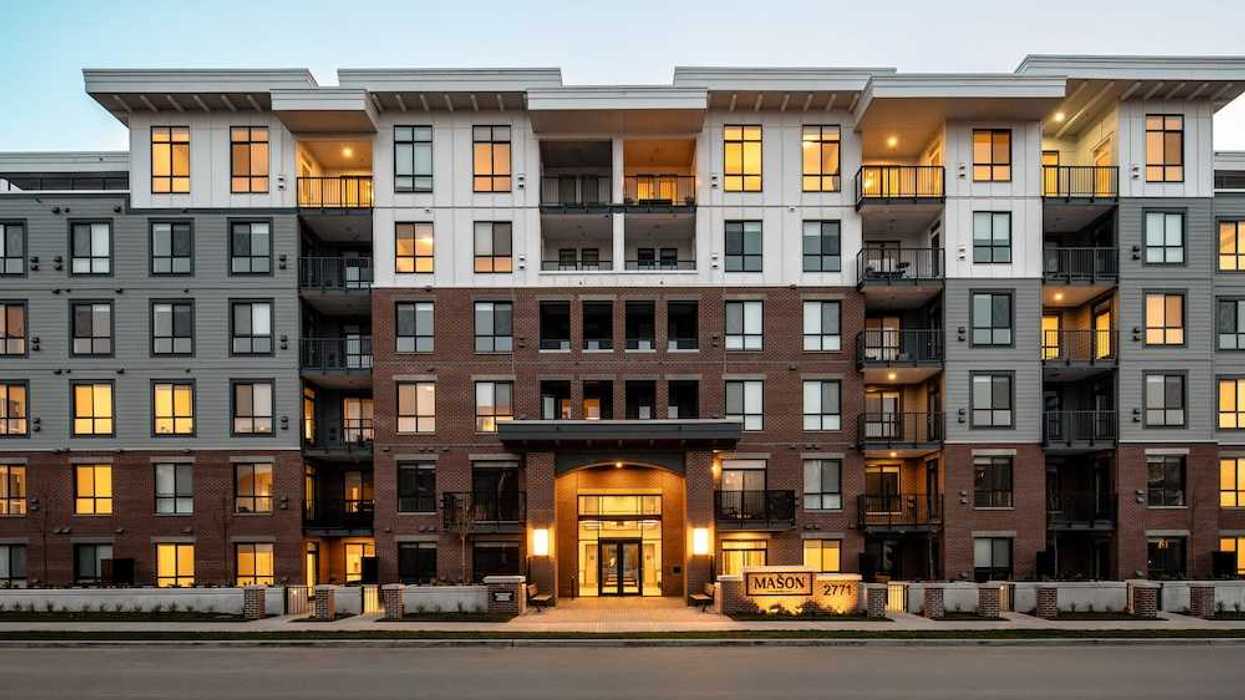
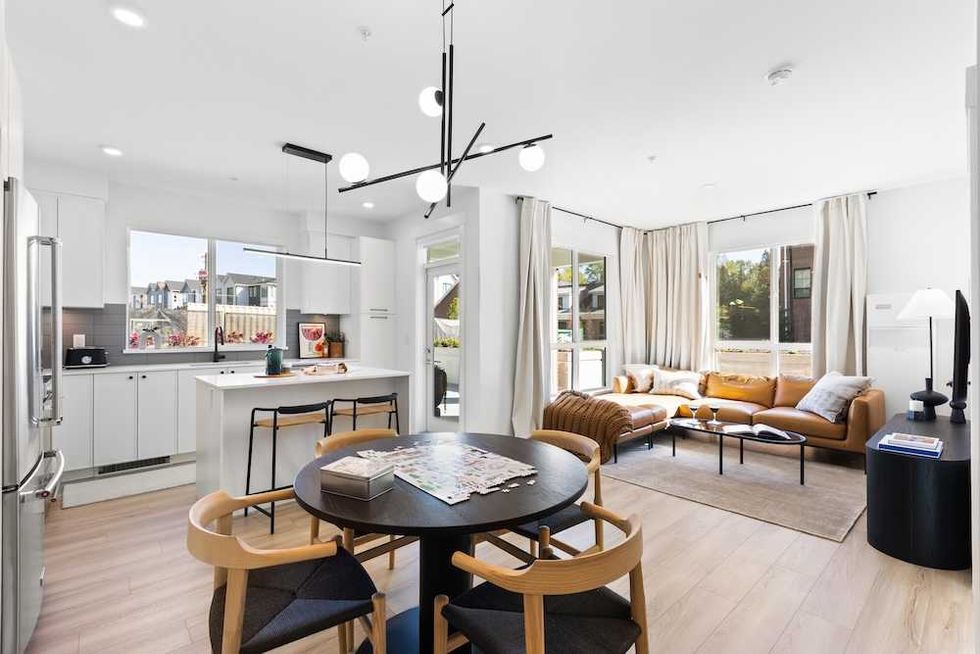 The Mason Suite Interior (Infinity Properties)
 The Mason Suite Interior (Infinity Properties)
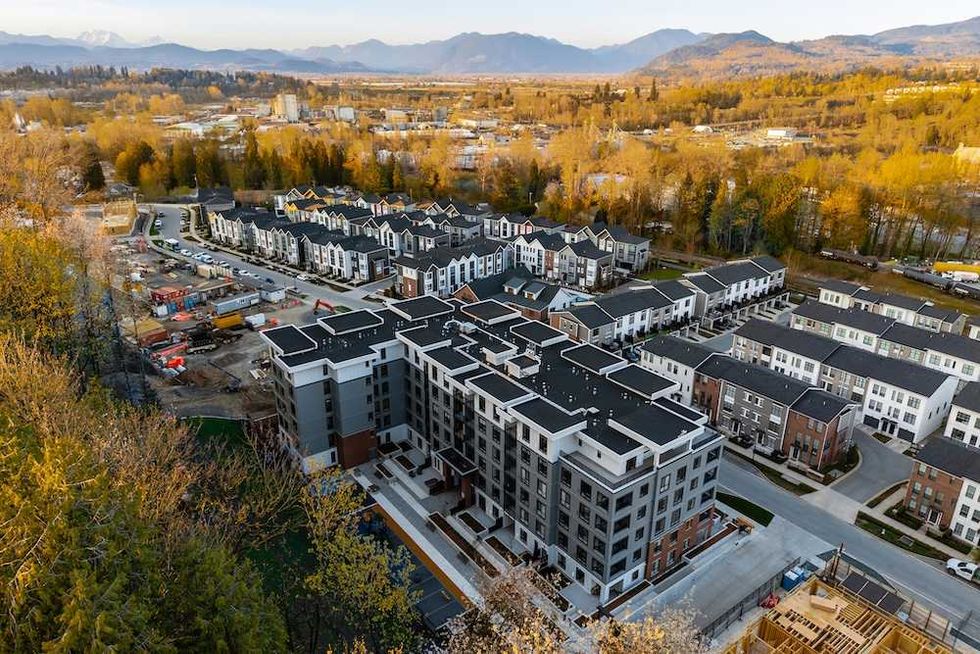 Rail District aerial (Infinity Properties)
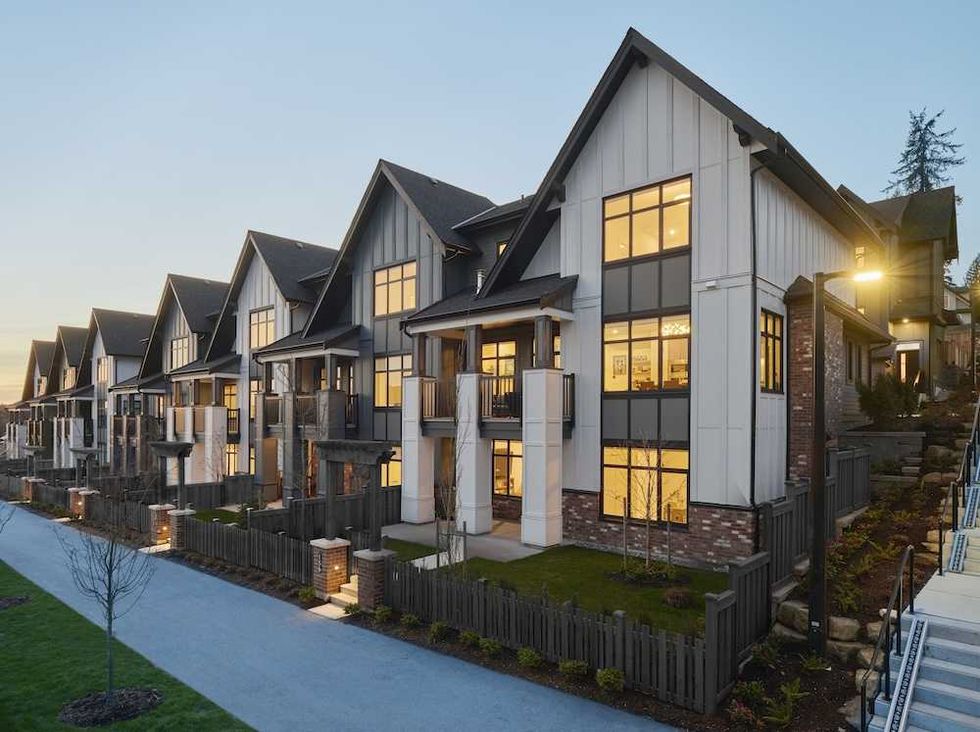 Versant (Infinity Properties)

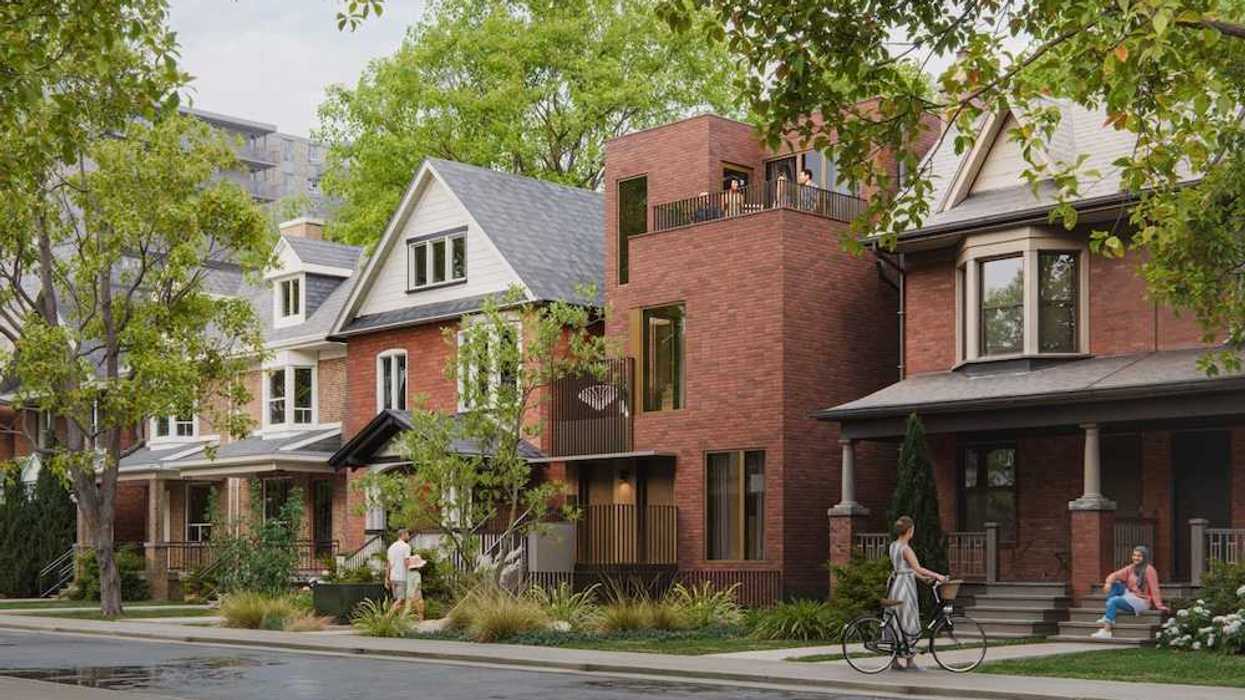
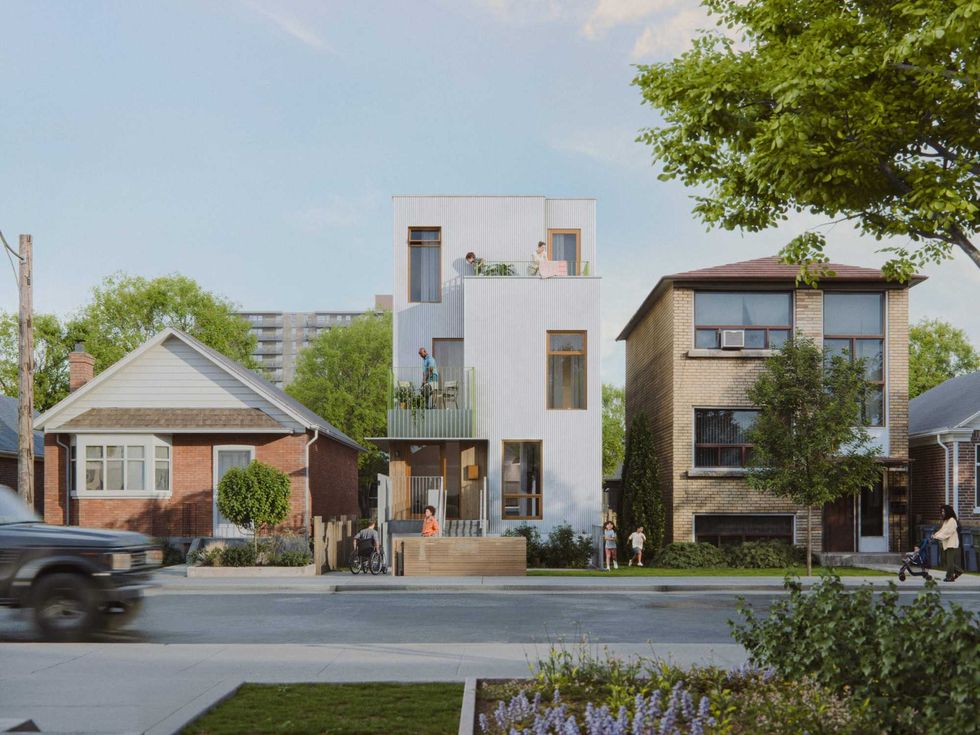 Narrow Fourplex (City of Toronto)
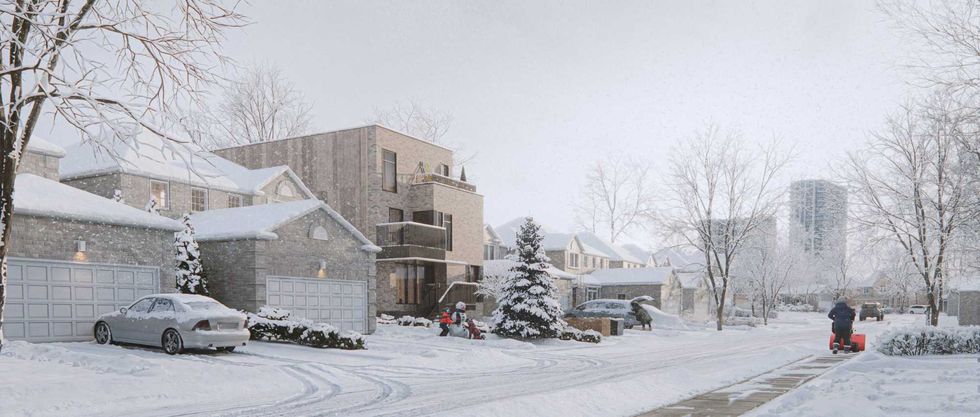 Wide Sixplex - Side View (City of Toronto)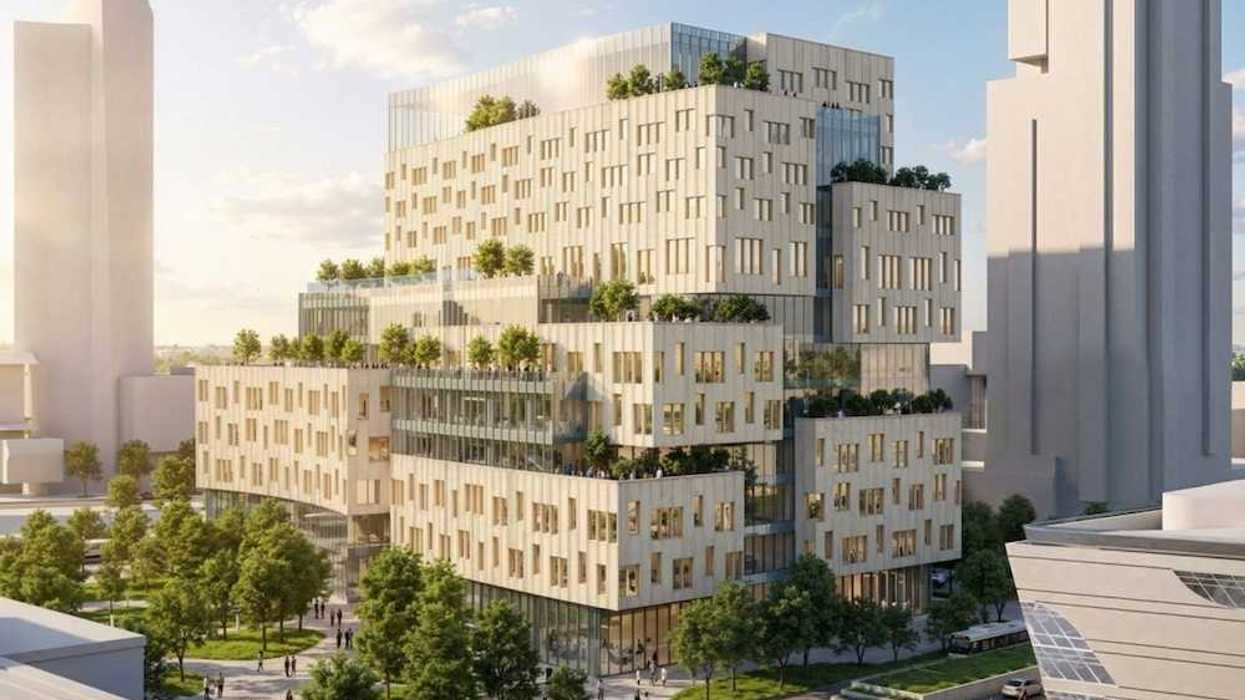
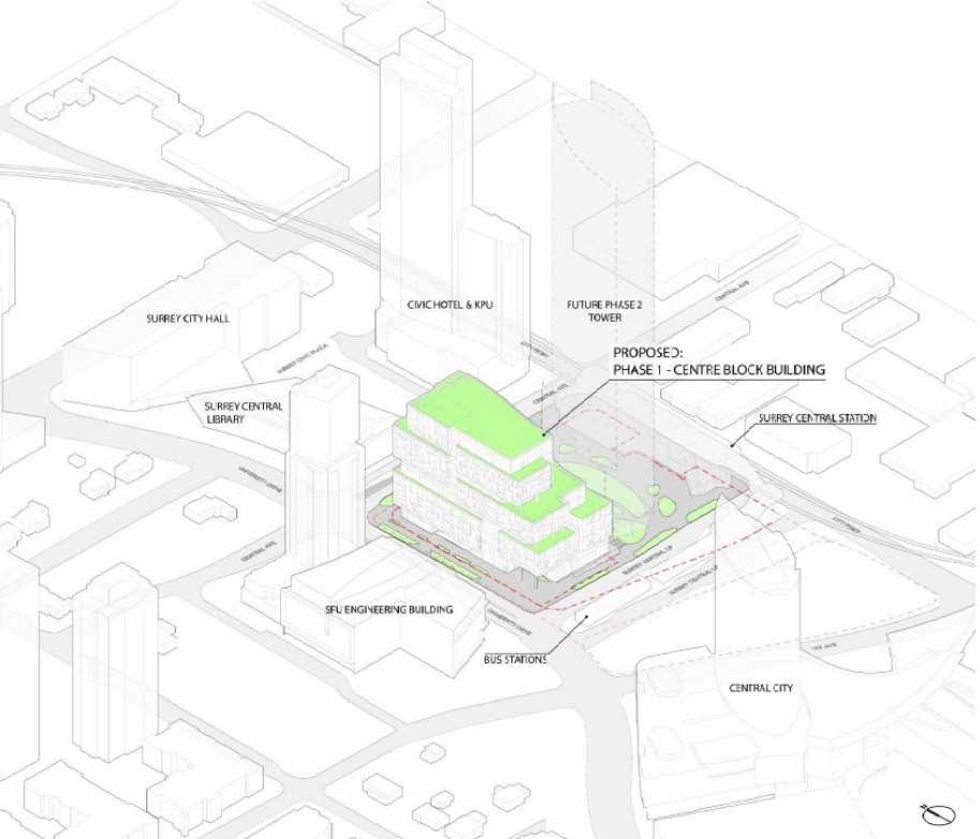 Centre Block and its surrounding context. (Stantec-Revery, SCDC)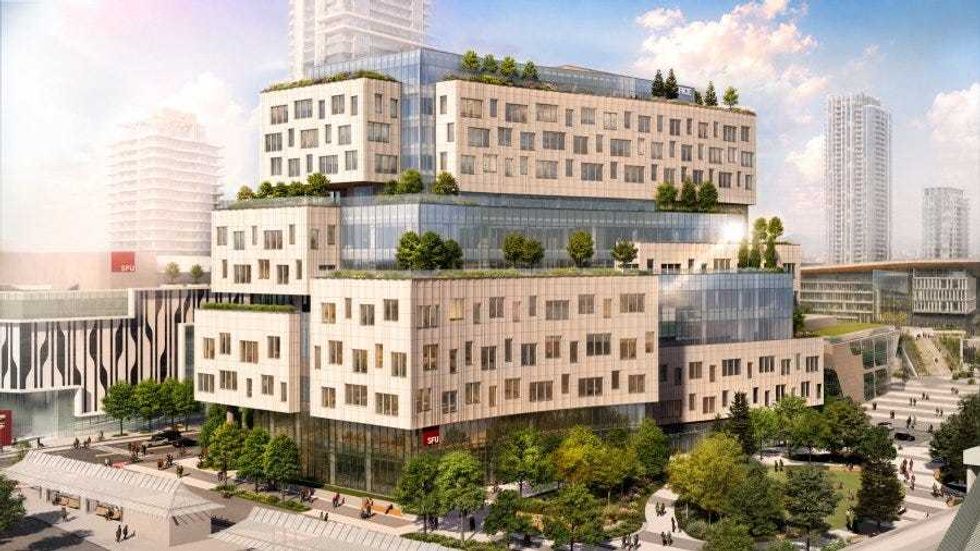
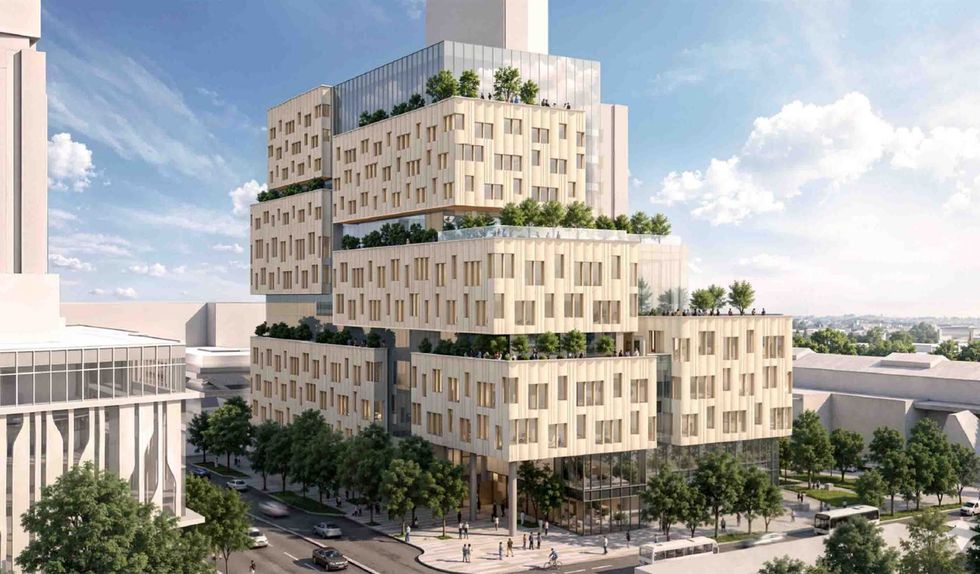 The 12-storey Phase One of Centre Block. (Stantec-Revery, SCDC)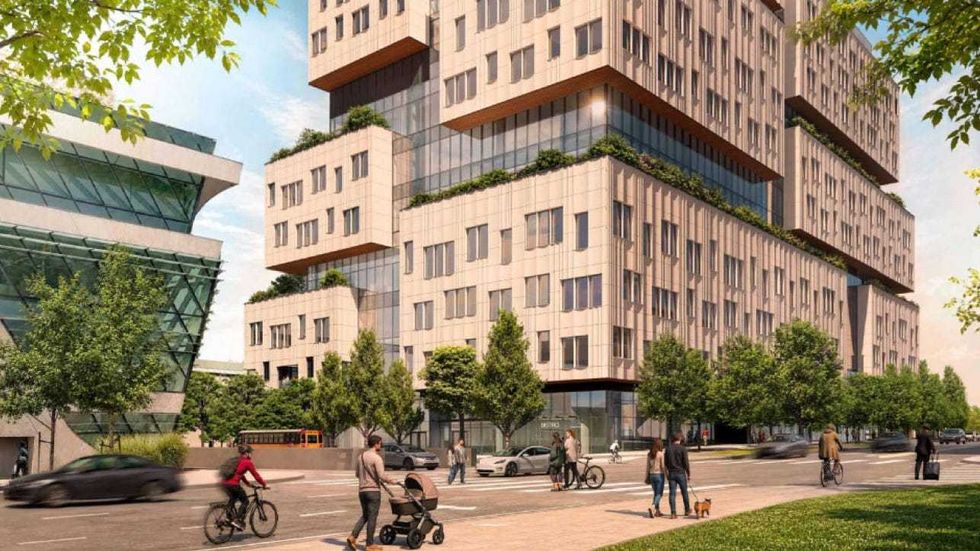
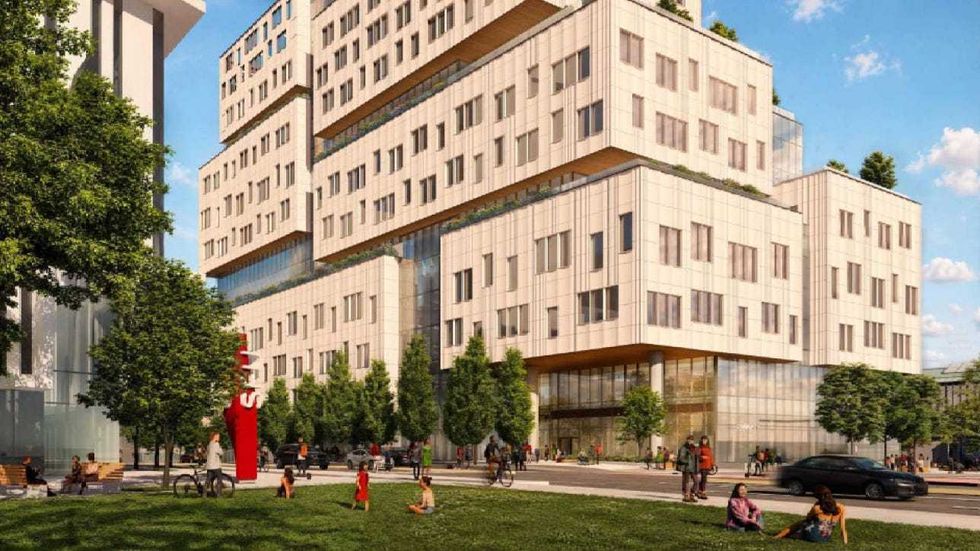 The 12-storey Phase One of Centre Block. (Stantec-Revery, SCDC)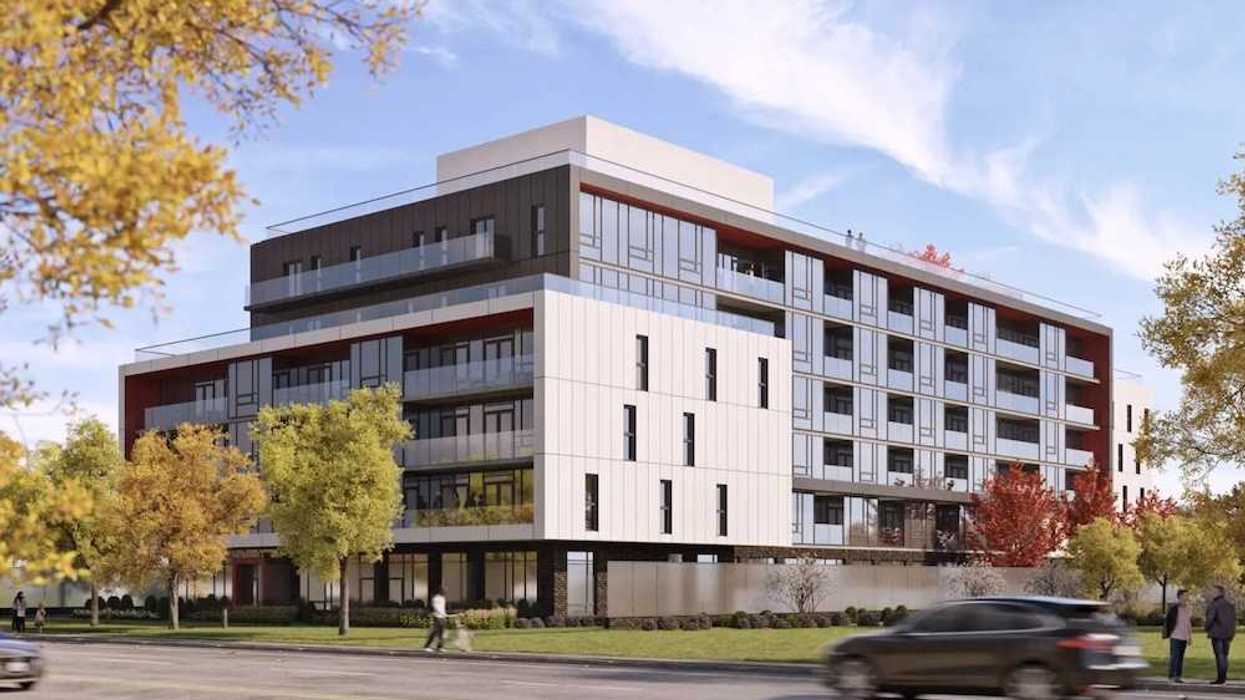
 Mondria One, set for 1607 King Street East in Clarington, Ontario. (ICON Architects Inc., Monde Development Group)