Deficiency List
Learn how a deficiency list works in Canadian real estate, when it's used, and how it helps protect buyers during new home purchases or inspections.

May 22, 2025
What is a Deficiency List?
A deficiency list is a documented record of unfinished, incomplete, or substandard items identified during the inspection of a newly constructed or renovated property.
Why a Deficiency List Matters in Real Estate
In Canadian real estate, especially with new home builds or condo purchases, a deficiency list is typically created during the Pre-Delivery Inspection (PDI) or final walkthrough. It helps buyers and builders track outstanding issues that need to be resolved before or shortly after possession.
Common deficiencies include:
- Scratched flooring or countertops
- Incomplete caulking or paintwork
- Improperly installed fixtures or appliances
- Missing hardware, cracked tiles, or non-functional outlets
The builder is usually responsible for correcting listed deficiencies within a specified timeframe, often under the terms of a home warranty program like Tarion in Ontario. Buyers should document issues thoroughly with written notes and photos and follow up to ensure completion.
A complete deficiency list protects buyers from overlooking defects and supports warranty claims or legal recourse if problems are not addressed.
Example of a Deficiency List in Action
During the PDI of a new condo, the buyer notes five deficiencies including a broken cabinet hinge and scuffed walls. The list is submitted to the builder for correction before move-in.
Key Takeaways
- Documents unfinished or flawed construction items.
- Used during new builds and PDIs.
- Guides builder repairs under warranty.
- Helps ensure buyer satisfaction and protection.
- Should be detailed and photo-supported.
Related Terms
- Pre-Delivery Inspection (PDI)
- Tarion Warranty
- New Construction
- Builder Compliance
- Home Inspection

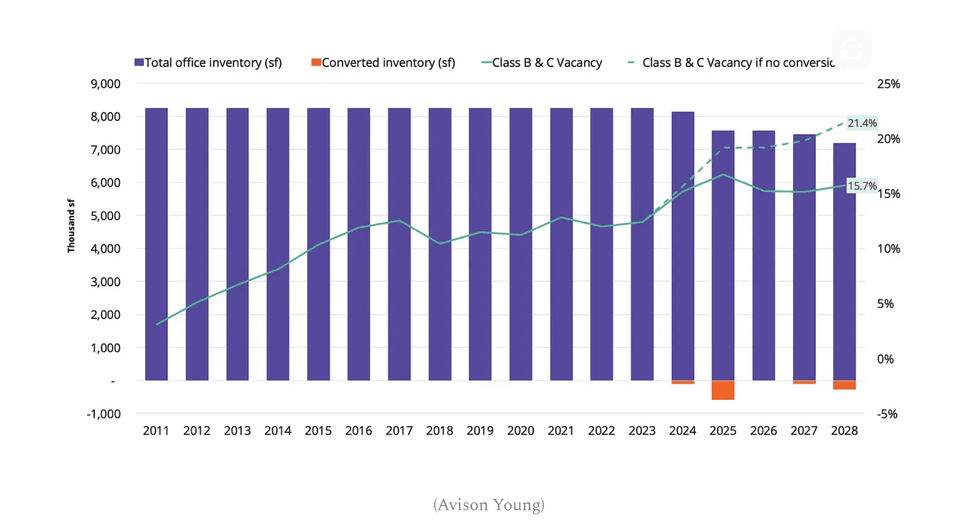 (Avison Young)






 The Mason Suite Interior (Infinity Properties)
 The Mason Suite Interior (Infinity Properties)
 Rail District aerial (Infinity Properties)
 Versant (Infinity Properties)


 Narrow Fourplex (City of Toronto)
 Wide Sixplex - Side View (City of Toronto)
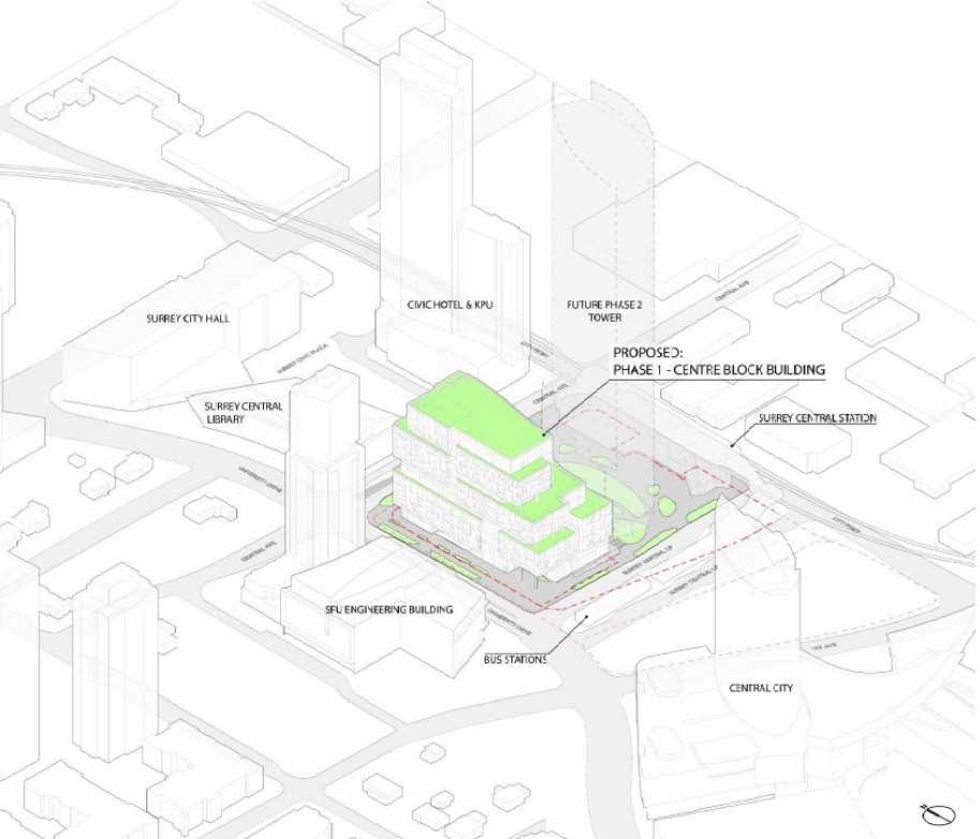 Centre Block and its surrounding context. (Stantec-Revery, SCDC)
 The 12-storey Phase One of Centre Block. (Stantec-Revery, SCDC)
 The 12-storey Phase One of Centre Block. (Stantec-Revery, SCDC)
 Mondria One, set for 1607 King Street East in Clarington, Ontario. (ICON Architects Inc., Monde Development Group)