Conditional Sale
Learn what a conditional sale is in Canadian real estate, how it protects both parties, and what happens if conditions aren't met by the deadline.

May 22, 2025
What is a Conditional Sale?
A conditional sale is a real estate transaction that becomes legally binding only when specific conditions outlined in the offer are fulfilled within a set timeframe.
Why Conditional Sales Matter in Real Estate
In Canadian real estate, conditional sales provide both buyers and sellers with protection during a transaction. Common conditions include:
- Financing approval
- Home inspection
- Sale of the buyer’s existing home
These conditions must be satisfied by a deadline specified in the agreement. If a condition isn’t met (e.g., the buyer can't secure financing), the buyer can typically walk away without penalty.
Conditional sales are especially important in markets where buyers need flexibility or additional assurances. Sellers may accept such offers depending on market conditions or the buyer's financial strength.
Once all conditions are met, the sale becomes ‘firm,’ and both parties are fully committed. Failing to meet or waive the conditions by the deadline can terminate the deal, so clear communication and prompt action are essential.
Understanding conditional sales helps buyers protect themselves while ensuring sellers understand the implications of accepting conditional offers.
Example of a Conditional Sale in Action
A buyer purchases a home in Edmonton with a condition that their current house sells within two weeks. Once it sells, the conditional sale becomes firm.
Key Takeaways
- Sale depends on meeting agreed-upon conditions.
- Common in buyer-friendly or balanced markets.
- Typical conditions include financing or inspection.
- Protects both buyer and seller from unforeseen issues.
- Sale becomes firm once all conditions are fulfilled.
Related Terms
- Conditional Offer
- Firm Sale
- Financing Condition
- Home Inspection Contingency
- Real Estate Contract

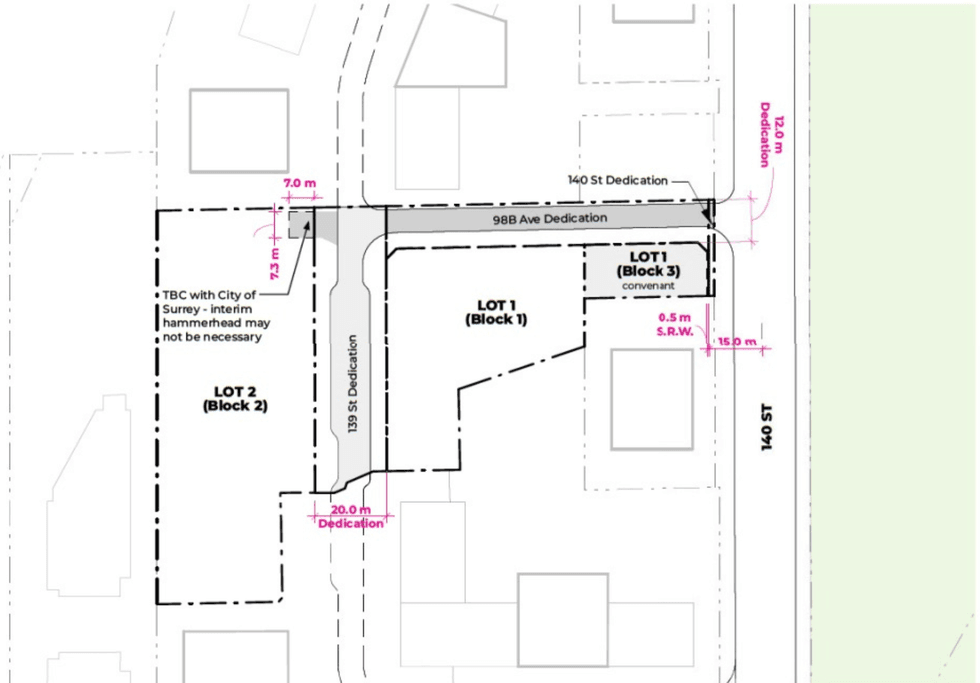 9883 140 Street and the proposed road dedications. (WW+P Architects, Entre Nous Femmes Housing Society)
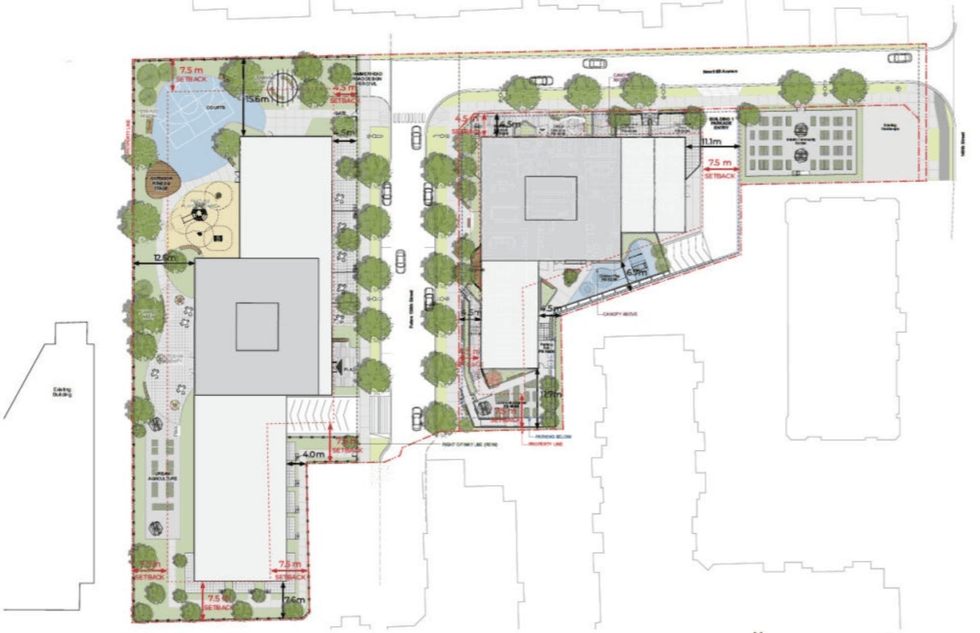 The
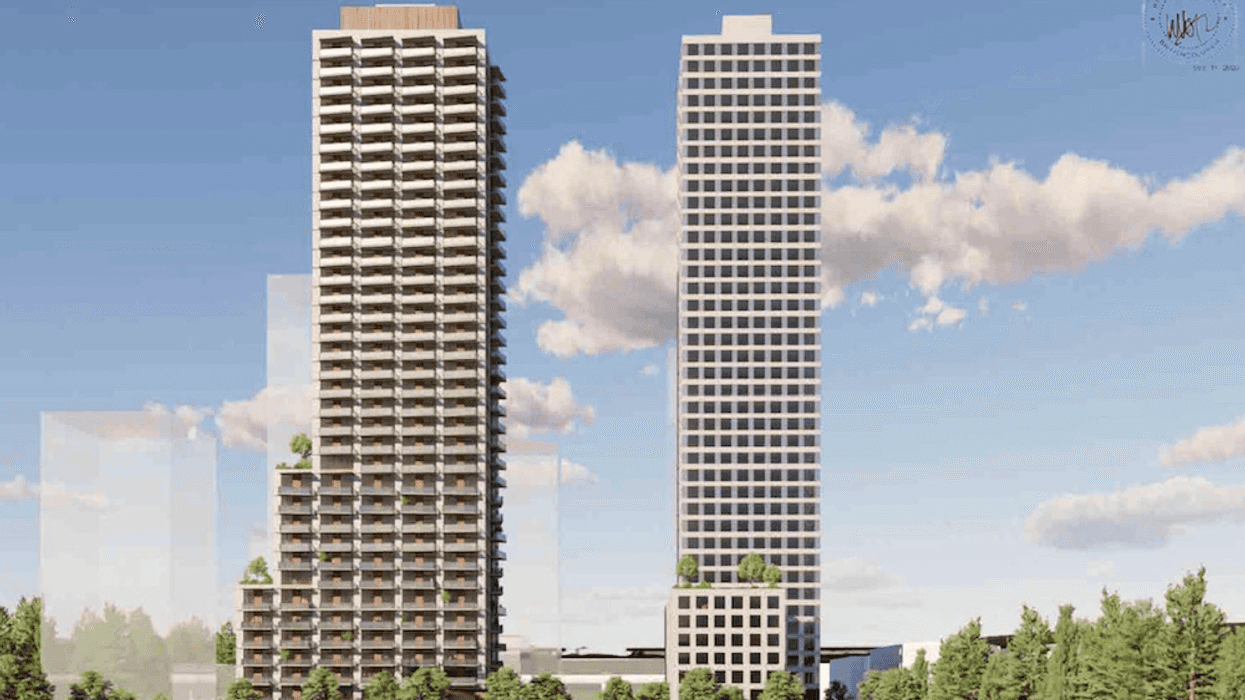
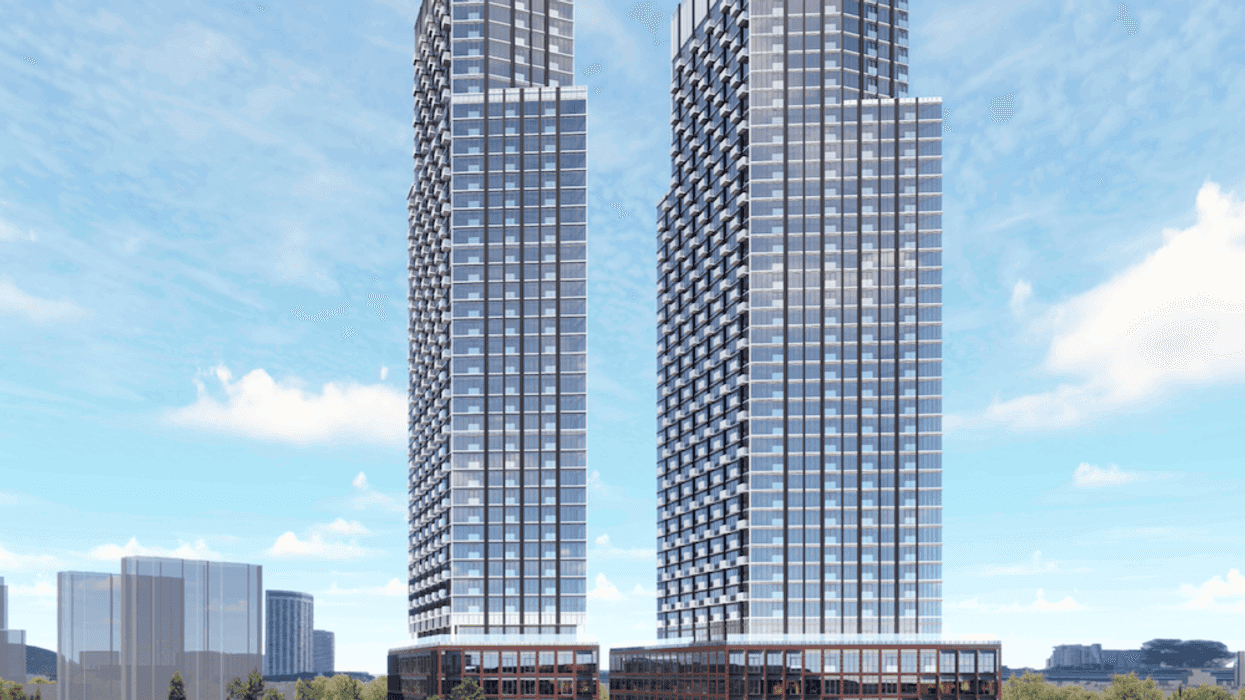
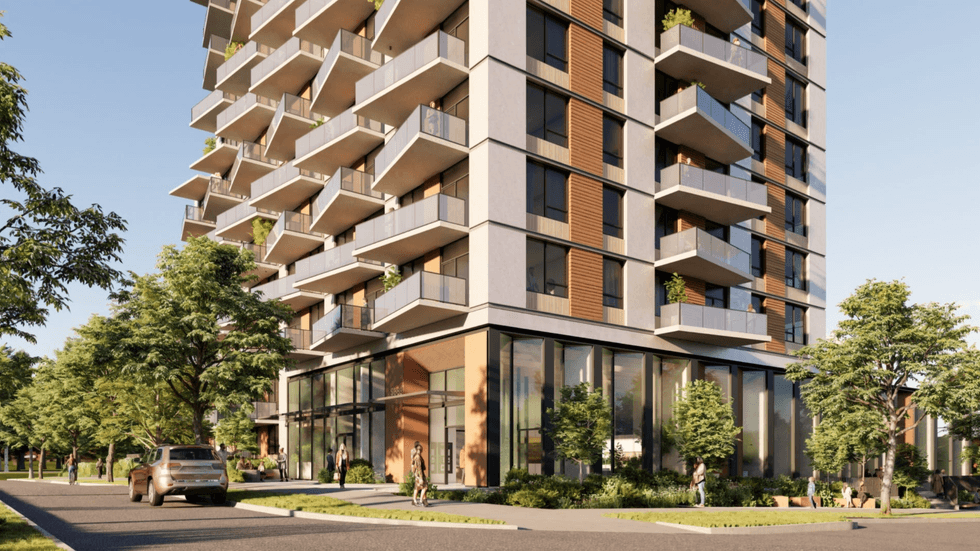 One of the towers proposed for 9883 140 Street. (Entres Nous Femmes Housing Society)






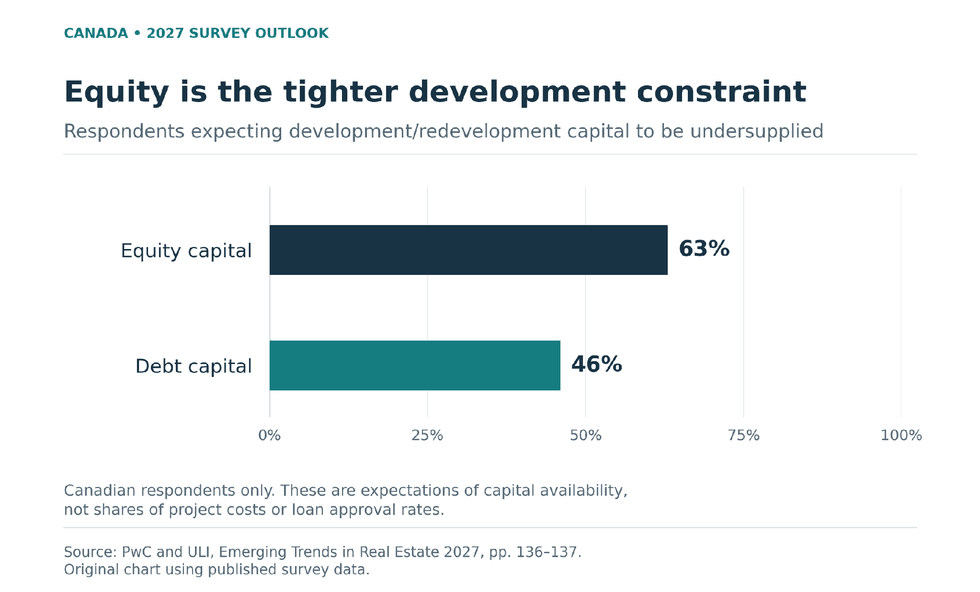 Canadian respondents were more likely to expect an undersupply of development/redevelopment equity capital (63%) than debt capital (46%) in 2027. These are survey expectations, not measured financing volumes. Source: PwC and ULI, Emerging Trends in Real Estate 2027, pp. 136–137. Original chart.
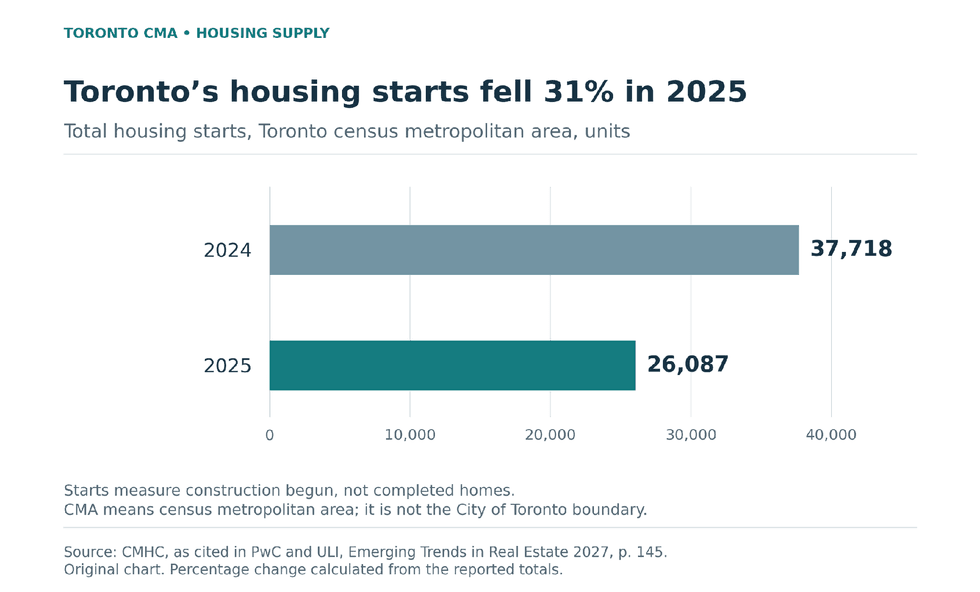 Toronto census metropolitan area housing starts fell from 37,718 units in 2024 to 26,087 in 2025, a 30.8% decline (rounded to 31%). Starts measure construction begun, not completed homes. Source: CMHC, as cited in PwC and ULI, Emerging Trends in Real Estate 2027, p. 145. Original chart.


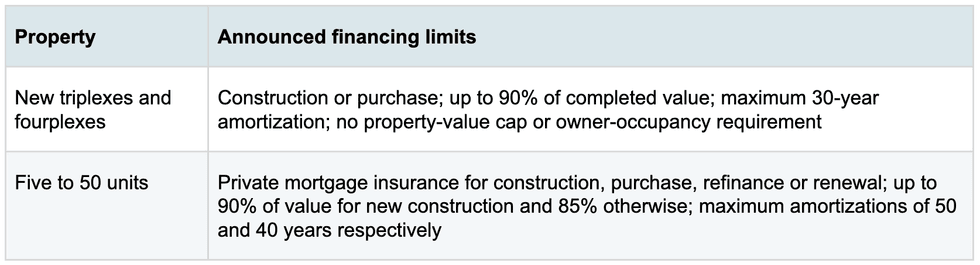
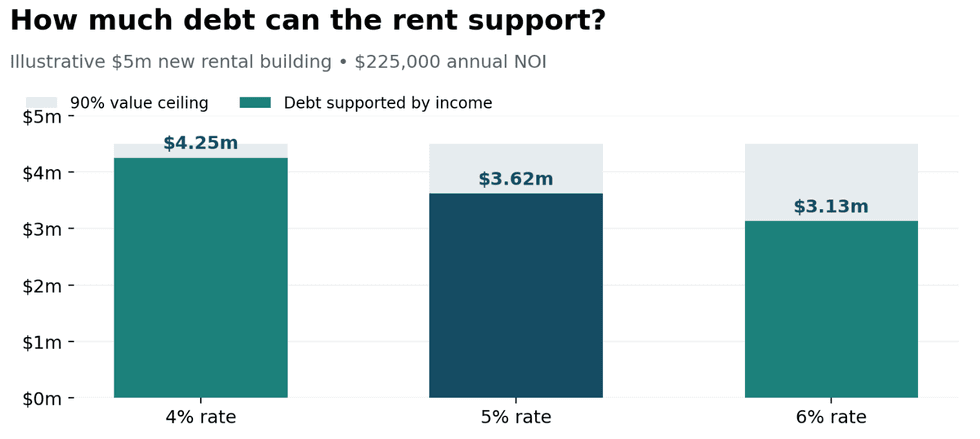 Illustrative calculation: a $4.5-million value ceiling versus income-based capacity of about $4.25 million at 4%, $3.62 million at 5% and $3.13 million at 6%. Assumes 50-year amortization and 1.15 debt coverage.
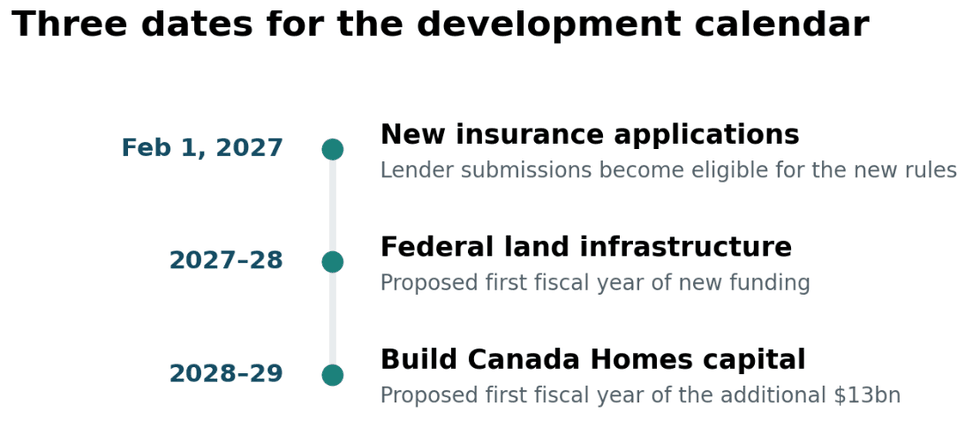 Source: Department of Finance missing-middle backgrounder and Budget 2026 Chapter 3, November 5, 2026. Fiscal-year funding starts are not home-completion dates.
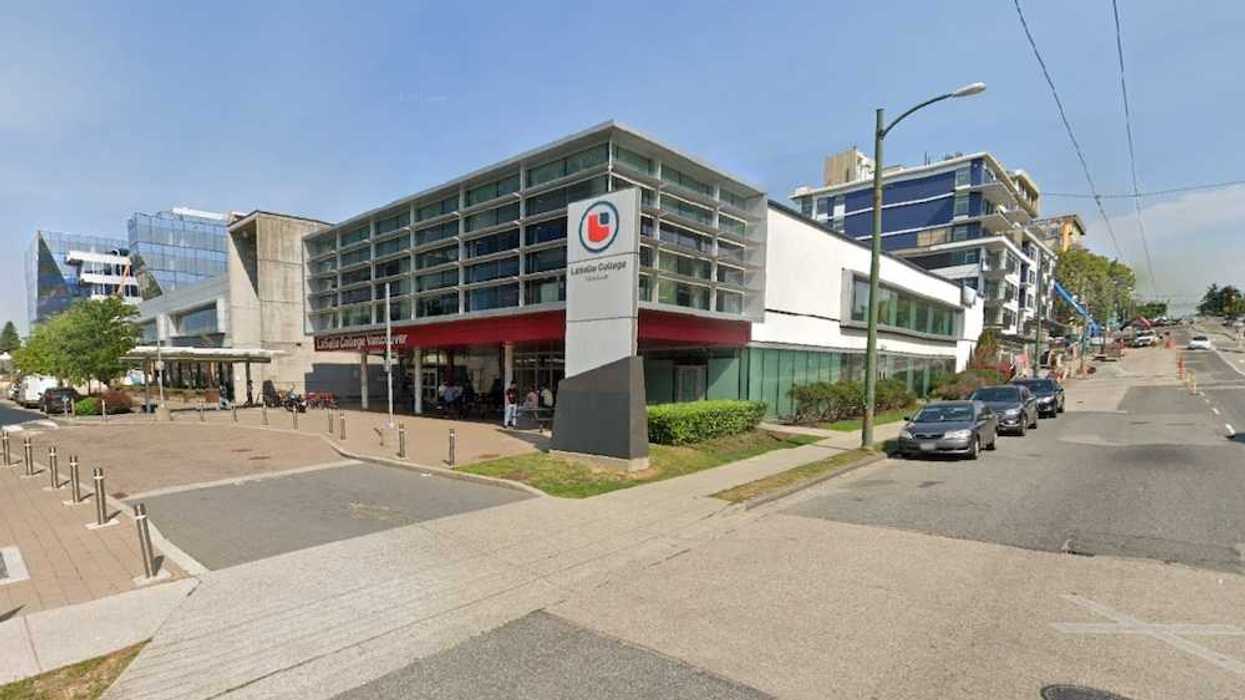
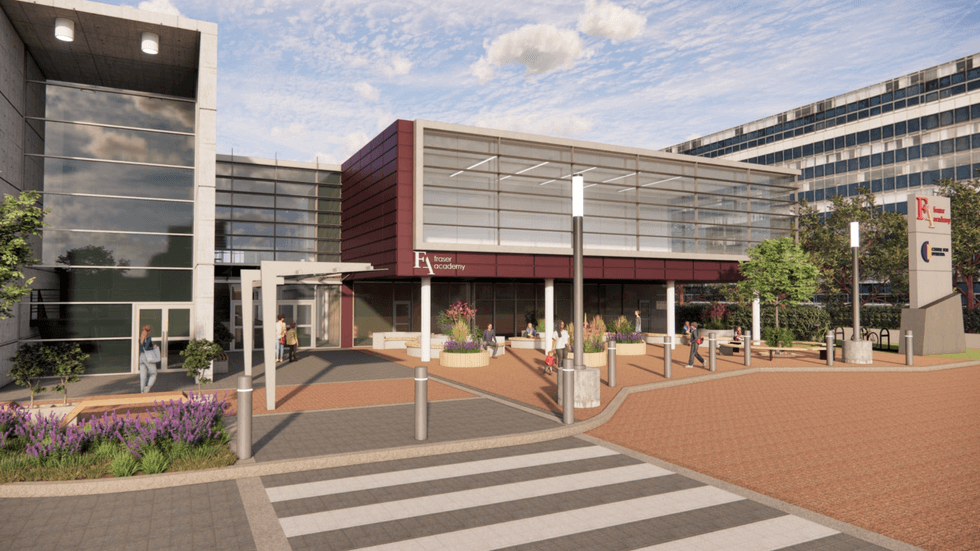 A rendering of Fraser Academy’s new campus. (Fraser Academy)

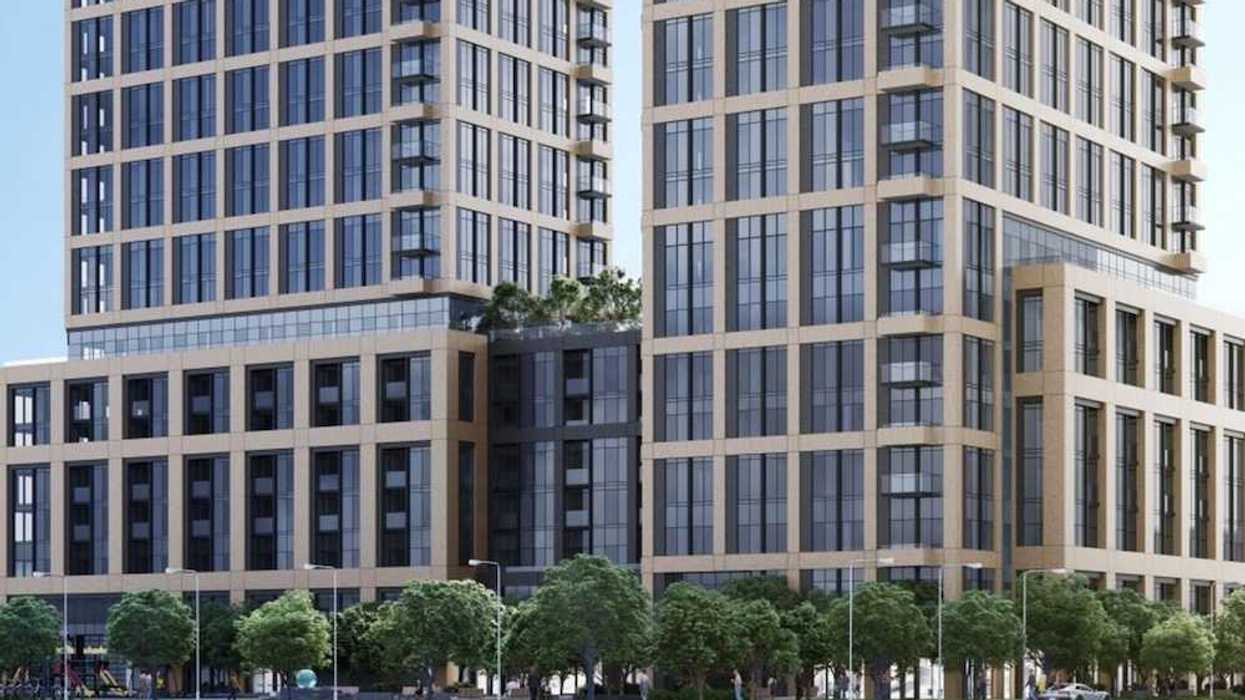
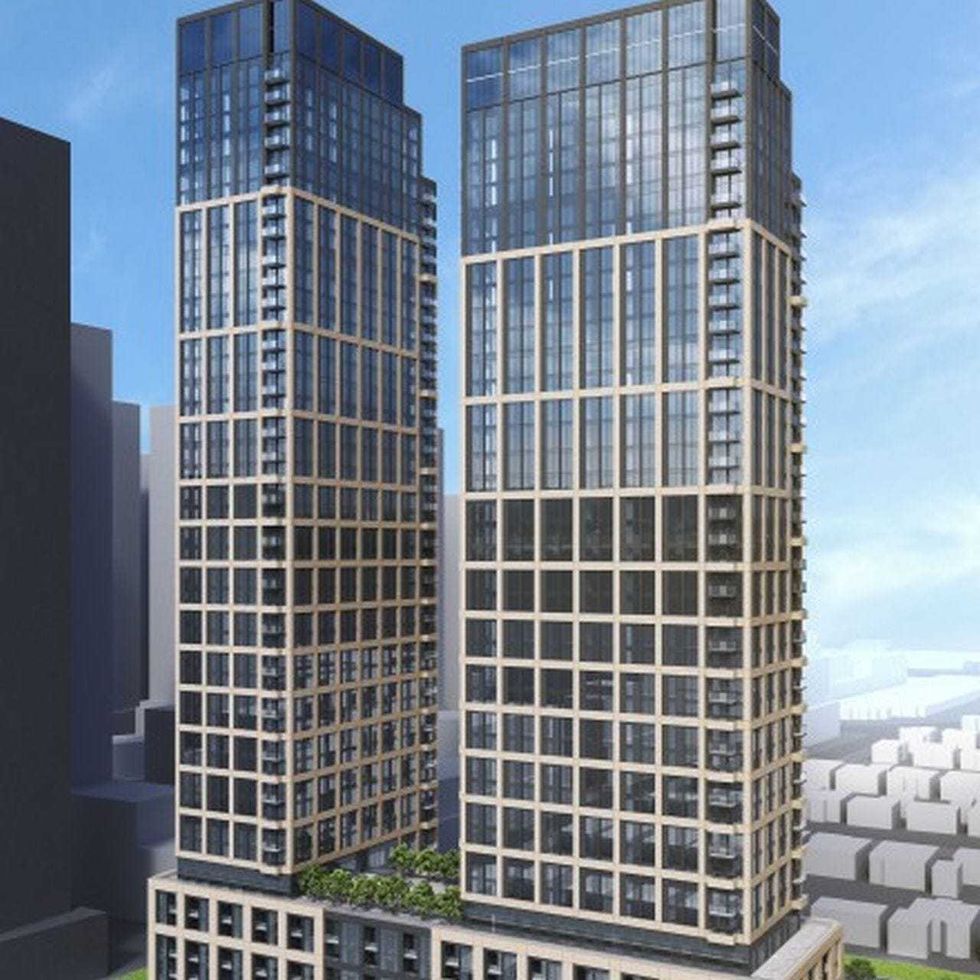 The project planned for 36-48 Steeles Avenue East and 37-49 Highland Park Boulevard in Markham. (Arcadis, Zonix Homes)