Warranty Deed
Learn what a warranty deed is in Canadian real estate, how it protects buyers, and how it relates to title transfer and legal ownership assurance.

May 22, 2025
What is a Warranty Deed?
A warranty deed is a legal document that transfers property ownership and guarantees that the seller holds clear title and will defend the buyer against future claims.
Why Warranty Deeds Matter in Real Estate
While less commonly used terminology in Canada than in the U.S., the concept behind a warranty deed aligns with standard title transfer practices in provinces with a land titles system.
Key features include:
- Confirms the seller has the right to sell
- Guarantees the title is free from encumbrances
- Provides buyer legal recourse if claims arise
In Canada, title insurance and provincial registration systems offer similar protections, but the concept is still useful in understanding the extent of guarantees in a sale.
Understanding a warranty deed (or its functional equivalent) ensures buyers know their rights and what protections apply during property transfer.
Example of a Warranty Deed in Action
In a title-transfer scenario, the seller signs a deed that guarantees they own the property and that it is free of outstanding claims.
Key Takeaways
- Guarantees seller owns and can sell the property.
- Offers protection against title defects.
- Provides legal recourse for buyers.
- Similar protections exist via title insurance in Canada.
- Useful for understanding title guarantees.
Related Terms
- Title Transfer
- Title Insurance
- Deed
- Legal Title
- Encumbrance Certificate
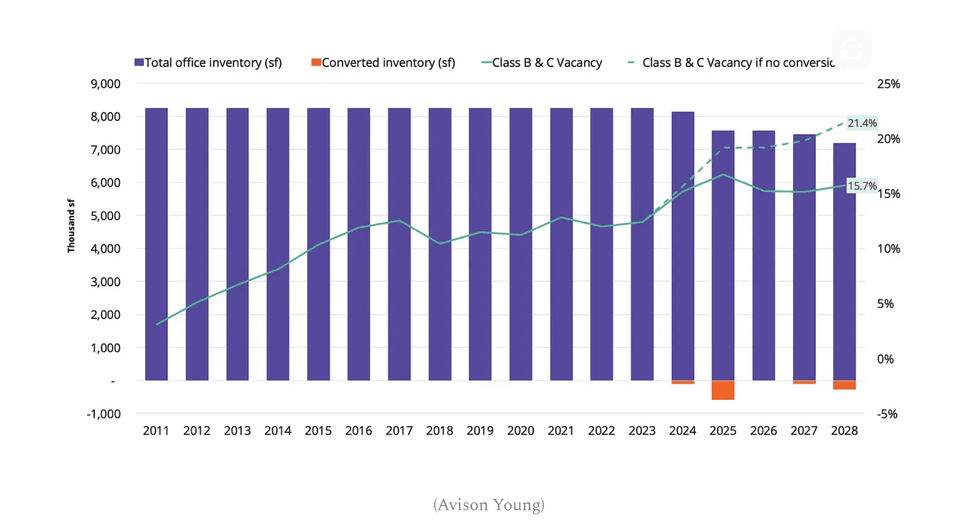 (Avison Young)
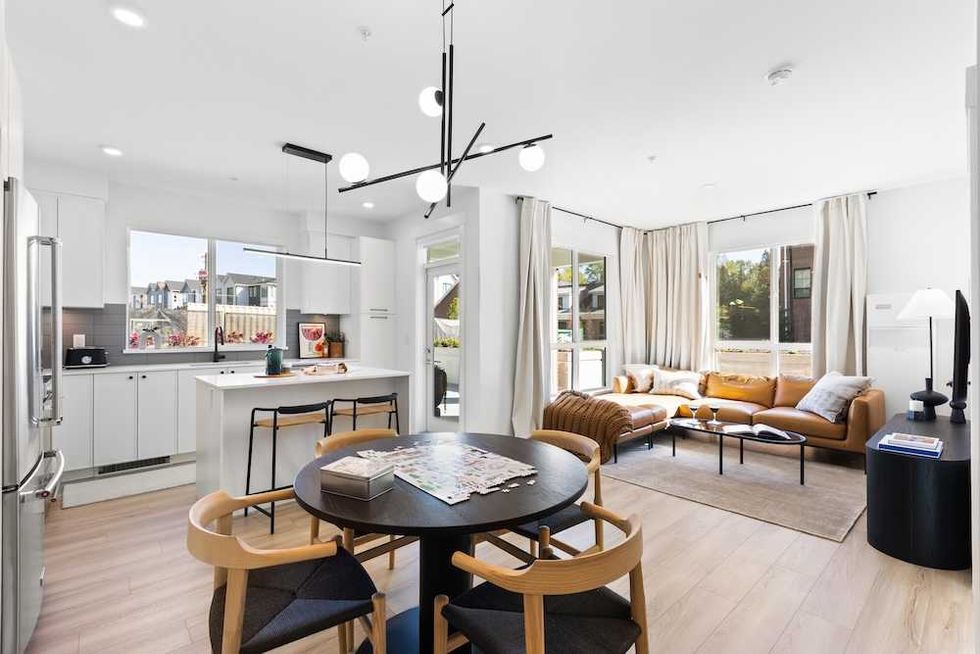 The Mason Suite Interior (Infinity Properties)
 The Mason Suite Interior (Infinity Properties)
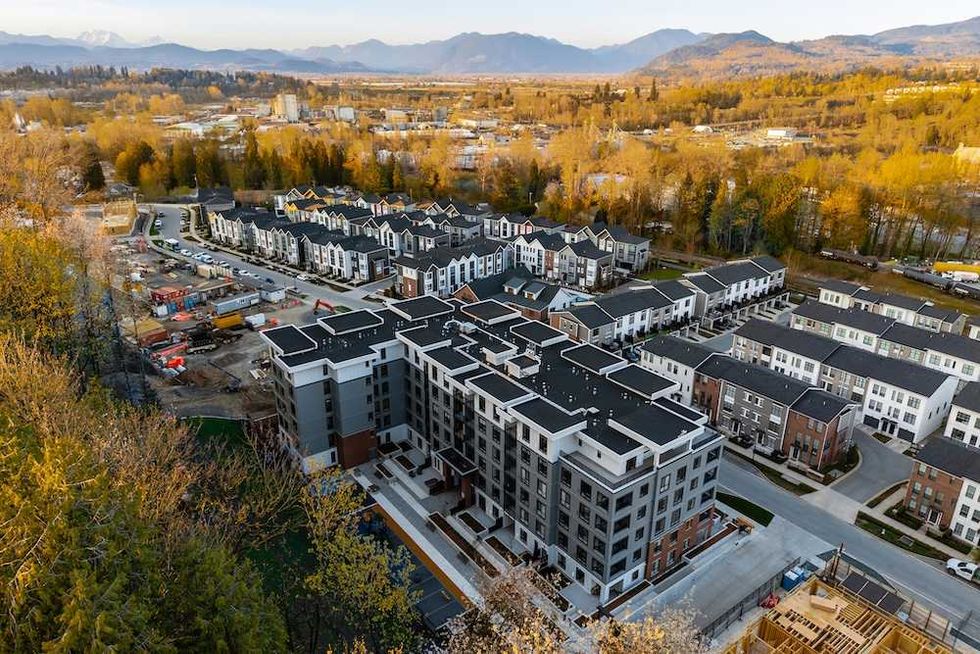 Rail District aerial (Infinity Properties)
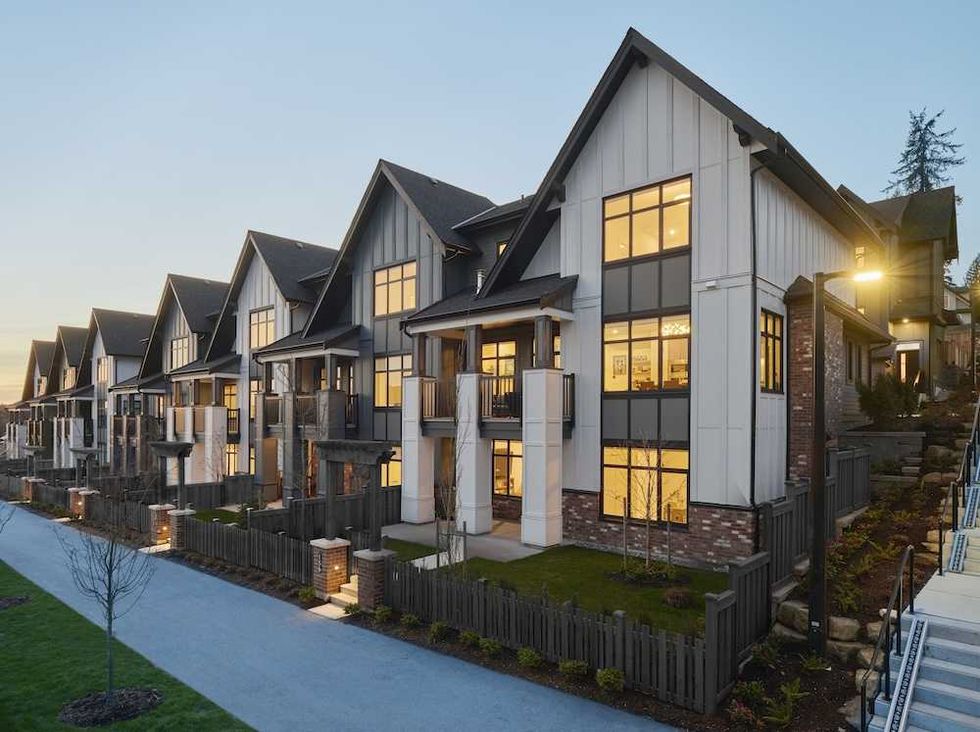 Versant (Infinity Properties)





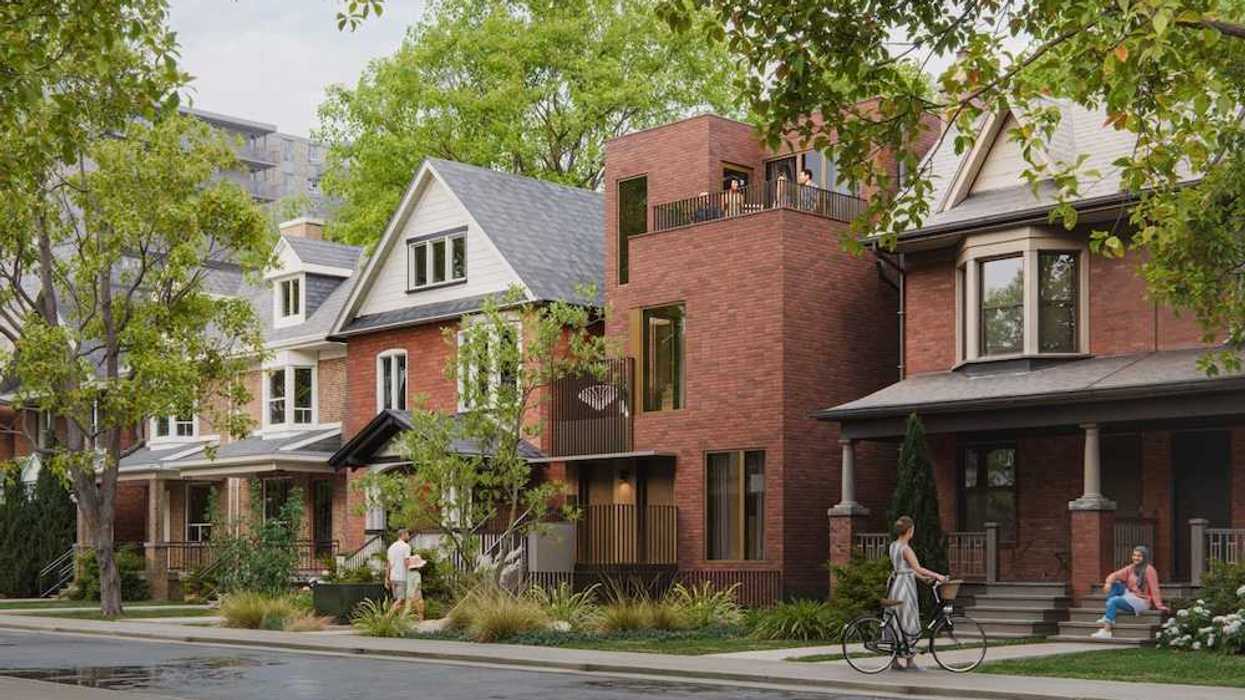
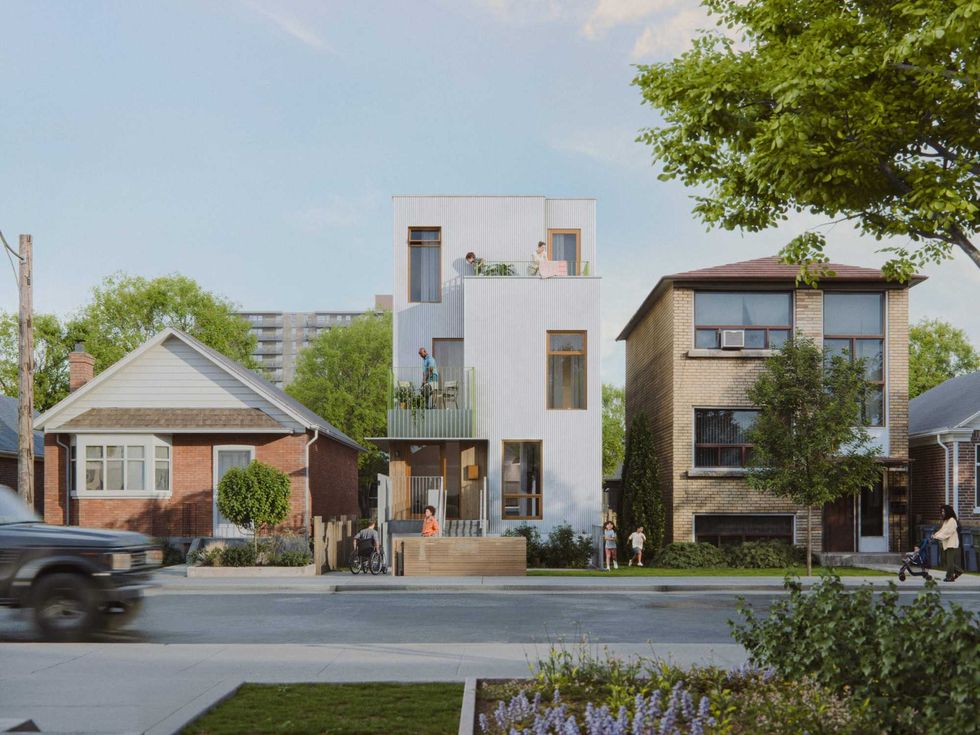 Narrow Fourplex (City of Toronto)
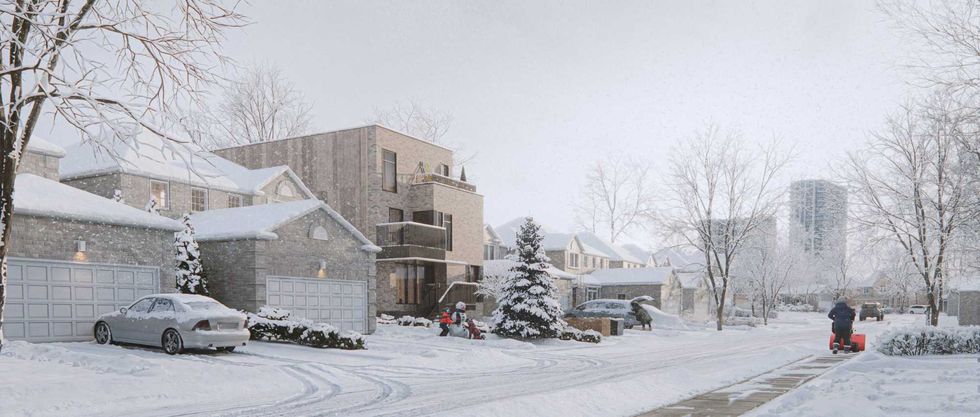 Wide Sixplex - Side View (City of Toronto)
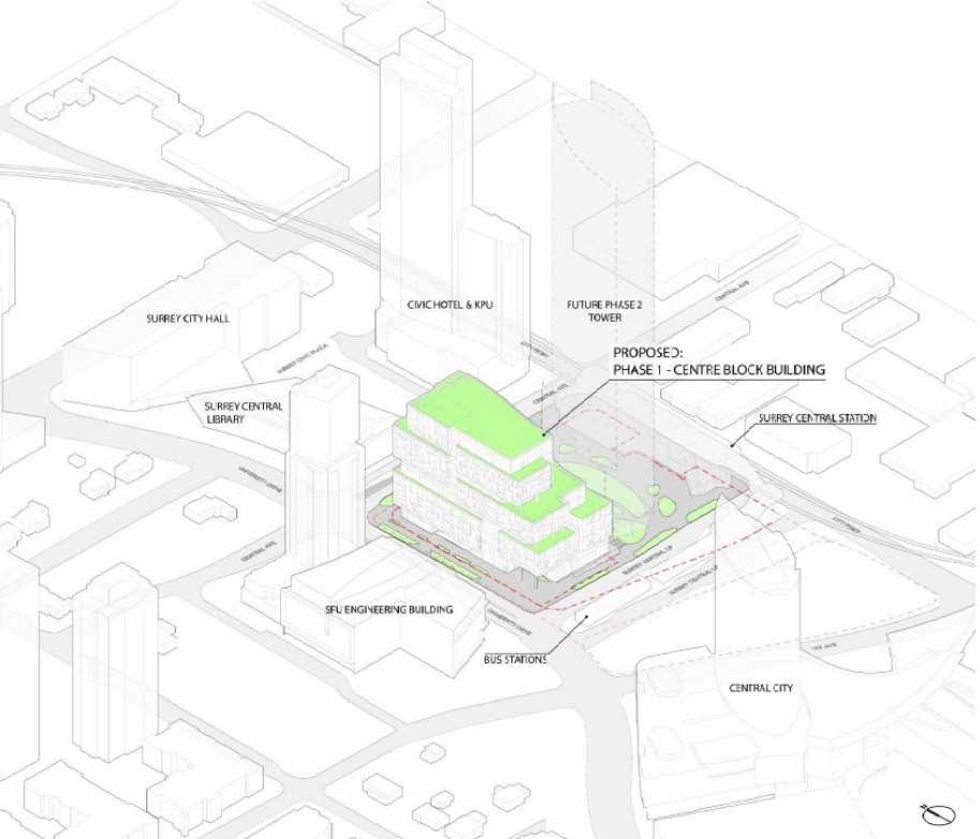 Centre Block and its surrounding context. (Stantec-Revery, SCDC)
 The 12-storey Phase One of Centre Block. (Stantec-Revery, SCDC)
 The 12-storey Phase One of Centre Block. (Stantec-Revery, SCDC)
 Mondria One, set for 1607 King Street East in Clarington, Ontario. (ICON Architects Inc., Monde Development Group)