This article is authored by Carl Laffan, who provides architectural services in Toronto, specializing in office, residential, and mixed-use projects.
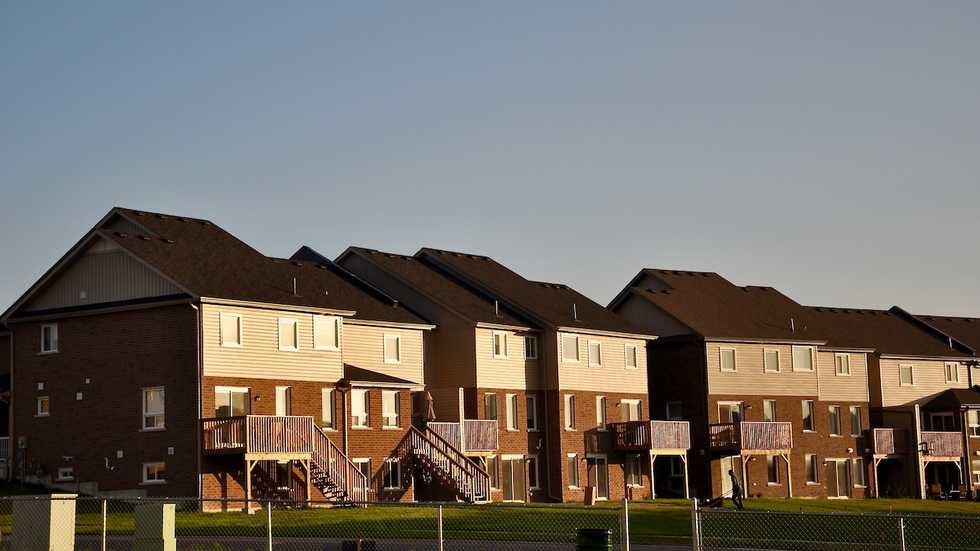
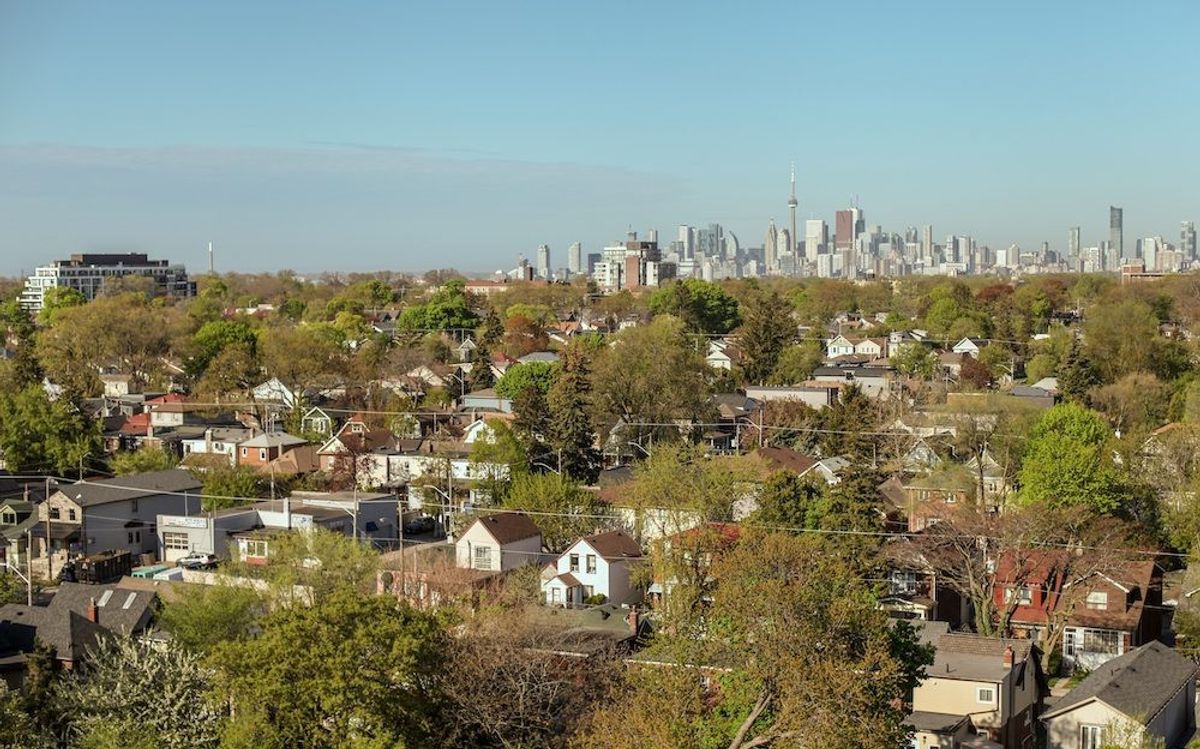
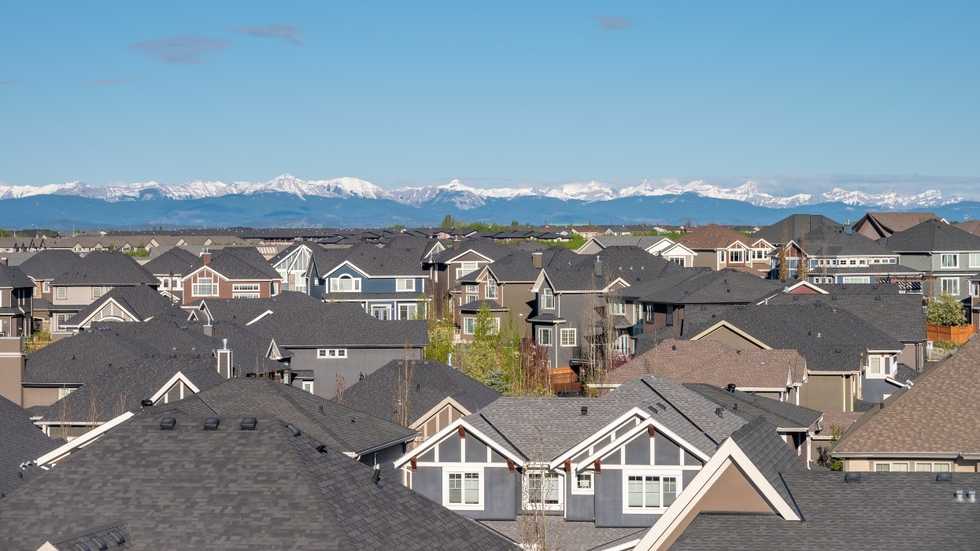
The City of Toronto’s recent “gentle-density” initiative, permitting multiplexes as-of-right across the city, was proposed as an inoffensive introduction of low-rise density within the single-family neighbourhoods that cover 70% of Toronto. Although well researched and widely supported, political pressure from local opposition groups ultimately imposed bedroom caps and size limits, effectively neutering the initiative. During a period when the Canada Mortgage and Housing Corporation reported we needed 150,000 new homes, multiplex permits issued since its adoption are reported to provide only 1,288: the equivalent of two high-rise towers.
Meeting Canada’s Housing Targets: A Reality Check
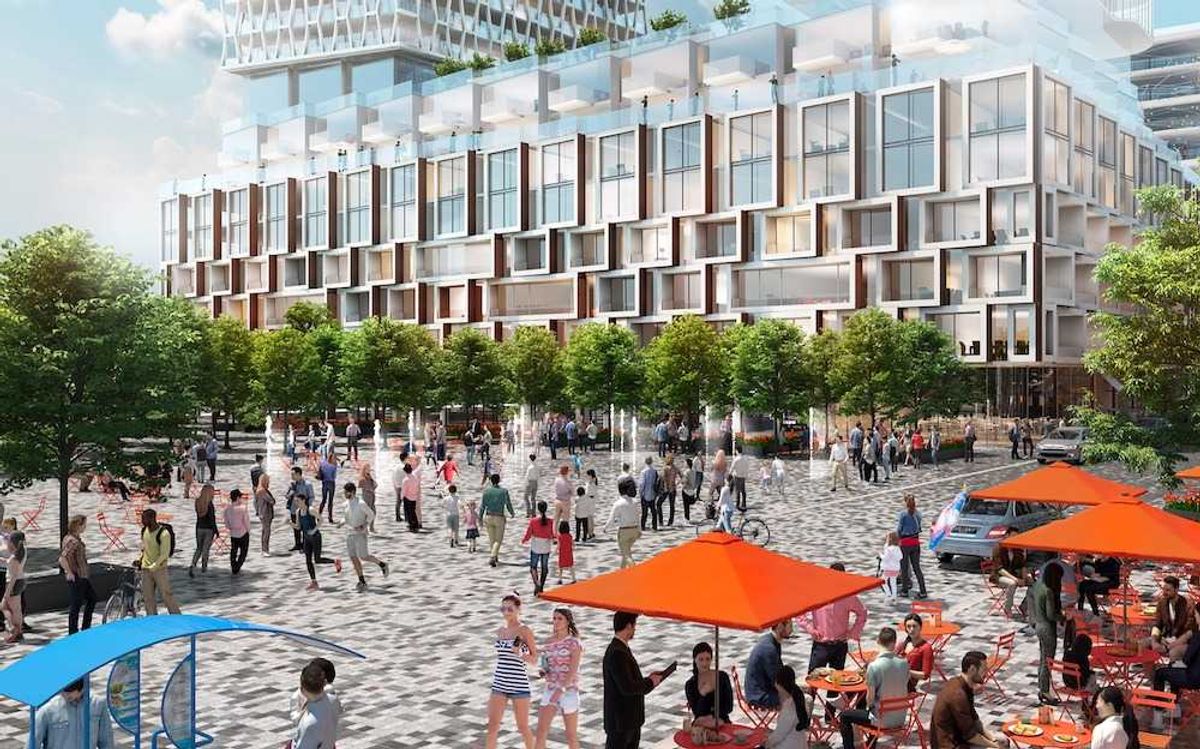
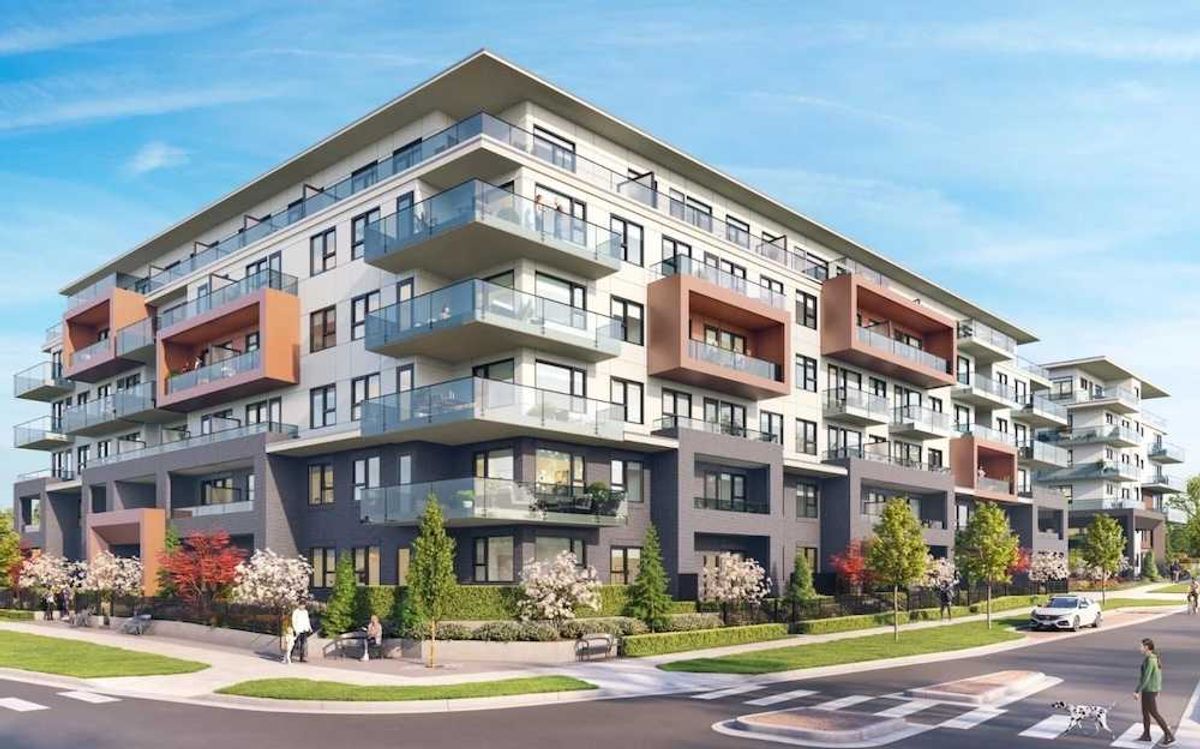
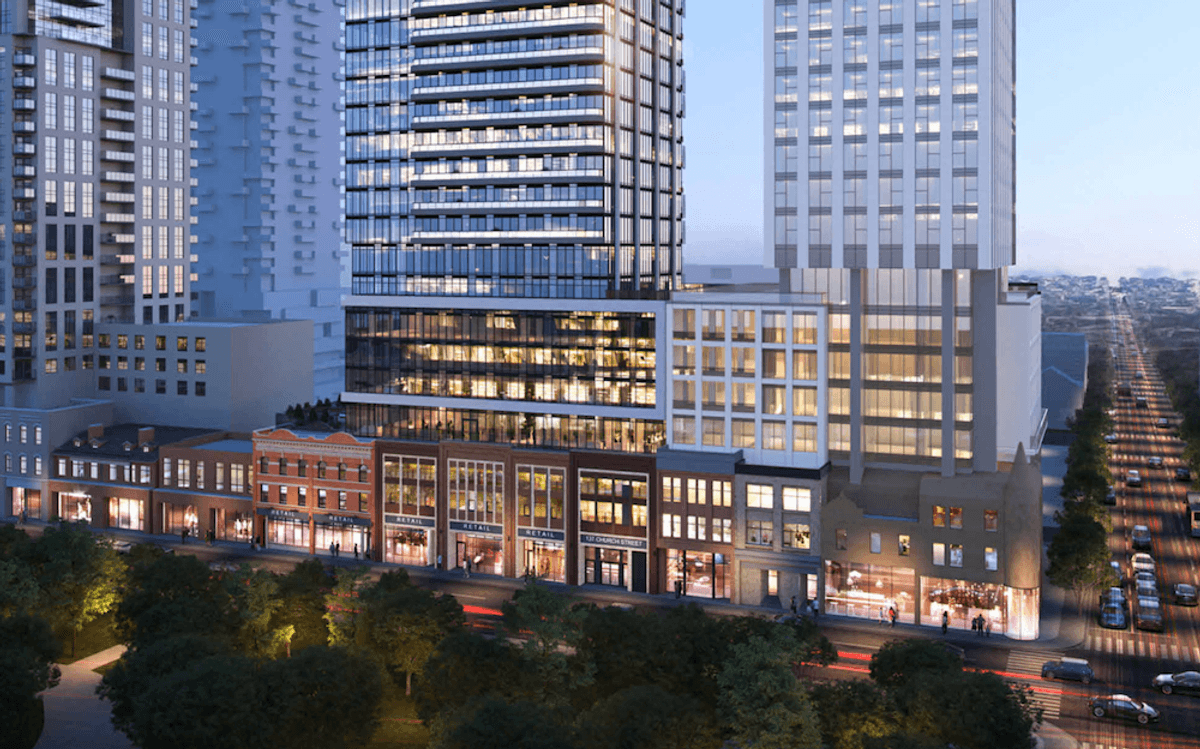
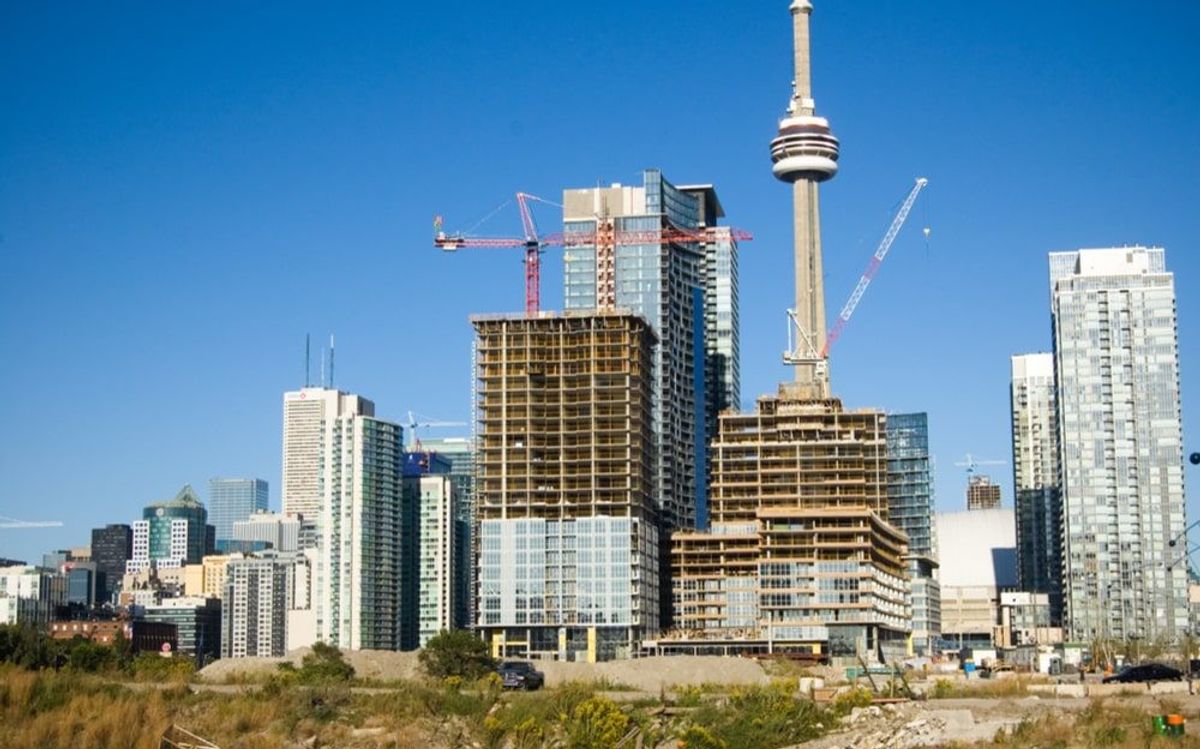
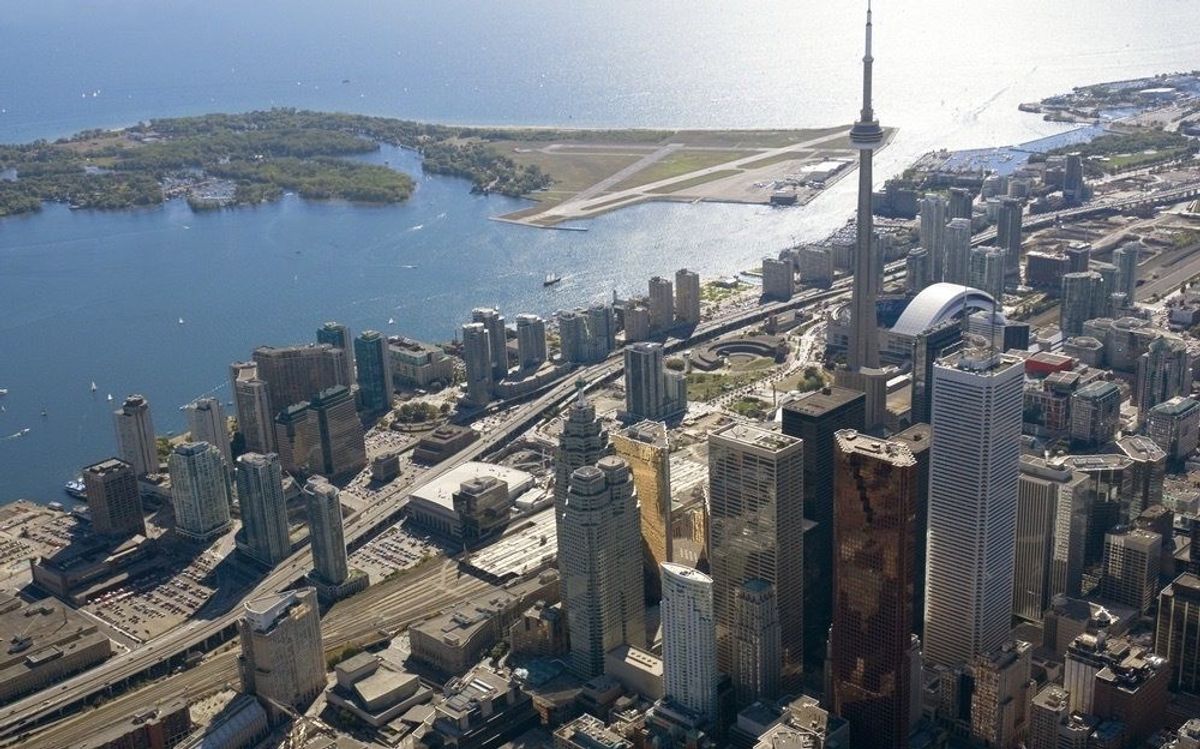
It is near mathematically impossible to meet our housing needs without high-density housing, i.e. mid-rise blocks and high-rise towers. While low-rise density is critical in the long term, there is broad agreement that high densification underpins healthy cities, concentrating growth near transit reduces car dependence and traffic congestion. Compact development optimizes civic infrastructure and housing affordability through reduced land costs per unit. Proximity to jobs, schools and amenities supports local retail and vibrant walkable neighbourhoods.
Almost every metric suggests Toronto cannot meet its housing, climate or economic goals without densification — yet, when we consider how those who embrace it are treated, the logic begins to unravel.
Active De-Incentivization of Density Dwelling
The typical condominium-owner today pays significantly more out of pocket than their single-family counterparts. Despite using less city infrastructure per household, condo owners do not only pay the same property tax rate, but also shoulder building maintenance fees covering services that single-family homes rely on municipalities to address.
Similarly, high-density home-buyers pay the same land-transfer taxes as single-family homes, despite often acquiring only a decimal percentage of land. Further still, with high-density housing typically concentrated within the city lines of Toronto, they’ll often double-pay land-transfer taxes — municipal as well as provincial — while single-family homeowners commuting from the surrounding GTA do not.
If density is the solution to urban sprawl, infrastructure strain, and climate targets, it raises an obvious question: why are those who embrace densification financially penalized?
The Rise and Fall of the “Shoe-Box” Era
Institutional lenders typically require 70% or more in pre-sales before offering construction financing for development, but few end-user homebuyers can comfortably life-plan 5+ years in advance to purchase a home they haven’t seen, so investors filled the gap. Increases in land, labour, materials and soft costs — such as municipal development charges, which alone can account for up to 30% of total construction costs — nudged developers into meeting the market with increased purchase prices and ever-smaller units. It wasn’t greed, it was math. On the drawing board, this eco-system translated into tighter units with constrained glazing and daylight, compressed kitchens serving as corridors, and living spaces with coffee tables doubling as dinner tables. The end result was predictable: a generation of high-rise buildings designed as quick-selling investments rather than long-term homes.
As you might expect in today’s condo downturn, smaller investor-oriented units have seen the sharpest price corrections, losing 20% or more of their home value. However, market data suggests larger, more functional condos that are aimed at end-users have generally retained their value, despite condo-market struggles. The market is signalling a clear demand for larger, livable homes in dense urban settings. What is missing is a financial framework that supports their delivery — and rewards those that choose density.
A Targeted Waiving of Development Charges on Livable Urban Homes
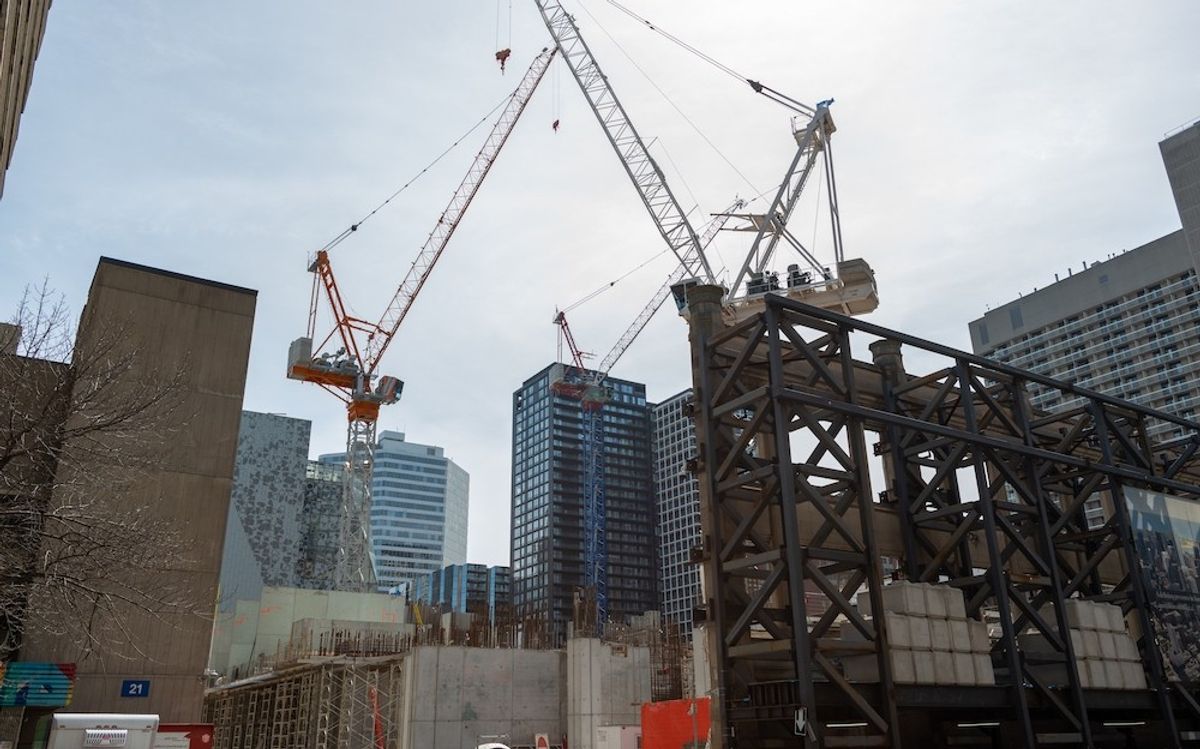
Last week, the City of Mississauga joined a growing number of municipalities in Ontario lowering or waiving development charges outright. While this is a welcome boost for housing starts, how can we expect the right kind of housing to get built if we’re only reverting to the same system that got us here?
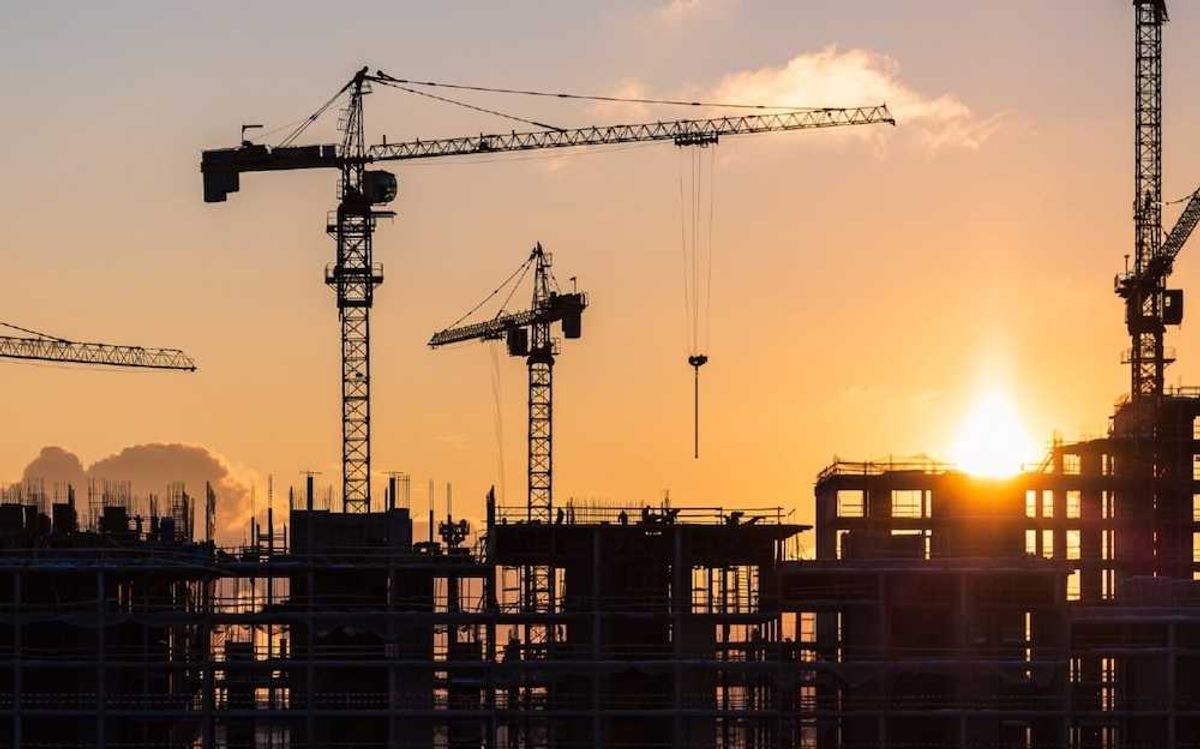
If properly structured, a targeted waiving of development charges on condominium homes above a conditional square-footage would ensure the delivery of the exact segment the market is already telling us it needs. For developers, it would incentivize quality housing and immediately improve project feasibility when new housing starts remain stalled. For market-rate buyers, it would lower purchase prices on homes suitable for families, downsizers, and long-term residents. Even the municipality could claim measurable progress on quality housing, all without writing a single cheque. Coupled with proportionate condominium taxation, this would materially increase access to quality housing, and stabilize a construction industry with 100,000 jobs reportedly at risk.
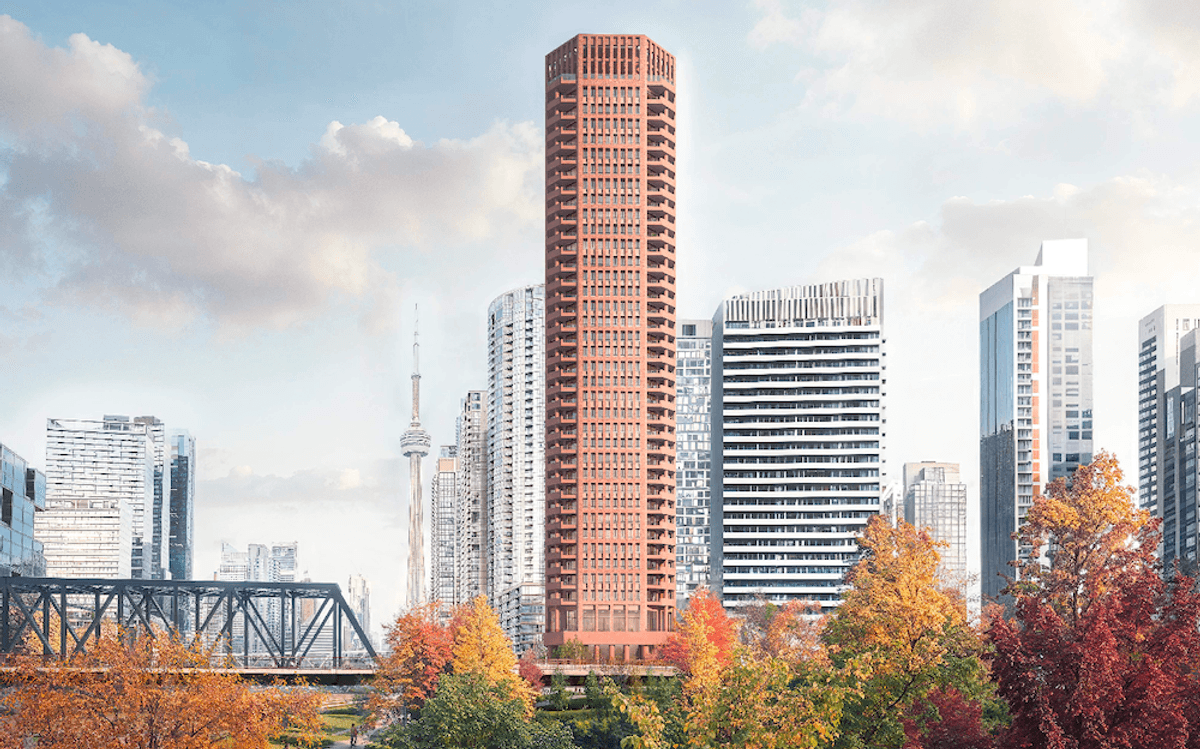
Architecturally, such a measure would encourage a departure from smaller, investor-driven units and their inherent limitations laid bare by the current downturn. Bigger units equal fewer units per floor, meaning simplified structural and mechanical solutions as well as better access to daylight and ventilation. Three-bedroom units become genuine family homes rather than an overhead navigating municipal minimums — with kitchens large enough to gather in, dedicated dining areas, mudrooms with laundry and storage that is factored-in rather than lived-in, and even separate bedrooms for the kids all re-enter the equation. This is not about architectural indulgence. It is about aligning policy incentives with outcomes the city already claims to want: stable communities with affordable quality housing that supports residents through multiple life stages.
Rather than treating high-density living as an inevitable compromise, we must adopt an approach that makes densification not only financially rational to build, but a desirable long-term way of life. Toronto’s housing ambitions will never be realized until our tax and policy frameworks reflect, rather than undermine, the public value of high-density living.