Mechanic's Lien
Learn about mechanic’s liens in Canadian real estate — what they are, how they work, and how they protect contractors and suppliers.

August 08, 2025
What is a Mechanic's Lien?
A mechanic’s lien is a legal claim by a contractor, subcontractor, or supplier for unpaid work or materials provided for a property.
Why Mechanic's Liens Matter in Real Estate
In Canadian construction and real estate, mechanic’s liens secure payment for work performed and can delay property sales or financing.
Key points:
- Filed in the land registry by unpaid construction professionals
- Creates an encumbrance on property title
- Must be resolved before transferring clear title
Understanding mechanic’s liens helps property owners, buyers, and lenders manage financial risk.
Example of a Mechanic's Lien in Action
The contractor filed a mechanic’s lien after not being paid for renovations to the building.
Key Takeaways
- Legal claim for unpaid construction work or materials
- Filed in the land registry and clouds title
- Must be cleared before property sale or refinancing
- Protects contractors and suppliers from non-payment
- Requires owners to verify payments to avoid liens
Related Terms
- Lien
- Holdback (Construction Financing)
- Encumbrance
- Title Insurance
- Draw Schedule
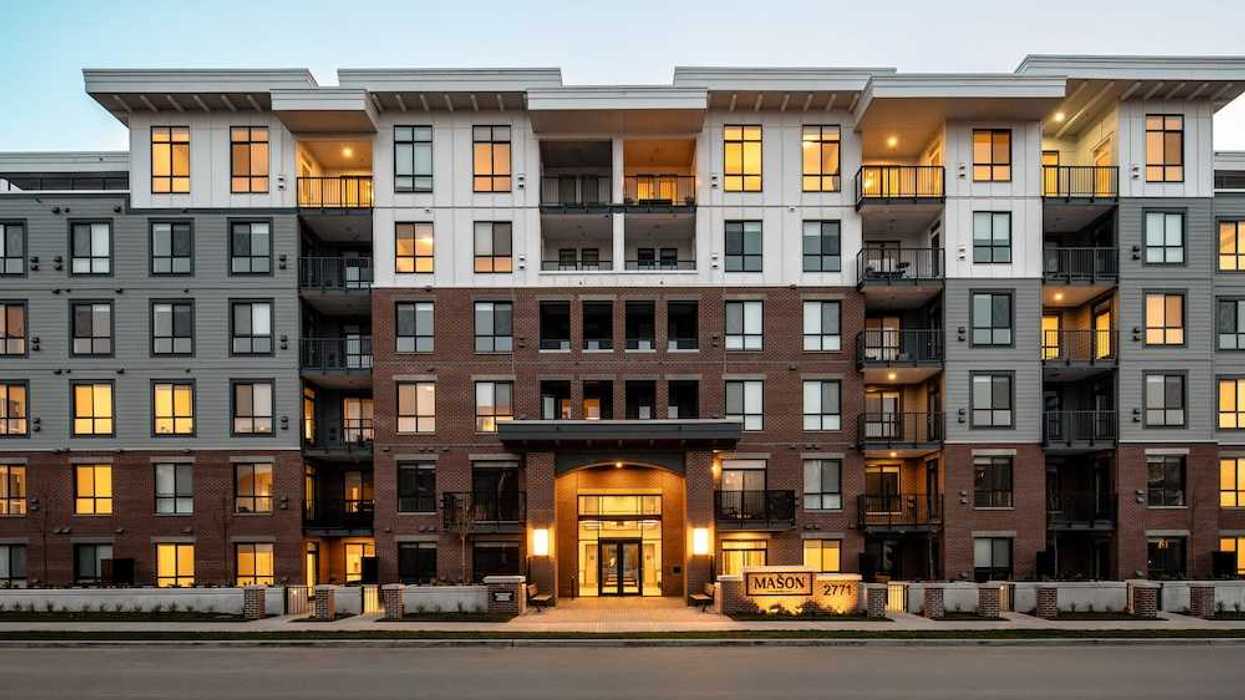
 The Mason Suite Interior (Infinity Properties)
 The Mason Suite Interior (Infinity Properties)
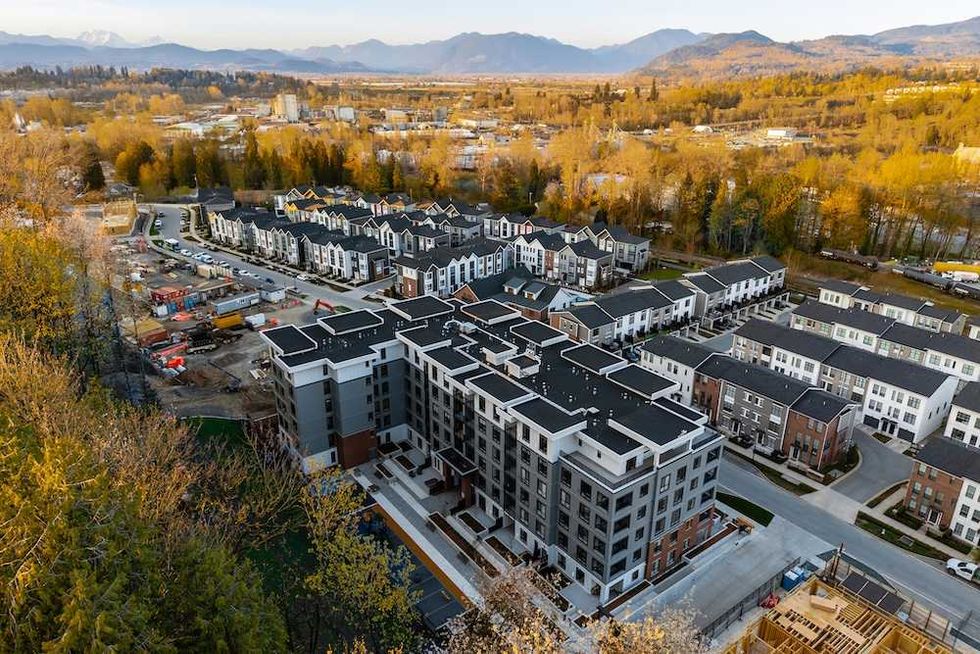 Rail District aerial (Infinity Properties)
 Versant (Infinity Properties)








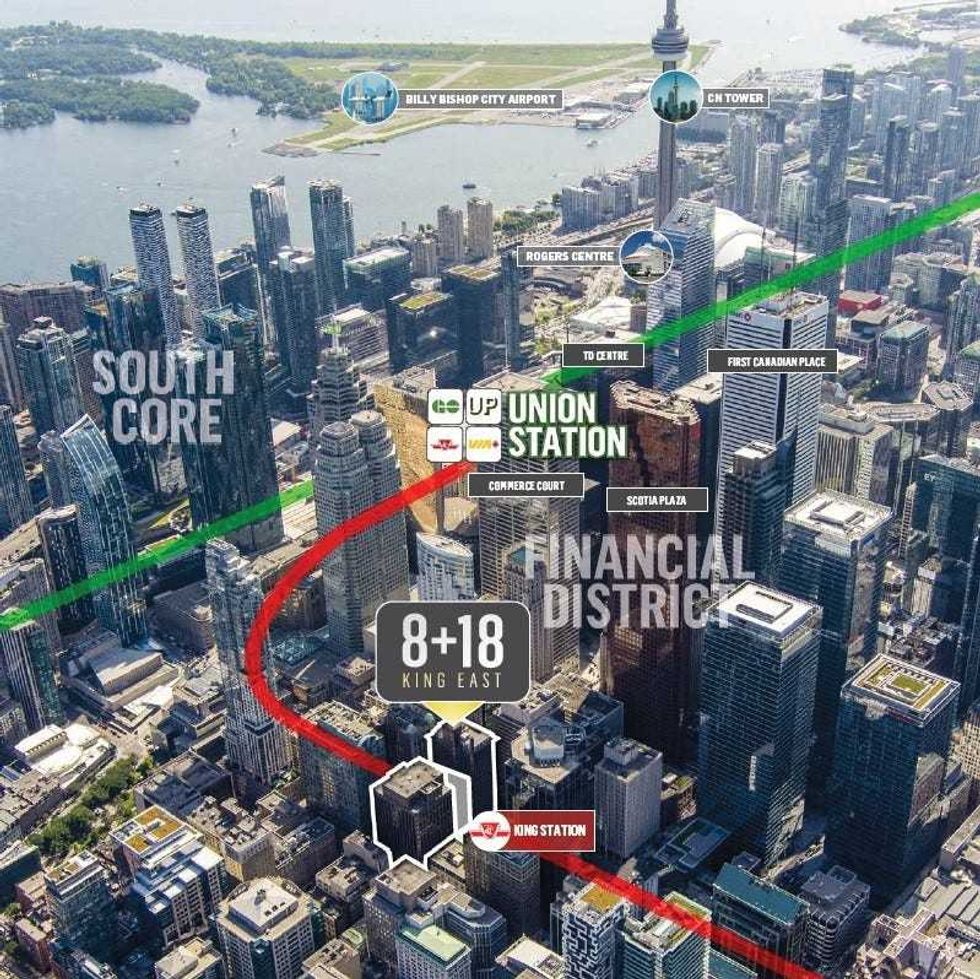 8 and 18 King Street East in Toronto. (RBC Capital Markets Realty)
 Interior photos of 8 and 18 King Street East. (RBC Capital Markets Realty)
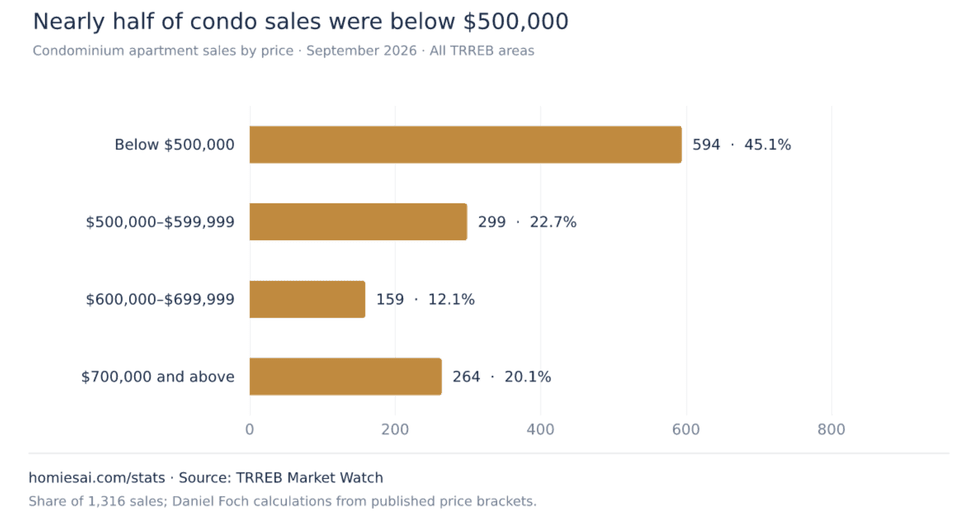

 Narrow Fourplex (City of Toronto)
 Wide Sixplex - Side View (City of Toronto)