Land Value

Explore what land value means in Canadian real estate: how it’s calculated, why it matters, and how it shapes investment and development.

Land Value


What is Land Value?

Land value refers to the monetary worth of a parcel of land, excluding any structures, based on its location, zoning, and potential use.

Why Land Value Matters in Real Estate

In Canadian real estate, land value is a key component of overall property valuation and is influenced by market demand, municipal planning, and development potential.


Factors affecting land value:
  • Location and surrounding amenities
  • Zoning regulations and land use permissions
  • Infrastructure and utility access
  • Lot size and shape
  • Development or redevelopment potential


Land value plays a major role in property assessment, investment returns, and tax liability.


Understanding land value helps developers, buyers, and investors assess opportunity and negotiate effectively.

Example of Land Value in Action

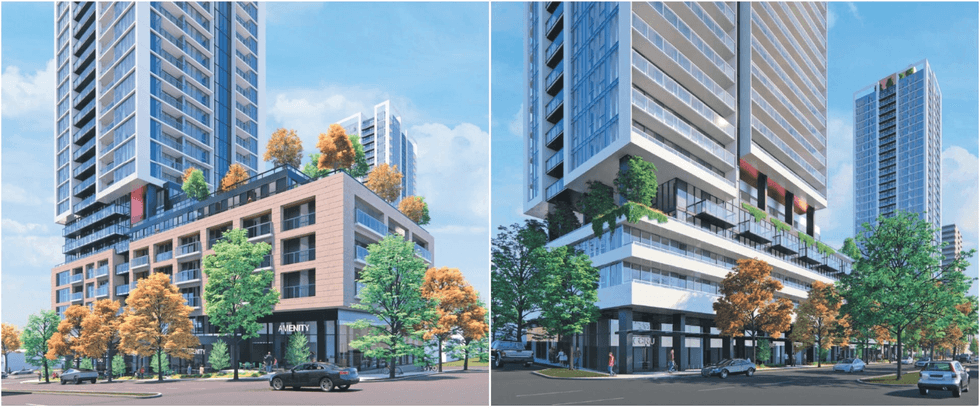
The land value of the corner lot increased significantly after the city approved rezoning for mixed-use development.

Key Takeaways

  • Reflects worth of land without buildings
  • Driven by location, zoning, and use potential
  • Impacts development, taxes, and resale
  • Crucial for investors and builders
  • Changes with planning or market shifts

Related Terms

  • Market Value
  • Zoning
  • Property Assessment
  • Highest and Best Use
  • Urban Planning

Additional Terms

Public Realm Improvements

Public realm improvements are enhancements to public spaces such as sidewalks, parks, plazas, and streetscapes, often funded or contributed by. more

Mortgagee in Possession

A mortgagee in possession is a lender who takes control of a property after borrower default, but before foreclosure or power of sale. The lender. more

Lease Surrender Agreement

A lease surrender agreement is a negotiated contract between a landlord and tenant that ends a lease before its scheduled expiration. Terms may. more

Green Infrastructure

Green infrastructure refers to natural or engineered systems that manage stormwater, reduce heat, and improve sustainability in developments.. more

Escrow Holdback

An escrow holdback is a portion of funds withheld at closing and held in escrow until specific conditions are met, such as completion of repairs,. more

Underused Housing Tax

The Underused Housing Tax (UHT) is a federal annual 1% tax on the value of vacant or underused residential property owned by non-resident,. more

More For You

Beyond The Forecasts: A Framework For Understanding GTA Real Estate In 2026

Nano Do/Unsplash

This article was written and submitted by Cameron Levitt, a Toronto-based real estate agent with RE/MAX Hallmark who writes about housing dynamics, market trends, and the Canadian economy.


Keep ReadingShow less
GTA Housing Market Ends 2025 More Affordable, But Confidence Remains Key

Teunard Droog/Unsplash

As 2025 drew to a close, new data from the Toronto Regional Real Estate Board (TRREB) painted a picture of a market still under pressure, but notably more affordable than it was a year earlier — a shift that, according to the board, may help lay the groundwork for recovery in the year ahead.

Annual GTA home sales declined in 2025 amid ongoing economic uncertainty, as buyers remained cautious in the face of broader concerns around employment and the cost of living. Over the same period, however, elevated listing inventory gave buyers greater negotiating power, contributing to lower selling prices and improved affordability across the region.

Keep ReadingShow less
In Ontario, Who Has To Shovel Snow: The Tenant Or Landlord?
Shutterstock

It's the time of year when many of us will find ourselves walking — and shovelling — through a winter wonderland.

Everyone knows (or should know) that big fines are in store if you fail to shovel the snow outside your home. But what if you rent your property? Is it still your responsibility, or your landlord’s?

That’s the high-value question.

According to Section 20(1) of the Residential Tenancies Act, “a landlord is responsible for providing and maintaining a residential complex, including the rental units in it, in a good state of repair and fit for habitation and for complying with health, safety, housing and maintenance standards.” And according to court rulings, this includes snow removal.

Keep ReadingShow less
Vancouver

It's that time of the year again — Christmas lights are glimmering, holiday cheer is in the air, and it's all about spending time with your friends and family.

Indeed, Christmas is nearly here, and if you'll be spending the holiday in Metro Vancouver, here's what you should know.

Keep ReadingShow less
What’s Open And Closed In Toronto On Christmas 2025

Simon Zhu/Unsplash

'Tis the season... to carefully plan your outings, because we're fast-approaching Christmas.

Both Christmas Day and Boxing Day are statutory holidays in Ontario, which means that many stores, services, and attractions will be closed on Thursday and Friday. Some will be closed on Christmas Eve, too. With that said, here's what's open and closed in Toronto on December 24, 25, and 26.

Keep ReadingShow less
Canadian Home Sales Hold Steady As Market Moves Into The New Year

Frankie Lopez/Unsplash

Canadian home sales remained largely unchanged in November, reinforcing the sense that the housing market has settled into a holding pattern as the calendar edges closer to 2026.

According to the latest data from the Canadian Real Estate Association (CREA), national home sales declined 0.6% month-over-month in November 2025. While activity remains well above the lows seen earlier in the year, it has remained mostly unchanged since July, suggesting that the mid-year pickup in demand has yet to translate into sustained momentum.

Keep ReadingShow less
New Year, New Moves: STOREYS Gears Up For 2026

EJ Yao/Unsplash

It’s been a minute. And for good reason.

As our readers know, STOREYS has been in a period of strategic review. We took this step back to reflect on how best to serve our audience in a media landscape moving faster than ever. And while we’ve been plotting, industry news hasn’t slowed down.

Keep ReadingShow less
Elysium Proposes 41- And 39-Storey Rental Next To Keele Station
26-36 Mountview Avenue and 21-29 Oakmount Road/Teeple Architects

A snazzy new two-tower, high-rise development is headed for the High Park North neighbourhood of Toronto that could deliver over 870 new rental units within walking distance of Keele Station. The proposal was submitted by Elysium Investments in early-September and comprises an Official Plan and Zoning By-law Amendment application for a 41- and 39-storey building with a shared six-storey podium.

If approved, the development would replace 11 single-detached homes located just north of High Park. Addressed as 26-36 Mountview Avenue and 21-29 Oakmount Road, the proposed site sits just northwest of the Bloor Street West and Keele Street intersection. The site is well-serviced by public transit, with Keele Station on the TTC's Line 2 directly adjacent to the proposed building, providing connections to Line 1, GO Transit, and the UP Express.

Keep ReadingShow less