Density Study

A density study analyzes zoning regulations to determine the maximum development potential of a parcel, shaping feasibility and valuation.
Density Study

September 30, 2025


What is a Density Study?

A density study is an analysis used to determine the development potential of a parcel of land under applicable zoning and planning regulations. It evaluates how much floor area, building height, and unit count can be achieved given rules such as floor area ratio (FAR), lot coverage, setbacks, and bonus programs. The study helps developers understand site yield, optimize design, and assess economic feasibility. Local planning policies, environmental constraints, and infrastructure capacity often shape the results of density studies.

Why Density Studies Matter in Real Estate

Density studies matter because they are the foundation for project feasibility, land valuation, and investment decisions. They inform how much revenue-generating space a project can support while balancing community objectives like green space, public amenities, and housing affordability. Developers, municipalities, and lenders rely on density studies to align design with policy goals and financial expectations. Early understanding of density potential reduces risk of costly redesigns.

Example of a Density Study in Action

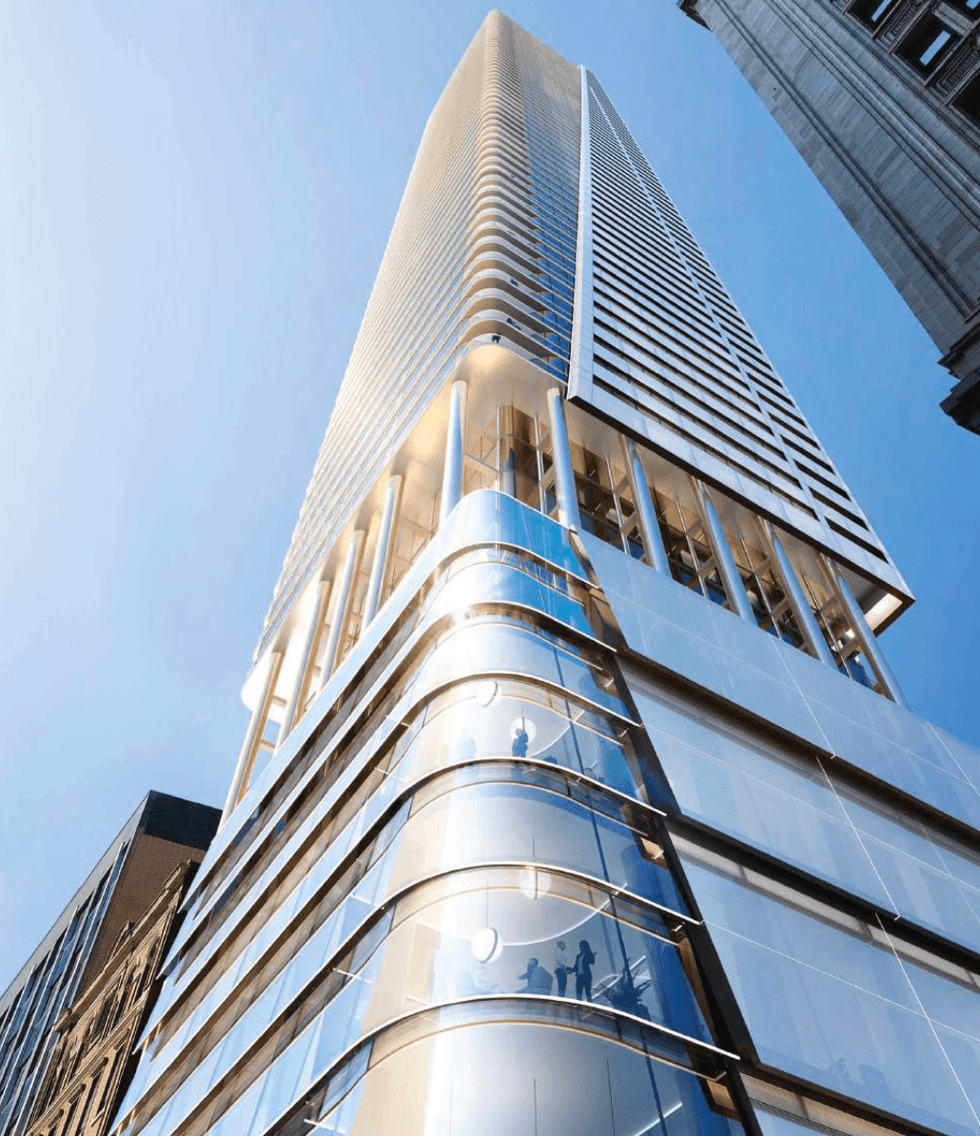
A developer commissioning a density study learns that zoning permits a 10-storey residential tower with a density bonus if affordable housing units are included. The study shows how adding three additional floors changes land value assumptions and project returns, guiding the acquisition strategy.

Key Takeaways

  • Density studies quantify site yield under planning rules.
  • They guide design and acquisition decisions.
  • Public policy and incentives shape density outcomes.
  • Early studies reduce risk of redesign and delays.
  • They are crucial for financial feasibility and valuation.

Related Terms

  • Zoning
  • Floor Area Ratio (FAR)
  • Density Bonus
  • Setback Requirements
  • Shadow Study

Additional Terms

Public Realm Improvements

Public realm improvements are enhancements to public spaces such as sidewalks, parks, plazas, and streetscapes, often funded or contributed by. more

Mortgagee in Possession

A mortgagee in possession is a lender who takes control of a property after borrower default, but before foreclosure or power of sale. The lender. more

Lease Surrender Agreement

A lease surrender agreement is a negotiated contract between a landlord and tenant that ends a lease before its scheduled expiration. Terms may. more

Green Infrastructure

Green infrastructure refers to natural or engineered systems that manage stormwater, reduce heat, and improve sustainability in developments.. more

Escrow Holdback

An escrow holdback is a portion of funds withheld at closing and held in escrow until specific conditions are met, such as completion of repairs,. more

Underused Housing Tax

The Underused Housing Tax (UHT) is a federal annual 1% tax on the value of vacant or underused residential property owned by non-resident,. more

More For You

Opinion: Toronto Is Experiencing A Silent Housing Boom

Felipe Moura/Unsplash

This article was written and submitted by Noam Hazan, licensed architect and principal of Noam Hazan Design Studio, a Toronto based architecture & Interior design studio specializing in new single-family homes and missing middle housing.

Toronto is sleepwalking into a housing solution and most people do not even see it.

Keep ReadingShow less
Beyond The Forecasts: A Framework For Understanding GTA Real Estate In 2026

Nano Do/Unsplash

This article was written and submitted by Cameron Levitt, a Toronto-based real estate agent with RE/MAX Hallmark who writes about housing dynamics, market trends, and the Canadian economy.


Keep ReadingShow less
What's Open And Closed In Toronto On New Year's Day
Richard Cavalleri/Shutterstock

Even if you weren't much of a planner in 2025, the new year is your chance to start on a better foot.

At the very least, we recommend planning ahead for New Year's Day, which falls on Wednesday this year and is a statutory holiday. As such, banks and government services will be closed, however, some malls, grocery stores, and attractions will be open, albeit with special hours. Here's what you need to know.

Keep ReadingShow less
New Year's Day: What's Open And Closed In Vancouver
James Chen/Shutterstock

Is it just us, or have the holidays come and passed a bit too quickly? But don't fret: there are still a few days left, and plenty of things to do as the year comes to a close (and the new one opens with a fresh beginning).

For those who will be taking public transit, TransLink will once again be offering free transit on New Year's Eve, starting at 5:00 pm; services will also be provided on an extended weekday schedule before shifting to a Sunday/Holiday schedule for New Year's Day.

Keep ReadingShow less
Vancouver

It's that time of the year again — Christmas lights are glimmering, holiday cheer is in the air, and it's all about spending time with your friends and family.

Indeed, Christmas is nearly here, and if you'll be spending the holiday in Metro Vancouver, here's what you should know.

Keep ReadingShow less
What’s Open And Closed In Toronto On Christmas 2025

Simon Zhu/Unsplash

'Tis the season... to carefully plan your outings, because we're fast-approaching Christmas.

Both Christmas Day and Boxing Day are statutory holidays in Ontario, which means that many stores, services, and attractions will be closed on Thursday and Friday. Some will be closed on Christmas Eve, too. With that said, here's what's open and closed in Toronto on December 24, 25, and 26.

Keep ReadingShow less
Canadian Home Sales Hold Steady As Market Moves Into The New Year

Frankie Lopez/Unsplash

Canadian home sales remained largely unchanged in November, reinforcing the sense that the housing market has settled into a holding pattern as the calendar edges closer to 2026.

According to the latest data from the Canadian Real Estate Association (CREA), national home sales declined 0.6% month-over-month in November 2025. While activity remains well above the lows seen earlier in the year, it has remained mostly unchanged since July, suggesting that the mid-year pickup in demand has yet to translate into sustained momentum.

Keep ReadingShow less
Elysium Proposes 41- And 39-Storey Rental Next To Keele Station
26-36 Mountview Avenue and 21-29 Oakmount Road/Teeple Architects

A snazzy new two-tower, high-rise development is headed for the High Park North neighbourhood of Toronto that could deliver over 870 new rental units within walking distance of Keele Station. The proposal was submitted by Elysium Investments in early-September and comprises an Official Plan and Zoning By-law Amendment application for a 41- and 39-storey building with a shared six-storey podium.

If approved, the development would replace 11 single-detached homes located just north of High Park. Addressed as 26-36 Mountview Avenue and 21-29 Oakmount Road, the proposed site sits just northwest of the Bloor Street West and Keele Street intersection. The site is well-serviced by public transit, with Keele Station on the TTC's Line 2 directly adjacent to the proposed building, providing connections to Line 1, GO Transit, and the UP Express.

Keep ReadingShow less