Building Code
Explore the role of building codes in Canadian real estate, why they're essential, what they cover, and how they affect construction and safety.
May 30, 2025
What is a Building Code?
A building code is a set of minimum construction and safety standards set by government authorities that all buildings must meet to ensure health, safety, and accessibility.
Why Do Building Codes Matter in Real Estate?
In Canadian real estate, the National Building Code and provincial codes regulate everything from structural integrity to fire protection and energy efficiency.
Key areas covered by building codes include:
- Electrical and plumbing systems
- Fire exits and safety equipment
- Structural load and material standards
- Accessibility and insulation requirements
Builders must obtain permits and pass inspections to confirm code compliance. Renovations and new constructions that violate code can face fines, delays, or demolition orders.
Example of a Building Code in Action
A builder modifies the stair width to meet building code requirements after a municipal inspector flags it as non-compliant.
Key Takeaways
- Sets safety and construction standards.
- Mandatory for all buildings in Canada.
- Covers structure, fire, plumbing, and access.
- Enforced through permits and inspections.
- Ensures safe, lawful real estate development.
Related Terms
- Municipal Compliance
- Building Permit
- Final Inspection
- Occupancy Permit
- Zoning


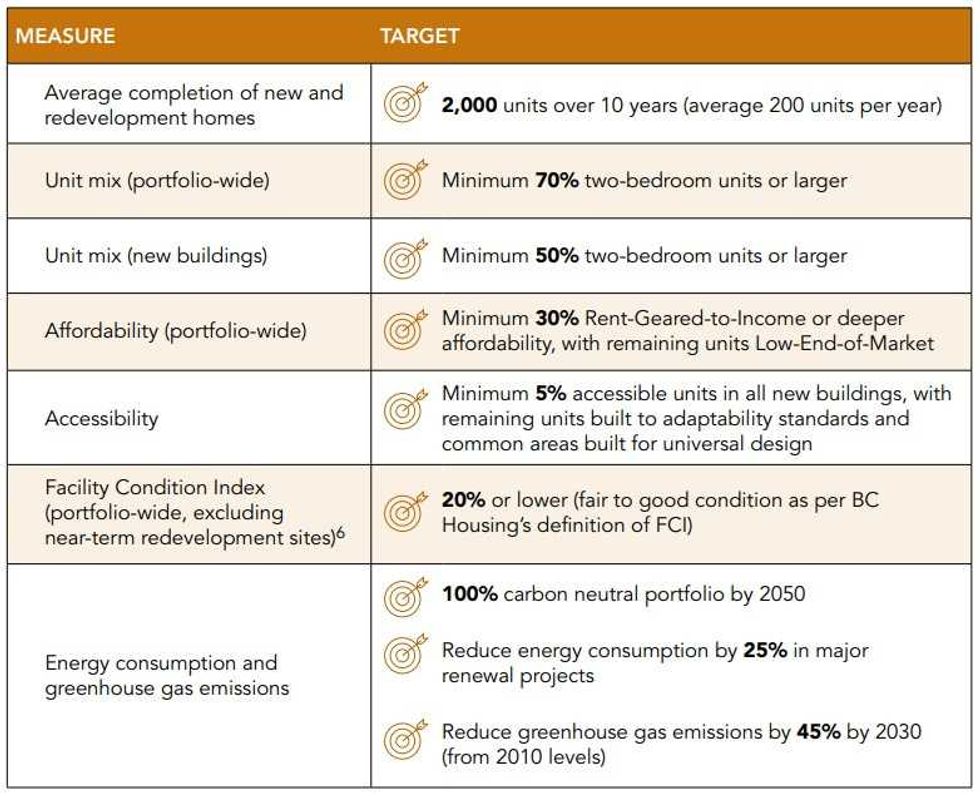 Targets under the new 10-year plan. (Metro Vancouver)




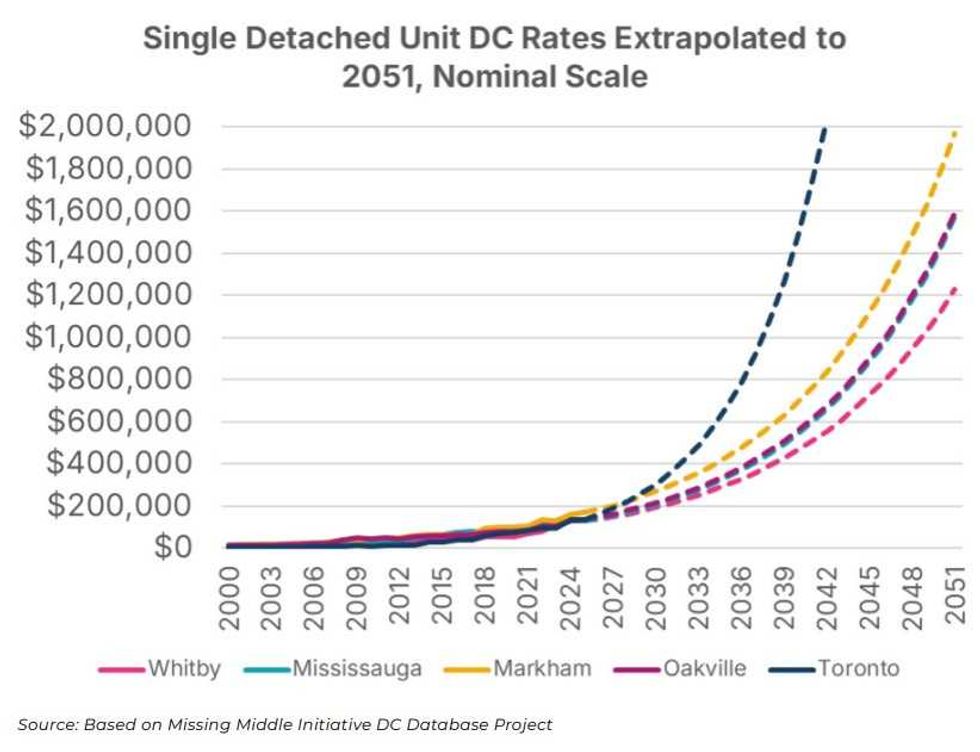 (OREA)
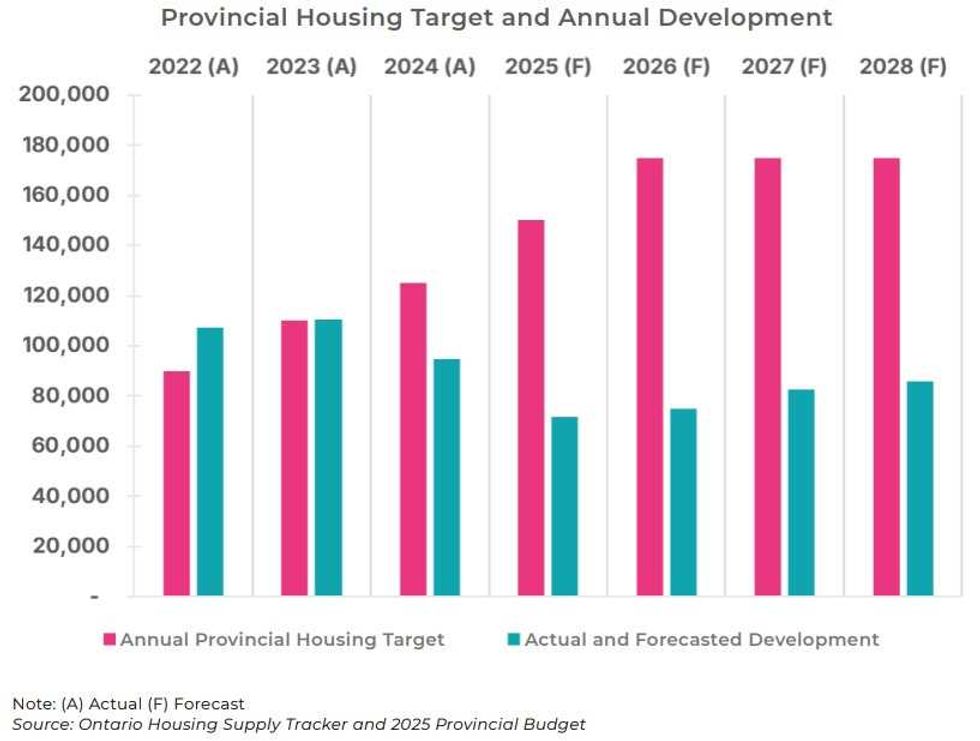 (OREA)

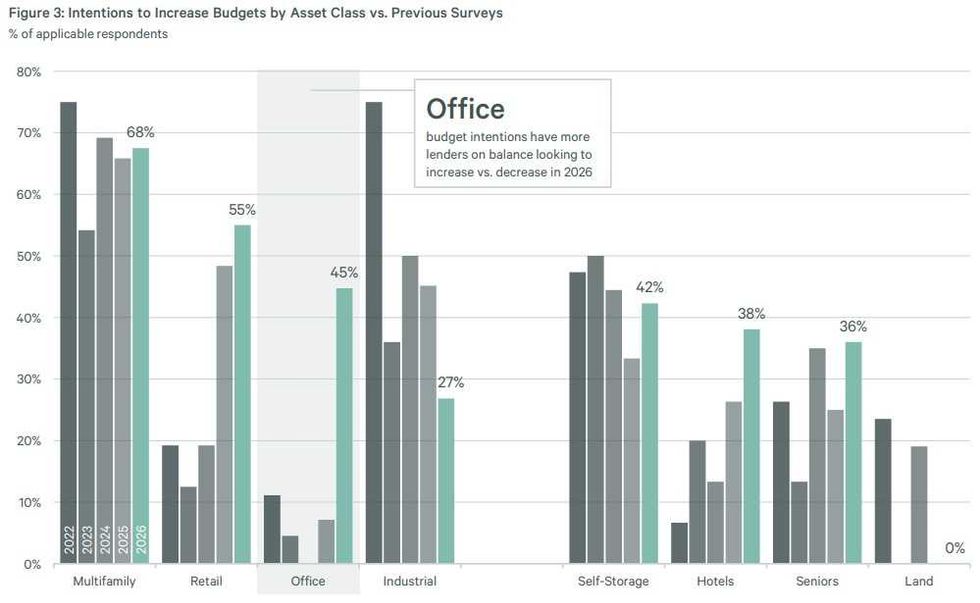 CBRE Canada
 CBRE Canada