Absorption Cost
Learn about absorption cost in Canadian real estate — what it includes, how it's calculated, and its role in pricing and planning.

June 27, 2025
What is Absorption Cost?
Absorption cost in real estate refers to the total cost per unit or square foot of space, including direct and indirect costs, that is recovered through rents or sales.
Why Absorption Cost Matters in Real Estate
In Canadian property development and management, absorption cost helps determine rental rates, pricing strategy, and project feasibility.
Components may include:
- Construction and land costs
- Financing costs
- Marketing and leasing expenses
Understanding absorption cost supports accurate budgeting and financial planning.
Example of Absorption Cost in Action
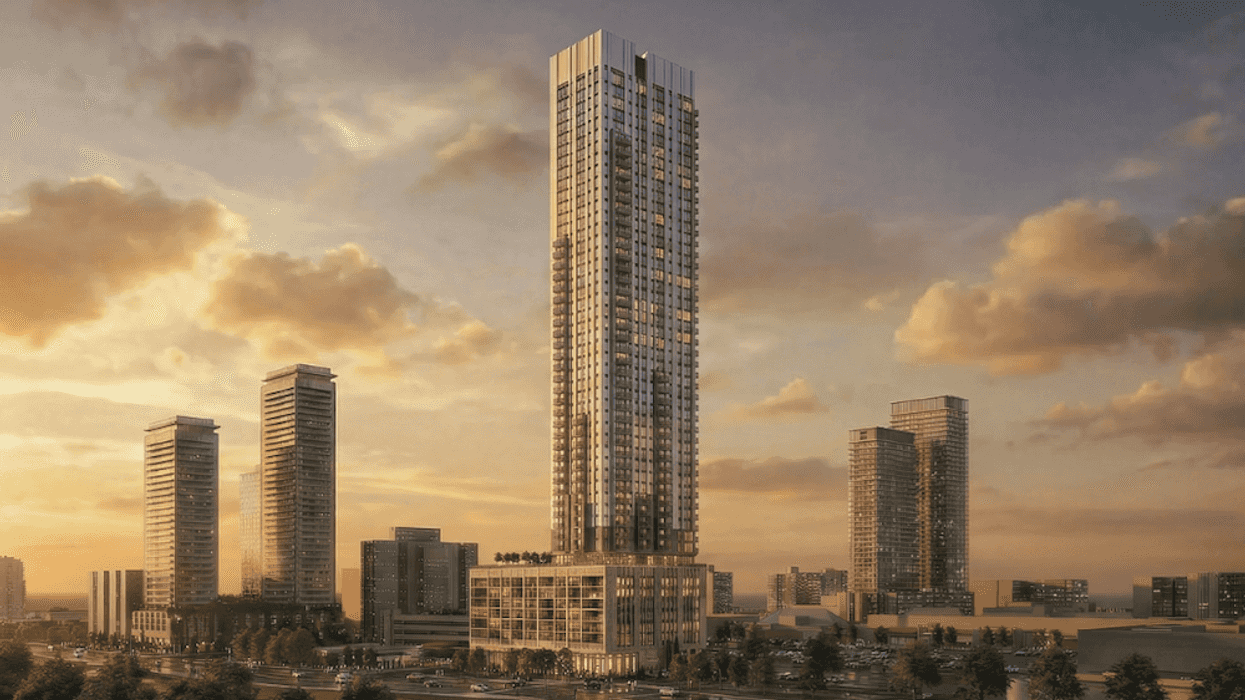
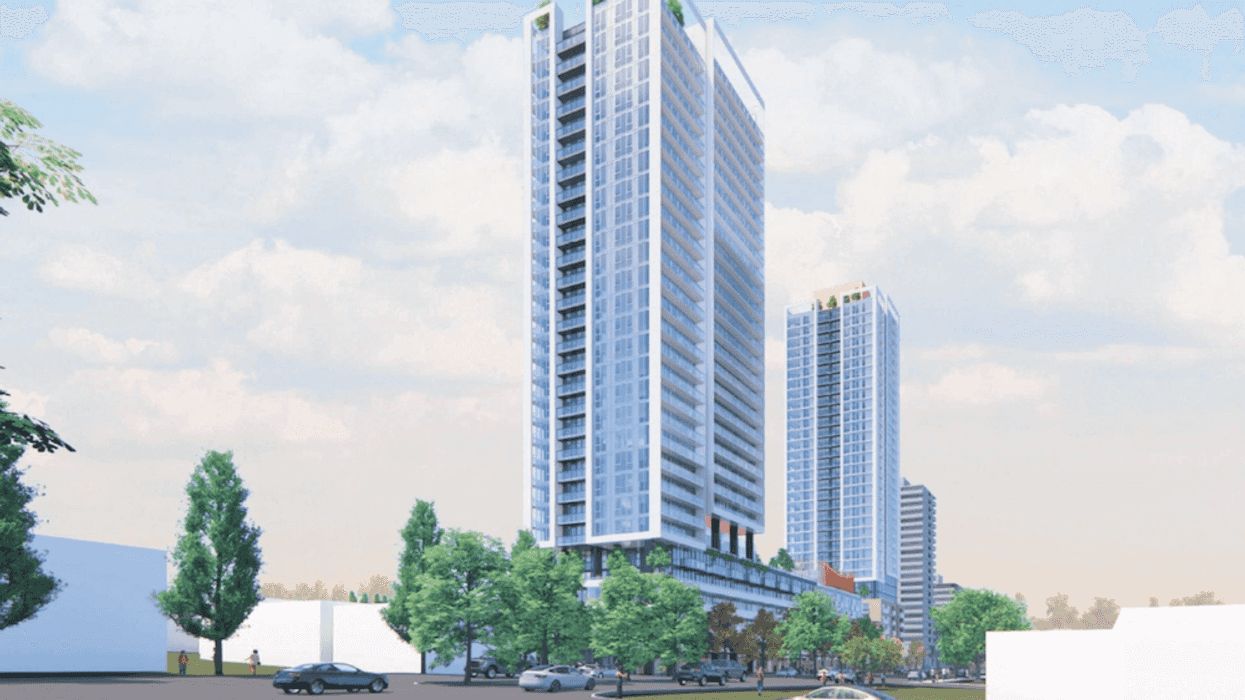
The developer calculated the absorption cost of the new condo units to set pricing that would ensure project profitability.
Key Takeaways
- Includes all costs recovered through sales or rent
- Helps set rental rates or sales prices
- Supports project financial planning
- Accounts for direct and indirect costs
- Key in development feasibility analysis
Related Terms
- Absorption Rate
- Construction Loan
- Operating Costs
- Budgeting
- Market Value

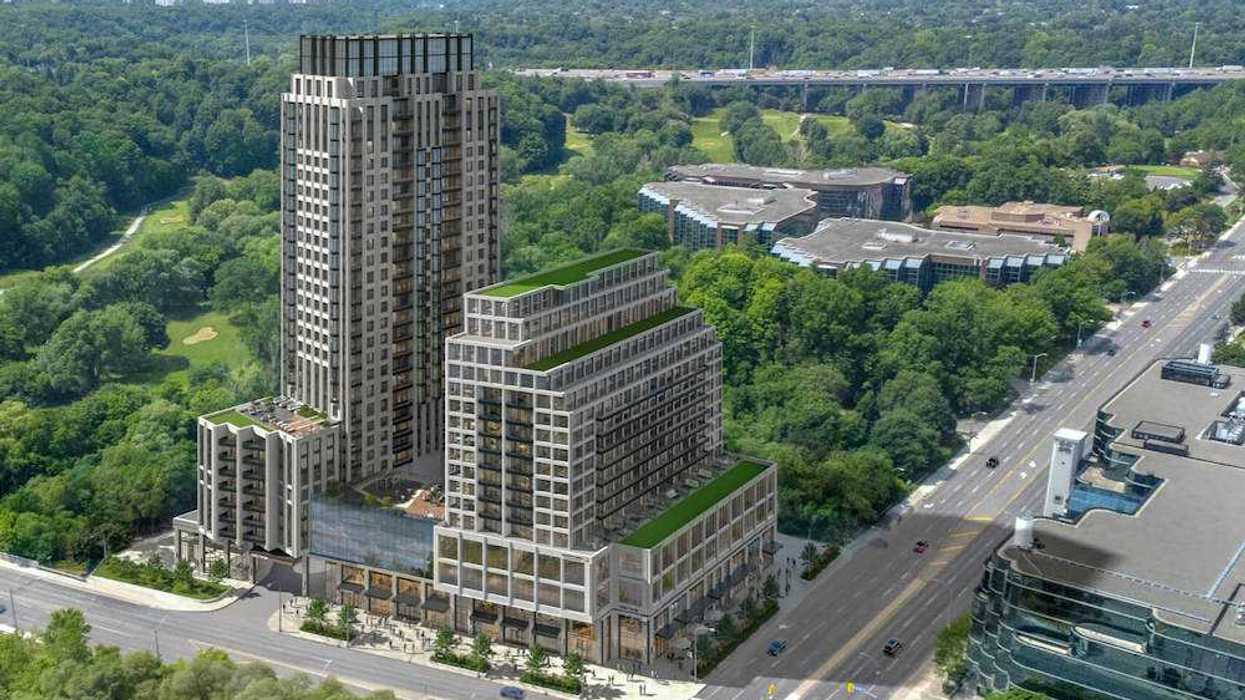
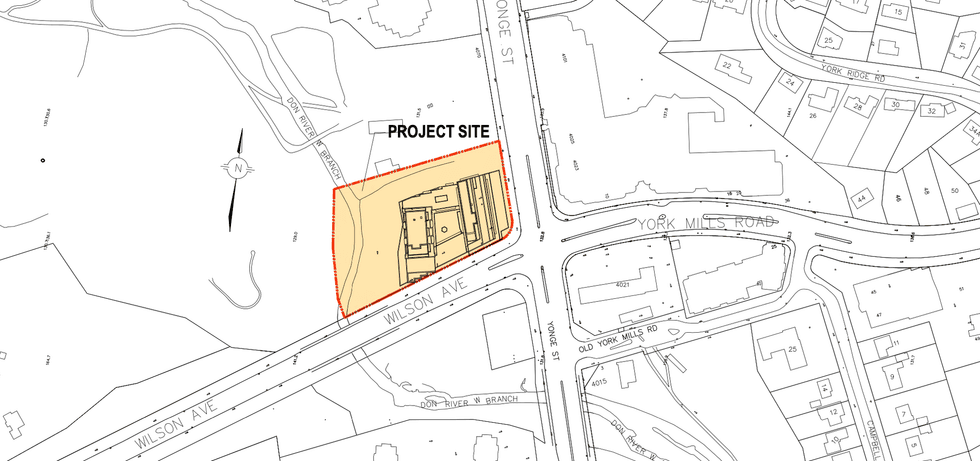 Context plan scale/Arcadis
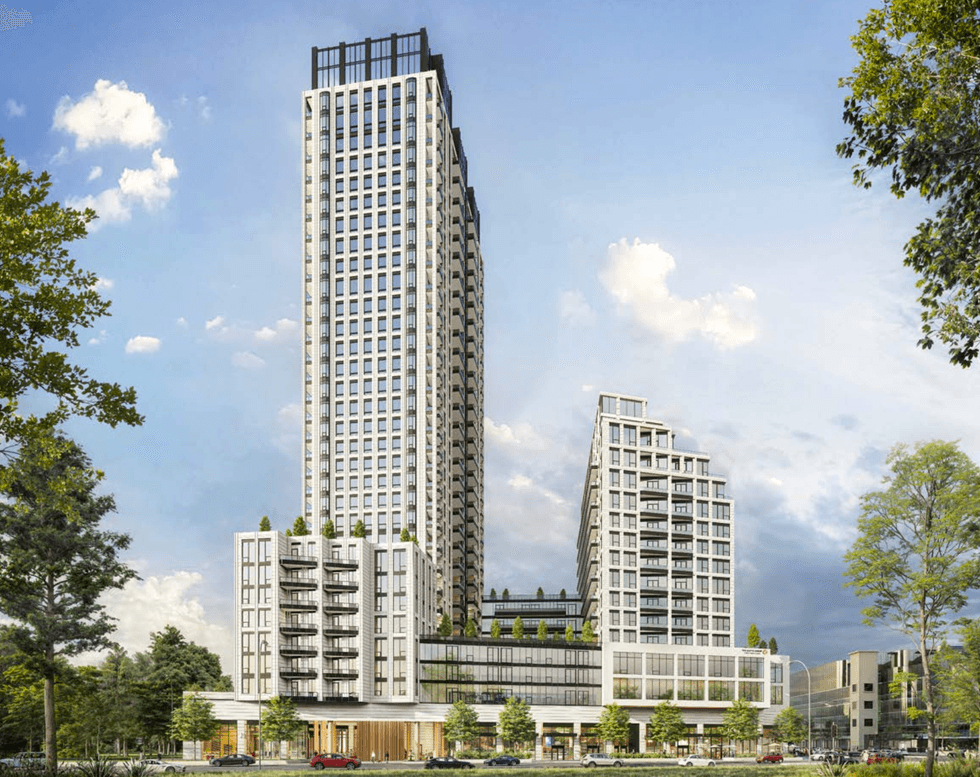 Rendering of 4050 Yonge Street/Arcadis

 Manuela Preis/Instagram


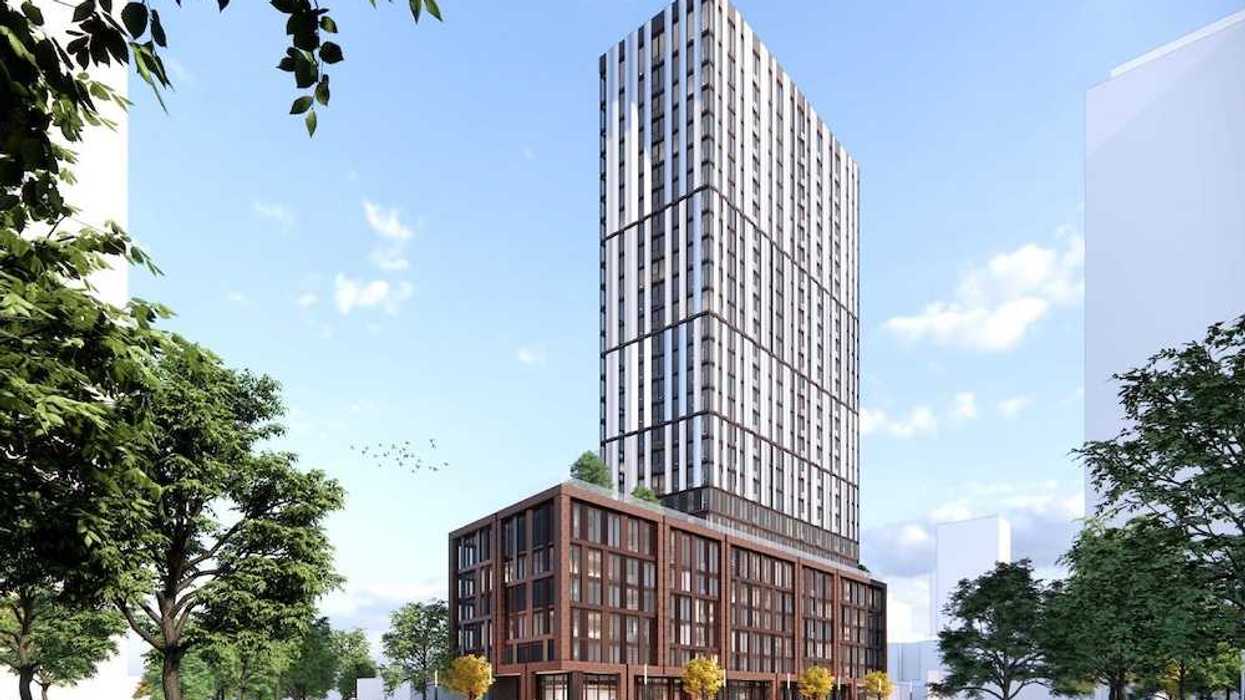
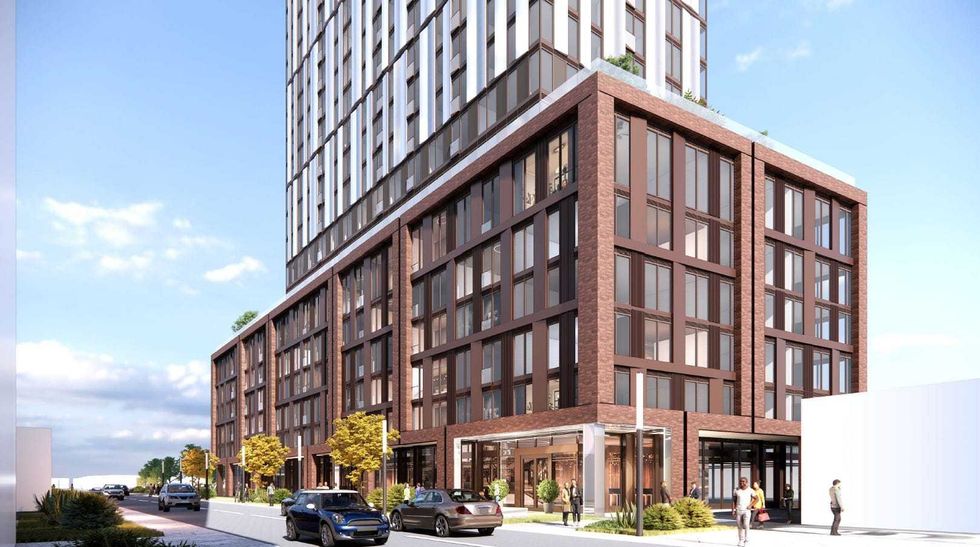
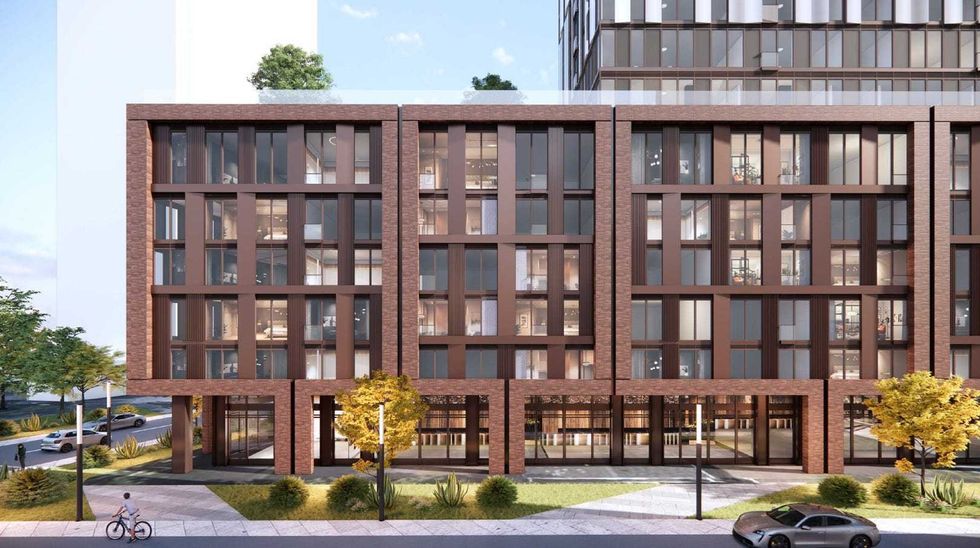 Ground-level renderings of the proposal for 34-70 Montgomery Avenue. (Turner Fleischer, Graywood Developments)
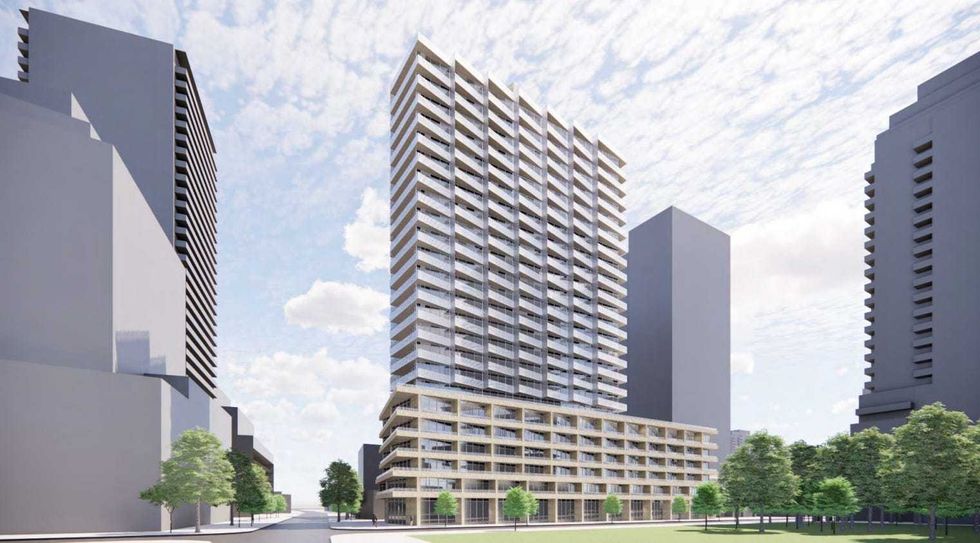 The previous proposal for 34-70 Montgomery Avenue. (RAW Design, First Capital REIT)