Shear Wall

Learn about shear walls in Canadian construction, how they provide structural stability against lateral forces like wind and earthquakes.
Shear Wall


What are Shear Walls?

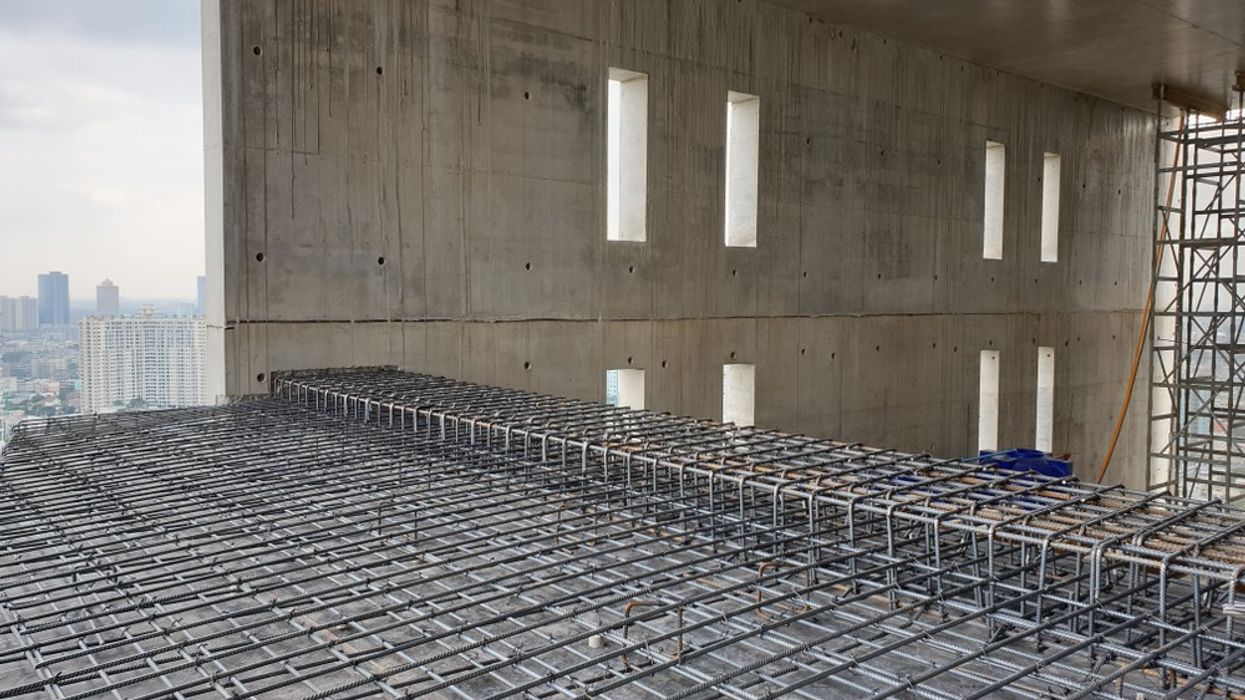
A shear wall is a vertical structural element designed to resist lateral forces such as wind or earthquakes, helping stabilize a building and prevent deformation.

Why Do Shear Walls Matter in Real Estate?

In Canadian real estate and construction, shear walls are a key part of seismic and wind-resistant design, especially in multi-storey buildings.


Shear walls provide:
  • Resistance against horizontal forces
  • Structural rigidity and load distribution
  • Support for upper floors and roofs


They are typically constructed from reinforced concrete, wood framing with plywood sheathing, or steel.


Understanding shear walls is essential for developers and engineers working in regions prone to high winds or seismic activity.

Example of Shear Walls in Action

In a Vancouver apartment building, shear walls are installed on exterior sides to provide lateral support in case of earthquakes.

Key Takeaways

  • Resists wind and earthquake forces.
  • Found in mid-rise and high-rise buildings.
  • Provides rigidity and prevents lateral collapse.
  • Built from reinforced or braced materials.
  • Required in seismic construction zones.

Related Terms

Additional Terms

Public Realm Improvements

Public realm improvements are enhancements to public spaces such as sidewalks, parks, plazas, and streetscapes, often funded or contributed by. more

Mortgagee in Possession

A mortgagee in possession is a lender who takes control of a property after borrower default, but before foreclosure or power of sale. The lender. more

Lease Surrender Agreement

A lease surrender agreement is a negotiated contract between a landlord and tenant that ends a lease before its scheduled expiration. Terms may. more

Green Infrastructure

Green infrastructure refers to natural or engineered systems that manage stormwater, reduce heat, and improve sustainability in developments.. more

Escrow Holdback

An escrow holdback is a portion of funds withheld at closing and held in escrow until specific conditions are met, such as completion of repairs,. more

Underused Housing Tax

The Underused Housing Tax (UHT) is a federal annual 1% tax on the value of vacant or underused residential property owned by non-resident,. more

More For You

10 Major Metro Vancouver Developments Set To Complete In 2026

A rendering of Phase One of Sen̓áḵw, set to complete this year. (OPTrust, Nch’ḵay̓)

This is a very significant moment in time for the real estate industry. New construction has slowed to a crawl due to a confluence of factors, including economic conditions, elevated construction costs, tariffs, and buyer sentiment.

It's typical for developers to have projects at various stages, however, at present, many development projects are still lingering under construction — namely, the last wave that reached the construction phase before the market downturn.

Keep ReadingShow less
With Residential Construction "Collapsing" In Ontario, Structural Reform Is The Fix

Ontario’s residential construction sector is not just slowing — it is collapsing under the weight of a policy, cost, and confidence crisis that has been decades in the making.

RESCON’s latest pre-budget submission to the province lays it bare, noting that a literal perfect storm of factors has come together to create an environment where building homes that builders can manage to build — and purchasers can afford — is illusory.

Keep ReadingShow less
Confident In Office, Europro JV Buys 7.8-Acre Yonge Corporate Centre From Cadillac Fairview

The Yonge Corporate Centre at 4100–4150 Yonge Street in Toronto. (Europro)

After first listing the Yonge Corporate Centre three years ago, pulling the listing, then re-listing the property this time last year, Toronto-based Cadillac Fairview has finally completed a sale of the sprawling office property.

In late January, Toronto-based commercial property management company Europro announced that they had partnered with Arista, Fieldgate Commercial, and Paradise Commercial to acquire the Yonge Corporate Centre, but did not disclose details about the transaction or ownership split.

Keep ReadingShow less
Preparing Your Home For Sale: The Complete Guide

Unsplash

This article was written and submitted by Cameron Levitt, a Toronto-based real estate agent with RE/MAX Hallmark who writes about housing dynamics, market trends, and offers practical advice for buyers and sellers.

You wouldn't show up to a first date in dirty clothes, or walk into a job interview with your CV scribbled on a napkin. So why would you sell your biggest asset without the same level of care?

Keep ReadingShow less
Bank Of Canada Holds Interest Rate Steady In First 2026 Announcement

Bank of Canada/X

On Wednesday, the Bank of Canada held its policy rate at 2.25%, following a series of cuts in 2025 that brought the benchmark overnight rate to its current level.

Leading up to the announcement, many major Canadian banks — including RBC, TD, and CIBC — came into 2026 expecting the Bank to maintain a steady policy stance.

Keep ReadingShow less

In a city that’s no stranger to architectural ambition, 44 Foxley Street still manages to stand apart.

Tucked into the Trinity Bellwoods neighbourhood, the residence is a sculptural rethink of what contemporary urban living can look like.

Keep ReadingShow less

If 2025 was about waiting things out, 2026 is about finding out what still works.

Experts across development, construction, investment, and beyond say the real estate industry appears to be moving from pause to pressure-testing.

Keep ReadingShow less
After Years Of Remote Work, Toronto’s Office Market Is Heating Up

In early January, the Ford government’s return-to-office (RTO) mandate took effect, ordering 60,000 public servants back to the office. The move culminates more than a year of RTO mandates from big names in tech and finance, reaching a fever pitch in late 2025, and has put a significant amount of pressure on Toronto’s office market.

The trend is reversing years of near-stagnant activity in the downtown commercial real estate scene, which took a big hit from COVID-era work-from-home policies. And it comes as companies are advocating for increased productivity and workplace camaraderie, alongside needing to justify massive investments in costly office spaces.

Keep ReadingShow less