Market Value

Learn what market value means in Canadian real estate, how it’s determined, and why it’s essential for pricing, financing, and smart investing.

Market Value


What is Market Value?

Market value is the estimated price a property would sell for on the open market, assuming both buyer and seller are knowledgeable, willing, and acting without pressure.

Why Market Value Matter in Real Estate

In Canadian real estate, market value serves as the benchmark for pricing, financing, taxation, and investment decisions. It reflects the true worth of a property based on factors such as:
  • Location and neighbourhood trends
  • Recent comparable sales (comps)
  • Property condition and features
  • Market supply and demand
  • Economic conditions and interest rates

Market value is determined through appraisals, Comparative Market Analyses (CMAs) by REALTORS®, or buyer/seller negotiation. It's distinct from assessed value (used for property tax) and listing price (seller's asking amount).

Understanding market value helps sellers set realistic prices, prevents buyers from overpaying, and enables lenders to ensure that a mortgage doesn’t exceed the property’s worth. Investors also rely on accurate market valuations to assess return potential and risk exposure.

In competitive markets, emotional bidding can inflate sale prices above market value, increasing risk for buyers if a lender’s appraisal doesn’t align. Buyers should always seek professional valuation guidance before making a final offer.

Example of Market Value

A home is listed at $850,000, but a local REALTOR®’s CMA shows its market value to be closer to $825,000 based on similar recent sales.

Key Takeaways

  • Reflects the price a property would fetch on the open market.
  • Based on local comps, condition, and economic trends.
  • Used by buyers, sellers, lenders, and appraisers.
  • May differ from assessed or listing price.
  • Vital for fair negotiation and financing decisions.

Related Terms

Additional Terms

Public Realm Improvements

Public realm improvements are enhancements to public spaces such as sidewalks, parks, plazas, and streetscapes, often funded or contributed by. more

Mortgagee in Possession

A mortgagee in possession is a lender who takes control of a property after borrower default, but before foreclosure or power of sale. The lender. more

Lease Surrender Agreement

A lease surrender agreement is a negotiated contract between a landlord and tenant that ends a lease before its scheduled expiration. Terms may. more

Green Infrastructure

Green infrastructure refers to natural or engineered systems that manage stormwater, reduce heat, and improve sustainability in developments.. more

Escrow Holdback

An escrow holdback is a portion of funds withheld at closing and held in escrow until specific conditions are met, such as completion of repairs,. more

Underused Housing Tax

The Underused Housing Tax (UHT) is a federal annual 1% tax on the value of vacant or underused residential property owned by non-resident,. more

More For You

GTA Home Sales Rose, New Listings Shrunk In April: TRREB

The GTA housing market logged a mixed April, with home sales rising 7% year-over-year as new listings pulled back — a combination that suggests tighter conditions are beginning to take hold this spring.

Average prices dipped again, but early signs of month-over-month stabilization may give fence-sitters something to think about.

Keep ReadingShow less
Ontario Doesn't Have A Land Problem, It Has A Policy Problem

Unsplash

For years, the conventional wisdom around housing affordability in Ontario has been built on a flawed premise: that land is scarce, and high prices are simply the inevitable result of too little space and too much demand.

But the evidence tells a different story.

Keep ReadingShow less
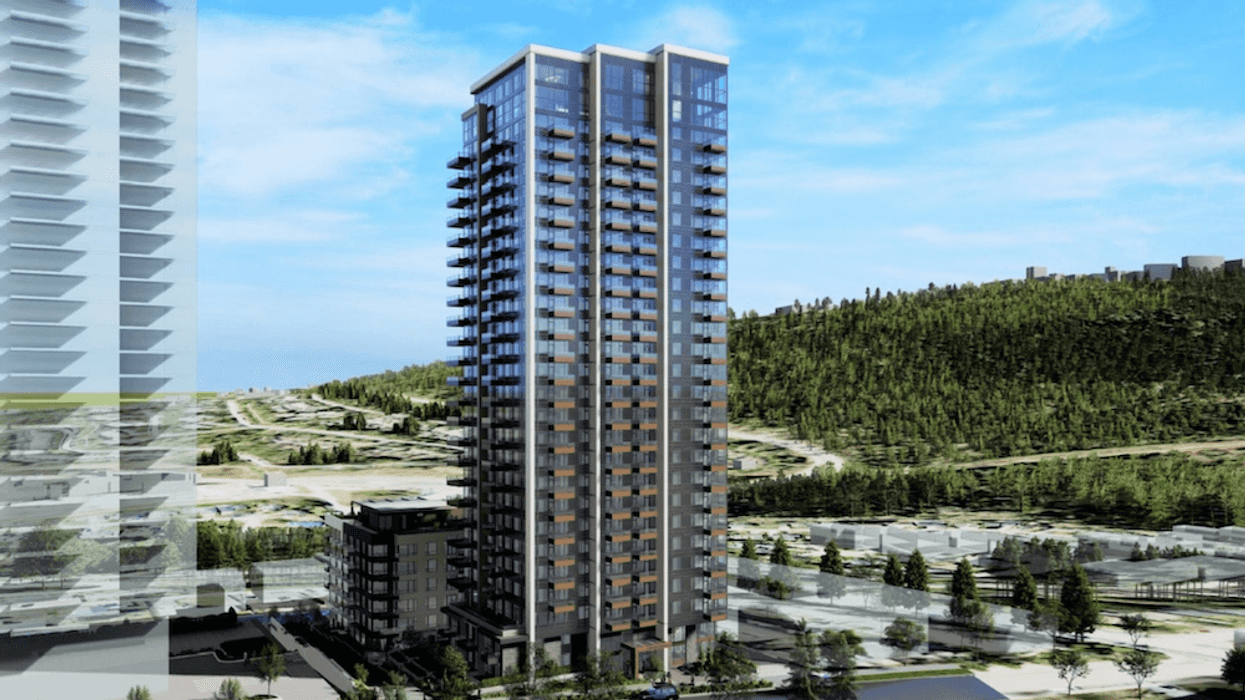
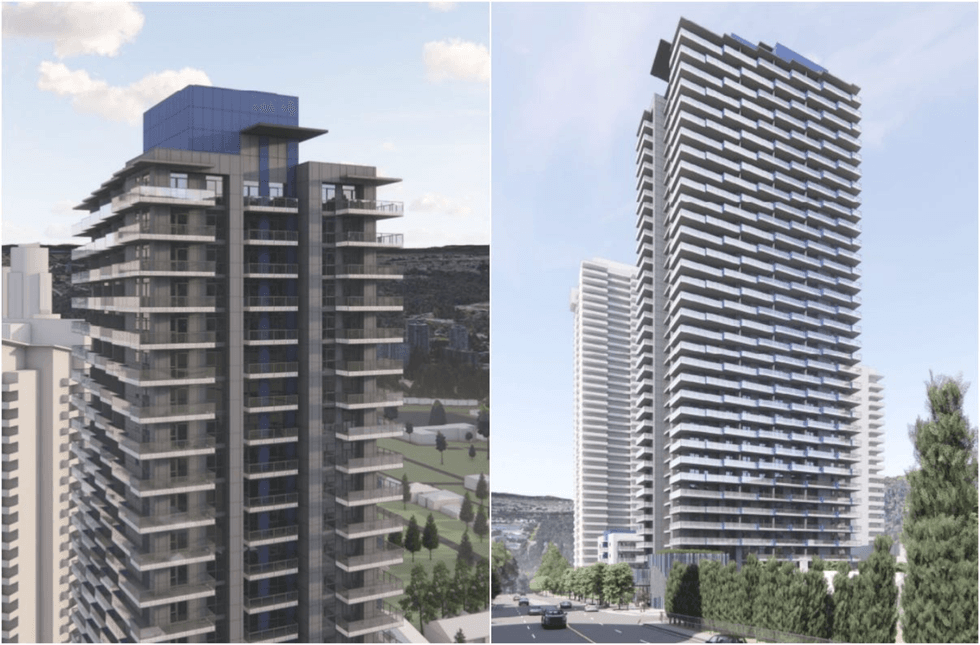
StreetSide Proposing 35-Storey Condo Tower, 6-Storey Rental In Burquitlam

The 400-unit project is set for 602, 606, 610 Tyndall Street and 605, 611, 615 Claremont Street in Coquitlam and consists of 339 strata units and 61 rental units.

On Monday, Coquitlam City Council advanced a new rezoning application by StreetSide Developments, a subsidiary of Qualico, for a new high-rise tower in the Burquitlam neighbourhood of Coquitlam.

The site of the project is 602, 606, 610 Tyndall Street and 605, 611, 615 Claremont Street: A 1.1-acre land assembly consisting of three single-family lots on Claremont Street and three single-family lots on Tyndall Street, on the northern side of Como Lake Avenue near the intersection with Clarke Road.

Keep ReadingShow less
Bank Of Canada Holds Rate At 2.25% As Housing Activity Stays Muted
Bank of Canada

The Bank of Canada held its overnight rate at 2.25% on April 29, keeping borrowing costs steady as the country navigates a turbulent global backdrop shaped by the conflict in the Middle East and ongoing US trade policy uncertainty.

For Canadian real estate, the decision offers little relief in the near term. The Bank's April outlook paints a cautious picture for housing: activity declined in the fourth quarter of 2025 and remains constrained by slow population growth, economic uncertainty, and affordability challenges that have yet to meaningfully ease. GDP growth is projected at a modest 1.2% for 2026, rising gradually to 1.6% in 2027 and 1.7% in 2028 — a trajectory that suggests any meaningful recovery in housing demand is still some distance away.

Keep ReadingShow less

Virginia Avenue is a quiet residential street in Danforth Village — the kind of block where many homes have been standing for decades.

Coming up in 2022, 83 Virginia Avenue made no attempt to blend in.

Keep ReadingShow less
Demand-Side Interventions Can Reduce Housing Affordability: CMHC

Sarah Baxter/Unsplash

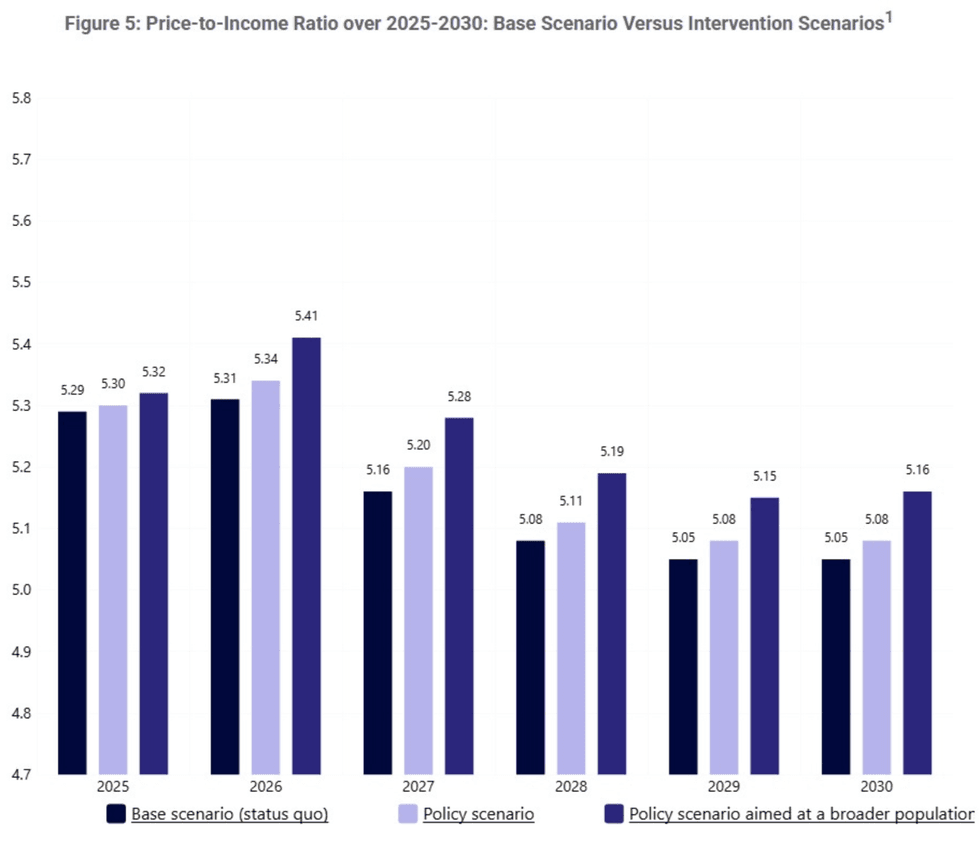
As the housing crisis in Canada became harder (and harder) to ignore, governments big and small have started taking more (and more) action. But not all actions are equal, and some may actually have a negative impact on housing affordability.

As complicated as the housing crisis may be, it really comes down to the basic law of supply and demand: If demand increases while supply stays flat, prices will increase.

Keep ReadingShow less
CMHC: Demand-Side Interventions Can Reduce Housing Affordability
GTA New Home Sales Climbed In March (From A Record-Low Bar)​
Toronto skyline before a storm

March new home sales in the Greater Toronto Area improved year-over-year, but the word "improved" is doing a lot of heavy lifting. There were 948 new homes sold in the GTA last month — up significantly from March 2025's historic low of 439 units, but still 64% below the 10-year average of 2,659.

In other words: second-worst March on record.

Keep ReadingShow less
How A Downsizing Slowdown Could Affect Young Homebuyers

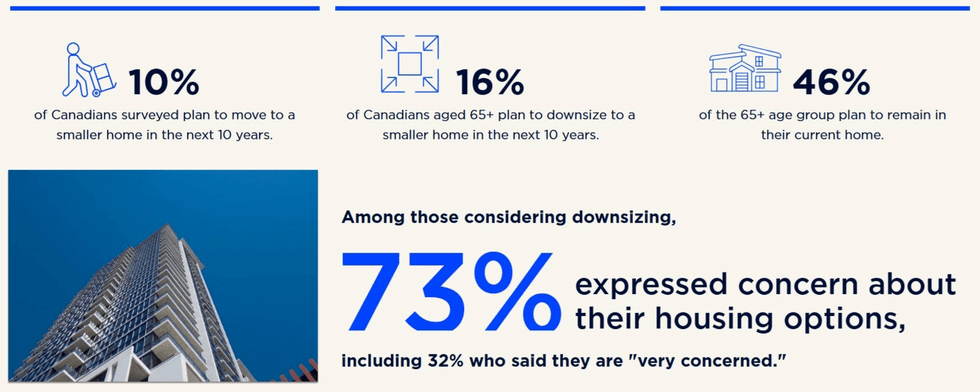
As homeowners age, there is a natural inclination to downsize, whether it be because children have moved out into homes of their own, or for increased accessibility, safety, and convenience.

According to Statistics Canada data from 2024, approximately 7.74 million people — about 18.9% of the total population of Canada — is over the age of 65, and the proportion is expected to increase to about 25% by 2030. Accordingly, a “downsizing wave” is expected, and it could become a significant factor in real estate markets.

Keep ReadingShow less