Land Assembly
Explore land assembly in Canadian real estate — what it is, how it works, and its role in urban redevelopment.
July 29, 2025
What is Land Assembly?
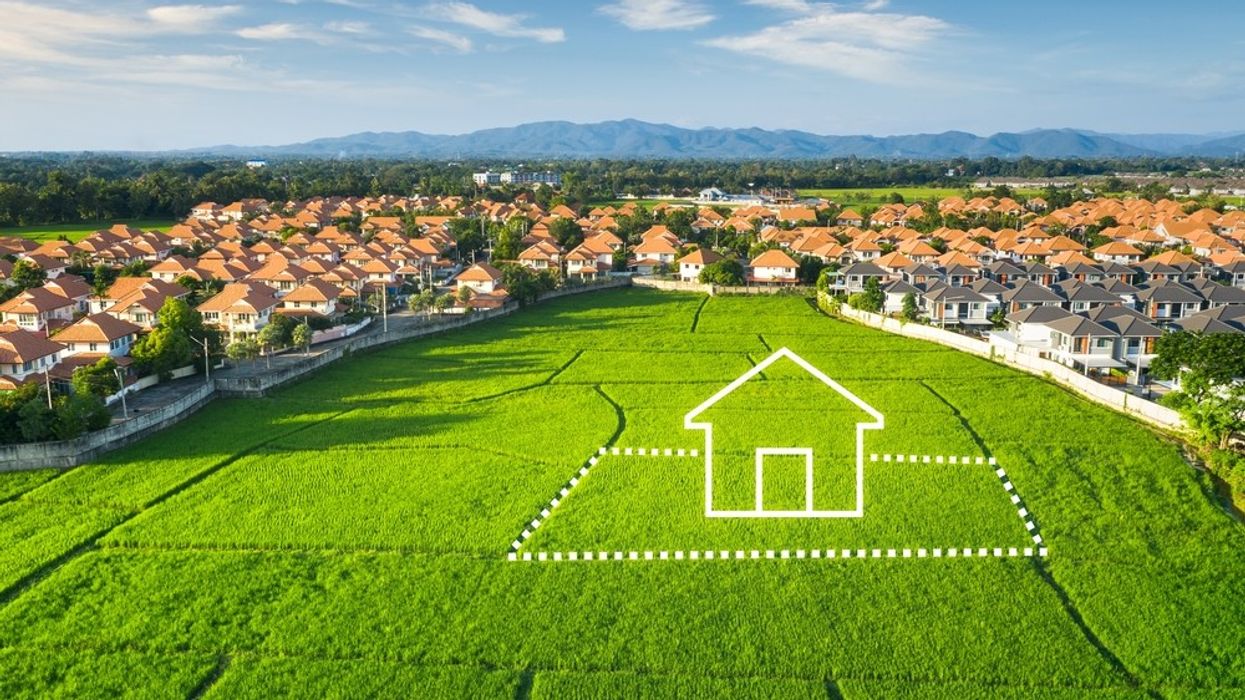
Land assembly is the process of acquiring and consolidating multiple adjacent parcels of land under one ownership, typically for redevelopment or large-scale projects.
Why Land Assembly Matters in Real Estate
In Canadian real estate development, land assembly enables higher-density projects, efficient site planning, and urban intensification.
Key aspects:
- Negotiation with multiple owners
- Zoning and planning approvals
- Often involves rezoning or subdivision
Understanding land assembly helps developers, investors, and municipalities plan major redevelopment initiatives.
Example of Land Assembly in Action
The developer completed a land assembly of five residential lots to build a mid-rise condominium.
Key Takeaways
- Combines multiple parcels into one site
- Enables large-scale redevelopment
- Requires complex negotiation
- Supports urban growth strategies
- May need rezoning approvals
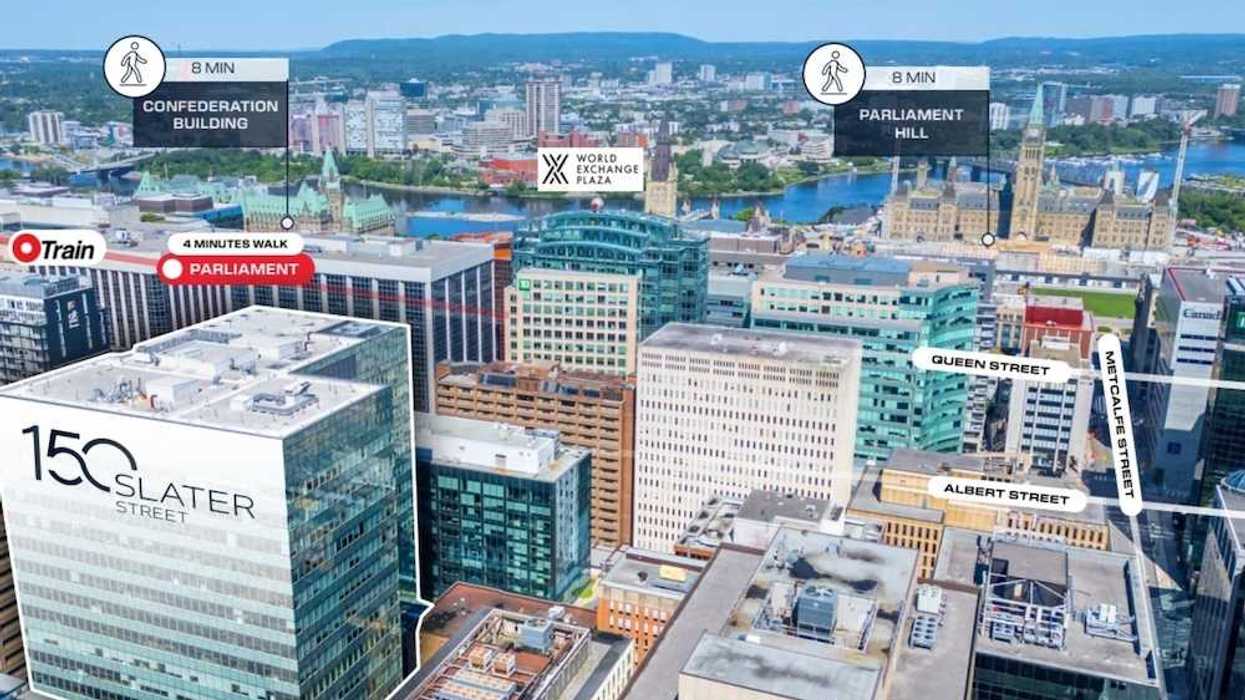
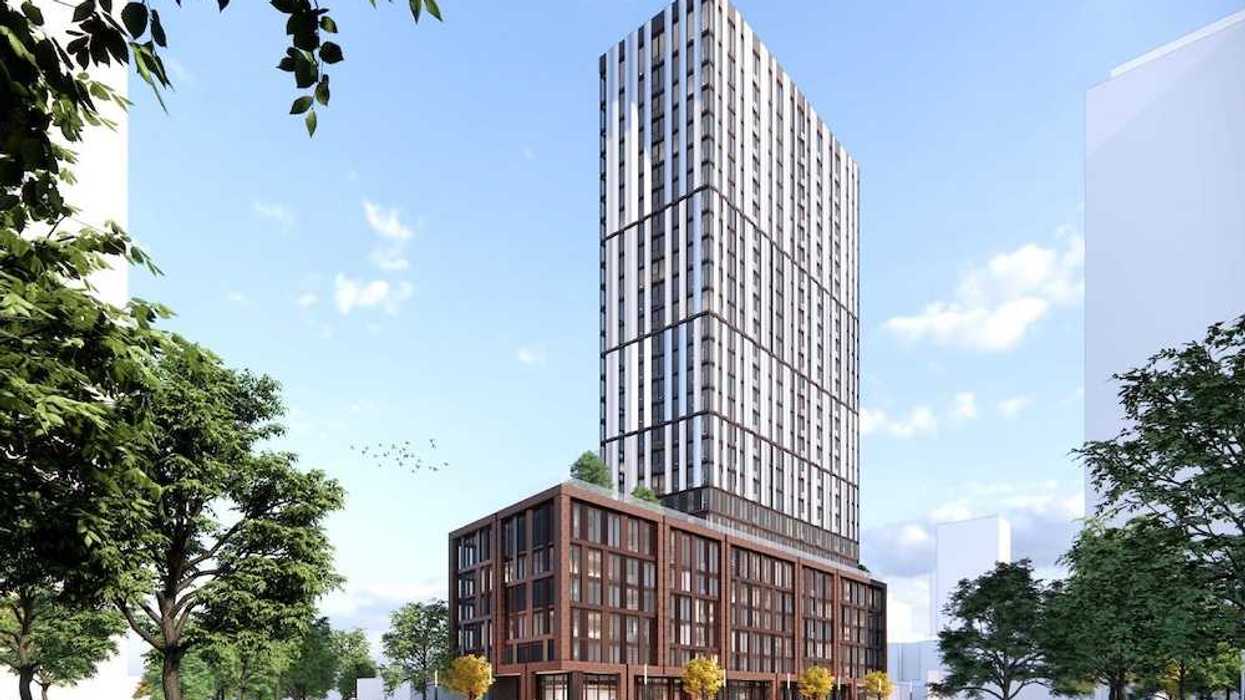
 150 Slater Street in Ottawa. (Regional Group)
 150 Slater Street in Ottawa. (Regional Group)
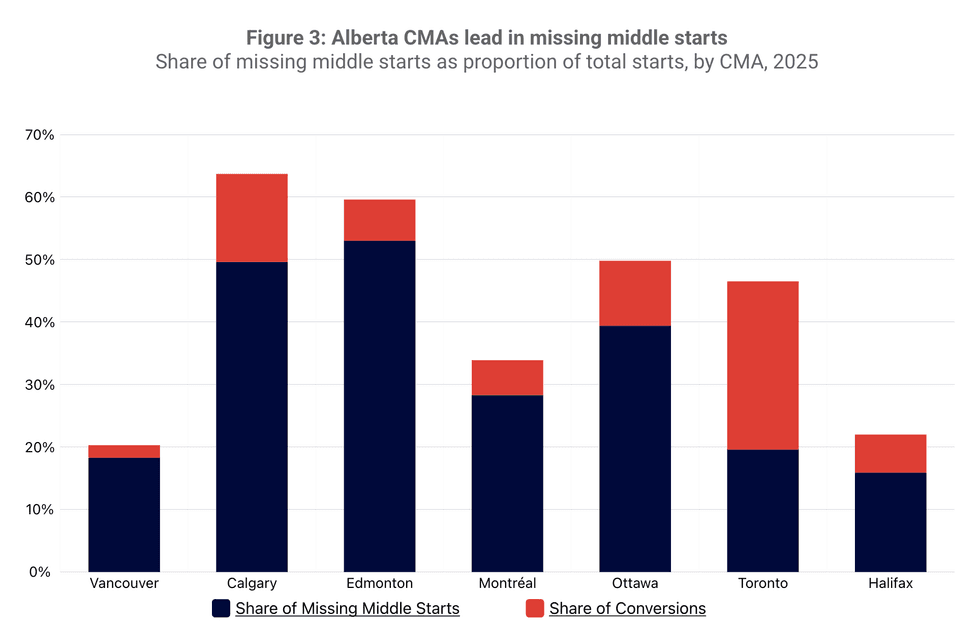 Spring 2026 Housing Supply Report/CMHC
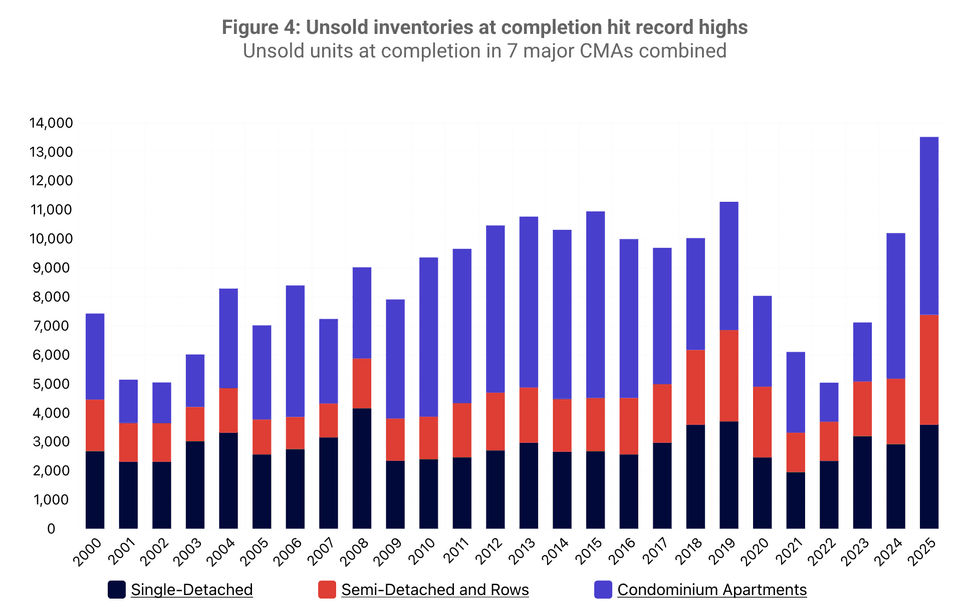 Spring 2026 Housing Supply Report/CMHC


 Manuela Preis/Instagram




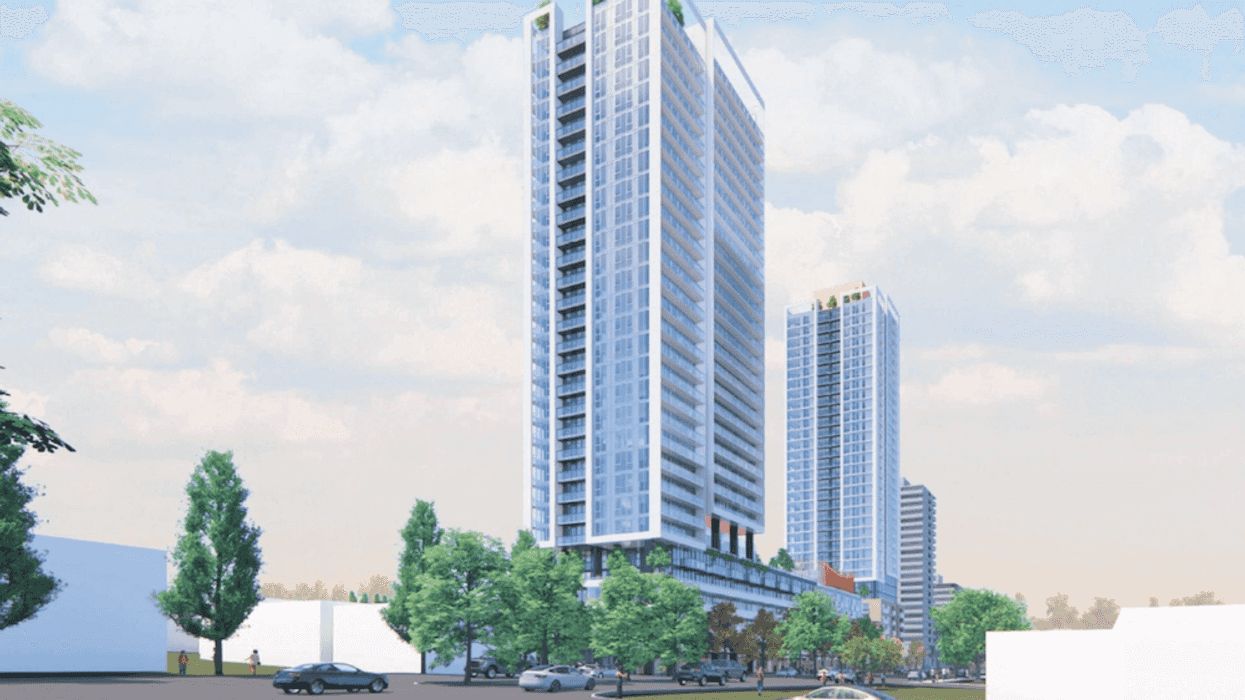
 Renderings of the 65-storey tower previously proposed for 145 Wellington Street West. (Partisans with Turner Fleischer / SKYGRiD)