Home Inspection
Understand the importance of a home inspection in Canadian real estate, what it covers, and how it protects buyers from unexpected repair costs.

May 22, 2025
What is a home inspection?
A home inspection is a professional evaluation of a property's condition, typically conducted before completing a real estate transaction to identify any existing or potential issues.
Why Home Inspections Matter in Real Estate
In Canadian real estate, a home inspection is a critical step for buyers who want to make informed purchasing decisions. It involves a licensed inspector assessing key components such as:- Foundation and structure
- Roof and attic
- Plumbing and electrical systems
- Heating and cooling systems
- Interior and exterior condition
The findings are compiled into a written report that outlines any defects, safety concerns, or maintenance needs. This helps buyers understand the true condition of the home, estimate repair costs, and renegotiate the offer if necessary.
Home inspections are often included as a condition in a buyer’s offer. In competitive markets, some buyers may choose to waive this condition to make their offer more appealing—but doing so increases risk.
Understanding the home inspection process empowers buyers to protect their investment and avoid unexpected post-purchase expenses.
Example of a Home Inspection
Before closing on a semi-detached home in Halifax, the buyer orders a home inspection. The inspector uncovers faulty wiring, prompting the buyer to request repairs or a price reduction.
Key Takeaways
- Evaluates a property’s physical condition and systems.
- Helps buyers make informed decisions and negotiate repairs.
- Typically conducted before closing.
- Can reveal hidden issues not visible during showings.
- Often included as a purchase condition.
Related Terms
- Conditional Offer
- Firm Offer
- Buyer’s Agent
- Property Disclosure
- Appraisal
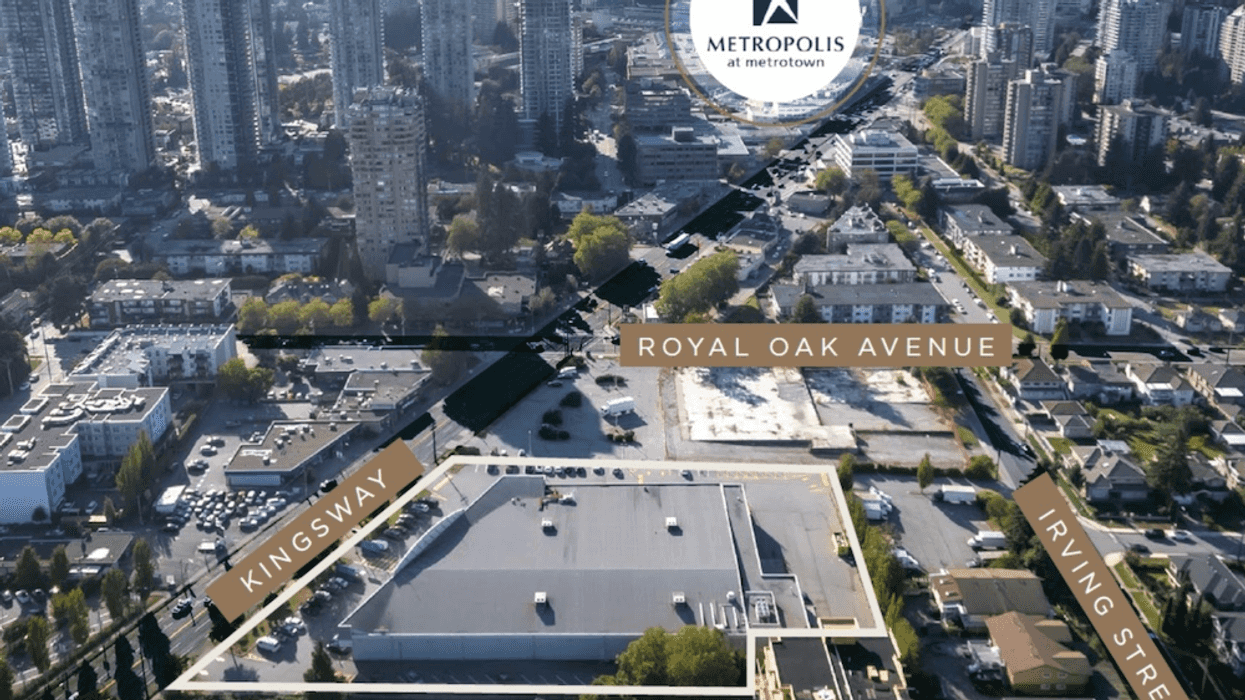
 A preliminary conceptual development for 5335 Kingsway in Burnaby. (Arcadis, JLL)




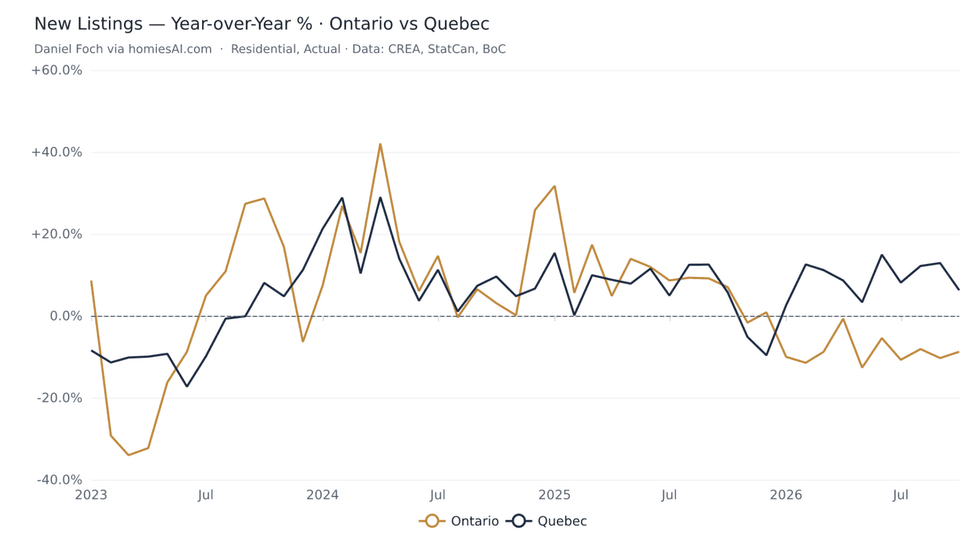 Chart: New listings, year-over-year %, Ontario vs Quebec. Daniel Foch via homiesai.com/stats. Data:
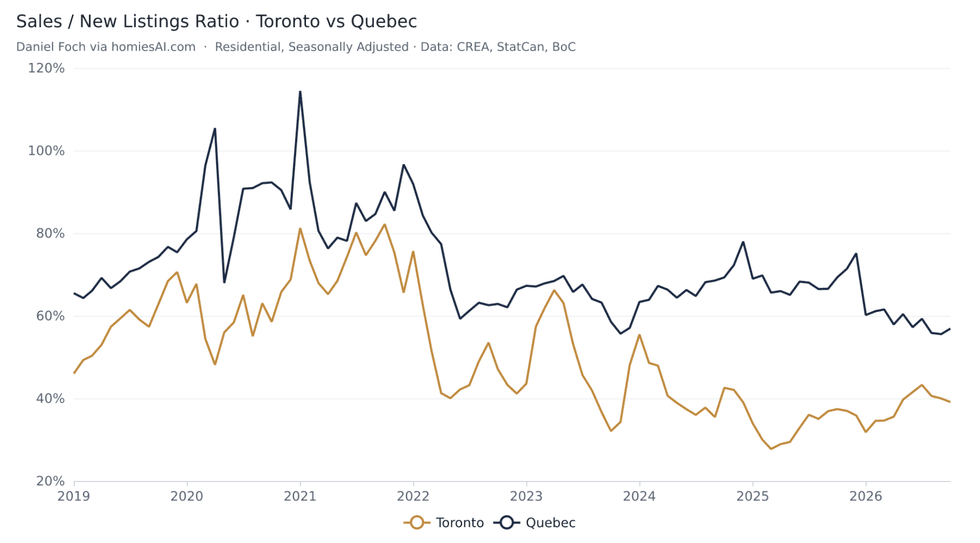 Chart: Sales-to-new-listings ratio, seasonally adjusted. Toronto vs Quebec. Daniel Foch via homiesai.com/stats. Data: CREA.
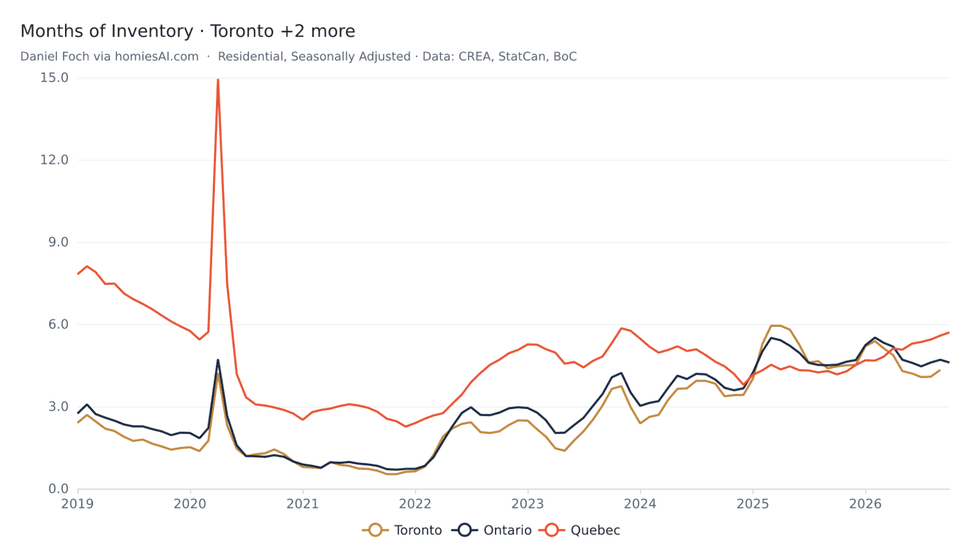 Chart: Months of inventory, seasonally adjusted. Daniel Foch via homiesai.com/stats. Data: CREA.
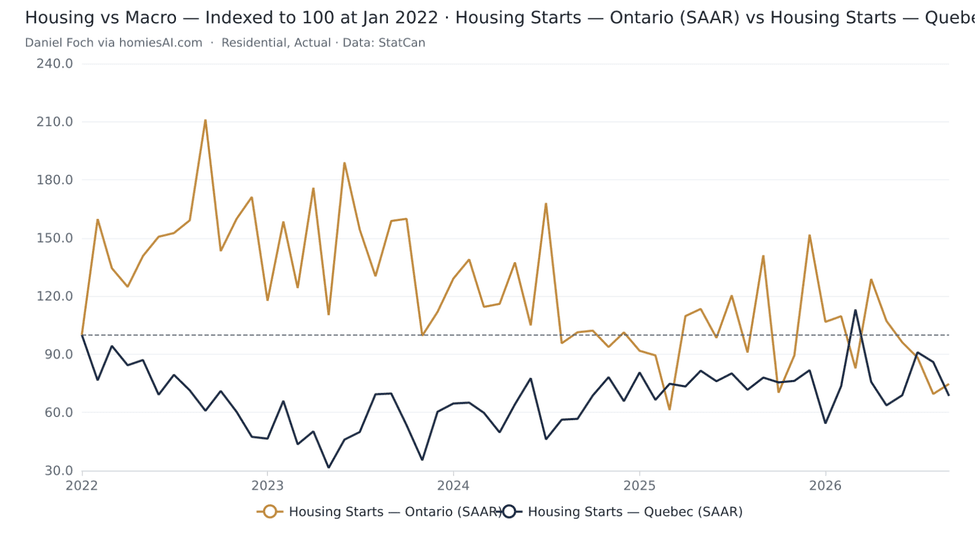 Chart: Housing starts, seasonally adjusted annual rate, Ontario vs Quebec, indexed to January 2022. Daniel Foch via homiesai.com/stats. Data: CMHC via Statistics Canada.
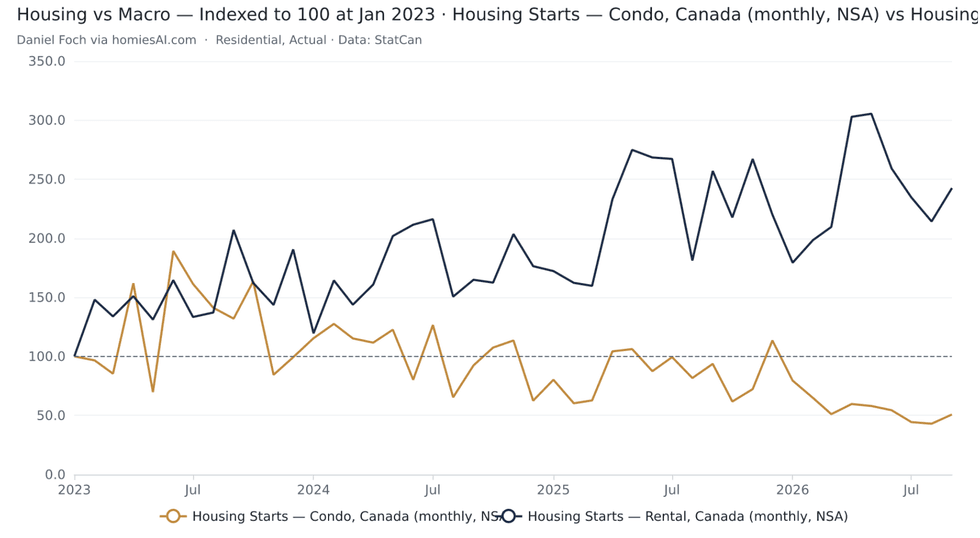 Chart: Condo vs rental housing starts, Canada, indexed to January 2023. Daniel Foch via homiesai.com/stats. Data: CMHC via Statistics Canada.
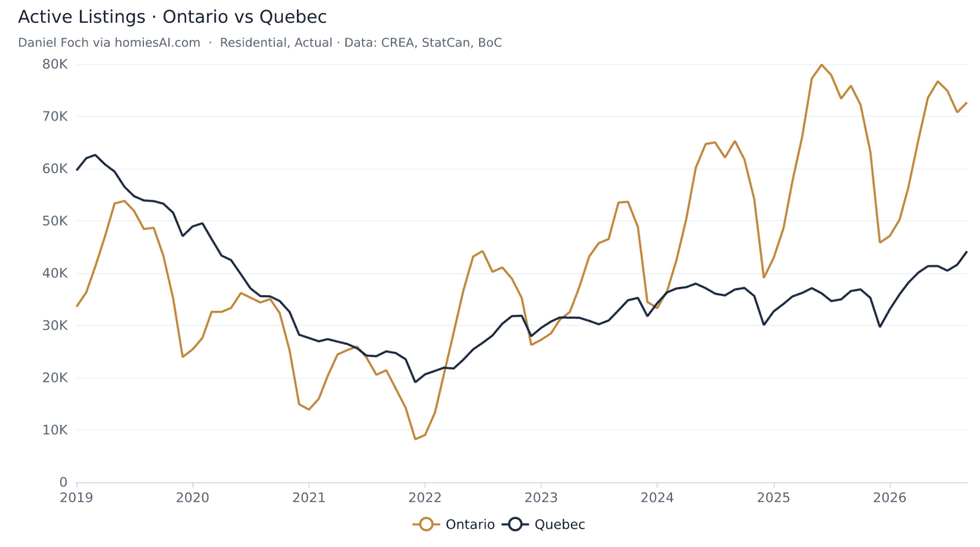 Chart: Active residential listings, Ontario vs Quebec. Daniel Foch via homiesai.com/stats. Data: CREA.

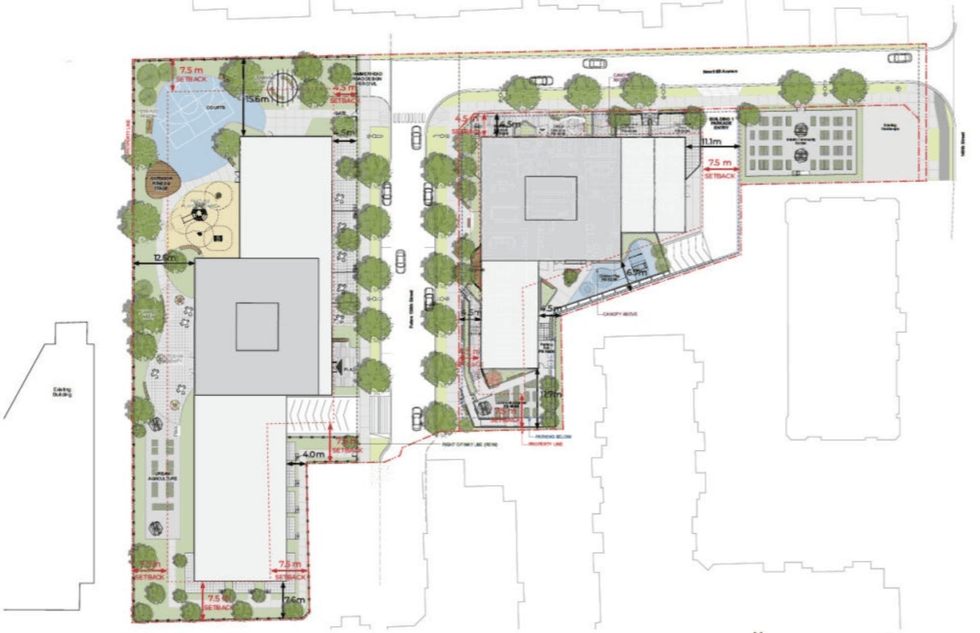
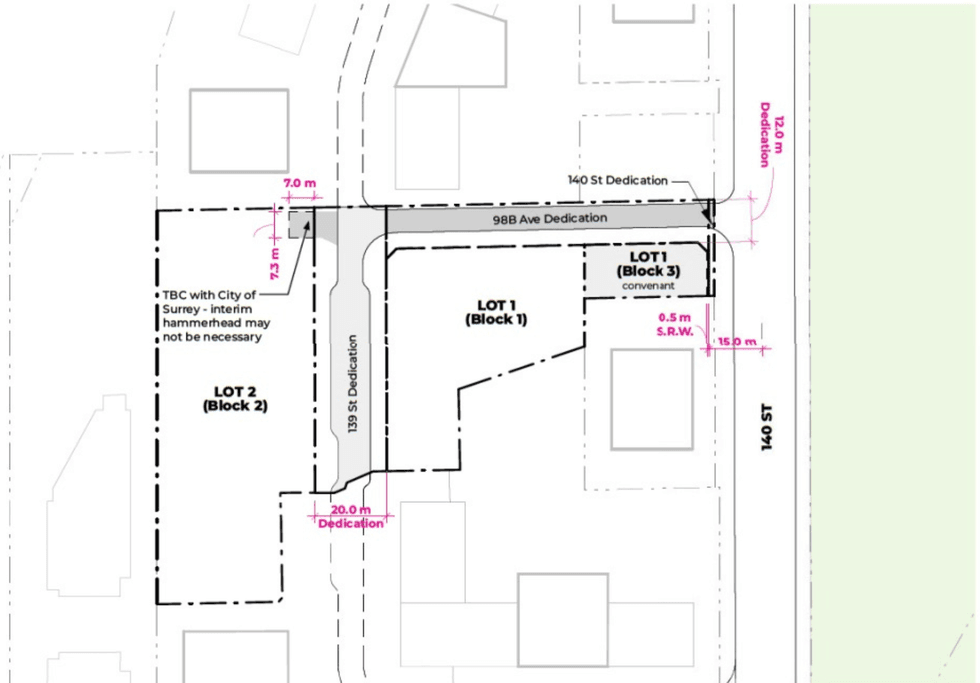 9883 140 Street and the proposed road dedications. (WW+P Architects, Entre Nous Femmes Housing Society)
 The
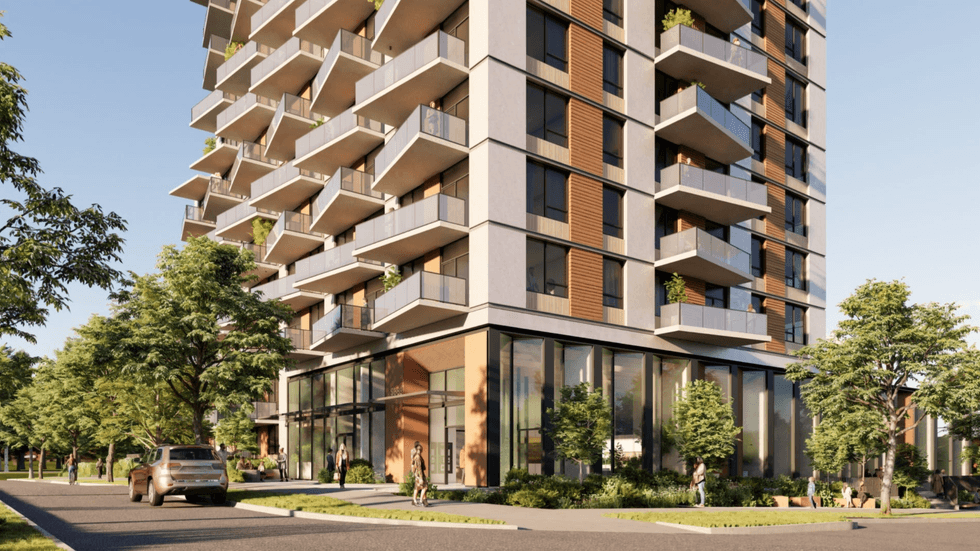 One of the towers proposed for 9883 140 Street. (Entres Nous Femmes Housing Society)

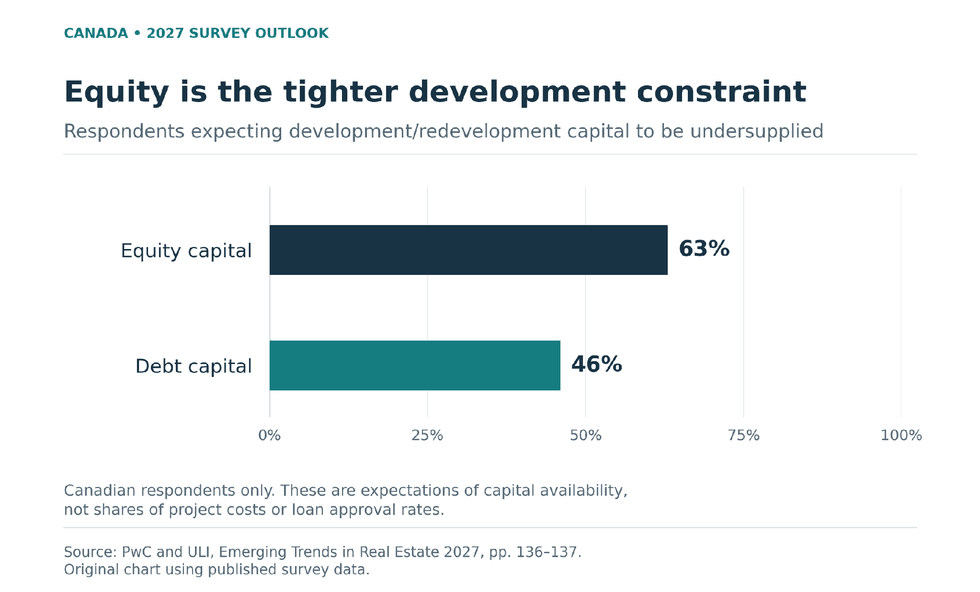 Canadian respondents were more likely to expect an undersupply of development/redevelopment equity capital (63%) than debt capital (46%) in 2027. These are survey expectations, not measured financing volumes. Source: PwC and ULI, Emerging Trends in Real Estate 2027, pp. 136–137. Original chart.
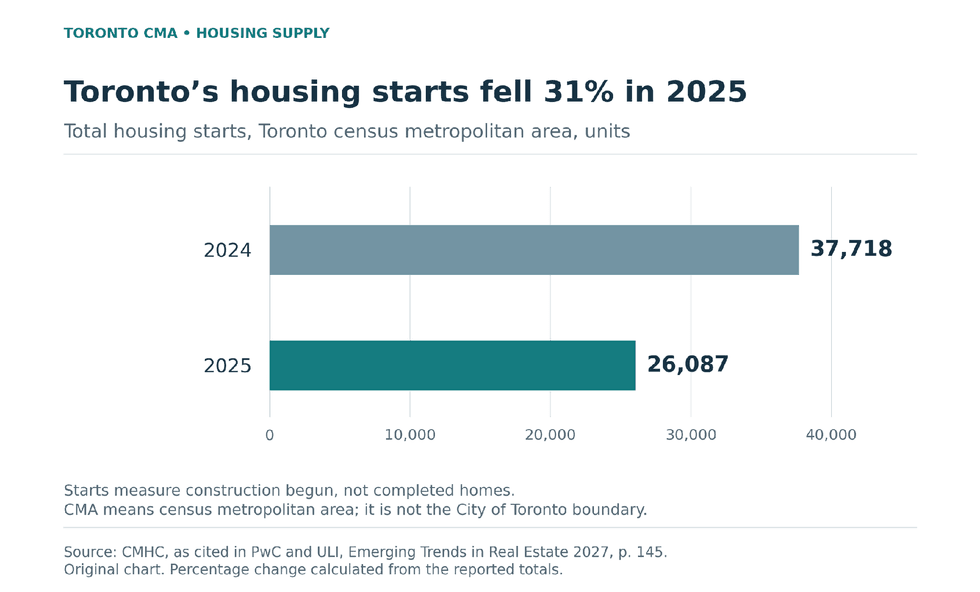 Toronto census metropolitan area housing starts fell from 37,718 units in 2024 to 26,087 in 2025, a 30.8% decline (rounded to 31%). Starts measure construction begun, not completed homes. Source: CMHC, as cited in PwC and ULI, Emerging Trends in Real Estate 2027, p. 145. Original chart.

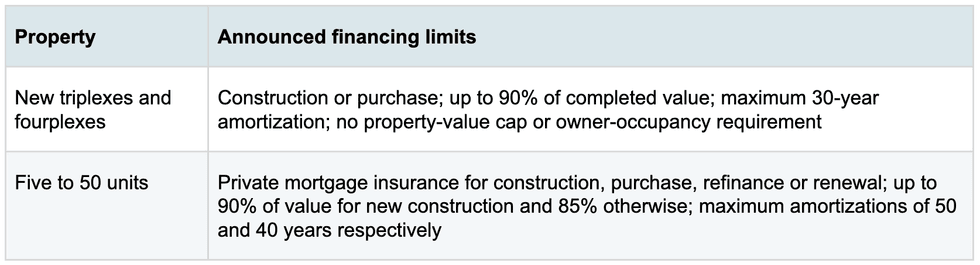
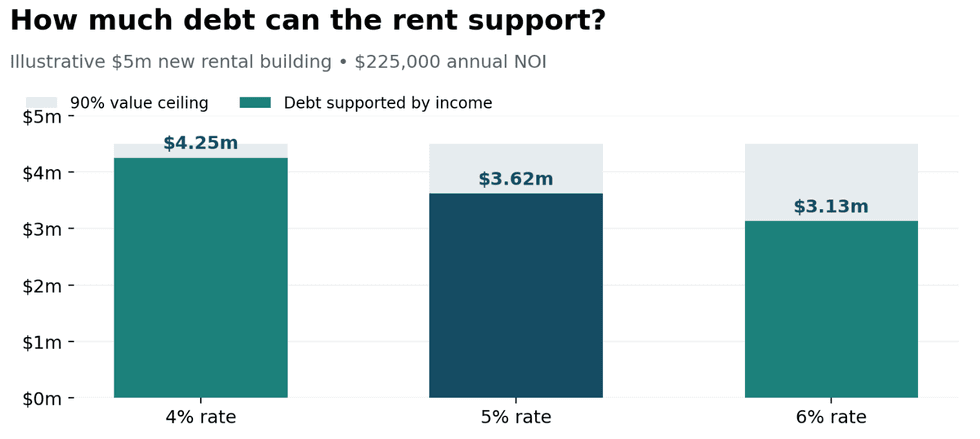 Illustrative calculation: a $4.5-million value ceiling versus income-based capacity of about $4.25 million at 4%, $3.62 million at 5% and $3.13 million at 6%. Assumes 50-year amortization and 1.15 debt coverage.
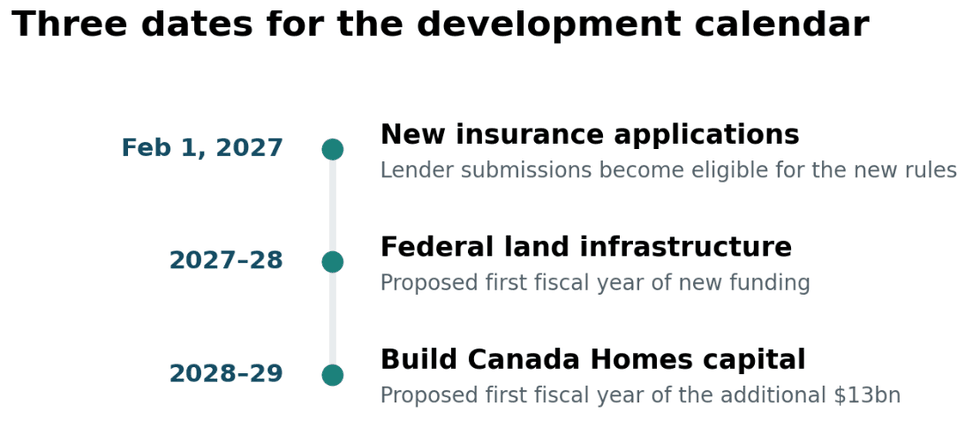 Source: Department of Finance missing-middle backgrounder and Budget 2026 Chapter 3, November 5, 2026. Fiscal-year funding starts are not home-completion dates.

 A rendering of Fraser Academy’s new campus. (Fraser Academy)