First-Time Home Buyer Incentive
Understand Canada’s First-Time Home Buyer Incentive, how it reduces mortgage payments, and what to consider before accepting this shared-equity program.

May 22, 2025
What is the First-Time Home Buyer Incentive?
The First-Time Home Buyer Incentive is a federal shared-equity program that helps eligible Canadians reduce monthly mortgage payments by providing a portion of the home’s purchase price.
Why the First-Time Home Buyer Incentive Matters in Real Estate
Launched by the Government of Canada through CMHC, the First-Time Home Buyer Incentive (FTHBI) aims to improve affordability by contributing 5% or 10% toward a home’s purchase in exchange for an equivalent ownership stake.
Key features:
- 5% for resale homes
- 5% or 10% for new construction
- Must be repaid after 25 years or when the home is sold
- Repayment is based on the home’s current market value
Eligibility criteria include:
- First-time buyer status
- Household income under $120,000 (or $150,000 in select regions)
- Total borrowing amount cannot exceed four times annual income
This incentive lowers monthly mortgage payments without requiring interest payments. However, because the government retains a share of the home’s equity, appreciation or depreciation affects the amount to be repaid.
Buyers should weigh the short-term savings against the long-term equity trade-off and consider how property value changes could impact repayment.
Example of the First-Time Home Buyer Incentive in Action
A buyer receives 10% ($45,000) toward a new home purchase through the FTHBI. Upon selling the home for $550,000, they repay 10% ($55,000) to the government.
Key Takeaways
- Government shares in home equity.
- Lowers monthly mortgage payments.
- Must be repaid based on home’s future value.
- Eligibility based on income and home price.
- Ideal for buyers prioritizing lower monthly costs.
Related Terms
- Shared Equity
- Down Payment Assistance Programs
- CMHC
- Affordability Programs
- Mortgage Qualification

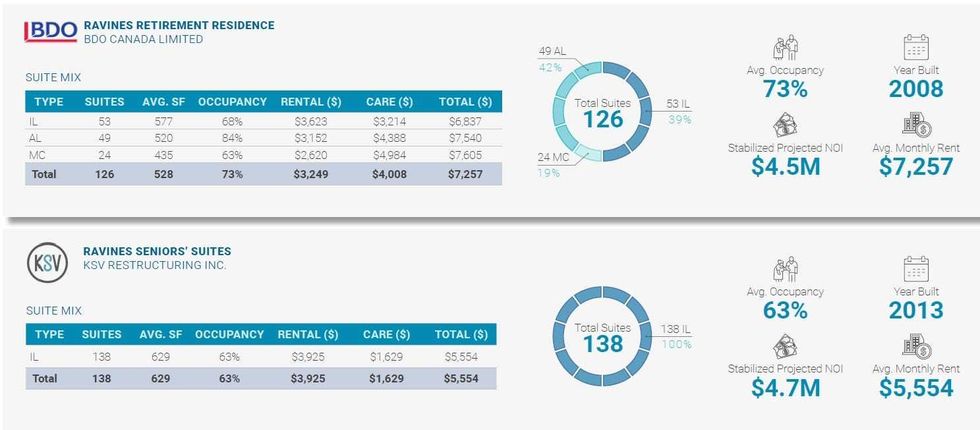 An overview of the two Ravine buildings. (Newmark)

 95 Clegg Road in Markham, Ontario. (Colliers)
 95 Clegg Road (centre) in Markham, Ontario. (Colliers)








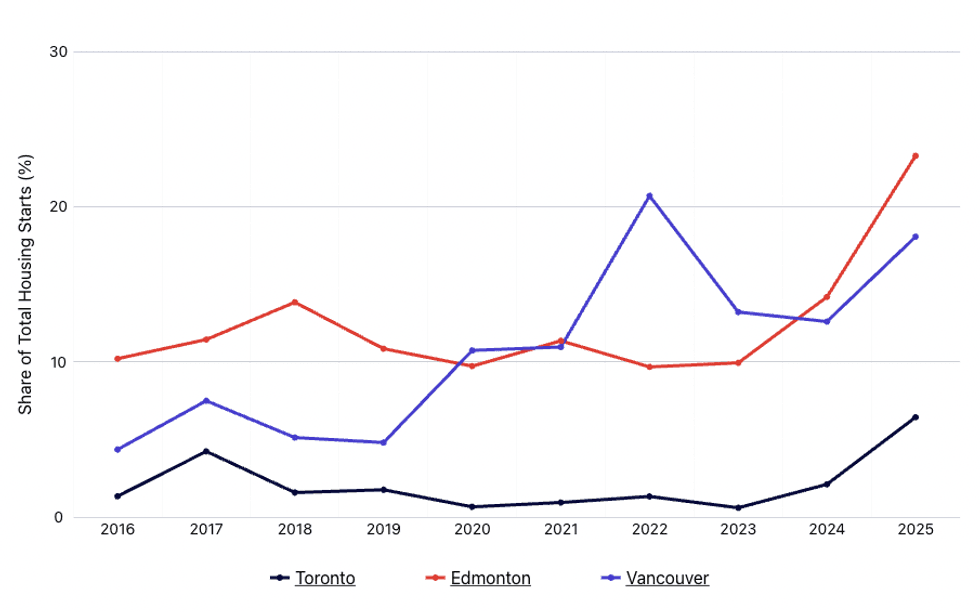 Small-scale infill share of housing starts in Toronto, Vancouver, and Edmonton/CMHC
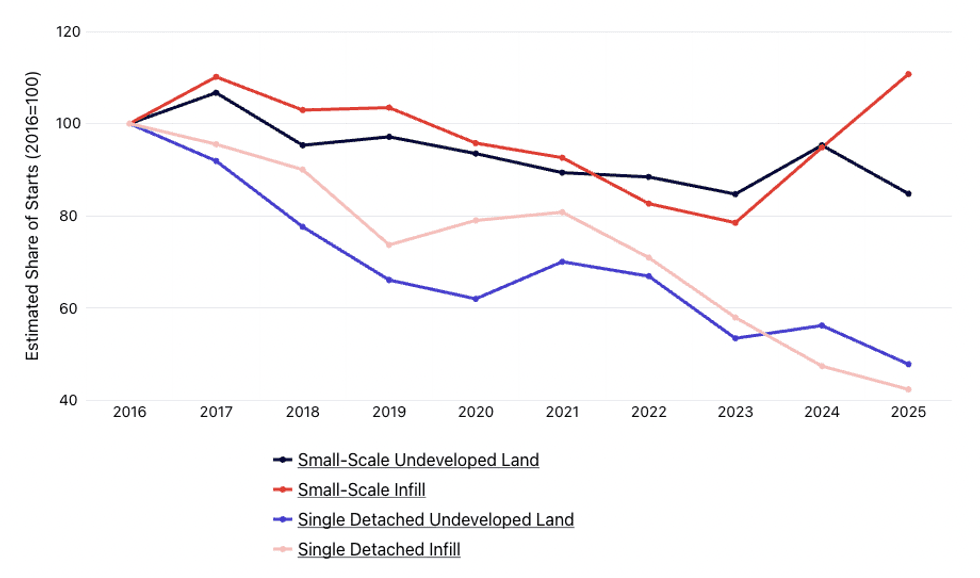 Housing starts for one to eight unit developments/CMHC
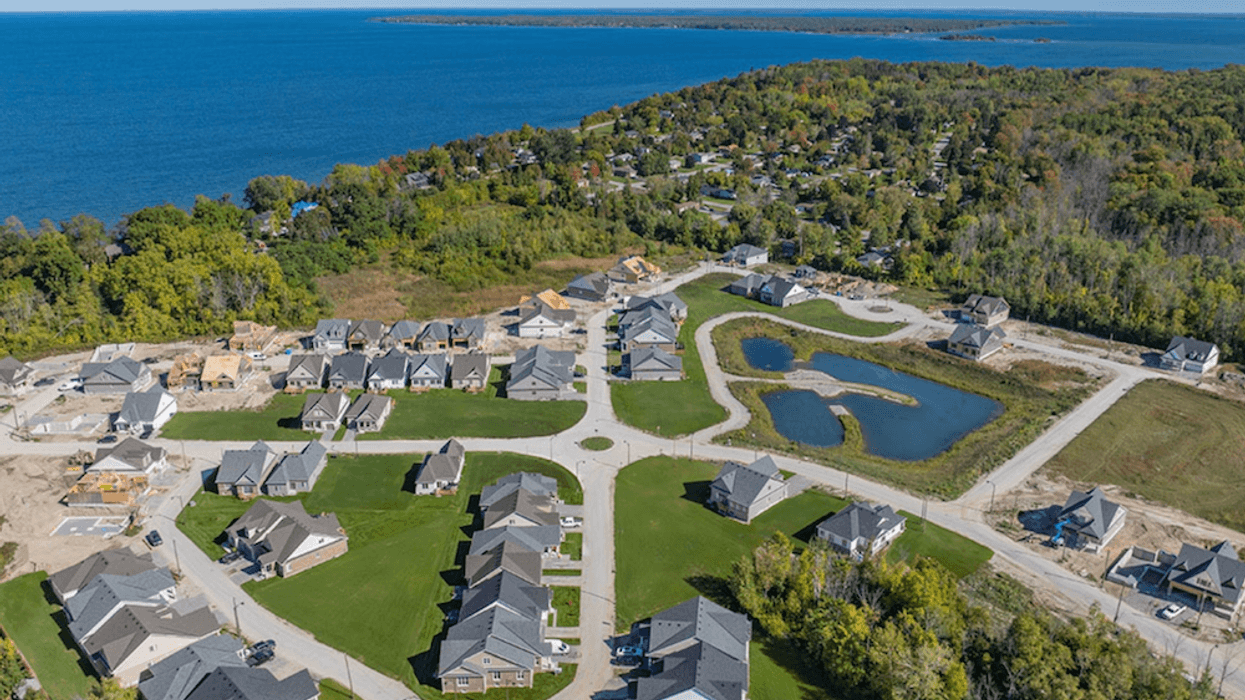
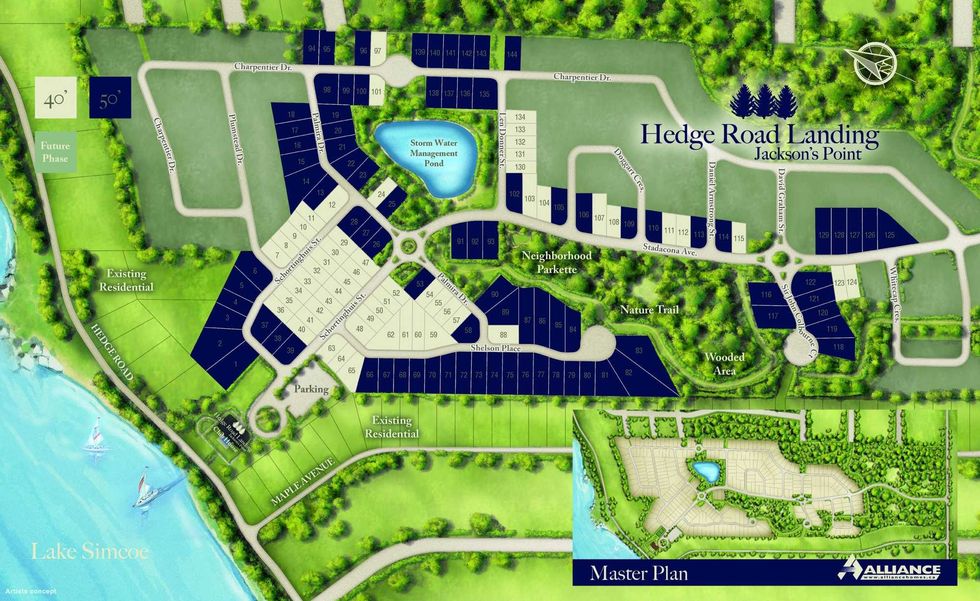 An overview of Hedge Road Landing. (Alliance Homes)

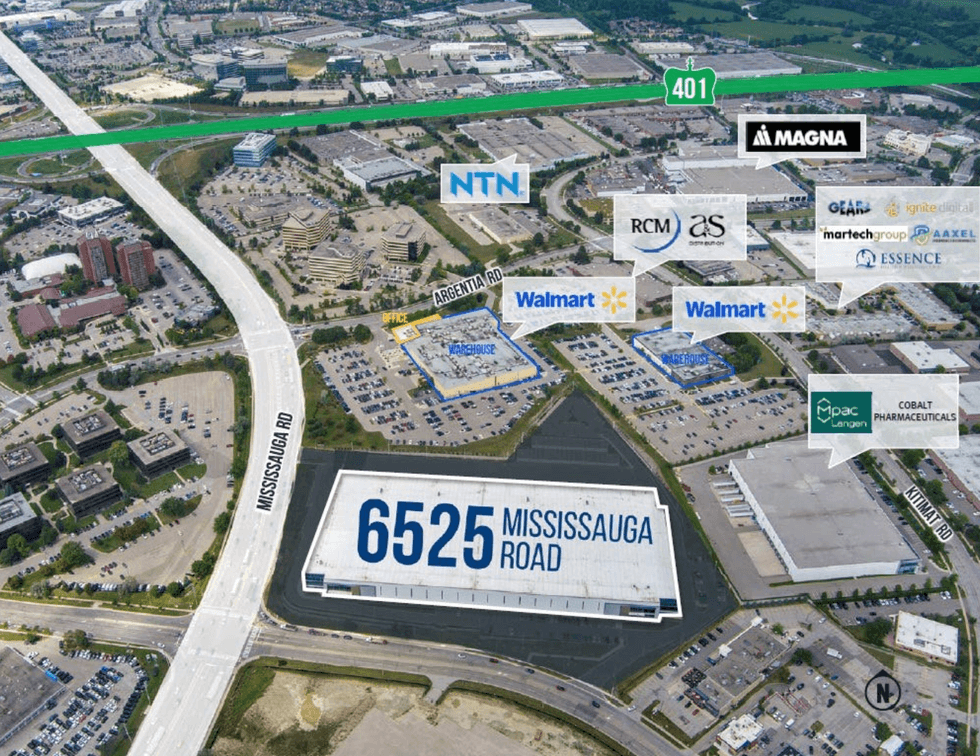 6525 Mississauga Road and its surrounding context. (RBC Capital Markets & CBRE)
 Property details for 6525 Mississauga Road. (RBC Capital Markets & CBRE)
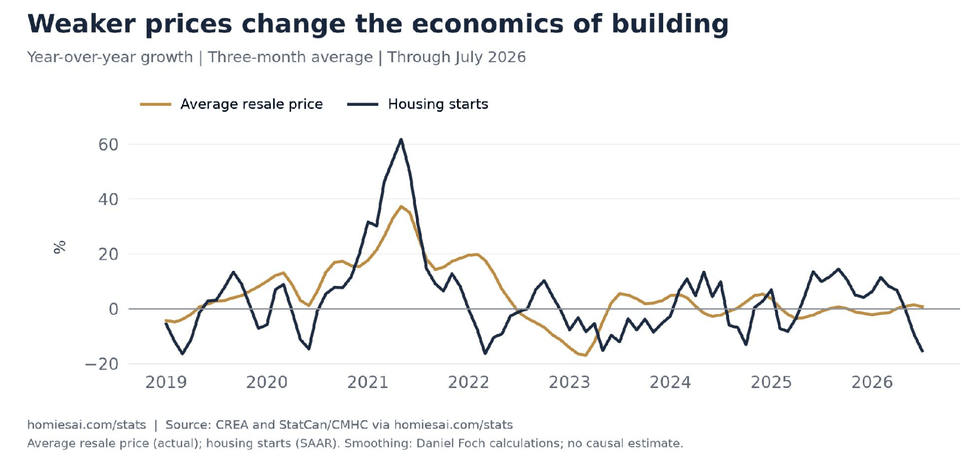 National average resale-price growth and housing-starts growth, smoothed over three months. The comparison illustrates the cycle; it does not establish how much a price change causes construction to change.
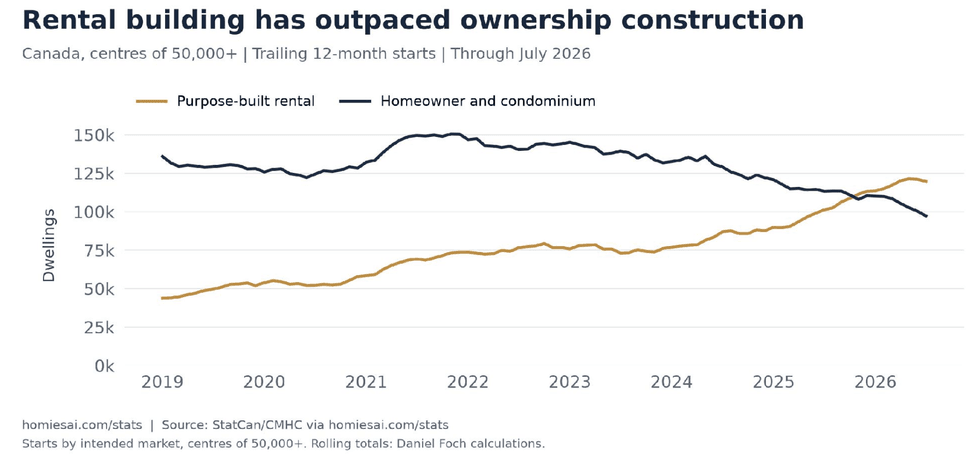 Trailing 12-month starts in centres of 50,000 or more remove the usual monthly seasonality. Ownership combines the homeowner and condominium categories; rental is shown separately.
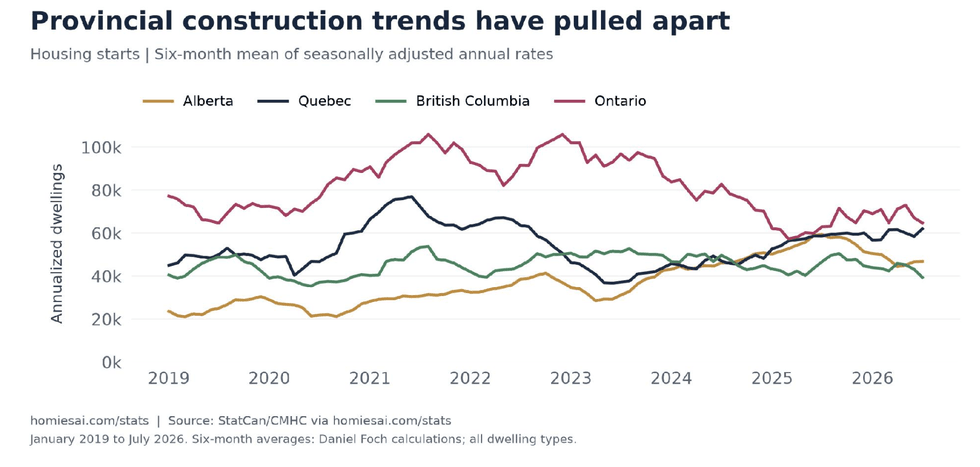 Six-month averages of provincial starts, expressed at annual rates. The smoothing reduces the influence of individual apartment projects.
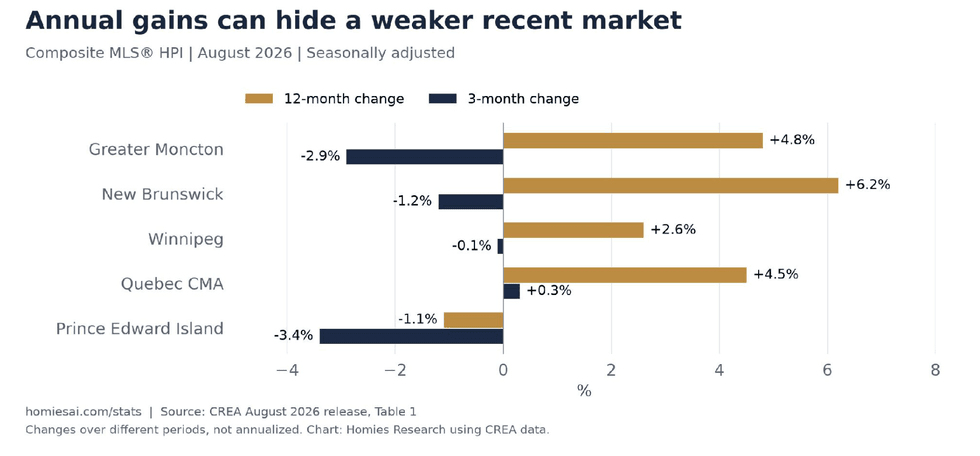 The same August benchmark compared with two different starting points. Three-month changes are not annualized.
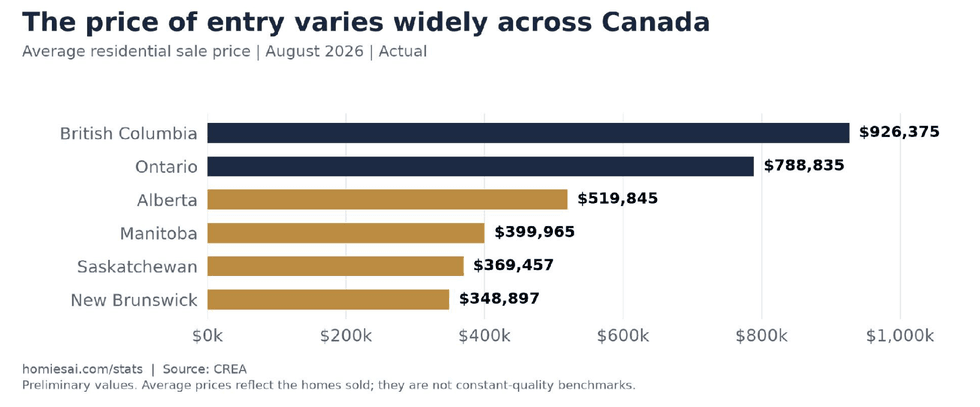 Average sale prices show the difference in purchase costs across markets. They do not measure affordability relative to local incomes or construction costs.
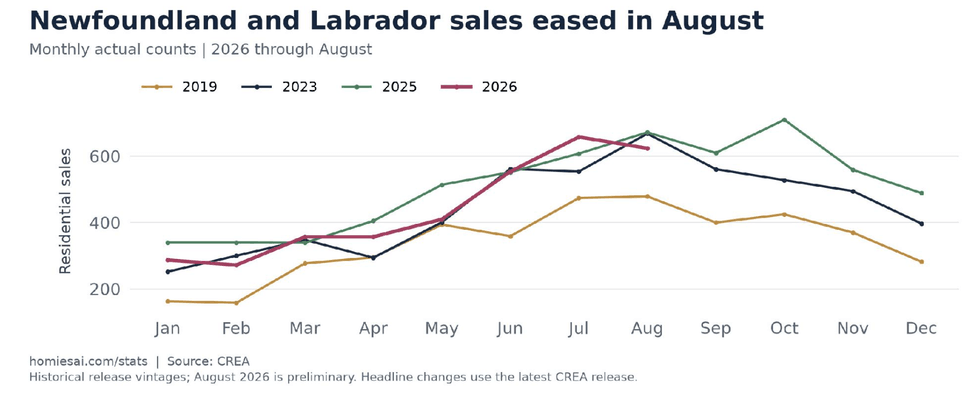 Newfoundland and Labrador remains above its pre-pandemic sales pattern, but August activity was below last year. Historical lines retain their original release vintages.