Exclusions
Understand exclusions in Canadian real estate—how they affect what’s removed during a sale and how to ensure clarity in purchase agreements.
May 30, 2025
What are Exclusions?
Exclusions refer to items that are normally assumed to be part of a property sale but that the seller intends to remove before closing.
Why Do Exclusions Matter in Real Estate?
In Canadian real estate, exclusions must be listed in the Agreement of Purchase and Sale to clarify which fixtures or attached items the seller will not include in the sale.
Examples of exclusions include:
- Chandeliers or custom lighting
- Wall-mounted TVs or brackets
- Built-in sound systems or mirrors
Since fixtures are generally included by default, sellers should clearly list exclusions to avoid legal disputes. Buyers should review this section closely to ensure their expectations are met.
Understanding exclusions helps prevent misunderstandings about what is or is not staying with the home after closing.
Example of Exclusions in Action
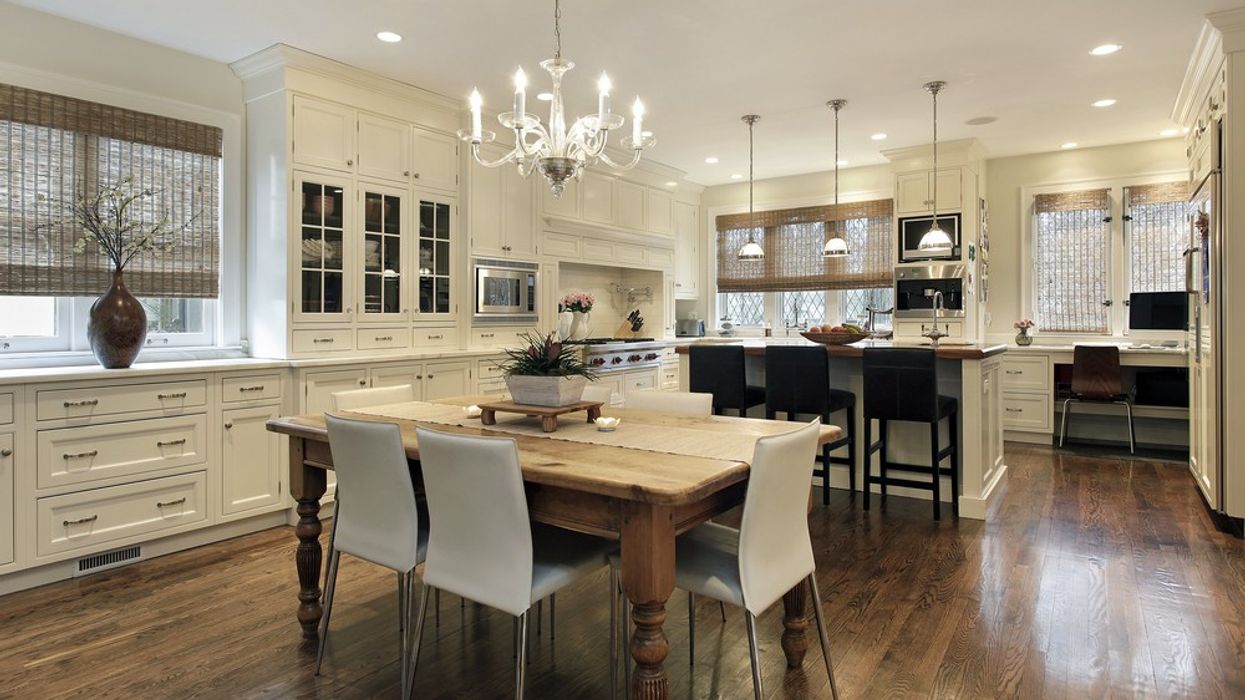
The seller excluded the dining room chandelier in the offer. This prevented conflict when it was removed before possession.
Key Takeaways
- Items being removed despite being fixtures.
- Must be clearly written into the offer.
- Helps avoid post-sale surprises.
- Includes lighting, brackets, and custom items.
- Common source of buyer-seller disputes.
Related Terms
- Fixtures
- Inclusions
- Agreement of Purchase and Sale
- Walkthrough Inspection
- Closing Process
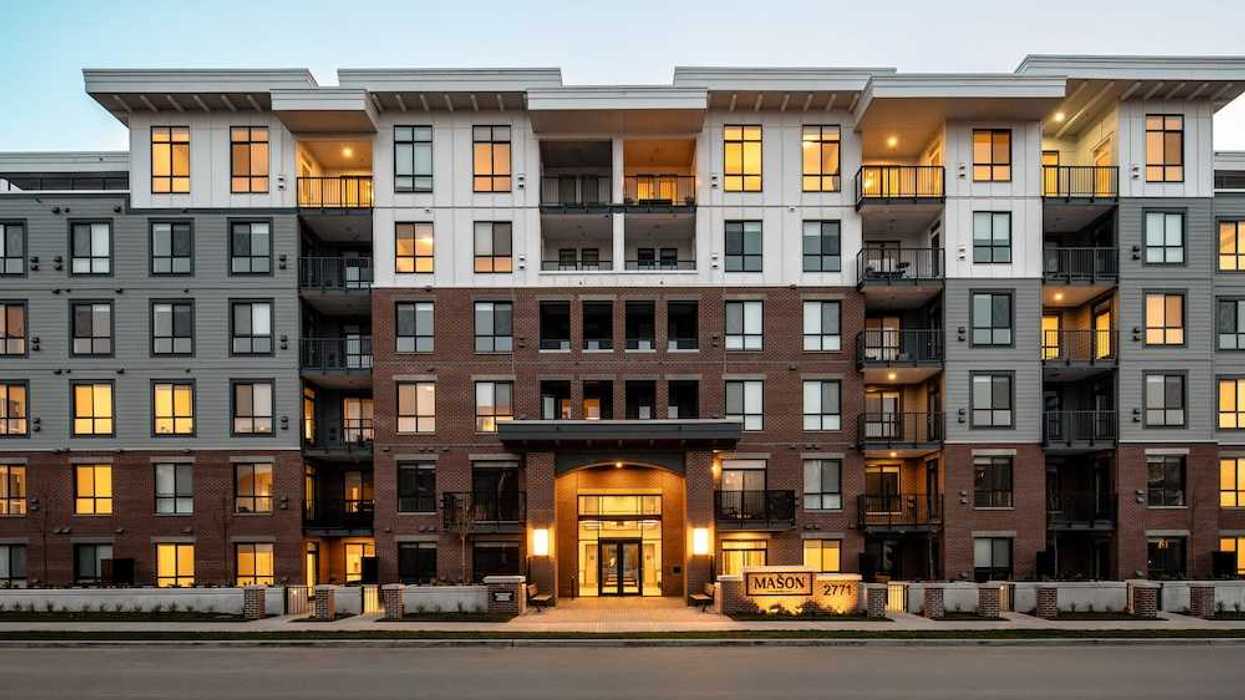
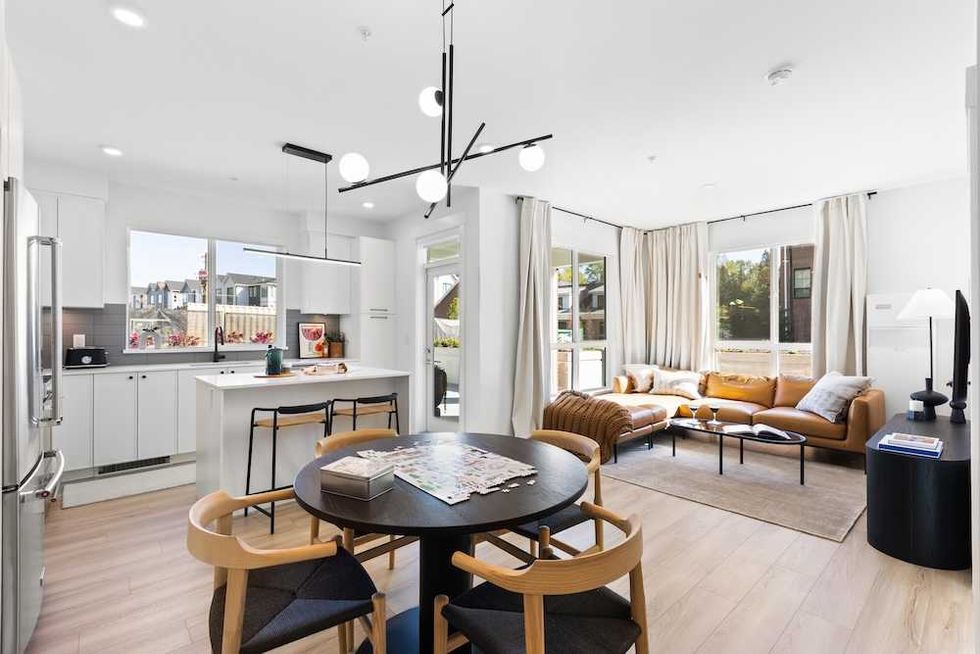 The Mason Suite Interior (Infinity Properties)
 The Mason Suite Interior (Infinity Properties)
 Rail District aerial (Infinity Properties)
 Versant (Infinity Properties)




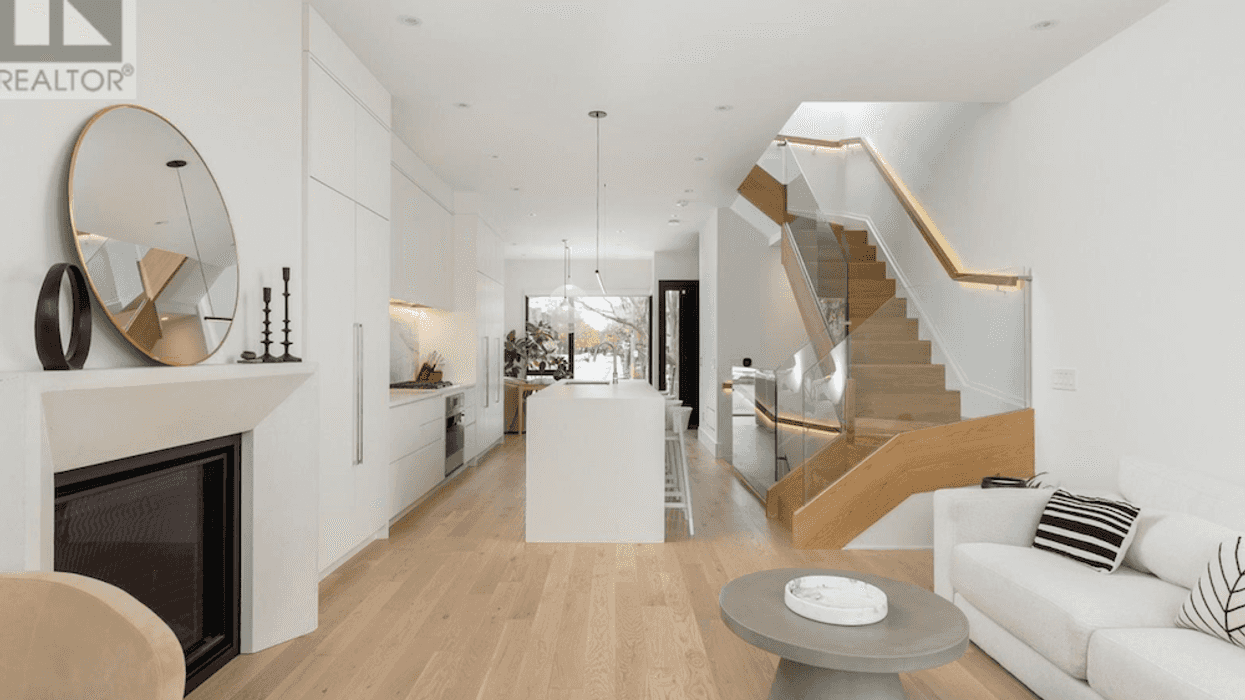



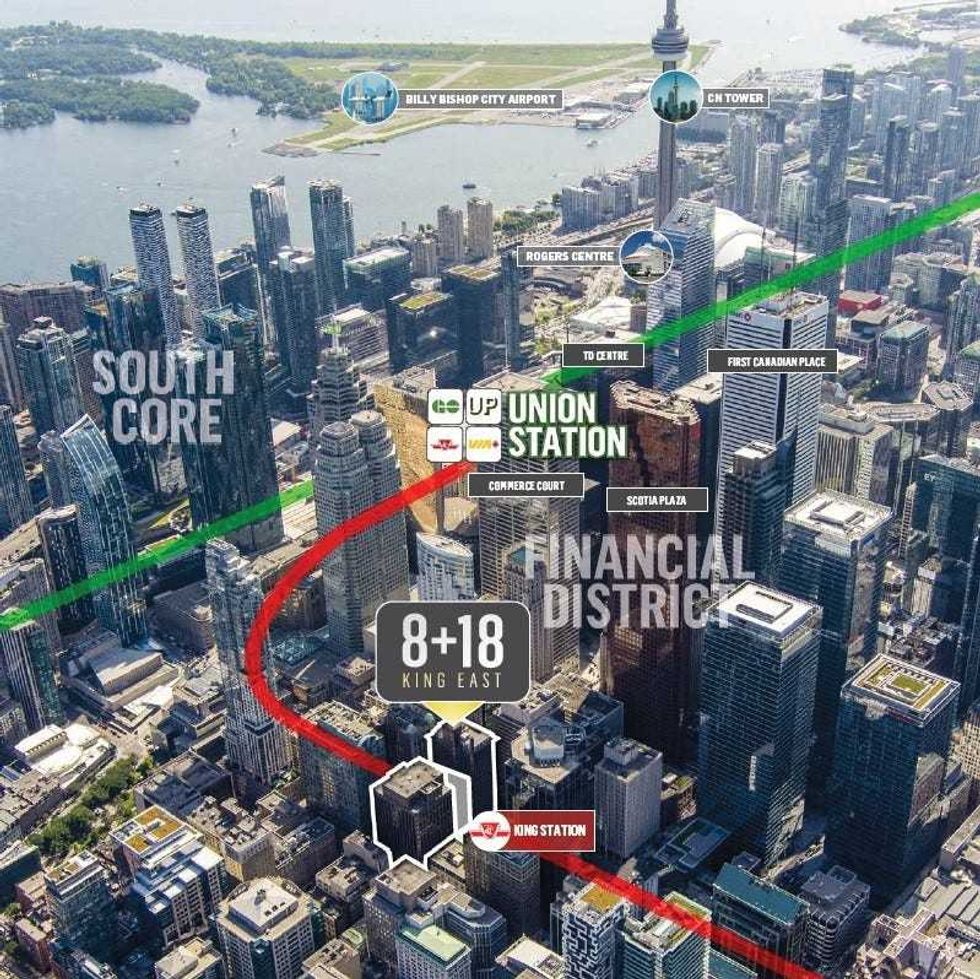 8 and 18 King Street East in Toronto. (RBC Capital Markets Realty)
 Interior photos of 8 and 18 King Street East. (RBC Capital Markets Realty)

 Narrow Fourplex (City of Toronto)
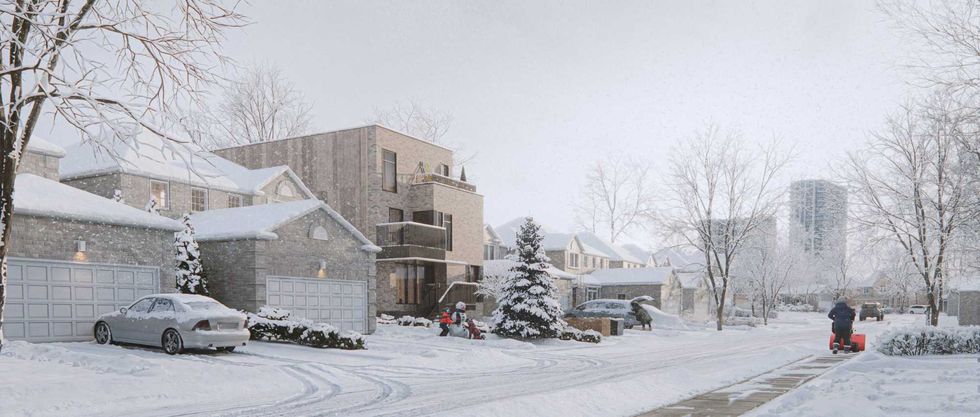 Wide Sixplex - Side View (City of Toronto)