Commission
Learn how real estate commissions work in Canada, who pays them, how they’re calculated, and how they impact buyers and sellers during a home sale.
May 22, 2025
What is Commission?
Commission is the fee paid to a real estate agent or brokerage for facilitating the sale, purchase, or lease of a property.
Why Commission Matters in Real Estate
In Canadian real estate, commission is most often paid by the seller and is typically calculated as a percentage of the property’s final sale price—commonly 4% to 6% split between the listing (seller's) agent and the buyer's agent.
Commission structures vary and may include:
- Fixed percentage of the sale price
- Tiered rates (e.g., higher rate for the first $100,000)
- Flat fees in some discount brokerage models
**Key details buyers and sellers should understand:**
- Commission is negotiable
- It is paid upon closing, from the seller’s proceeds
- It incentivizes agents to market the property and close the deal
Commission is usually outlined in the listing agreement and included in the transaction's closing documents. Buyers generally do not pay commission directly, though it may be indirectly factored into the purchase price.
Understanding commission ensures transparency and allows both buyers and sellers to make informed choices about representation and service levels.
In dual agency situations—where one agent represents both the buyer and seller—commission agreements must be clearly disclosed to avoid conflicts of interest. Some discount brokerages offer lower commission rates or flat fees, appealing to sellers looking to reduce costs, though this may come with reduced services. It’s important to understand exactly what services are included in the commission, such as marketing, staging, open houses, or negotiation strategy. Buyers may also benefit from working with commission-based agents, as their fees are generally paid by the seller, allowing buyers to access expert guidance without out-of-pocket cost.
Example of Commission in Action
A seller lists a home for $800,000 and agrees to pay 5% commission. Upon closing, $40,000 is paid to the brokerages, split between the buyer’s and seller’s agents.
Key Takeaways
- Commission compensates real estate agents.
- Typically a percentage of the sale price.
- Paid by the seller at closing.
- Can be negotiated or structured differently.
- Influences marketing, service, and agent motivation.
Related Terms
- Listing Agreement
- Buyer’s Agent
- Seller’s Agent
- Dual Agency
- Real Estate Agent
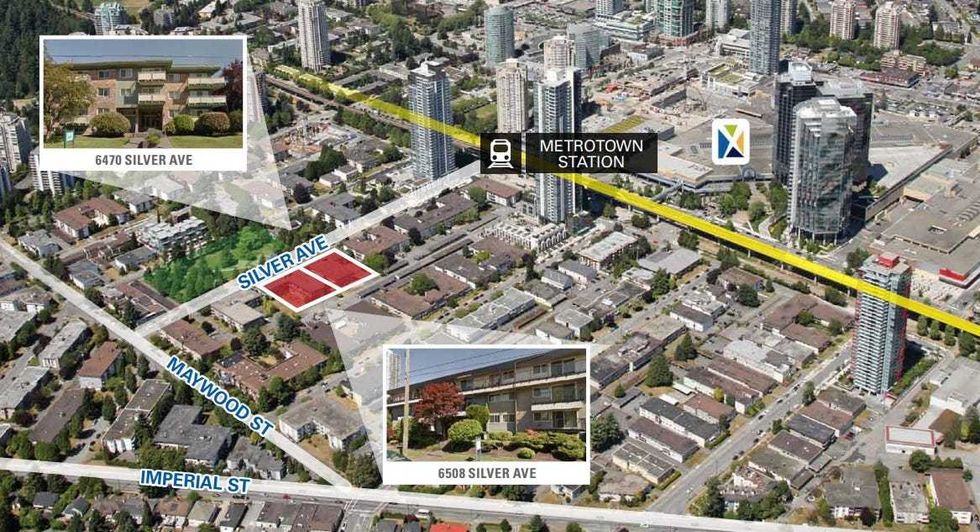 6470 and 6508 Silver Avenue in Burnaby. (Goodman Commercial)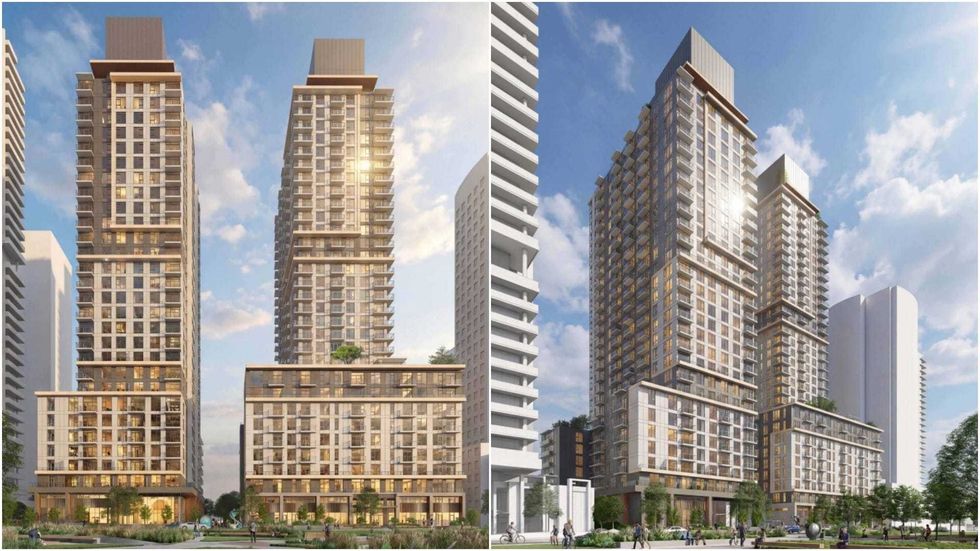
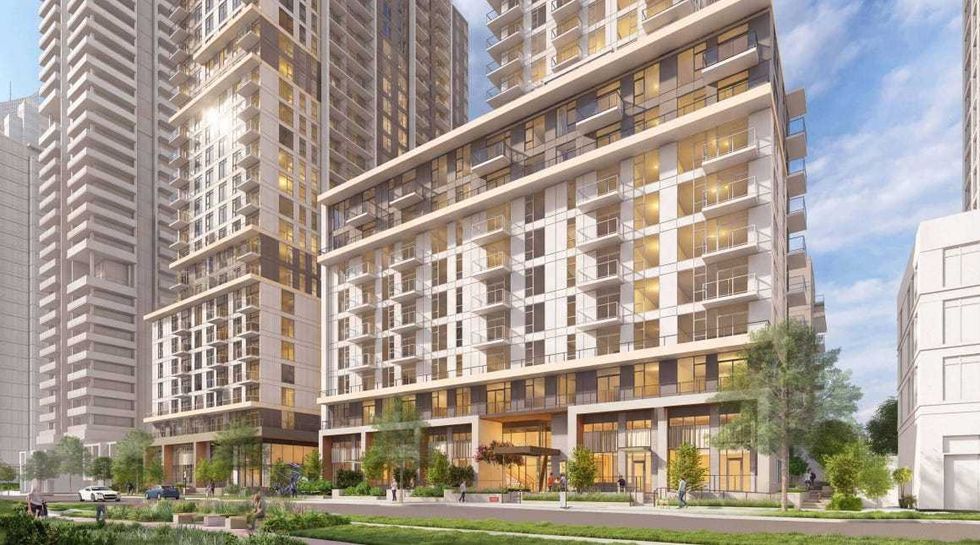 Renderings of the proposal for 6470-6508 Silver Avenue from along Silver Avenue. (OpenForm Properties, Alabaster Homes, Arcadis)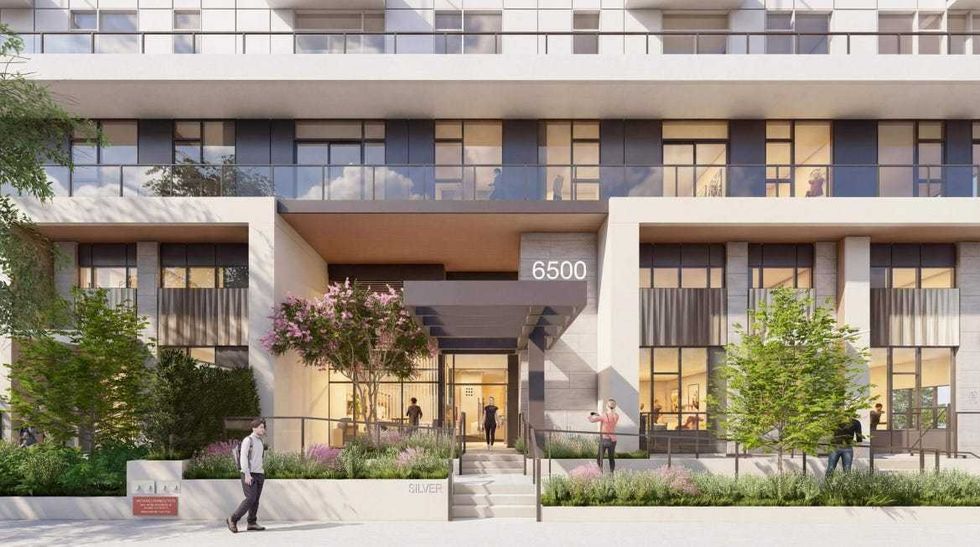
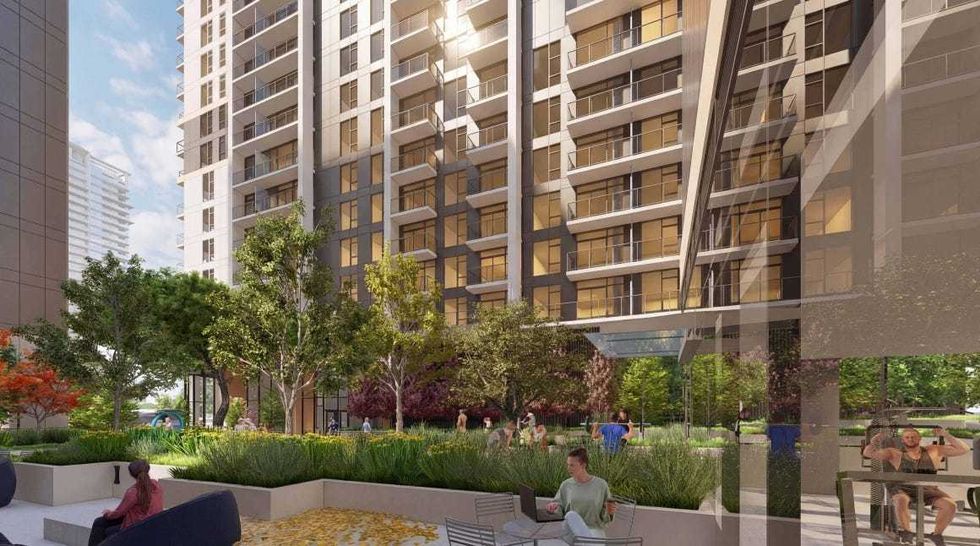 Renderings of the proposal for 6470-6508 Silver Avenue from along Silver Avenue. (OpenForm Properties, Alabaster Homes, Arcadis)




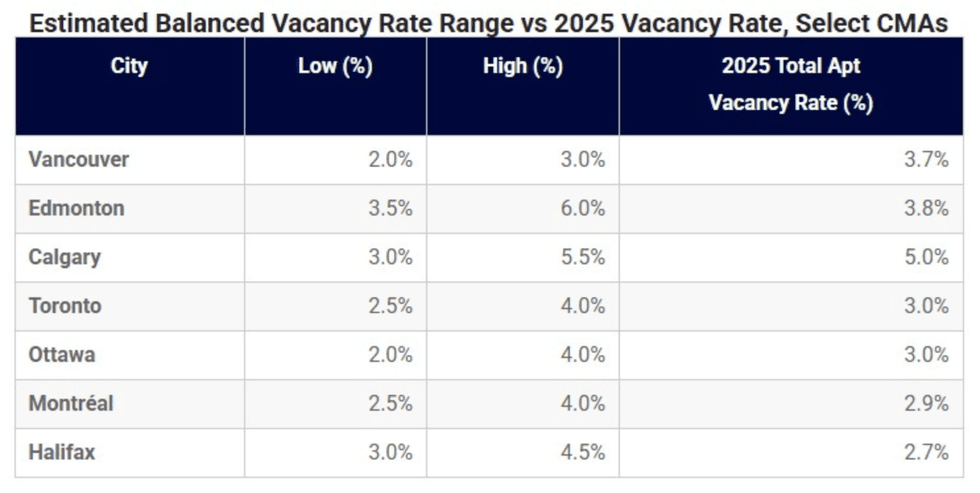 (CMHC)
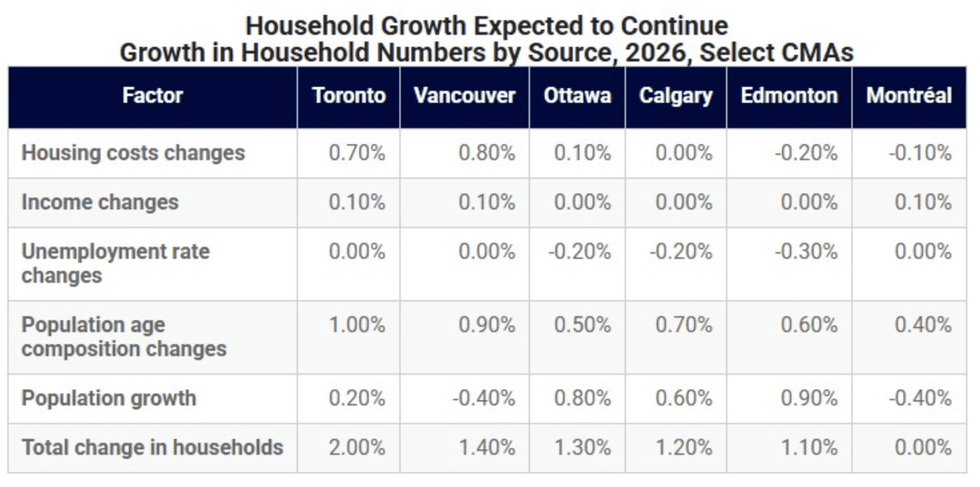 (CMHC)
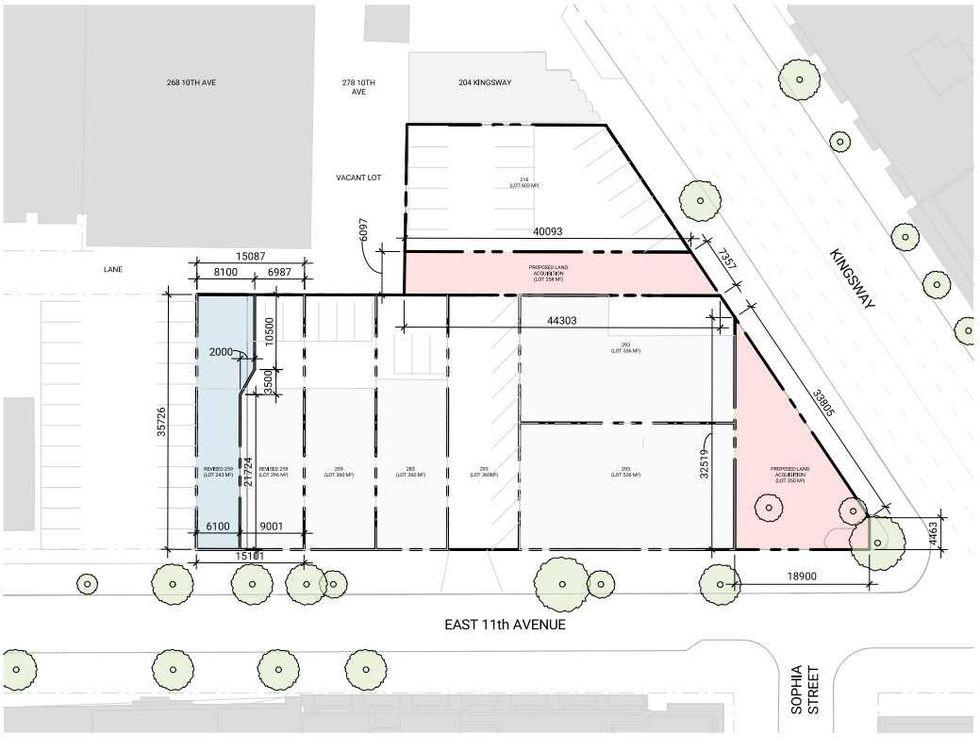 The 259-293 East 11th Avenue and 216 Kingsway site. (Diamond Schmitt Architects, Coast Mental Health)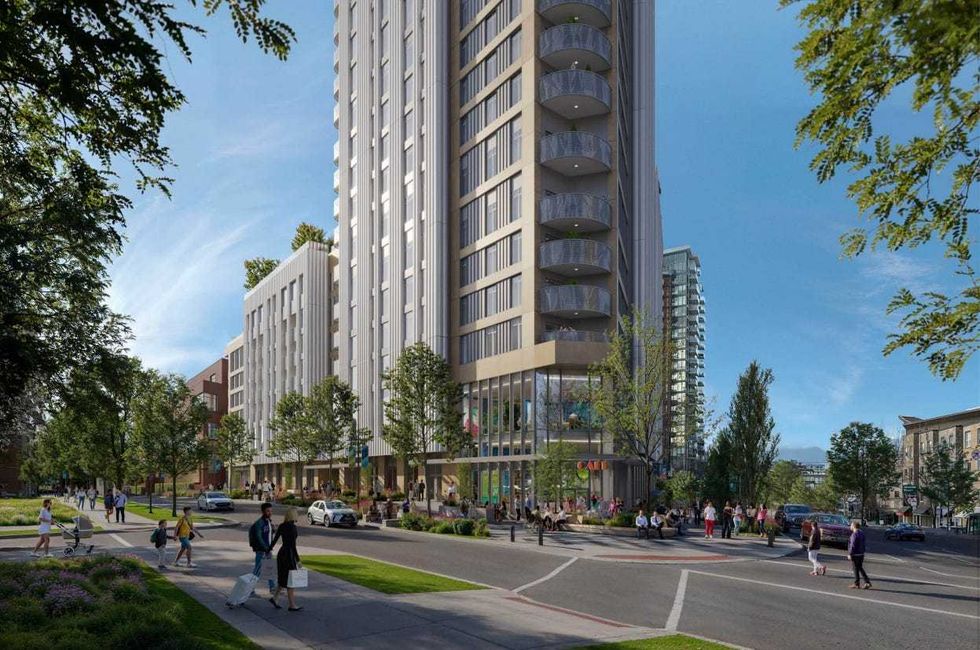
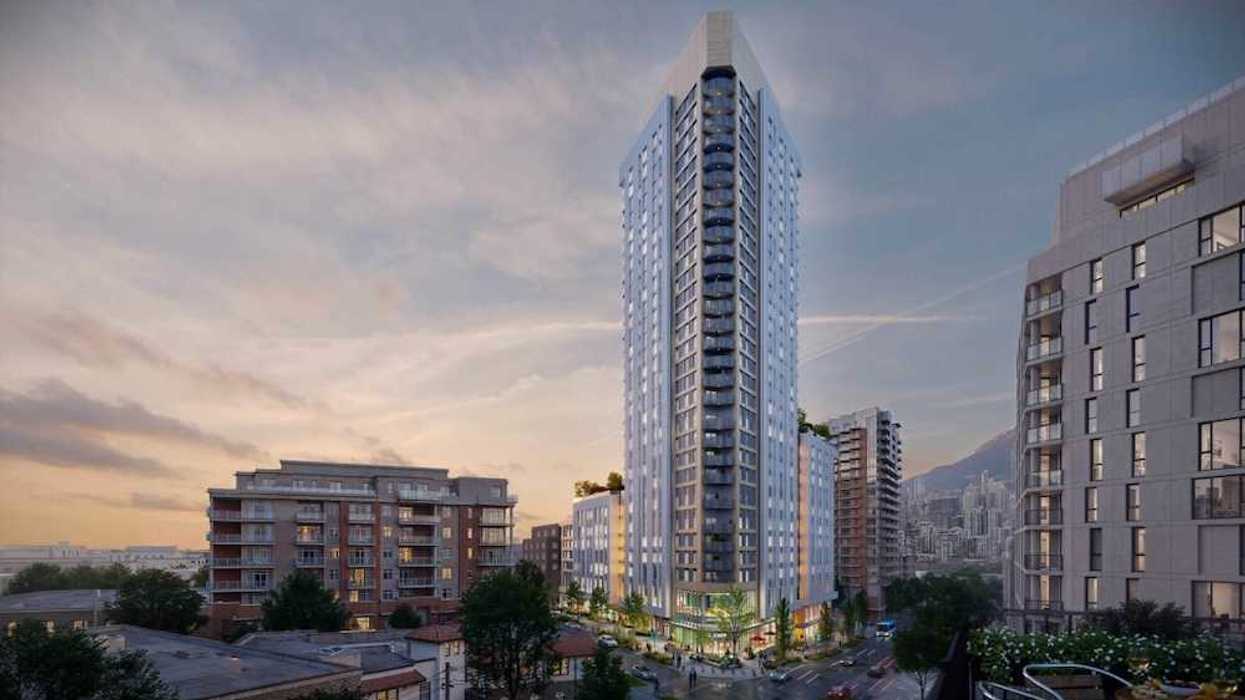
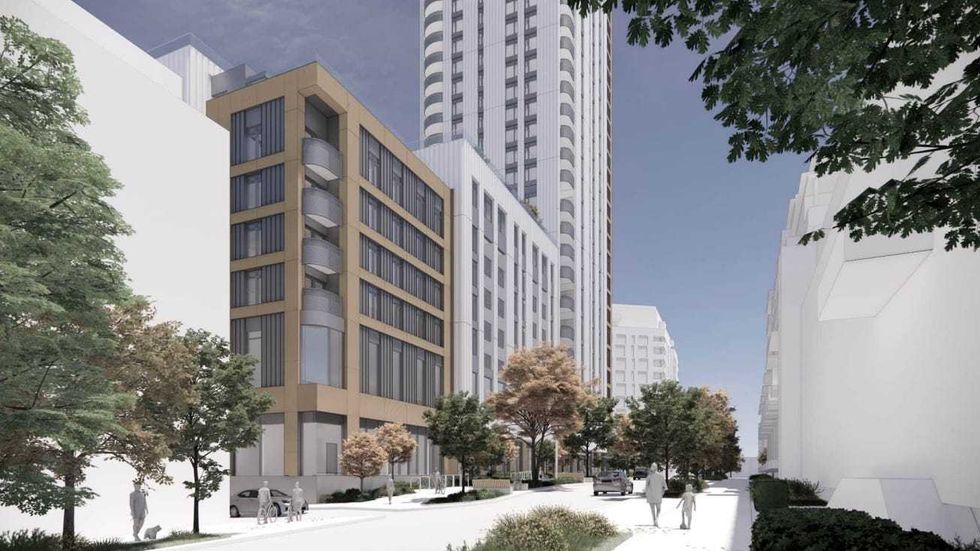 Renderings of the proposal for 259-293 E 11th Ave and 216 Kingsway in Vancouver. (Diamond Schmitt Architects, Coast Mental Health)
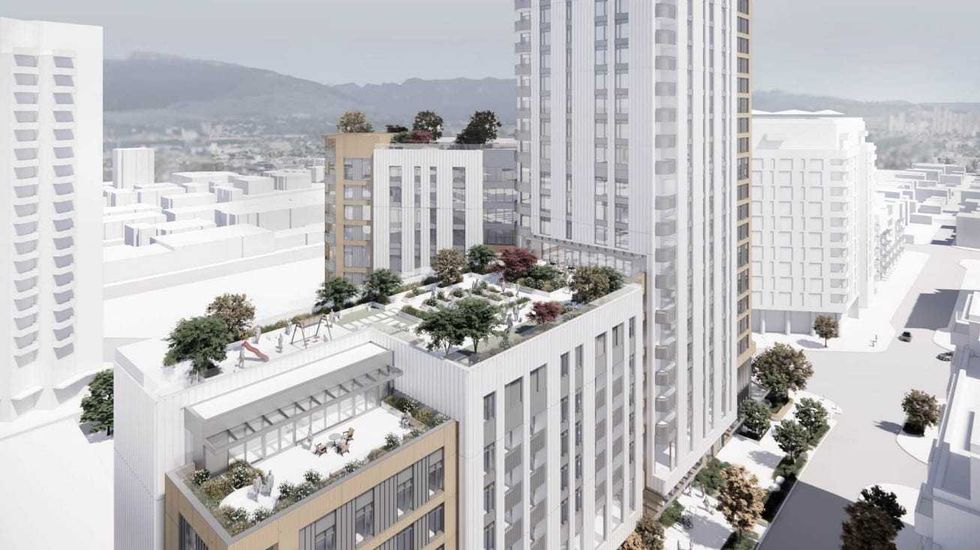 Renderings of the proposal for 259-293 E 11th Ave and 216 Kingsway in Vancouver. (Diamond Schmitt Architects, Coast Mental Health)