Mineral Rights
Mineral rights give the holder authority to extract subsurface resources, separate from surface ownership, impacting property value.

September 30, 2025
What are Mineral Rights?
Mineral rights are the legal rights to extract and profit from minerals beneath the surface of a property. These rights may be sold, leased, or retained separately from surface land ownership.
Why Mineral Rights Matter in Real Estate
Mineral rights matter in real estate because they can significantly affect land value, ownership disputes, and development opportunities. In some provinces, mineral rights are commonly retained by the Crown or previous owners when land is sold.
Example of Mineral Rights in Action
A farmer sells their land but retains the mineral rights, allowing them to lease drilling rights to an energy company while the new surface owner uses the land for agriculture.
Key Takeaways
- Grant the right to extract minerals from below ground.
- May be sold or leased separately from surface rights.
- Impact property value and development potential.
- Often retained by the Crown in Canadian provinces.
- Require clear legal documentation in transactions.
Related Terms
- Surface Rights
- Subsurface Rights
- Resource Lease
- Crown Land
- Property Law


 A rendering of the proposal for 20120 86 Avenue. (Flat Architecture)
































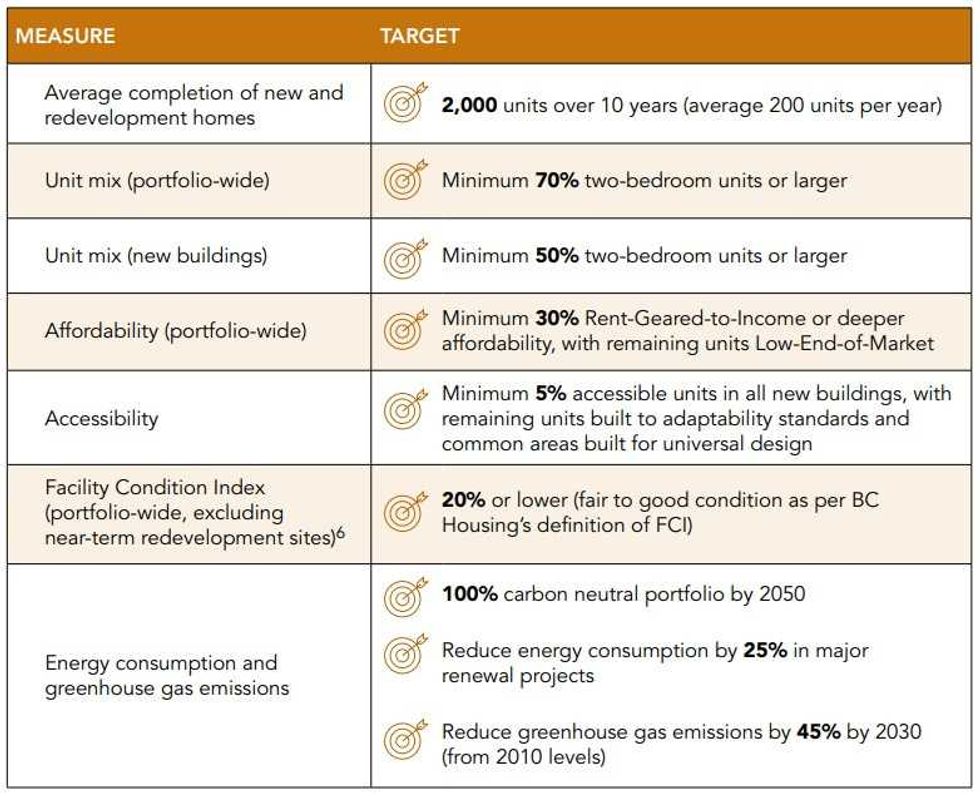 Targets under the new 10-year plan. (Metro Vancouver)