Inclusions
Learn what inclusions are in Canadian real estate, how they’re listed in offers, and why they matter when negotiating what stays with a property.
May 30, 2025
What are Inclusions?
Inclusions refer to items of personal property that the seller agrees to leave with the home as part of the real estate sale.
Why Inclusions Matter in Real Estate
In Canadian real estate, inclusions are typically listed in the Agreement of Purchase and Sale. While fixtures (e.g., built-in appliances) are often assumed to be included, chattels (e.g., freestanding items) must be explicitly stated.
Common inclusions include:
- Kitchen appliances (fridge, stove)
- Washer and dryer
- Window coverings or blinds
- Light fixtures and ceiling fans
Clearly listing inclusions prevents disputes over what is staying with the property. Buyers should confirm the condition and functionality of included items.
Understanding inclusions helps buyers and sellers set accurate expectations and ensure contractual clarity at closing.
Example of Inclusions
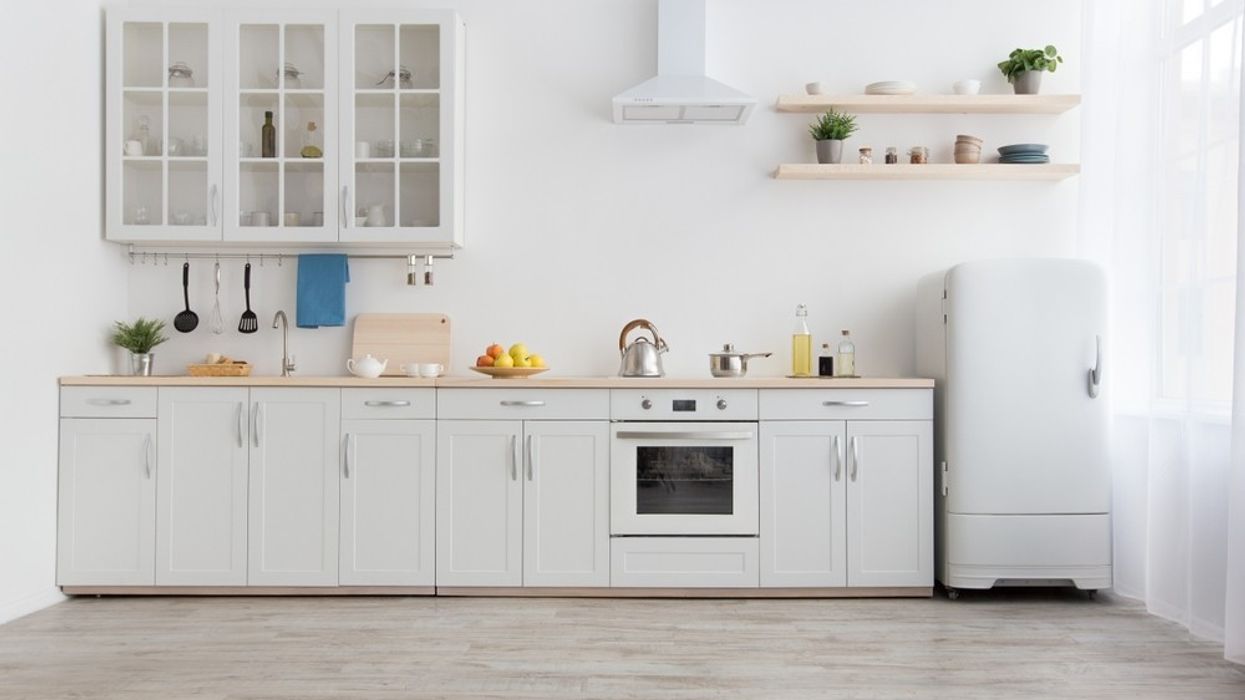
The buyer expected the stainless steel fridge to be included. Fortunately, it was clearly listed under inclusions in the purchase agreement.
Key Takeaways
- Items the seller agrees to leave with the home.
- Must be listed in the purchase agreement.
- Often includes appliances and blinds.
- Prevents post-sale disputes.
- Applies to chattels, not fixtures.
Related Terms
- Fixtures
- Exclusions
- Chattel
- Agreement of Purchase and Sale
- Walkthrough Inspection

 The Mason Suite Interior (Infinity Properties)
 The Mason Suite Interior (Infinity Properties)
 Rail District aerial (Infinity Properties)
 Versant (Infinity Properties)








 8 and 18 King Street East in Toronto. (RBC Capital Markets Realty)
 Interior photos of 8 and 18 King Street East. (RBC Capital Markets Realty)

 Narrow Fourplex (City of Toronto)
 Wide Sixplex - Side View (City of Toronto)