Energy Efficient Mortgage
Learn about energy-efficient mortgages in Canadian real estate — what they fund, their benefits, and how they support green housing.

July 29, 2025
What is an Energy-Efficient Mortgage?
An energy-efficient mortgage (EEM) is a mortgage product that provides additional financing or preferred terms to support energy-saving home upgrades or purchases.
Why Energy-Efficient Mortgages Matter in Real Estate
In Canadian real estate, EEMs help buyers reduce long-term utility costs while promoting environmental sustainability.
Key features:
- Extra funds for upgrades like insulation, windows, HVAC
- May offer lower interest rates or insurance premium rebates
- Requires energy audit or certification
Understanding EEMs helps buyers plan renovations and reduce operating costs.
Example of an Energy-Efficient Mortgage in Action
The buyer obtained an energy-efficient mortgage and used the funds to upgrade to high-performance windows and a heat pump system.
Key Takeaways
- Supports energy-saving home upgrades
- May lower borrowing costs or premiums
- Requires verification of improvements
- Reduces long-term operating costs
- Aligns with sustainability goals
Related Terms
- Building Code
- Capital Expenditures
- Mortgage
- Property Maintenance
- Green Building Certification

 The Mason Suite Interior (Infinity Properties)
 The Mason Suite Interior (Infinity Properties)
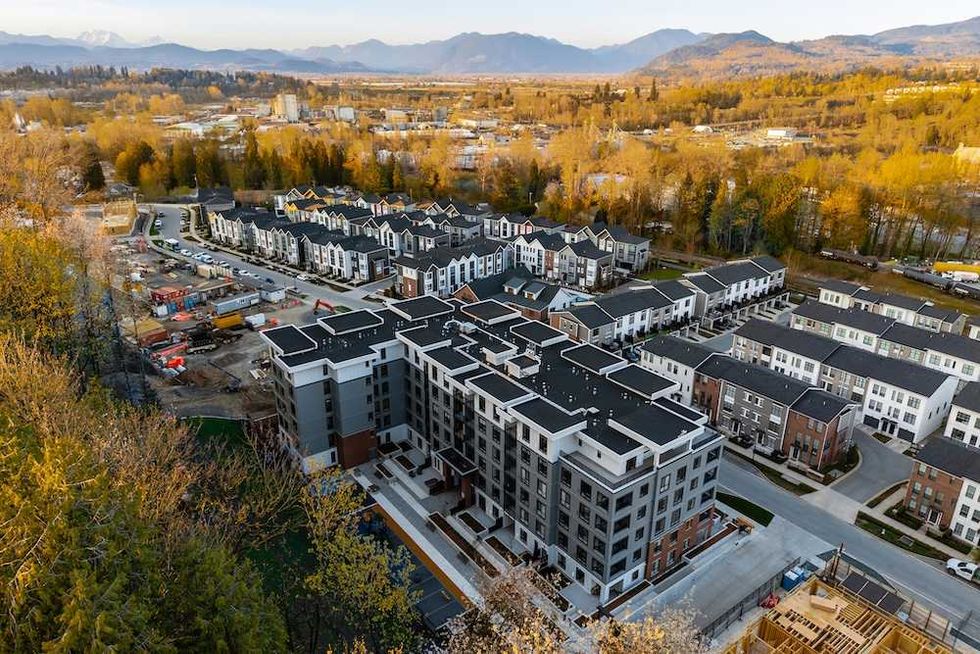 Rail District aerial (Infinity Properties)
 Versant (Infinity Properties)








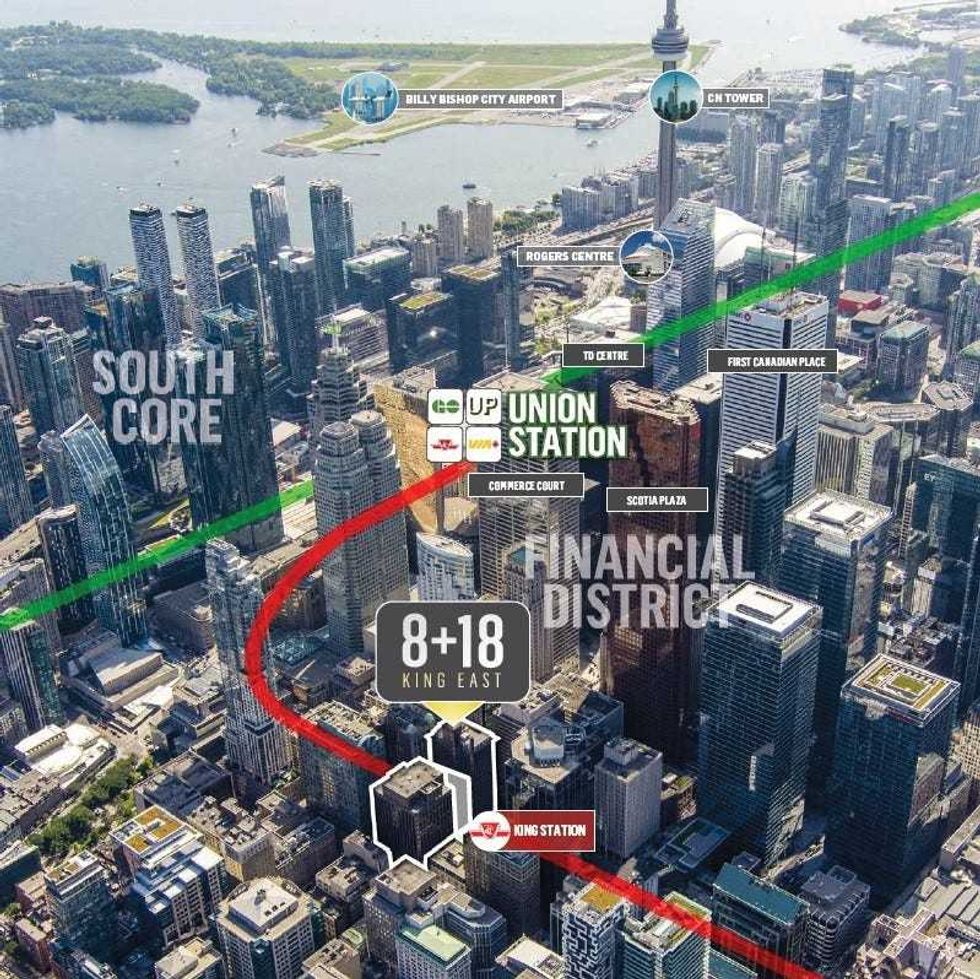 8 and 18 King Street East in Toronto. (RBC Capital Markets Realty)
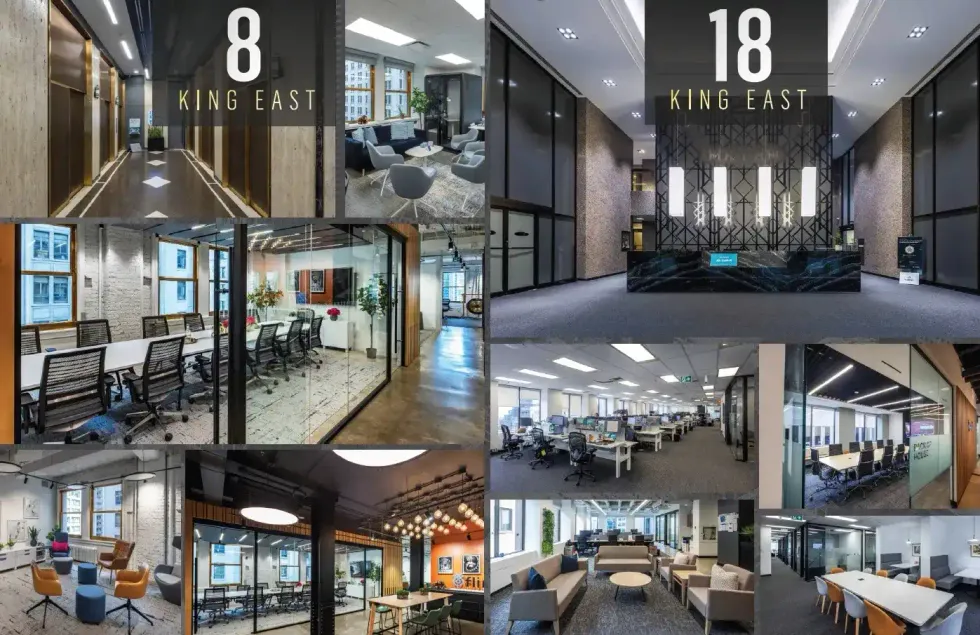 Interior photos of 8 and 18 King Street East. (RBC Capital Markets Realty)
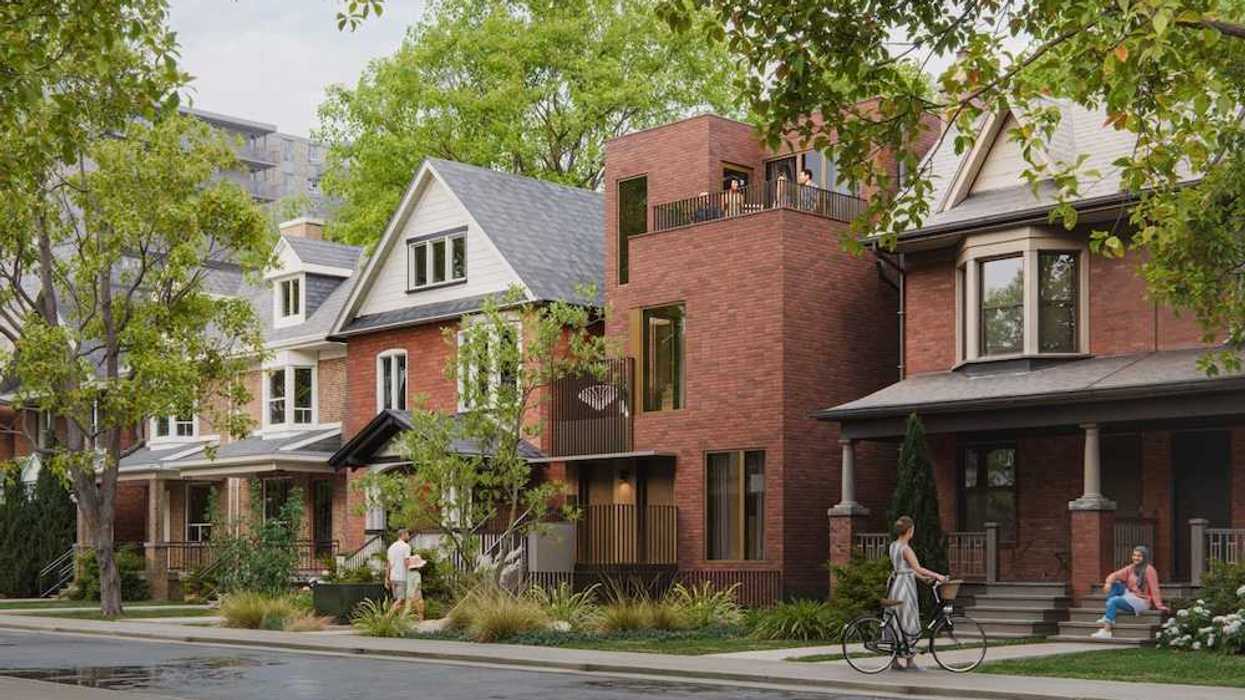
 Narrow Fourplex (City of Toronto)
 Wide Sixplex - Side View (City of Toronto)