Common Elements
Explore common elements in Canadian condominium ownership, what’s included, how they’re managed, and why they affect ownership costs.

June 13, 2025
What are Common Elements?
Common elements refer to shared spaces and systems in a condominium development that are jointly owned and maintained by all unit owners through the condo corporation.
Why Common Elements Matter in Real Estate
In Canadian condominium ownership, common elements are not part of individual units but are essential to the operation and value of the property.
Examples of common elements include:
- Hallways, elevators, and stairwells
- Lobbies, party rooms, and amenities
- Landscaping and parking areas
- Building systems (plumbing, HVAC, roof)
Their upkeep is funded through condo fees and governed by the condominium bylaws. Any changes to these areas often require board approval.
Understanding common elements helps buyers assess what they are financially responsible for and how well the property is managed.
Example of Common Elements in Action
A leaking pipe in the hallway ceiling is repaired by the condo corporation, as it is part of the common elements shared by all owners.
Key Takeaways
- Shared spaces in condo developments
- Jointly owned by all unit holders
- Maintained through condo fees
- Governed by bylaws and board policies
- Impact long-term building value and operations
Related Terms
- Condominium Bylaws
- Condo Fees
- Reserve Fund
- Building Maintenance
- Property Management








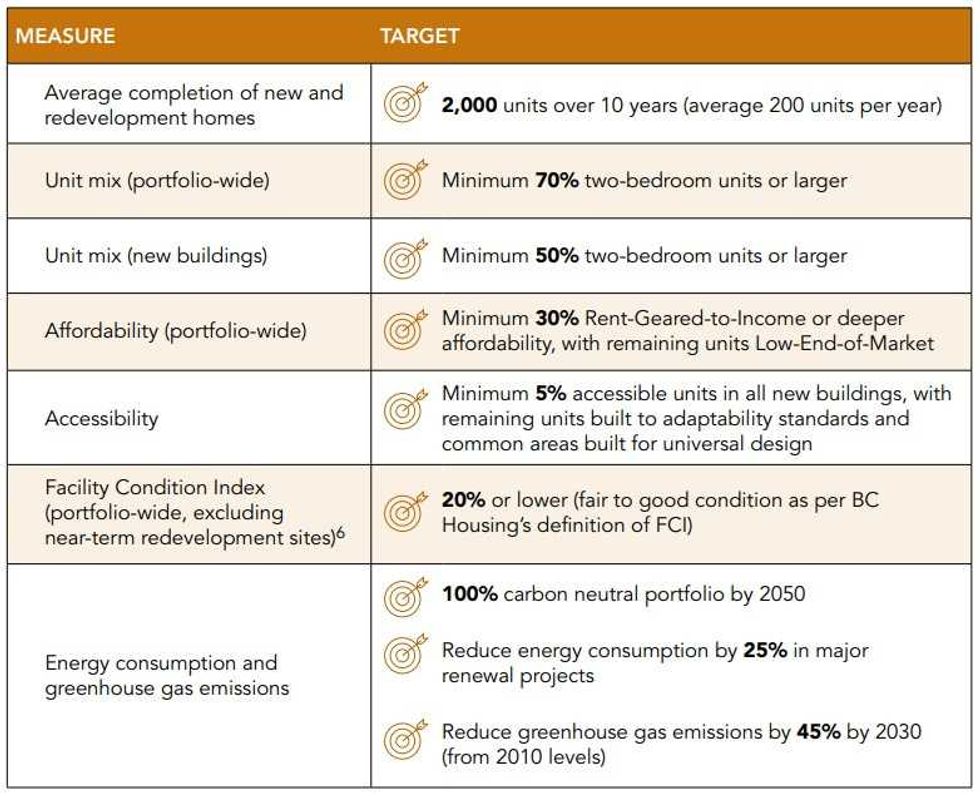 Targets under the new 10-year plan. (Metro Vancouver)

 (OREA)
 (OREA)


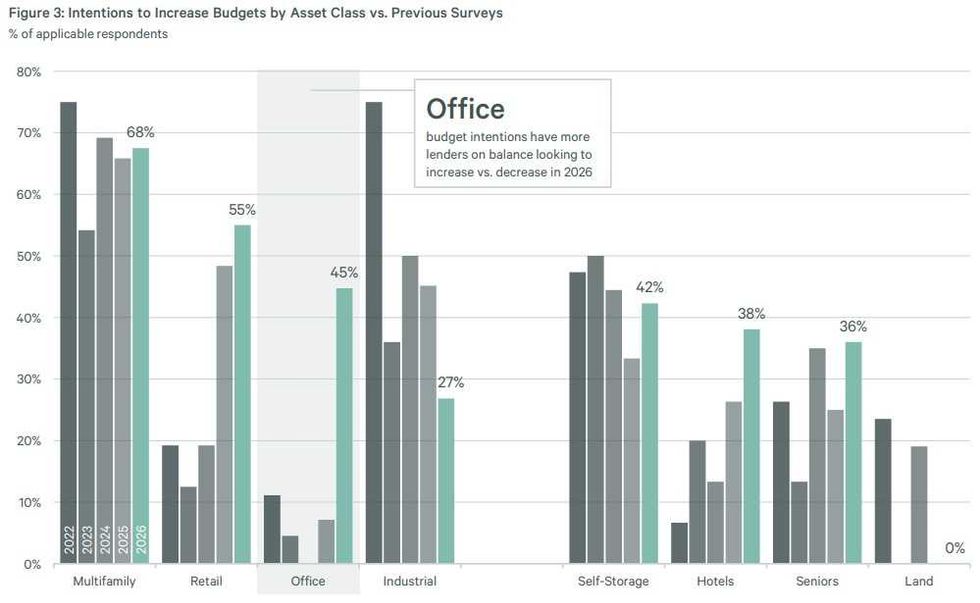 CBRE Canada
 CBRE Canada