Capital Expenditures
Learn about capital expenditures (CapEx) in Canadian real estate — what they are, how they’re planned, and why they matter for asset management.

June 27, 2025
What are Capital Expenditures?
Capital expenditures (CapEx) refer to major expenses incurred to acquire, upgrade, or extend the life of a property or its major systems, beyond routine maintenance.
Why Capital Expenditures Matter in Real Estate
In Canadian real estate, CapEx impacts budgeting, reserve funds, tax planning, and asset valuation for both residential and commercial properties.
Examples of capital expenditures include:
- Roof replacement
- Elevator modernization
- Building envelope repairs
- Major HVAC system upgrades
CapEx is typically planned for in condo reserve funds or landlord capital budgets, and may affect rent increases, special assessments, or investor returns.
Understanding CapEx is key to long-term property management and investment planning.
Example of Capital Expenditures in Action
The condo board allocated reserve funds for a capital expenditure project to replace aging windows throughout the building.
Key Takeaways
- Major property upgrades or replacements
- Distinct from routine maintenance
- Planned in reserve funds or capital budgets
- Impacts value, rent, and assessments
- Important for tax and investment planning
Related Terms
- Reserve Fund
- Special Assessment
- Property Management
- Building Maintenance
- Budgeting

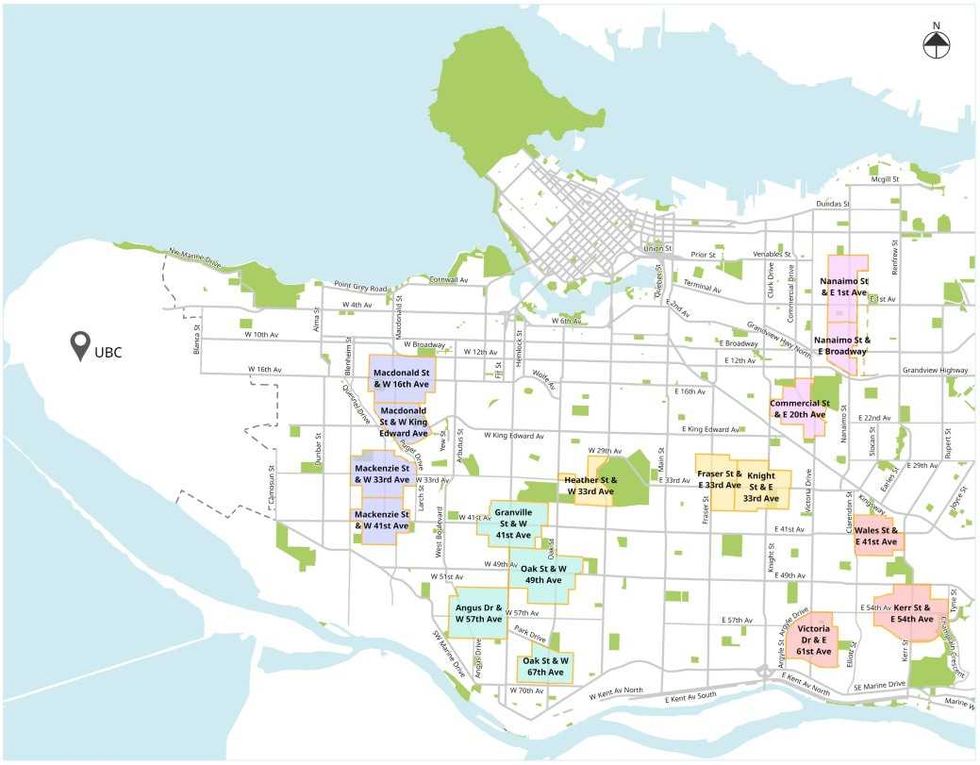 The 17 Villages. (City of Vancouver)





















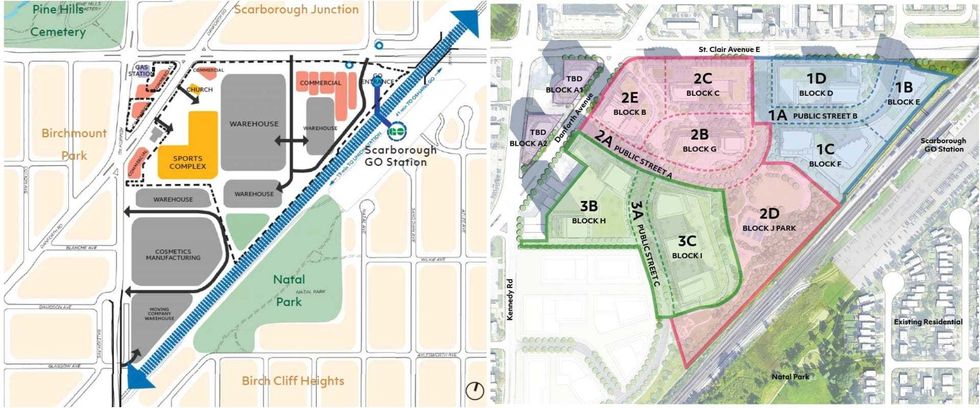 The Scarborough Junction site (left) and phasing plan (right). (Colliers)