Easement

Learn what an easement is in Canadian real estate, how it affects property rights, and what homebuyers need to know before purchasing land with one.
Easement


What is an Easement?

An easement is a legal right granted to a non-owner to use a portion of another person’s property for a specific purpose, such as access, utilities, or drainage.

Why Easements Matter in Real Estate

Easements are common in Canadian real estate and affect how a property can be used, developed, or modified. They are typically registered on the property title and remain in effect even if the property is sold to a new owner.

Common types of easements include:
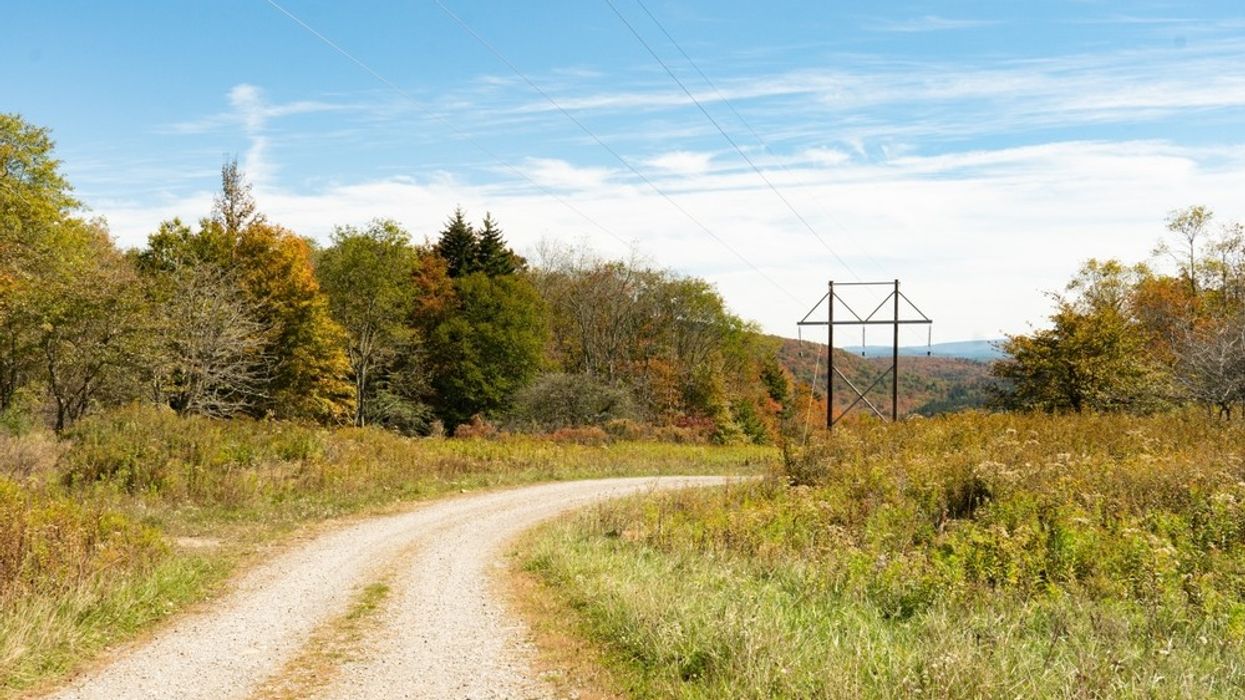
- Utility easements: Allow utility companies to access and maintain power lines, water pipes, or cable systems.
- Right-of-way easements: Grant access to a neighbouring property or public roadway.
- Drainage easements: Permit water flow or stormwater management across land.

While easements can benefit surrounding properties or infrastructure, they can also limit how a landowner uses the affected portion of their lot. For example, building structures or fencing within an easement zone may be prohibited.

Buyers should always review the property title and consult a lawyer to identify existing easements and understand their implications. Ignoring an easement can lead to legal disputes, fines, or forced removal of unauthorized structures.

Example of an Easement in Action

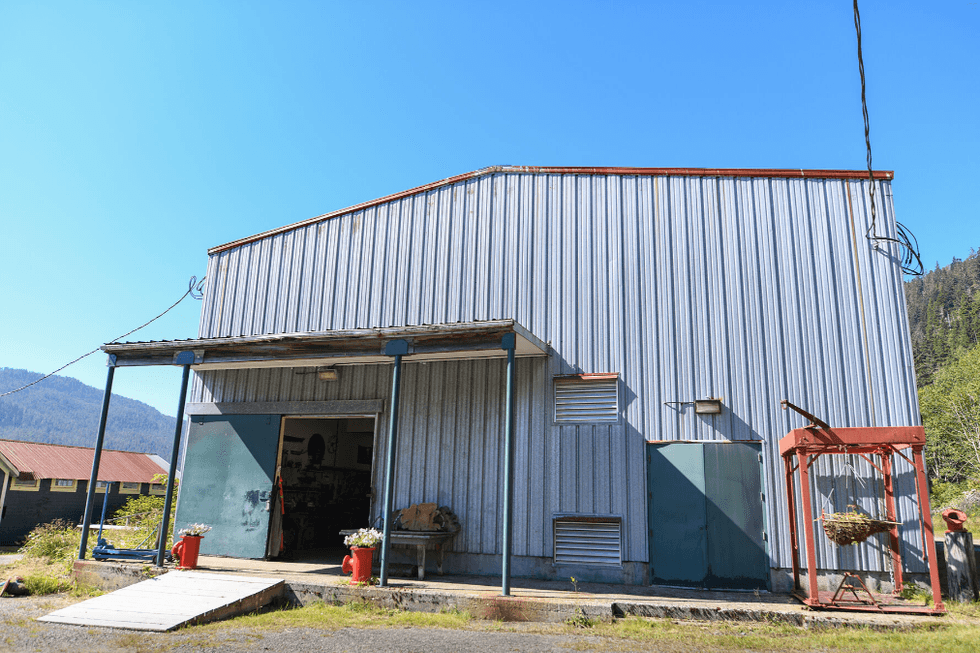
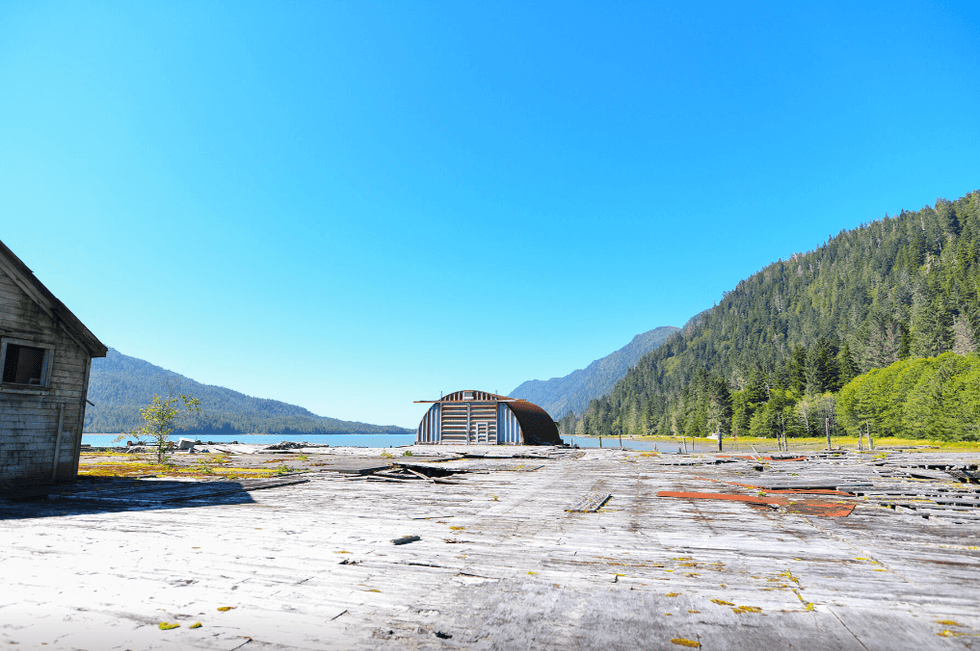
A homeowner discovers a right-of-way easement on their property that allows a neighbouring cottage owner to access the lake using a private trail. The easement cannot be removed without legal action.

Key Takeaways

  • Grants specific usage rights to non-owners over part of a property.
  • Common for utilities, access, and drainage.
  • Registered on title and binding for future owners.
  • Can limit development or alterations.
  • Must be reviewed before purchasing a property.

Related Terms

  • Right of Way
  • Property Title
  • Land Survey
  • Encroachment
  • Zoning

Additional Terms

Public Realm Improvements

Public realm improvements are enhancements to public spaces such as sidewalks, parks, plazas, and streetscapes, often funded or contributed by. more

Mortgagee in Possession

A mortgagee in possession is a lender who takes control of a property after borrower default, but before foreclosure or power of sale. The lender. more

Lease Surrender Agreement

A lease surrender agreement is a negotiated contract between a landlord and tenant that ends a lease before its scheduled expiration. Terms may. more

Green Infrastructure

Green infrastructure refers to natural or engineered systems that manage stormwater, reduce heat, and improve sustainability in developments.. more

Escrow Holdback

An escrow holdback is a portion of funds withheld at closing and held in escrow until specific conditions are met, such as completion of repairs,. more

Underused Housing Tax

The Underused Housing Tax (UHT) is a federal annual 1% tax on the value of vacant or underused residential property owned by non-resident,. more

More For You

Newly-Approved Underwater Nuclear Power Line Will Unlock 285,000 New GTA Homes

Wolfgang Hasselmann/Unsplash

Earlier this month, the Ontario government officially approved a recommendation from the Independent Electricity System Operator (IESO) to construct a new underwater transmission line that will run from the Darlington Nuclear Station directly into Toronto’s downtown core.

The project isn't just a feat of engineering; it’s a massive unlock for the real estate industry.

Keep ReadingShow less
Pent-Up Demand Poised To Nudge Canadian Home Sales Higher In 2026: CREA

Peter Robbins/Unsplash

Canada’s resale housing market is expected to regain some forward momentum in 2026, following a stop-start recovery that took shape over the back half of last year, according to the latest forecast from the Canadian Real Estate Association (CREA).

Updated on January 15, CREA’s outlook revises expectations for 2026 and extends the national forecast through 2027, painting a picture of a market that is stabilizing rather than surging. While 2025 ultimately proved slower than initially anticipated — weighed down by economic uncertainty tied to U.S. tariff threats — much of that softness was concentrated early in the year. Beginning in April, sales activity rallied, climbing 12% by August before settling into a holding pattern through year-end.

Keep ReadingShow less
GTA Housing Market Ends 2025 More Affordable, But Confidence Remains Key

Teunard Droog/Unsplash

As 2025 drew to a close, new data from the Toronto Regional Real Estate Board (TRREB) painted a picture of a market still under pressure, but notably more affordable than it was a year earlier — a shift that, according to the board, may help lay the groundwork for recovery in the year ahead.

Annual GTA home sales declined in 2025 amid ongoing economic uncertainty, as buyers remained cautious in the face of broader concerns around employment and the cost of living. Over the same period, however, elevated listing inventory gave buyers greater negotiating power, contributing to lower selling prices and improved affordability across the region.

Keep ReadingShow less
What's Open And Closed In Toronto On New Year's Day
Richard Cavalleri/Shutterstock

Even if you weren't much of a planner in 2025, the new year is your chance to start on a better foot.

At the very least, we recommend planning ahead for New Year's Day, which falls on Wednesday this year and is a statutory holiday. As such, banks and government services will be closed, however, some malls, grocery stores, and attractions will be open, albeit with special hours. Here's what you need to know.

Keep ReadingShow less
New Year's Day: What's Open And Closed In Vancouver
James Chen/Shutterstock

Is it just us, or have the holidays come and passed a bit too quickly? But don't fret: there are still a few days left, and plenty of things to do as the year comes to a close (and the new one opens with a fresh beginning).

For those who will be taking public transit, TransLink will once again be offering free transit on New Year's Eve, starting at 5:00 pm; services will also be provided on an extended weekday schedule before shifting to a Sunday/Holiday schedule for New Year's Day.

Keep ReadingShow less
Vancouver

It's that time of the year again — Christmas lights are glimmering, holiday cheer is in the air, and it's all about spending time with your friends and family.

Indeed, Christmas is nearly here, and if you'll be spending the holiday in Metro Vancouver, here's what you should know.

Keep ReadingShow less
What’s Open And Closed In Toronto On Christmas 2025

Simon Zhu/Unsplash

'Tis the season... to carefully plan your outings, because we're fast-approaching Christmas.

Both Christmas Day and Boxing Day are statutory holidays in Ontario, which means that many stores, services, and attractions will be closed on Thursday and Friday. Some will be closed on Christmas Eve, too. With that said, here's what's open and closed in Toronto on December 24, 25, and 26.

Keep ReadingShow less
Canadian Home Sales Hold Steady As Market Moves Into The New Year

Frankie Lopez/Unsplash

Canadian home sales remained largely unchanged in November, reinforcing the sense that the housing market has settled into a holding pattern as the calendar edges closer to 2026.

According to the latest data from the Canadian Real Estate Association (CREA), national home sales declined 0.6% month-over-month in November 2025. While activity remains well above the lows seen earlier in the year, it has remained mostly unchanged since July, suggesting that the mid-year pickup in demand has yet to translate into sustained momentum.

Keep ReadingShow less